

Affordable solar panels make sense when you want dependable backup power without overbuilding the system. You might be topping up a van battery, keeping a camper setup steadier on weekends, or adding a compact charger for travel and outdoor use. The right panel depends on size, connector style, mounting needs, and how much handling it will face. This shortlist keeps those practical details front and center.
Quick Look At The Shortlist
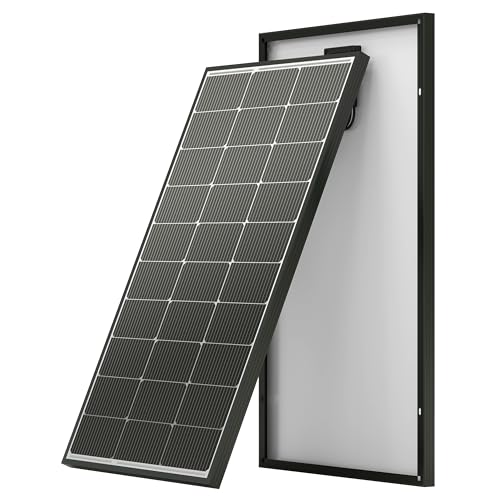
JJN 100 Watt Solar Panel N-Type 16BB 12 Volt Solar Panel

DOKIO 100W 18V Monocrystalline Solar Panel for 12V Systems

SOLUPUP Solar Panels 30W Portable Foldable Solar Charger

N-Type 16BB 100 Watt Solar Panel 100W Solar Panel

STAR 100 Watt Solar Panels 12/24V Solar Panel

100W Solar Panel 25% High Efficiency 18BB 100 Watt Solar Panel

50 Watt Solar Panel 12V N-Type 16BB 50W Solar Panel
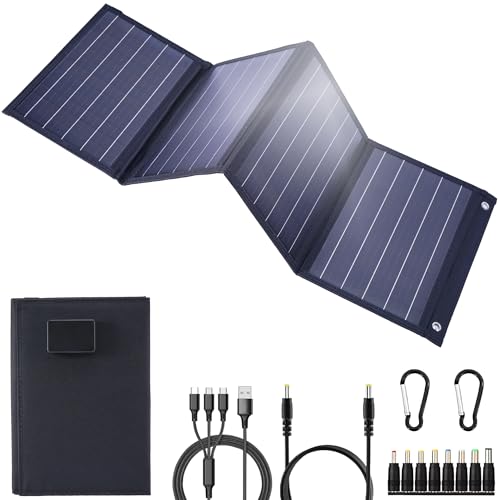
2026Upgrade 40W Foldable Solar Panel Charger
That N-type 16BB layout points to a panel built for compact off-grid jobs, not decorative use. In a rooftop, boat, or caravan setup, a 100-watt module like this usually makes the most sense where space is tight and every inch has to pull its weight.
The honest read is that this kind of panel suits a tidy, fixed installation more than a grab-and-go kit. You get a clean 12-volt match for many small systems, but you still need the rest of the hardware around it, so it fits hands-on setups better than casual plug-and-play needs.
Strong Points
- N-type cell design points to efficient use of space.
- 100-watt output suits small battery banks and modest loads.
- 12-volt compatibility keeps planning straightforward for common off-grid builds.
- Works well on boats, caravans, and roof-mounted layouts.
Points To Note
- You still need mounting gear and system parts around it.
- Fixed panels ask for cleaner routing and more installation care.
- Space-efficient output helps, but it still suits lighter energy demand.
Feature Snapshot
Who It Suits Best
Travelers with roof space to spare and a steady 12-volt setup will get the most from it.
A Better Fit Elsewhere
DOKIO 100W 18V Monocrystalline Solar Panel for 12V Systems suits you better when pre-drilled mounting and MC4 leads matter more than squeezing out a smaller footprint.
Compared with the JJN panel, this DOKIO option leans more toward straightforward installation. The glass module, aluminum frame, MC4 leads, and pre-drilled holes are the kind of details that save time on an RV, boat, or roof where neat mounting matters.
You may find the 18-volt panel wording useful because it gives you a little more context for system matching than a bare-bones listing. That said, the real trade-off is size and rigidity, since framed glass panels are less forgiving than foldable travel gear.
Highlights
- Pre-drilled mounting holes simplify setup on fixed surfaces.
- MC4 leads make it easier to connect to compatible gear.
- Aluminum frame adds a sturdy feel for mounted use.
- Glass module construction suits permanent or semi-permanent installs.
Small Caveats
- Rigid glass construction takes more care during handling and storage.
- It fits installation-minded setups better than casual travel kits.
- The panel shape leaves less flexibility in tight, curved spaces.
Core Details
Who Should Grab It
You get the most from this panel when you want a mounted setup on an RV, boat, or roof.
Another Choice May Suit
SOLUPUP Solar Panels 30W Portable Foldable Solar Charger is the better call for campers who care more about packing small and charging phones directly.
After the rigid DOKIO panel, this one shifts into pure portability. The foldable format, 30-watt output, and USB-A plus USB-C charging make sense for short trips, campground use, and day packs where you want to top off small devices without building a larger solar rig.
The built-in smart chip is the standout detail because it helps the charger recognize connected devices and adjust output more intelligently. It also resumes after sunlight returns, which is handy on trails, at campsites, or during cloudy stop-and-go conditions, though you still need enough sun to keep it useful.
What We Like
- Foldable design keeps packing and carrying simple.
- USB-A and USB-C ports cover common portable devices.
- Smart chip support helps manage charging behavior.
- Auto-reconnect behavior suits interrupted outdoor use.
- IPX5 water resistance adds comfort around light weather and damp ground.
Areas To Watch
- 30 watts suits small electronics more than bigger battery jobs.
- Foldable gear needs a bit more care in packing and unpacking.
- Charging speed still depends on stable sunlight.
At A Glance
Built With In Mind
This fits campers and hikers who want a compact charger for phones, tablets, and power banks.
Skip It When
JJN 100 Watt Solar Panel N-Type 16BB 12 Volt Solar Panel is the better fit for you when you need a mounted panel for a battery-based setup rather than a portable charger.
This Callsun panel overlaps with the JJN pick on wattage, but its pitch is tighter footprint efficiency. For vans, marine cabins, and other cramped installs, that compact feel can matter as much as the raw number on the label.
It leans toward fixed-use owners who want a 12-volt panel that slips into a tidy system without visual clutter. You still need to plan the mounting well, and compact panels rarely forgive sloppy layout, yet that same small scale helps keep rooftops less crowded.
Upsides
- N-type 16BB cell structure supports efficient panel use.
- 100-watt output handles modest charging jobs well.
- Compact format helps on small roofs and narrow mounts.
- Fits marine, RV, van, and off-grid layouts.
Honest Caveats
- Compact panels still need careful spacing and secure mounting.
- It suits lighter electrical demand more than large loads.
- Fixed-install owners will need the rest of the system around it.
Details At A Glance
Best Suited To
You’ll like this most if your van, boat, or roof build needs a neat, space-conscious panel.
Look Elsewhere When
STAR 100 Watt Solar Panels 12/24V Solar Panel is the better fit for you when the frame-less style and lower-maintenance layout matter more.
Where the Callsun panel chases compactness, this STAR model leans into a cleaner frame-less build. That matters on a roof or marine surface where you want fewer edges collecting grime and a simpler look after installation.
The 12/24-volt compatibility gives it a broader place in small system planning, and the maintenance-free framing pitch should appeal to owners who prefer less upkeep. The trade-off is that a frameless design can feel less traditional, so it suits neat, purpose-built installs more than casual, temporary layouts.
Bright Spots
- Frame-less style keeps the panel visually clean.
- 12/24-volt support broadens system matching options.
- Monocrystalline build suits space-conscious energy planning.
- Lower-frame upkeep appeals to tidy roof installs.
Room For Improvement
- Frame-less construction may feel less familiar to some owners.
- It works best in a well-planned permanent layout.
- Cleaning and mounting still need a careful approach.
Quick Facts
Whose Shelf It Belongs On
Owners who want a neat roof or marine install will appreciate the cleaner frame-less profile.
Where A Sibling Pick Shines
DOKIO 100W 18V Monocrystalline Solar Panel for 12V Systems is the better fit for you if pre-drilled mounting holes and MC4 leads matter more than the frame-less look.
After STAR’s cleaner frame-less approach, this Rvpozwer panel goes back to dense cell packaging and a more performance-first pitch. The 18BB layout, paired with the N-type monocrystalline construction, makes it the kind of panel that fits mixed off-grid projects where you want more output efficiency from a compact footprint.
Farm, trailer, rooftop, and marine use all sit comfortably in that lane. You may find the listing’s broad fit appealing, but the installation still depends on your broader system plan, so this makes more sense for hands-on owners than for casual plug-and-play setups.
Reasons To Buy
- 18BB layout helps pack cells tightly into the panel area.
- N-type monocrystalline build supports efficient energy collection.
- Works across RV, marine, rooftop, farm, and trailer uses.
- 100-watt size keeps it manageable for smaller systems.
- Good fit for owners balancing output and space.
Points To Note
- It still needs proper mounting and system matching.
- Mixed-use claims can sound broad, so setup planning matters.
- Like most rigid panels, it suits a fixed location better.
Feature Card
The Right Fit
This suits you best when you want a rigid 100-watt panel for a varied off-grid setup.
Reach For A Different Pick When
SOLUPUP Solar Panels 30W Portable Foldable Solar Charger is better for light travel charging and direct USB use.
Right after the higher-output Rvpozwer panel, this one makes a simpler case for small energy needs. The 50-watt size is easier to slot into starter systems, and the N-type 16BB design gives it a modern cell layout without asking you to manage a larger panel footprint.
For campers, small trailer builds, and marine add-ons, that lighter approach can be easier to live with day to day. It’s not the choice for big power draw, but it fits basic charging, battery maintenance, and compact install plans without much fuss.
Positives
- 50-watt size keeps the panel manageable for small builds.
- 12-volt compatibility supports common starter system plans.
- N-type 16BB layout keeps the panel design current.
- Useful for RVs, vans, trailers, campers, and marine add-ons.
Softer Spots
- Lower output suits light demand rather than larger appliances.
- It works better as a support panel than a main source.
- Owners with growing power needs may outgrow it sooner.
Feature Rundown
Who Will Love This
You’ll like this best for starter solar plans and light-duty battery upkeep.
Swap It Out When
JJN 100 Watt Solar Panel N-Type 16BB 12 Volt Solar Panel is the better fit for you when you want more output from a single rigid panel.
Compared with the Callsun 50-watt rigid panel, this Dongindar charger leans back into portability. The foldable shape, MPPT charging support, and USB-C, USB-A, plus DC12V output make it a versatile travel companion for emergency kits and outdoor use.
The IP67 rating is a useful practical detail for rougher conditions, and the panel’s lightweight build makes it easier to pack than a mounted module. You may find the 40-watt ceiling perfectly fine for phones and small electronics, though it won’t replace a larger roof system.
Best Bits
- Foldable format travels more easily than rigid panels.
- USB-C, USB-A, and DC12V support broadens device coverage.
- MPPT charging helps the charger adapt to available sunlight.
- IP67 rating suits rough outdoor handling better than basic gear.
- Compact shape makes it easy to store in a kit bag.
Minor Gripes
- 40 watts suits lighter device charging rather than larger systems.
- Foldable gear asks for a little more packing care.
- It works best as a travel charger, not a main panel.
Core Details
Made For
This is a solid fit for travel kits, emergency bags, and light outdoor charging.
A Better Fit Elsewhere
DOKIO 100W 18V Monocrystalline Solar Panel for 12V Systems suits you better when a fixed roof or boat mount matters more than portability.
How To Choose The Right Affordable Solar Panels
Match Output To Real Use
Start with what you actually plan to run. A 30 to 50 watt portable charger fits phones, tablets, and power banks, while 100 watt panels make more sense for battery upkeep, lights, and small off-grid loads.
The mistake is chasing a big number without a system plan. A panel that looks impressive on paper can be awkward in practice if your battery bank, controller, or available roof space can’t support it.
Pick The Right Build Style
Rigid glass-and-frame panels suit mounted roofs, vans, boats, and fixed cabins. Foldable chargers fit travel kits, emergency bags, and campsite use because they pack smaller and move easily.
That difference matters more than most people expect. A frame-less or compact panel can save space on a crowded surface, while a foldable unit trades raw permanence for convenience.
Check Connection And Mounting Details
Look closely at leads, connector type, and mounting holes. MC4 connectors are common in solar setups, and pre-drilled holes make installation simpler on roofs or brackets.
For practical ownership, those small details save frustration later. Loose planning can turn a good panel into a slow project, especially on a van, trailer, or marine build where routing and vibration matter.
Think About Durability In Use
Material choice changes how the panel lives over time. Glass modules feel more permanent, while portable foldable panels need gentler handling and more careful storage.
That’s the trade-off in plain terms: easier movement often means more attention, while fixed designs usually ask for a proper install once and less fuss afterward.
A Quick Reality Check
Mistakes Worth Dodging
Don’t match the panel only to the appliance list. You also need to think about where it will sit, how it will mount, and whether you want a portable charger or a fixed module.
Another common miss is ignoring connector compatibility. A well-built panel still needs to fit the rest of your setup cleanly, or the install gets messy fast.
The Upgrade Payoff
Higher-tier panels usually cost more because of cell layout, frame quality, connector hardware, and cleaner fit for difficult installs. N-type and 18BB layouts often appeal to people who want better use of space in a compact footprint.
That extra spend makes sense when your setup lives on a roof, van, or boat and you want less compromise. For lighter camping use, a simpler portable charger often does the job without bringing extra complexity.
Frequently Asked Questions
What size panel works for a small camper?
For small camper use, 50 to 100 watt panels are the most practical starting point. That range usually covers light charging, battery upkeep, and modest off-grid needs.
Do foldable solar chargers replace rigid panels?
Foldable chargers are better for travel and direct device charging. Rigid panels are the better match for mounted systems that stay in one place.
Why do some panels mention 12 volts and others 18 volts?
That wording helps you judge system compatibility and charge planning. A 12-volt setup is common in RV and small off-grid use, while 18 volts often appears in panels meant to work through a controller.
Are MC4 leads useful on a solar panel?
MC4 leads help make connection to compatible solar gear simpler. They’re common enough that many fixed installs benefit from having them already in place.
What makes a frameless panel different?
A frameless panel usually looks cleaner and can be easier to integrate into a neat roof layout. The trade-off is that it asks for more careful mounting and handling.
Closing Thoughts
The best affordable solar panels are the ones that fit your space, your wiring, and your daily routine, not just your wattage target. A travel charger makes sense for camping and emergency bags, while a rigid 100-watt module suits vans, boats, and rooftop builds that stay put. The shortlist here gives you both styles, so you can match the panel to the job instead of forcing the job to match the panel. That usually leads to a cleaner install and fewer regrets later.
