

I pulled together this shortlist for anyone wiring a 9V battery into a DIY USB power bank, whether that’s for a portable project box, a sensor rig, or a small hobbyist enclosure. A 9V snap connector is the unsung bridge between a rectangular battery and whatever circuit board or boost converter you’re trying to feed, and the wrong clip means intermittent power at best. I’ve focused on connectors that solder cleanly, hold their shape, and come in useful pack sizes so you don’t run out mid-project.
A Quick View Of The Lineup

VWEICYY T-Type 9V Battery Connector 10-Pack

BBTO 20 Pack I-Type 9V Battery Connector

California JOS T-Type 9V Battery Connector 3-Pack
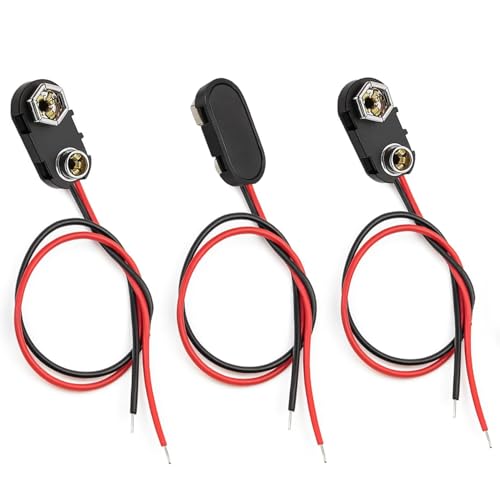
California JOS I-Type Hard Shell 9V Clip 3-Pack

Teqooza I-Type Soft Shell 9V Clip 10-Pack
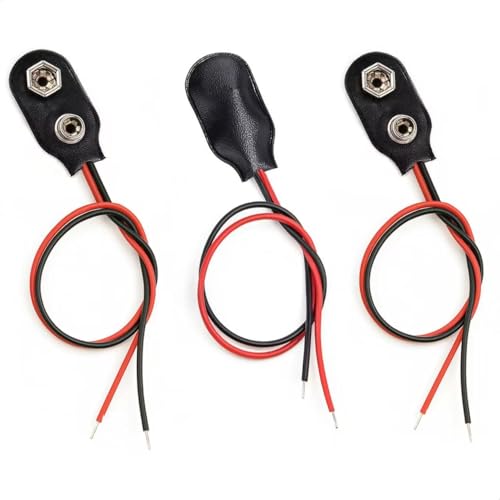
California JOS I-Type Soft Shell 9V Clip 3-Pack
Meet The Standout Selections
The T-type layout on this VWEICYY pack snaps onto the top of a standard 9V battery in the orientation most labs and DIY tutorials assume, so wiring diagrams line up without mental gymnastics. I like that the shells are molded from a hard plastic, which keeps the contacts from bending if the battery shifts inside a project enclosure.
Compared to the BBTO pack later in this list, you trade raw count for a sturdier-feeling housing and tails that take solder readily. For most hobbyists building a single USB bank from a boost converter module, ten pieces means a comfortable buffer for mistakes and replacements.
What Pays Off
- Hard plastic shell resists cracking when clips are snapped on and off repeatedly.
- Tinned cable tails accept solder cleanly, saving time on every joint.
- Ten-pack quantity covers small batches of USB bank builds without a second order.
- T-type orientation matches the standard drawing convention in most hobby guides.
Things To Consider
- Cable length is short, so a longer reach may be needed for some enclosed USB bank layouts.
- T-type polarity orientation differs from I-type, which can trip up first-time builders.
Feature Snapshot
Made For
Hobbyists and students who follow T-type schematics and want a reliable connector for one or two USB power bank projects.
Skip It When
The California JOS T-Type 3-Pack makes more sense for someone only needing a handful of clips and wanting a smaller initial spend.
The BBTO pack is the high-volume option in this roundup, and it’s aimed squarely at classroom settings or a busy bench where 9V clips burn through quickly. I-type orientation lays the leads along the battery side rather than over the top, which some Arduino shields and project boxes prefer.
Unlike the VWEICYY set earlier, you get twice the count and slightly longer leads for routing through enclosure walls. The hard plastic housing still feels firm in hand, and the bare ends strip into screw terminals or perf board with minimal fuss.
Where It Helps
- Twenty pieces let you stock a full semester of STEM projects or repair bench sessions.
- Hard plastic shell and metal contacts resist flexing during install.
- I-type orientation suits many Arduino shields that expect side-exit leads.
Honest Caveats
- Bare ends need stripping before use, which adds a small step for beginners.
- Twenty pieces in one order can be overkill for a single USB bank build.
- Cable insulation is functional but thinner than premium silicone-jacketed wire.
Right Fit For
Teachers, lab instructors, and serious hobbyists running group builds or stocking a repair drawer.
Consider Something Else When
The Teqooza I-Type Soft Shell 10-Pack suits a solo hobbyist who wants fewer pieces but more flexible cabling.
California JOS keeps things simple here with a small three-pack of T-type clips aimed at the entry-level builder. The hard plastic shell behaves much like the VWEICYY set, though the smaller count keeps storage tidy for someone only planning one USB bank.
For students finishing a single coursework project, three clips feel like the right size, not a surplus. The tails are described as easy to solder, which matters when a classroom iron runs cooler than a pro station.
Positive Takeaways
- Three-pack size keeps cost and storage low for one-off projects.
- Hard shell construction tolerates repeated battery swaps in student labs.
- Tin-dipped cable tails flow cleanly under a basic soldering iron.
Points To Keep In Mind
- Only three clips means a single broken shell ends the pack for that build.
- Lead length is modest, so routing through deeper enclosures may need extensions.
Best Suited To
First-time builders and STEM students wiring a basic 9V-to-USB boost circuit for a single project.
Look Elsewhere When
The VWEICYY 10-Pack is a better value for hobbyists who want spares on hand after a few failed solder joints.
This I-type variant swaps the soft leather housing for hard plastic, which I find reassuring when the clip is going to live inside a project box that gets handled often. The leads exit from the battery’s side rather than its top, and that geometry works well with many Arduino-style boards.
Coming in a three-pack, this set mirrors the T-type sibling earlier but targets the maker crowd specifically. The same anti-static bag packaging helps the clips survive a parts drawer between sessions.
Strengths Worth Knowing
- Hard shell protects contacts when the battery is swapped in tight enclosures.
- I-type lead exit suits boards and shields that expect side-routed wiring.
- Anti-static bag packaging preserves contacts during long storage periods.
Small Caveats
- Three-piece count may run short if multiple boards are being prototyped at once.
- I-type orientation can confuse builders who learned on T-type diagrams first.
Quick Facts
Who Should Grab It
Arduino users and STEM instructors who prefer side-exit leads and a sturdy shell for classroom kits.
Reach For A Different Pick When
The California JOS I-Type Soft Shell 3-Pack suits builders who want a slightly more flexible housing for tight battery cavities.
The Teqooza pack brings soft plastic shells and a generous ten-count, which I think fits the “I just need to swap one dead clip” scenario perfectly. Bare ends skip the wire-stripping step entirely, so a quick repair on an existing USB bank takes minutes instead of an afternoon.
Compared to the BBTO I-type set earlier, you get fewer pieces but a more flexible shell that hugs the battery corners a bit more gently. For a repair-first mindset, that trade-off feels right.
A Strong Showing
- Bare ends drop straight into screw terminals without stripping.
- Soft shell wraps the battery corners with a slightly gentler fit.
- Ten-pack covers a handful of USB bank repairs and small builds.
- Black housing blends in with most project enclosures.
Points To Note
- Soft shells can wear faster if the battery is removed weekly.
- Bare ends are less convenient for direct PCB soldering than pre-tinned leads.
Whose Shelf It Belongs On
Repair-focused hobbyists who keep a small stock of connectors for reviving older USB bank builds.
A Better Fit Elsewhere
The California JOS I-Type Hard Shell 3-Pack suits makers who want a sturdier shell for a long-term installation.
The closing pick is a soft-shell I-type from California JOS, and the standout detail is the pre-tinned cable tails. Pre-tinning means the strands are already coated with a thin solder layer, which speeds up the joint and reduces the chance of a cold connection on a small USB bank board.
For a single USB bank project with a step-up converter, three clips and clean soldering feel like a focused match. I-type orientation keeps the wire path tidy against the battery’s side.
Reasons It Performs
- Pre-tinned tails speed up soldering and improve joint reliability.
- Soft shell conforms gently to the battery body for snug fit.
- I-type orientation suits enclosures with side-routed wiring channels.
A Few Limitations
- Soft shell offers less contact protection than the hard-shell sibling.
- Three-piece count runs out quickly for builders with parallel prototypes.
Key Attributes
Perfect Match For
Builders assembling one polished USB bank who value clean solder joints over raw piece count.
Swap It Out When
The BBTO 20 Pack suits classrooms where a small mishap shouldn’t end a session.
What To Weigh Before Picking Your Connector
Matching Connector Type To Your Circuit
A 9V snap connector is a small plastic clip with two short leads, designed to push onto the rectangular terminals of a 9V battery. The two main shapes are T-type, where leads exit from the top edge, and I-type, where leads exit along the side. Match the clip orientation to your wiring diagram first, since reversing polarity is a common rookie mistake in USB bank builds.
Shell Material And Long-Term Feel
Hard plastic shells tend to feel stiffer and survive repeated snap-on cycles in a busy lab. Soft leather-style housings bend more easily and fit battery corners a bit more snugly, but they can wear faster when a battery is swapped weekly. For a USB bank that lives inside an enclosure, hard shells usually outlast soft ones in owner reports.
Cable End Style And Soldering Workflow
Tin-dipped or pre-tinned tails accept solder directly with a standard iron, which suits most hobbyists. Bare ends require stripping before they can be used, which slows the workflow but works well with screw terminals and clamp-style connectors. Think about whether you’ll be soldering to a PCB or clamping into a boost converter module.
Pack Size Versus Real Use
A 20-pack only makes sense if you run a classroom or repair bench. For a single USB bank build, three to ten clips is plenty, and a smaller pack keeps the parts drawer uncluttered.
Key Considerations Across These Picks
Mistakes Worth Dodging
The most common slip-up is ignoring the T-type versus I-type distinction and ending up with reversed polarity, which can fry a boost converter module on first power-up. Another trap is buying a bare-end pack when your project calls for direct PCB soldering, then realizing you wanted pre-tinned leads all along.
What The Higher Tier Buys
Larger packs like the BBTO 20-piece set reduce the per-clip cost and remove the worry of running out mid-project. Premium hard-shell housings also buy you longer service life when the clip is snapped on and off weekly, which matters for anyone running a shared kit drawer.
Frequently Asked Questions
What Is A 9V Battery Connector Used For?
A 9V battery connector is a snap-on clip that attaches to the top of a 9V battery and provides two wire leads for connecting to a circuit. In a USB battery bank project, it feeds a boost converter that steps the 9V output up to 5V.
T-Type Versus I-Type Connectors: What Is The Difference?
T-type connectors route their leads from the top edge of the battery, while I-type connectors route leads from the side. The choice depends on your enclosure layout and which orientation your wiring diagram assumes.
How Do I Solder A 9V Clip To A Boost Converter?
Strip a short length of each lead, tin the strands with a dab of solder, then attach the red lead to the converter’s positive input and the black lead to the negative input. A small piece of heat shrink over each joint helps prevent shorts inside the enclosure.
Can I Reuse A 9V Battery Connector Multiple Times?
Yes, the snap-on design is meant for repeated use, though hard plastic shells generally last longer than soft leather housings when cycled weekly. Owners commonly report that the metal contacts stay serviceable well past a dozen swap cycles.
Is It Safe To Leave A 9V Battery Clipped In A USB Bank Long-Term?
It is safe for short-term use, but 9V batteries can slowly drain when left connected, so unplugging the snap when the bank is idle extends battery life. Avoid sealing a 9V battery inside an airtight enclosure for long stretches.
Closing Remarks
The right 9V clip comes down to matching orientation, shell feel, and pack size to your project. Start with the layout your wiring diagram assumes, and pick a pack count that fits how often you’ll actually be soldering. With the right connector in hand, the rest of the USB bank build tends to fall into place.
