

A 9V battery quietly runs some of the most important things in a home, including smoke detectors, carbon monoxide alarms, garage door openers, and multimeters. When one dies in the middle of the night, you want a replacement that lasts and stores well. I’ve rounded up four solid options that balance runtime, shelf life, and value for everyday households.
The Picks In Brief
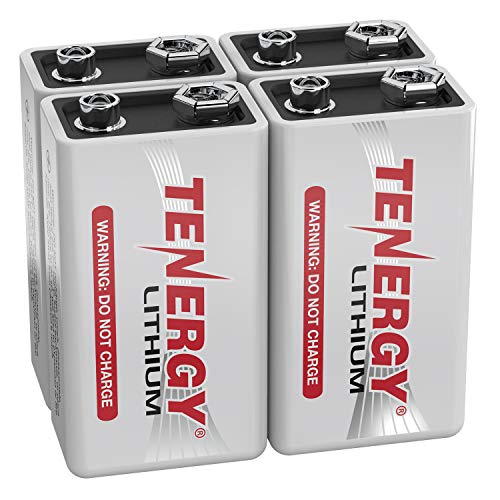
Tenergy 9V Lithium Batteries, 1200mAh 4 Pack

Energizer Ultimate Lithium 9V Batteries (1 Pack)

Enegitech 9V Lithium Battery 1200mAh 4 Pack

POWEROWL High Capacity 9V Batteries 8 Pack
A Closer Look At Each Pick
For households that want a set of lithium 9V cells they can stash in a drawer and forget about, the Tenergy 4-pack fits the bill nicely. Each cell delivers 1200mAh of capacity, which translates to noticeably longer runtimes in ac-powered smoke detectors compared to standard alkaline options. The cells arrive date-stamped for freshness, so you can rotate them into service without wondering how long they’ve been sitting on a shelf.
The ultra-low self-discharge rate, roughly 2% per year, means these batteries stay ready for a true emergency. In most homes, that translates to reliable backup power for smoke and carbon monoxide alarms even after years of storage. For someone stocking a hall closet or a workshop, the four-pack format is practical without being excessive.
A Strong Showing
- 1200mAh capacity supports longer runtime in constant-draw devices like hardwired smoke detectors.
- Low self-discharge keeps spare cells viable for years in a closet or drawer.
- Date-stamped packaging removes guesswork about how old a battery is at purchase.
- Four-pack quantity suits households needing a few spares for multiple alarms.
Things To Consider
- Non-rechargeable chemistry means used cells get replaced rather than topped off.
- Bulk 4-pack format may be more than a single-detector apartment needs.
Who It Suits Best
Families and homeowners who run several smoke or CO alarms and want a dependable lithium backup with proven long shelf life.
Where Another Pick Suits Better
Outdoor enthusiasts and people storing batteries in unheated garages get better extreme-temperature performance from the Energizer Ultimate Lithium 9V.
The Energizer Ultimate Lithium 9V earns its reputation mostly through resilience. It keeps working across a temperature window from -40°F to 140°F, which matters more than people expect for detectors mounted near exterior walls, in attics, or in unheated sheds. Inside a heated home, it simply lasts longer between changes in toys, handheld mics, and walkie-talkies.
Single-pack format makes this the right shape for replacing one specific cell without overspending on extras you don’t need. The leak-resistant construction offers peace of mind for anyone with expensive gear that sits unused for long stretches. Compared to the Tenergy 4-pack above, this is a one-off replacement rather than a stockpile play.
Key Advantages
- Operates from -40°F to 140°F, covering unheated garages and outdoor sensor boxes.
- Lighter than alkaline 9V cells, useful in handheld devices and lavalier mics.
- Holds a charge up to roughly 10 years in storage for emergency spares.
- Leak-resistant build protects expensive electronics during long idle periods.
Worth Noting
- Single-pack quantity is less economical per cell than multi-packs.
- Premium pricing per battery may feel steep for casual household use.
Built With In Mind
Hobbyists and homeowners who need a single 9V cell that survives harsh conditions, long storage, or demanding electronics.
Swap It Out When
Anyone replacing batteries across many devices at once will find the POWEROWL 8-pack a more practical bulk option.
Where the Enegitech 4-pack stands out is in high-drain electronics. With 1200mAh per cell, it claims roughly twice the runtime of lower-capacity 600mAh lithium 9V cells in demanding tools. For anyone running multimeters, metal detectors, or infrared thermometers through long sessions, that extra capacity matters.
The chemistry also performs well in smoke and CO detectors, making it a versatile shelf item. Compared to the Tenergy 4-pack reviewed above, the Enegitech leans more toward active electronics than standby sensors. Owners commonly find the cells fit snugly in keyless-entry door locks, which can be picky about battery dimensions.
The Good Stuff
- 1200mAh capacity supports extended runtime in tools like multimeters and metal detectors.
- Performs across common home uses, from smoke detectors to door locks.
- Four-pack format offers flexibility for varied household devices.
- Stable lithium chemistry suitable for devices that sit unused between uses.
Points To Note
- Brand is less recognized than major names, which may give some shoppers pause.
- Non-rechargeable only, so frequent high-drain users may want a rechargeable 9V option instead.
Who Should Grab It
DIYers, electronics hobbyists, and homeowners with high-drain 9V devices who want solid capacity in a multi-pack.
A Better Fit Elsewhere
Households stocking batteries purely for low-drain smoke alarms may find the Tenergy 4-pack a more focused match.
The POWEROWL 8-pack earns its spot by spreading replacement across an entire household. Eight cells cover a typical home’s worth of smoke alarms, plus a few spares for clocks, garage remotes, or a multimeter. The alkaline chemistry (6LR61 designation, the standard label for alkaline 9V cells) keeps the upfront cost reasonable.
For families that prefer to swap every detector on a single afternoon, this format removes the hassle of buying multiple packs. Unlike the lithium options reviewed above, alkaline chemistry has its limits in extreme cold or heat, so outdoor placement warrants attention. For indoor, climate-controlled use, the trade-off usually feels acceptable.
Reasons It Performs
- Eight-pack quantity covers a whole-home detector refresh in one purchase.
- Lower per-cell cost makes bulk replacement accessible on a tight budget.
- Reliable alkaline chemistry for typical indoor low-to-moderate drain devices.
- Date-coded for freshness at the point of sale.
Honest Caveats
- Alkaline chemistry has a shorter shelf life than lithium cells in this roundup.
- Not the best fit for outdoor sensors or unheated spaces where temperature swings are common.
- Single-use only, so heavy users generate more waste over time.
The Right Fit
Homeowners and renters planning a full-house battery refresh who want the most cells per dollar.
Look Elsewhere When
Anyone needing long-term storage or harsh-temperature performance should reach for the Energizer Ultimate Lithium 9V instead.
What Matters Most Before Choosing 9v Lithium Battery
The first decision is chemistry. Lithium 9V cells last longer in storage and tolerate temperature extremes, while alkaline 9V cells cost less upfront and work fine for typical indoor use. For smoke and CO detectors that draw a slow trickle of current, lithium cells usually outlast alkaline by years, though the trade-off is the higher per-cell cost.
Capacity, measured in milliamp-hours (mAh), tells you how much energy each cell holds. A 1200mAh lithium cell roughly doubles the runtime of a 600mAh lithium cell in demanding tools like multimeters or metal detectors. For low-drain devices, capacity differences matter less, since the slow draw sips energy gently.
Form factor and shelf life are easy to overlook. Most 9V batteries share the same rectangular shape, but some devices, especially keyless-entry locks, are sensitive to slight dimensional differences. Storage life, often listed at 10 years for quality lithium cells, matters if you want to buy in bulk and forget about replacements for a while.
Key Considerations Across These Picks
Pitfalls Shoppers Hit
The most common slip-up is buying alkaline cells for outdoor sensors or unheated garages, where cold drains them quickly. Another is assuming all 9V batteries share the same capacity, when lower-cost 600mAh lithium cells deliver noticeably less runtime than 1200mAh options in active tools.
Where The Extra Money Goes
Premium lithium pricing covers longer storage life, broader temperature tolerance, and lighter weight. For households replacing one cell a year in mild indoor conditions, the upgrade may not pay back. For anyone stocking spares for emergencies or using batteries in harsh environments, the extra cost usually earns its keep.
