

Choosing solar gear gets easier once you match the panel to the way you actually live. Some setups need a foldable panel for weekend camping, while others call for rigid modules on a roof, shed, or cabin wall.
This roundup keeps that split in view, so you can compare portability, durability, mounting style, and output without wading through fluff. You’ll also see where a 200W option still makes sense beside larger 300W and 400W choices, especially for power stations and off-grid backup.
Quick Look At The Shortlist

Renogy 200W Portable Solar Panel, IP65 Waterproof Foldable Solar Panel Power Backup

Callsun N-Type 16BB 400W Bifacial Solar Panel, 2Pcs 200 Watt for 12V/24V

Renogy Solar Panels 200 Watt N-Type, 200W Solar Panel 16BB
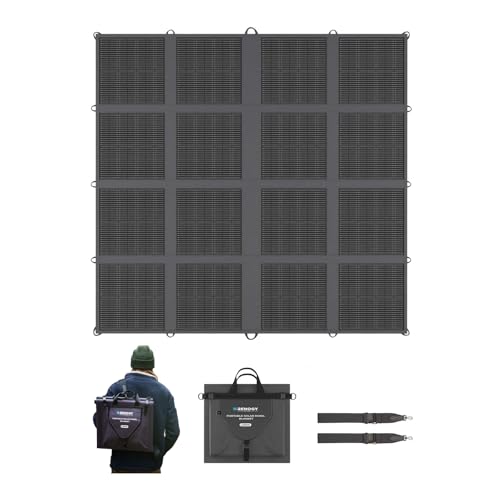
Renogy 400W Portable Solar Panel for Power Stations, N-Type 400 Watt Blanket

200 Watt TÜV Certification N-Type Solar Panel, 25.8% Efficiency

Renogy 300W Portable Solar Panel, 25% High Efficiency for Power Stations

Renogy Solar Panels 2PCS 320 Watt N-Type 18BB, 25% High-Efficiency

Renogy Flexible Solar Panel 100 Watt, 240° Ultra Flex Bendable
More Details On Our Top Picks
A foldable 200W panel like this makes sense for travel setups that need to pack down fast. The IP65 rating points to dust protection and resistance to water spray, so it suits campsite use, RV storage bays, and backup kits that move around often.
The lighter portable format gives you flexibility, though it also means you’re carrying a lower ceiling than the larger 300W and 400W picks here. Renogy also includes USB-A and USB-C outputs in the design, which helps for small devices without building a separate adapter chain.
What We Like
- Foldable layout keeps storage simple in an RV or closet.
- Kickstand support helps with quick angle changes at camp.
- USB-A and USB-C outputs add useful charging options.
- IP65 protection suits rough outdoor handling and light weather exposure.
Points To Note
- 200W output fits smaller loads better than a true 300W class panel.
- Portable design asks for more setup and takedown than a fixed roof module.
- Owners usually need a bit of care with hinges, cables, and folding seams during storage.
Feature Snapshot
Who Should Grab It
Campers, RV owners, and weekend backup users will get the most from this compact format.
Where A Sibling Pick Shines
Renogy 300W Portable Solar Panel, 25% High Efficiency for Power Stations suits you better when your power station needs more daily input and you can carry a larger foldout panel.
Callsun takes a different route from the portable Renogy pick, because you’re getting two 200W modules in a 400W setup. That split can help a roof array or RV system cope with partial shade better than a single broad panel, which matters on vans, boats, and mixed-light rooftops.
It’s built for 12V and 24V systems, so the electrical match is broad enough for common off-grid layouts. The trade-off is simple, though, since two modules mean more placement decisions and more connection planning than a single-panel solution.
Highlights
- Bifacial build can capture light from both sides in the right setup.
- Two-panel format gives you more layout flexibility than one large slab.
- Works with 12V and 24V systems for broader compatibility.
- Anti-shade design helps keep output steadier in patchy light.
Softer Spots
- Installation takes more planning than a single portable suitcase panel.
- Separate modules mean more wiring and mounting work.
- Two pieces may suit permanent installs better than quick travel use.
Details At A Glance
Built With In Mind
RV, marine, and rooftop users who deal with uneven sunlight will find the layout especially practical.
Swap It Out When
Renogy 400W Portable Solar Panel for Power Stations suits you better when you need the same kind of output in a suitcase-style design for travel days.
This Renogy panel moves away from the foldable format and into a more traditional rigid module, which suits permanent mounting on a van roof, cabin, or farm outbuilding. The 16BB cell layout means 16 busbars, the thin conductive lines that collect current, and that usually points to better current flow across the panel face.
It’s a cleaner fit for installations where you want a set-and-leave panel rather than something you keep opening and closing. The honest read is that it asks for a more committed install, but that trade-off pays off in simplicity once it’s in place.
Bright Spots
- Rigid construction fits fixed mounting better than a fold-up design.
- 16BB layout supports efficient current collection across the module.
- 12V and 24V compatibility covers common off-grid system types.
- Useful for roofs, cabins, and other steady installations.
Room For Improvement
- Less convenient to move than a portable suitcase panel.
- Needs a proper mounting plan before installation day.
- Rigid panels take more space during transport and storage.
Core Details
Whose Shelf It Belongs On
DIY installers and property owners who want a steady rigid panel will get the most from it.
Look Elsewhere When
Renogy 200W Portable Solar Panel, IP65 Waterproof Foldable Solar Panel Power Backup suits you better for travel kits that need to pack away fast.
This one is the heavy-hitter in the portable group, because 400W in a foldable format changes how much you can feed a power station over a day. Renogy also trims the bulk with a backpack-size folded profile, so the panel works better for mobile setups than a rigid 400W array.
The kickstand-style support and blanket-like design make it a useful travel companion for campsites, pickups, and marine storage where space runs tight. The trade-off is predictably weight and handling, since a larger portable panel still asks for more room than the 200W suitcase above it.
Reasons To Buy
- 400W portable output gives you more charging headroom.
- Foldable format keeps it travel-friendly for a higher-output panel.
- Backpack-size fold makes storage easier in tight vehicle spaces.
- Useful for power stations that benefit from larger daily input.
Minor Gripes
- Larger carry size is still more demanding than a 200W foldable panel.
- Portable use means setup time stays part of the routine.
- Best suited to mobile charging, not a fixed roof mount.
Feature Rundown
Right Fit For
Mobile campers and power-station owners who want more output without giving up portability.
Reach For A Different Pick When
Callsun N-Type 16BB 400W Bifacial Solar Panel, 2Pcs 200 Watt for 12V/24V suits you better for a fixed rooftop layout with more flexibility around shade.
ECOBOSS leans into efficiency and weather resistance here, which makes this rigid 200W panel feel well suited to serious small-system work. The IP68 rating means a very high level of dust and water protection, so it has a stronger outdoor profile than the lighter portable picks in this list.
For RV, marine, and emergency backup setups, that kind of ruggedness can matter as much as raw output. The trade-off is the same one you usually see with rigid modules, since you give up portability to gain a cleaner mounted installation.
Upsides
- 25.8% efficiency is strong for a 200W rigid panel.
- IP68 rating suits wet, dusty, and outdoor environments.
- Monocrystalline build is a good fit for compact roof setups.
- TÜV reference signals a more formal quality context on the listing.
Small Caveats
- Rigid form is less convenient than a foldable suitcase panel.
- 200W output may feel modest for larger battery banks.
- Permanent mounting usually asks for more installation effort.
Technical Sheet
The Right Fit
RV, van, and marine owners who want a durable fixed module with strong efficiency should look closely here.
Another Choice May Suit
Renogy Flexible Solar Panel 100 Watt, 240° Ultra Flex Bendable suits curved surfaces better, especially on boats or rounded roofs.
This is the most balanced portable choice in the group, especially for you if a power station sits at the center of your camping or blackout kit. A 300W foldable suitcase gives you more charging muscle than the 200W portable pick, while staying easier to move than the 400W blanket above.
The kickstands help with setup, and the IP67 rating means strong protection against dust and temporary water exposure. That mix makes it a sensible middle ground for RV trips, off-grid weekends, and garage-stored emergency gear, though it still asks for more carry space than a rigid panel on the wall.
Best Bits
- 300W output hits a useful middle ground for portable systems.
- Foldable suitcase layout keeps transport and storage manageable.
- Kickstands help you angle the panel without much fuss.
- IP67 rating adds confidence for outdoor handling.
- 17% lighter than the earlier generation on the listing, which helps on travel days.
Areas To Watch
- Portable format still takes more space than a roof-mounted panel.
- Setup and takedown remain part of normal use.
- Suitcase style works best when you have room to place it open.
Quick Facts
Best Suited To
Weekend campers, van travelers, and backup power users who want one portable panel that covers a lot of common needs.
Where Shoppers Go Wrong
Renogy 200W Portable Solar Panel, IP65 Waterproof Foldable Solar Panel Power Backup fits better for lighter loads and smaller storage spaces.
This pair of 320W modules is aimed at larger fixed systems, not casual portable use. Fewer connections can make installation cleaner, and the 18BB layout, meaning 18 busbars inside each panel, is geared toward stronger current collection across a big setup.
For home yards, sheds, and off-grid structures, the 640W total output gives you more headroom than the 300W portable choices in this roundup. The trade-off is obvious: you gain serious capacity, but you also commit to a larger installation footprint and more planning around mounting.
What We Like
- Two large modules suit higher-demand fixed arrays.
- Fewer connections can simplify wiring in a bigger setup.
- 18BB cell layout supports efficient current flow.
- IP68 protection is useful for outdoor permanent installs.
Honest Caveats
- Too large for most travel-first setups.
- Needs a planned mounting area before installation begins.
- Best results come from a space that can host both panels comfortably.
At A Glance
The Right Fit
Property owners and off-grid builders who want a strong permanent array for sheds or yard structures should look here.
Consider Something Else When
Renogy 300W Portable Solar Panel, 25% High Efficiency for Power Stations makes more sense for travel kits that need portability first.
The flexible build sets this one apart right away, because a bendable panel is about fit more than raw output. With 240 degrees of flex and a 0.1-inch profile, it works where rigid modules struggle, especially on curved boat surfaces, rounded RV roofs, or custom van installs.
You only get 100W here, so this is not the panel for people chasing the biggest daily charge totals. For marine and specialty installs, though, the shape matters so much that the lower output can still be the right trade.
Positives
- Flexible form adapts to curved mounting surfaces.
- Very slim profile helps where height clearance is tight.
- Works well on boats, vans, and unusual roof shapes.
- IP68 protection supports outdoor placement.
Areas To Watch
- 100W output is modest beside the 300W portable options.
- Specialty fit matters more here than raw charging strength.
- Mounting surface prep becomes especially important with flexible panels.
Feature Card
Made For
Boat owners, van builders, and anyone mounting on a curved or space-limited surface.
Skip It When
Renogy 300W Portable Solar Panel, 25% High Efficiency for Power Stations suits you better for higher daily output in a travel-friendly package.
How To Choose The Right 300w Solar Panels
Match Output To Your Daily Load
Start with what you actually plan to run. A 300W panel class works well for many power stations, small off-grid cabins, and RV systems that need dependable daily charging without jumping to a much larger array. Smaller 100W and 200W panels can still work, but they ask for more recharge time or more panels in parallel.
The useful question is not only how much power the panel can make, but how much of it you can realistically absorb. Battery size, charge controller limits, and the number of peak sun hours in your location all shape the result.
Portable Versus Fixed Mount
Portable panels make sense for travelers, seasonal campers, and anyone storing gear in a garage or RV compartment. Foldable suitcase models bring flexibility, while rigid panels usually reward you with a cleaner permanent install and less daily setup.
The trade-off is convenience versus commitment. A portable option takes more handling, while a roof or wall mount takes more planning up front and less fuss later.
Check The Build Details That Matter
Efficiency rating, cell layout, and ingress protection are worth your attention. Efficiency tells you how well the panel turns sunlight into power, while busbar count, such as 16BB or 18BB, can support steadier current collection across the surface.
Protection ratings help you judge outdoor fit. IP65 works for many portable setups, IP67 adds stronger water resistance, and IP68 gives a tougher sealed profile for harsher exposure.
Think About Where You’ll Use It
Marine gear, van roofs, cabin walls, and yard sheds each create a different install problem. Flexible panels suit curved surfaces, bifacial panels can make sense where light reaches both sides, and suitcase panels are the better travel companion for temporary setups.
The right choice usually feels boring in the best way. It fits your space, matches your power needs, and doesn’t force awkward workarounds.
Things Worth Knowing First
Hidden Buying Traps
It’s easy to chase output numbers and ignore the rest of the system. A 300W panel still needs the right controller, wiring, and battery setup to be useful in real life.
Another common miss is buying a format that doesn’t match the space. A rigid module on a curved roof can become a headache, while a portable foldout panel can feel clumsy in a permanent shed install.
The Upgrade Payoff
Higher-tier models usually cost more because they use stronger materials, more advanced cell layouts, or more careful weather sealing. That extra spend often buys better efficiency, easier installation, or better fit in difficult spaces.
The upgrade makes the most sense when your setup sees hard use, limited space, or demanding weather. For a simple weekend kit, the extra capacity may not change your day enough to matter.
Frequently Asked Questions
Are 300W solar panels enough for a power station?
For many portable power stations, a 300W panel class gives a practical balance of size and charging speed. Exact results depend on your battery capacity, controller limits, and how much sun your location gets.
Do flexible panels work as well as rigid ones?
Flexible panels fit curved or awkward surfaces better, which is their biggest strength. Rigid panels usually suit fixed mounting more comfortably and often feel simpler to maintain.
What does bifacial mean?
Bifacial means the panel can capture light from both the front and the back. That helps most in setups where reflected light reaches the rear side, such as some roof or ground-mount arrangements.
Why does IP rating matter?
An IP rating tells you how well a panel resists dust and water intrusion. Higher numbers usually mean stronger outdoor protection, which matters for travel gear and exposed installs.
Should you choose 200W or 300W?
Choose 200W for lighter loads, smaller storage spaces, or occasional use. Move to 300W when your power station or off-grid routine needs more daily input without jumping to a much larger array.
Closing Thoughts
The best 300w Solar Panels for your setup depend on where they’ll live, how often you’ll move them, and how much power your routine really uses. A portable suitcase model makes sense for camping and backup work, while rigid panels fit better on roofs, sheds, and cabins. Flexible panels solve space problems on curved surfaces, which can matter more than raw output in marine and van builds. Match the panel to the space first, and the rest tends to fall into place.
