

You want solar panels that match the way you actually use power, not just the way a listing reads on a screen. For RV roofs, cabin sheds, boats, and small off-grid installs, the right 24v solar panels can make wiring simpler and daily charging feel steadier. The list below focuses on panel output, build style, and the kind of setup each pick suits best.
You’ll also see a few options that work well beyond pure 24V use, since many charging systems start at 12V and scale upward. That mix matters for weekend campers, van builds, and home backup projects alike.
The Shortlist At A Glance
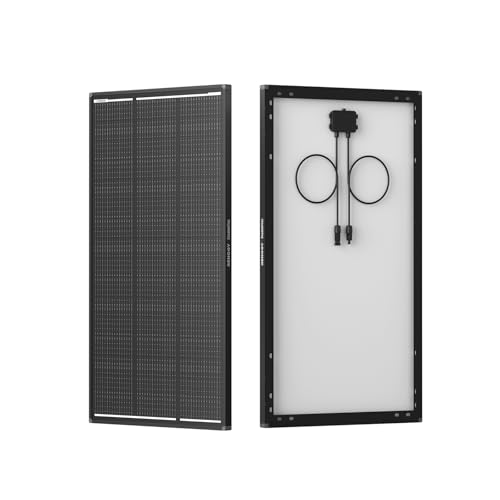
Renogy ShadowFlux 120W Solar Panel


100W 18BB N-Type Solar Panels 2-Pack

STAR 100W Frame-Less Solar Panels

Voltset 50W 24V Solar Charger Kit


BougeRV 200W Bifacial 24V Solar Panel
More Details On Our Top Picks
Shaded roofs can make a normal panel feel temperamental, and that’s where the ShadowFlux design earns attention. The 120-watt size fits smaller RV arrays or mixed roof layouts without swallowing every inch of space.
Renogy’s N-type cell approach is aimed at more efficient light capture, which matters on cloudy mornings and under tree cover. You may find it a smart fit for mobile rigs that park under buildings, branches, or winter snow lines more often than they sit in open sun.
Strong Points
- Optimized for patchy light, so it suits roofs that see shadows from vents, rails, or nearby trees.
- 120 watts is easier to place on compact roofs than a larger high-output panel.
- N-type cell construction is a practical upgrade for owners who want steadier energy harvest in less-than-perfect sun.
- Works well for RV, marine, rooftop, and home backup-style layouts.
Things To Consider
- One panel at 120 watts is not a large-energy solution on its own.
- Shadow-focused panels still need careful mounting to avoid blocking the best-lit sections.
- Cleaning matters on rooftop installs, since dust and tree debris can blunt the benefit of the design.
Feature Snapshot
Who It Suits Best
RV owners with roof shade, compact rigs, and mixed-use off-grid setups will get the most from this panel.
Where A Sibling Pick Shines
BougeRV 200 Watt Solar Panel Bifacial 24V N-Type 16BB for RV Roof Off-Grid suits you better when you need more roof output and can give the panel a clearer sun path.
This one is aimed at people who want a stronger daily charging base without jumping into oversized gear. The 200-watt output gives you more breathing room for van life, cabin support, or a roof bank that has to keep up with steady loads.
The 16BB cell layout means 16 busbars, the thin conductive lines that move current across the panel, and that usually helps with collection and durability in a practical sense. Compared with the 120W ShadowFlux above, you’re looking at a more direct power-first choice than a shade-specialized one.
Highlights
- 200 watts is a strong middle-ground size for daily charging.
- Built for 12V and 24V systems, which broadens its use across common off-grid setups.
- The N-type cell design and 16 busbars point toward efficient current flow.
- Fits class B vans, RV roofs, marine setups, cabins, and farm buildings.
Worth Noting
- Its output level may be more than you need for a tiny trickle-charge project.
- Larger panels take more careful roof planning and mounting space.
- Owners of simple one-battery systems may prefer a smaller, easier-to-place option.
Core Details
Right Fit For
Van builders, RV owners, and cabin setups that want a stronger solar foundation will get the most from this panel.
Look Elsewhere When
Renogy ShadowFlux 120W Solar Panel is the better call for smaller roofs that need help with partial shade more than sheer output.
Two 100-watt panels give you more layout options than a single larger module, which can be handy on odd-shaped roofs or split mounting zones. That flexibility is the real draw here, especially for trailered rigs and small off-grid places where every inch has a job.
The 18BB layout adds more collection pathways across the cell surface, and the 12V/24V compatibility keeps the kit relevant for a wide range of system plans. Compared with the Renogy 200W panel, this set can be easier to place, but it asks you to think through the wiring with a bit more care.
Bright Spots
- Two-panel format makes placement easier on awkward roof layouts.
- 100 watts per panel gives you modular control over your total array size.
- Works with both 12V and 24V systems.
- Useful for RVs, boats, trailers, farms, rooftop systems, and home backup projects.
Minor Gripes
- Two panels mean more mounting and more wiring decisions.
- The smaller per-panel output is less straightforward than a single 200-watt module.
- Cable routing matters more, so tidy installation helps long-term reliability.
Details At A Glance
Whose Shelf It Belongs On
Hands-on DIY installers and small-system owners who want layout flexibility will appreciate this pair most.
Swap It Out When
Renogy 200W N-Type Solar Panel suits you better when a single, stronger panel is easier to mount and wire.
Frame-less panels change the look and the upkeep story right away. With no outer frame lip to trap grime, the STAR panel suits neat roof installs where a cleaner surface matters as much as output.
The 12/24V fit makes it a flexible option for common RV and home-style systems, and the 25% efficiency claim places it in the higher-output part of this group. In practice, that mix makes sense for owners who want a tidier build than the more conventional framed panels above.
Upsides
- Frame-less construction creates a cleaner profile on the roof.
- Maintenance feels simpler because there’s less trim collecting debris.
- 12V and 24V support broadens install options.
- Works across RV, marine, roof, home, and off-grid settings.
- High-efficiency monocrystalline design suits space-conscious installs.
Small Caveats
- The frameless style may feel less familiar to installers used to standard rigid panels.
- Dust and water marks still need regular wiping on exposed roof setups.
- Owners planning a rugged, hardware-heavy mount may prefer a more traditional framed design.
Feature Rundown
Built With In Mind
Owners who care about a neat rooftop layout and lighter visual clutter will get the most from this panel.
A Better Fit Elsewhere
Renogy ShadowFlux 120W Solar Panel makes more sense for rooftops that face shade from trees, buildings, or winter weather.
This kit is for keeping a battery topped off without building a large array around it. The included charger controller means you get a more complete small-system package, which is useful on boats, compact RVs, or storage setups that sit unused for stretches.
The 24V panel rating makes it a tidy match for 24V battery needs, and the LED indicators give you a straightforward status read at a glance. Compared with the bigger 100W and 200W picks, this one is about control and convenience rather than heavy daily generation.
Reasons To Buy
- Comes as a kit, so you get the panel and controller together.
- IP67 controller protection suggests better resistance to dust and water exposure.
- LED indicators make status checks quick and simple.
- Compatible with LiFePO4 and lead-acid batteries.
- Works well for RV and marine maintenance charging.
Areas To Watch
- 50 watts suits light charging, not large power demand.
- Kit-style installs still need tidy mounting and weather-aware cable routing.
- Owners building a bigger system may outgrow it quickly.
Technical Sheet
Who Should Grab It
Boat owners, RV owners, and storage battery setups that need light, steady charging will get the most from this kit.
Another Choice May Suit
Newpowa 35W 24V Solar Panel suits you better for very small off-grid tasks where a simpler single-panel setup is enough.
Small charging jobs need small hardware, and this 35-watt panel fits that brief neatly. It suits gate openers, trailers, and light RV battery maintenance where you want a modest footprint instead of a roof-filling setup.
Compared with the Voltset kit, you give up the included controller and some convenience, but you gain a simpler panel-only approach. For basic 24V battery charging in tight spaces, that trade-off can make sense.
Best Bits
- Small size keeps installation easy in tight spots.
- Designed for 24V batteries, so the match is straightforward.
- Useful for RV, boat, camper, trailer, and gate opener setups.
- Low-output charging is a sensible fit for maintenance-style use.
Points To Note
- 35 watts is modest, so expect slow charging.
- You may need a separate controller or additional system parts.
- It makes more sense for maintenance than for frequent heavy use.
Core Details
The Right Fit
Owners who need quiet, low-drama maintenance charging for compact equipment will appreciate this panel most.
Reach For A Different Pick When
Voltset 50W 24V Solar Charger Kit is the better match for you when you want a controller bundled into the setup.
Bifacial panels can capture light from both sides, which matters on reflective surfaces like pale roofs or bright ground below. That extra surface sensitivity gives this BougeRV panel a different personality than the more straightforward Renogy 200W pick.
The black-frame design and 24V N-type 16BB build make it a strong candidate for roof-based off-grid systems that have room to breathe. You may find it especially appealing for van, cabin, or marine installs where surface area and light bounce both work in your favor.
What We Like
- Bifacial construction gives it an edge on reflective setups.
- 200 watts offers meaningful daily charging headroom.
- N-type cells and 16 busbars suit a more advanced panel layout.
- Works across RV, van, boat, marine, home, farm, and cabin use.
- Black-frame styling looks clean on visible roof installs.
Softer Spots
- Bifacial benefits depend on where and how you mount it.
- It works best in setups that can reflect light back toward the rear side.
- Large roof installs still need careful planning and secure attachment.
Feature Card
Who Will Love This
Roof-mounted off-grid systems that can benefit from reflected light will get the most out of this panel.
Skip It When
Renogy 200W N-Type Solar Panel is the safer fit for you when you want a simpler, front-facing panel without bifacial planning.
How To Choose The Right 24v Solar Panels
Match Panel Output To Your Daily Load
Start with the energy you actually use, not the biggest number on the page. A 35-watt or 50-watt panel can suit maintenance charging, while 100-watt and 200-watt panels fit battery banks that need regular replenishment.
For RVs and cabins, the panel’s job is usually to keep up with lights, fans, pumps, and small appliances rather than run everything forever. Bigger output gives you a wider margin, but only when your roof space, wiring, and charge controller can support it.
Check Voltage Fit And System Layout
24V solar panels are useful in dedicated 24V battery setups, but several picks here also work in 12V and 24V systems. That flexibility helps when you’re building a van, boat, or mixed-use backup setup that may change over time.
Voltage matters because the whole chain has to line up, from panel to controller to battery bank. A well-matched system wastes less time and fewer conversion steps, which is why the Voltset kit feels easier for tiny charging jobs while the Renogy 200W models suit fuller arrays.
Think About Roof Space, Shade, And Mounting Style
Roof shape often decides the right pick before wattage does. A frameless panel can look tidier and may be simpler to wipe down, while a bifacial design like the BougeRV panel works best where light bounces back from below.
Shade is another big divider. The ShadowFlux panel is the most relevant choice here for roofs with trees, vents, or nearby structures casting uneven light.
Choose The Build That Fits Your Routine
Small systems often benefit from panel-plus-controller kits, because they simplify the first install and keep maintenance charging straightforward. More experienced installers may prefer a bare panel and build the rest of the system around it.
Think about cleaning, wiring access, and how often you’ll move the setup. A compact panel on a trailer or gate opener needs a different kind of practicality than a fixed cabin array.
What To Weigh Before You Commit
Common Shopping Slip Ups
One common mistake is chasing output without checking roof room or battery match. Another is picking a panel that looks strong on paper but ignores shade, controller needs, or the way the system is wired.
Short cable runs and tidy mounting matter more than many first-time setups realize. A panel that’s easy to place and keep clean often serves you better than a larger one that fights the roof layout.
Where The Extra Money Goes
Higher-tier panels usually cost more because of cell design, busbar layout, and build features like bifacial capture or shade-tolerant engineering. Those differences matter most on roofs with awkward light, limited space, or higher energy demand.
Paying up makes sense when the panel has to work harder every day, especially on RV roofs and cabin arrays that can’t afford wasted sunlight. A basic small panel is fine for maintenance charging, but higher-end modules earn their keep in more demanding setups.
Frequently Asked Questions
What does 24V mean in a solar panel setup?
It means the panel is aimed at systems built around 24-volt batteries or charging paths. That setup can suit larger off-grid banks and some RV or cabin builds.
Can you use a 24V panel with a 12V system?
Yes, some panels in this list are listed for both 12V and 24V systems. The controller and overall wiring still need to match the rest of your setup.
What size panel suits a small RV or trailer?
A 35W or 50W panel fits light maintenance work and compact spaces. A 100W panel makes more sense once your daily load grows.
Why do some panels mention N-type or 16BB?
N-type points to a modern cell design focused on efficient power capture. 16BB means the panel uses 16 busbars, which help move current across the module.
Is bifacial useful on every roof?
No, it helps most where light can bounce back from a pale roof, deck, or bright ground surface. On a dark or tight roof, a standard front-facing panel may be the more sensible fit.
Final Thoughts
The right 24v solar panels depend less on hype and more on your roof, your battery bank, and how much sunlight you really get. For shade-prone rigs, the Renogy ShadowFlux stands out, while the 200-watt Renogy and BougeRV panels suit stronger daily charging. Small maintenance systems are better served by the Voltset kit or the Newpowa panel, and the STAR frameless option is a tidy middle ground. Match the panel to the job, and the whole setup feels easier to live with.
