

Choosing a compact inverter generator usually means balancing noise, runtime, weight, and outlet options rather than chasing the biggest number on the box. That matters on camping trips, during a power outage, or around an RV where clean output and easier handling make daily use less frustrating. The eight picks below focus on practical fit, not just wattage labels. You’ll see which ones suit light travel, which ones lean harder toward backup duty, and where a little extra size buys you more breathing room.
The Shortlist At A Glance

Westinghouse 2550 Peak Watt Portable Inverter Generator

ERAYAK 2400W Portable Inverter Generator

AIVOLT 1600W Super Quiet Inverter Generator
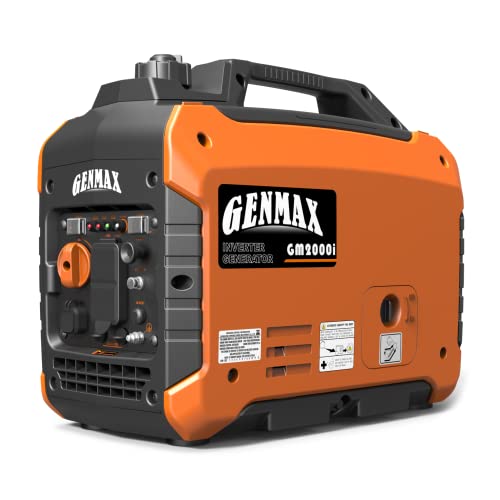
GENMAX Portable Generator GM2000i

Oxseryn 2800-Watts Portable Inverter Generator

PowerSmart 2500 Watt Portable Inverter Generator

Champion Power Equipment 4000-Watt Dual Fuel Portable Inverter Generator

Champion Power Equipment 2500-Watt Ultralight Portable Inverter Generator
More Details On Our Top Picks
Dual-fuel support gives you room to choose between gasoline and propane, which is handy for a cabin, an RV stop, or a garage stored setup. The RV-ready 30A outlet points to real travel use, while the CO sensor adds a layer of shutoff protection that matters in enclosed or semi-enclosed spaces. The trade-off is that this kind of flexibility usually adds a little complexity and weight.
Compared with the leaner AIVOLT and GENMAX options, this Westinghouse leans more toward all-purpose ownership than sheer portability. The honest read is that it suits someone who wants one generator to cover weekend travel and backup duty without stepping into a much larger class.
Strong Points
- Dual-fuel design gives you fuel flexibility during travel or outages.
- The RV-ready 30A outlet makes hookup simpler for camper use.
- CO sensing adds an important automatic shutoff layer for tighter spaces.
- Parallel capability lets you plan for more output later without replacing the unit.
Things To Consider
- Dual-fuel hardware can mean a busier setup than a single-fuel model.
- Larger feature sets often bring extra upkeep around fuel storage and line checks.
Feature Snapshot
Who It Suits Best
You suit this pick best when you want a flexible generator for RV weekends, backup tasks, and general home readiness.
A Better Fit Elsewhere
Champion Power Equipment 2500-Watt Ultralight Portable Inverter Generator suits you better when you care more about easy lifting than dual-fuel flexibility.
ERAYAK sits in a useful middle zone for someone who wants home backup without jumping to a heavier frame. The ECO mode matters because it usually helps a gas engine avoid unnecessary fuel use during lighter loads, which fits short outages and campsite power better than a loud all-out setup. One thing worth considering is that a 2400W class machine still asks you to think carefully about what runs at the same time.
Compared with the Westinghouse dual-fuel unit, this one looks simpler and more direct for households that want gasoline-only convenience. It also feels more practical than the AIVOLT for anyone who values a bit more output headroom over featherweight carry.
Upsides
- 2400W class output fits many small backup and camping jobs.
- ECO mode can help stretch fuel during lighter power demand.
- Gas-powered simplicity keeps the setup familiar for most owners.
- The compact format is easier to store in a garage or shed.
Room For Improvement
- Gas-only operation gives you less fuel flexibility than dual-fuel models.
- That output class still calls for load planning during outage use.
Details At A Glance
Who Will Love This
You fit this model well when you want a simple home-use generator for camping, backup lights, and small appliances.
Swap It Out When
Westinghouse 2550 Peak Watt Portable Inverter Generator suits you better when propane backup and RV-friendly hookups matter more.
The AIVOLT makes the strongest case for anyone who wants to carry less and still keep the basics powered. At 28 pounds, it sits in the kind of weight range that helps on solo setup days, and the stated 57 dBA noise level gives you a better sense of how it fits around campsites or a quiet patio. Pure sine wave output, meaning a smoother electrical waveform, matters for sensitive electronics, but the smaller 1260W running figure also sets a clear ceiling.
That ceiling is exactly why it sits below ERAYAK and Westinghouse for broader backup work. The honest read is that it shines for travel, light charging, and short-duration use where easy carrying matters more than powering a room full of appliances.
Bright Spots
- 28-pound build is easier to move than most higher-output picks.
- Pure sine wave output is friendlier to sensitive electronics.
- CO auto-shutoff adds a thoughtful safety layer for shared spaces.
- Eight-hour ECO mode supports lighter-duty sessions without constant refueling.
Minor Gripes
- Lower running output narrows the range of appliances you can use.
- Lightweight gear often rewards careful storage so fuel and panels stay tidy.
Core Details
The Right Fit
You fit this generator best when your priority is easy carrying for camping, tailgates, or light emergency charging.
Reach For A Different Pick When
GENMAX Portable Generator GM2000i suits you better when you want a 2000W class machine for broader household backup.
GENMAX stays close to the keyword target for a reason, because a 2000W class generator often hits the sweet spot between portability and useful household coverage. Eco mode helps the engine settle down under smaller draws, and that makes sense for backup lighting, phone charging, or a few essentials in a brief outage. Ultra-light framing usually helps storage and handling, though it rarely feels as roomy as bigger dual-fuel units.
Compared with the AIVOLT, this one gives you more practical headroom without jumping into a heavier class. It also keeps the approach simpler than the Westinghouse, which makes it appealing for someone who wants a straightforward backup machine rather than a feature-heavy travel system.
Positives
- 2000W class output fits a wide range of light backup tasks.
- Eco mode can make calmer running periods feel less wasteful.
- Ultra-light construction eases storage in tighter garages or sheds.
- Simple gasoline setup suits owners who want less fuel complexity.
Small Caveats
- Less output than the Oxseryn or Champion 4000W unit limits appliance mix.
- Simple builds are convenient, but they still need basic fuel care and dry storage.
Feature Rundown
Built With In Mind
You suit this model best when you want a plainspoken backup generator for home essentials and casual outdoor use.
Where A Sibling Pick Shines
PowerSmart 2500 Watt Portable Inverter Generator suits you better when parallel readiness matters more than staying close to 2000W.
Oxseryn steps up in output, and that extra headroom matters the moment your load list gets a little longer than lights and chargers. The 1.1-gallon tank and fuel shutoff feature point to a more deliberate ownership style, where you care about storage, transport, and shutting fuel flow down cleanly after use. At 39 pounds, it still stays portable, but the added capacity puts it closer to a serious home-backup mindset.
Compared with GENMAX, this model feels better suited to households that expect more from a portable unit. The trade-off is simple: more output and more tank capacity usually mean a bit more weight and more attention to storage.
Reasons To Buy
- 2800W class output gives you more room for mixed loads.
- Fuel shutoff is useful for cleaner shutdown and easier storage.
- 1.1-gallon tank supports a more practical runtime approach.
- 39-pound weight still keeps it within portable territory.
Areas To Watch
- More output usually brings a larger footprint than compact 2000W units.
- Heavier portable gear can feel less friendly on stairs or rough ground.
- Tank care and fuel stabilization matter more during longer storage periods.
Quick Facts
Whose Shelf It Belongs On
You fit this generator best when your backup plan includes more than just the basics.
Another Choice May Suit
ERAYAK 2400W Portable Inverter Generator suits you better when you want a simpler, lighter home-use setup.
PowerSmart earns attention because it folds several useful traits into a mid-size frame. Quiet technology, 59 dBA noise, parallel readiness, and a five-hour runtime claim give you a clearer picture of what a campsite or small backup setup might feel like in real use. At 39.7 pounds, it’s still manageable, though not exactly featherweight.
Compared with the simpler GENMAX, this model offers more flexibility for someone who may want to link units later. The honest read is that it fits a shopper who likes options and can live with a little more weight to get them.
Best Bits
- Parallel readiness gives you a path to more output later.
- 59 dBA noise level is helpful context for shared outdoor spaces.
- Five-hour runtime claim fits shorter sessions and scheduled use.
- Lightweight for its class, which helps during transport and storage.
Worth Noting
- Five hours is a modest runtime figure compared with longer-running units.
- Parallel-ready hardware is useful only when you plan to pair it.
At A Glance
Who Should Grab It
You fit this pick well when you want a flexible camping or backup generator with room to expand later.
Look Elsewhere When
Champion Power Equipment 4000-Watt Dual Fuel Portable Inverter Generator suits you better when bigger household loads are the point.
This Champion gives you a much bigger power ceiling than the 2000W-style models above, and that changes the ownership story right away. Dual-fuel support and RV readiness make it a serious step up for campers or households that want a generator to cover more than phones and lights. The trade-off is obvious, though, because more capability usually means more size and a less casual carry experience.
Compared with the Westinghouse dual-fuel pick, this one feels like the version you reach for when you’re willing to carry extra capacity for more comfortable load planning. It suits you best when the extra wattage is not a luxury, but a practical need.
What We Like
- 4000W class output gives you far more breathing room.
- Dual-fuel support adds flexibility for long storage or travel plans.
- RV-ready design makes camping use easier to organize.
- The bigger envelope helps handle mixed household loads more comfortably.
Points To Note
- Higher output usually comes with more weight and bulk.
- Dual-fuel ownership asks for more attention to fuel storage.
Key Specs
Right Fit For
You fit this generator best when RV use and stronger backup capacity both matter.
Where Shoppers Go Wrong
GENMAX Portable Generator GM2000i suits you better when you want a smaller, easier everyday backup unit.
This Champion leans hard into portability, and the 39.7-pound figure gives you a practical sense of why it lands here. The 53 dBA noise rating, 1850 running watts, and up to 11.5 hours of runtime create a very clear profile for light camping and steady overnight use. CO Shield auto shutoff and under 3% THD clean power add useful peace of mind for people powering electronics.
Compared with PowerSmart’s parallel-ready setup, this one feels more focused on straight carry-and-run convenience than future expansion. It makes the most sense for travel-first use, where an easy lift matters as much as the electrical output.
Highlights
- Ultralight framing makes transport easier for frequent movers.
- 53 dBA noise rating gives you a quieter reference point.
- Up to 11.5 hours of runtime supports longer stretches between refueling.
- Clean power under 3% THD is helpful for sensitive gear.
- CO Shield shutoff adds a useful automatic safety response.
Honest Caveats
- 1850 running watts is enough for light loads, not heavy household demand.
- Travel-focused design means you’ll still want to plan storage carefully.
Spec Overview
Perfect Match For
You suit this pick best when you want a lightweight generator for travel, camping, and modest backup tasks.
Another Choice May Suit
Champion Power Equipment 4000-Watt Dual Fuel Portable Inverter Generator suits you better when your load list is much larger.
How To Choose The Right 2000w Inverter Generators
Start With The Load You Actually Plan To Run
Inverter generators around 2000W tend to work best for essentials, not whole-home ambition. Think lights, phone charging, a modem, a small appliance, or a few campsite devices, then check the running watts and the extra surge demand that startup can create.
Surge wattage means the brief power burst some tools and appliances need at startup. A little margin matters, because a unit that looks fine on paper can feel cramped once a fridge compressor or microwave kicks in.
Noise And Carry Weight Shape Daily Use
Noise ratings in the low-50s or high-50s dBA often matter more than people expect, especially in campgrounds or close neighborhoods. Lower sound numbers usually make a generator easier to live with, though placement and load still affect how it feels nearby.
Weight matters just as much. A lighter frame helps with loading into a truck or moving across a yard, while heavier builds usually buy more output, a larger tank, or more hardware.
Fuel Setup Should Match Your Routine
Gas-only generators stay simple for storage and refueling, which suits most casual backup situations. Dual-fuel models bring more flexibility, especially during long outages or for people who already keep propane on hand.
That flexibility does add another layer of ownership, because you’ll think about fuel storage, hose connections, and shutdown steps more often. For many households, the simpler route is enough, and that’s not a weakness.
Look Past Wattage And Read The Whole Package
Parallel capability, RV-ready outlets, CO shutoff features, and eco modes each change how a generator fits your life. Parallel-ready units matter for people who may expand later, while CO sensors and auto shutoff features matter in enclosed or shared spaces.
The right choice feels almost tailored to your routine. A camping-first setup and a backup-first setup rarely want the exact same things, even when the wattage label looks close.
Things Worth Knowing First
Mistakes Worth Dodging
A common slip is choosing by peak wattage alone and forgetting about running watts. Another is ignoring outlet type, especially for RV use, where the wrong plug can create extra hassle.
Storage gets overlooked too. Portable generators still need dry space, clean fuel habits, and a little seasonal attention so they’re ready when you need them.
What The Higher Tier Buys
More expensive models usually bring dual-fuel support, stronger output, quieter operation, or more polished controls. You’re paying for flexibility and comfort as much as raw power.
That extra spend makes sense for RV trips, frequent outage prep, or homes that need more than one or two essentials running at once. For lighter weekend use, a simpler unit often keeps the math saner.
Frequently Asked Questions
What size load fits a 2000W inverter generator?
It usually fits essentials like lights, charging, a router, and select small appliances. The exact mix depends on starting surge and what else runs at the same time.
Are dual-fuel generators worth it?
They make sense when you want fuel flexibility or already keep propane available. A gas-only unit still works well for many homes and keeps setup simpler.
Does a lower dBA rating always mean quieter use?
It gives you a useful starting point, but placement and load affect real-world sound. A generator under light load usually feels calmer than the same unit pushed hard.
Why does CO shutoff matter on portable generators?
It adds a built-in response to unsafe exhaust buildup. That feature matters most in semi-enclosed areas and around sleeping spaces.
What makes an inverter generator different from a basic generator?
An inverter generator conditions its output more carefully, which helps with sensitive electronics. It also tends to run more quietly than older open-frame styles.
Closing Thoughts
The best choice depends on how you actually live with the unit, not just how the wattage line looks on a listing page. A lightweight model works well for travel, a dual-fuel pick adds flexibility, and a 2000W class generator often lands in the practical middle for backup use. The right match should feel easy to store, sensible to fuel, and calm enough to keep around without second-guessing it. Pick the one that fits your routine first, and the rest becomes much simpler.
