

You’re likely comparing these because you want steady backup power without the bulk and noise of a full-size contractor machine. That usually means camping trips, tailgate setups, small home backup needs, or a compact unit that’s easier to store and move around.
The list below focuses on range, portability, outlet options, fuel flexibility, and the details that matter once the generator leaves the product page. You’ll see where a lighter frame helps, where dual fuel adds flexibility, and where stepping up to a larger unit makes sense.
Quick Look At The Shortlist

Westinghouse 2550 Peak Watt Portable Inverter Generator

ERAYAK 2400W Portable Inverter Generator

AIVOLT 1600W Super Quiet Inverter Generator 28lbs
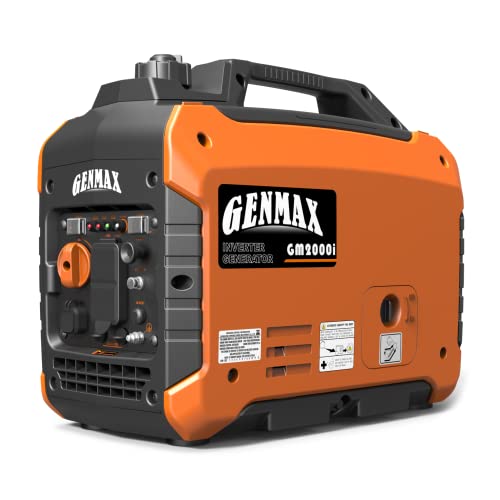
GENMAX Portable Generator GM2000i

Oxseryn 2800-Watts Portable Inverter Generator

PowerSmart 2500 Watt Portable Inverter Generator

Champion Power Equipment 4000-Watt Dual Fuel RV Ready Portable Inverter Generator

Champion Power Equipment 2500-Watt Ultralight Portable Inverter Generator
More Details On Our Top Picks
Westinghouse leans toward flexibility, which matters once you’re setting up power for a camper, patio, or backup corner of the house. The gas and propane setup gives you more than one fuel path, and the RV-ready 30A outlet makes it feel better matched to travel use than the lighter entries below.
The CO sensor is the sort of detail you want near living space, and the parallel-capable design leaves room to expand later. For most households, that combination feels more practical than chasing raw output alone, though the trade-off is that this isn’t the smallest carry in the group.
Strong Points
- Dual-fuel operation gives you fuel flexibility during a long outage or while camping away from a steady supply.
- The RV-ready 30A outlet helps you plug into travel setups without extra work.
- Parallel capability lets you plan for more output later instead of replacing the whole unit.
- The CO sensor adds an important safety-oriented layer for enclosed or semi-enclosed settings.
Things To Consider
- Dual-fuel setups usually bring a little more handling complexity than single-fuel models.
- It’s less carry-friendly than the smaller 1600W and 2000W picks in this list.
- Parallel features make the most sense only when you expect to grow your setup.
Feature Card
Who It Suits Best
You’re the right match here if you want a compact generator for RV use, weekend trips, and backup power with a little extra flexibility built in.
A Better Fit Elsewhere
Champion Power Equipment 4000-Watt Dual Fuel RV Ready Portable Inverter Generator suits households that want a bigger power cushion and dual-fuel convenience in one unit.
ERAYAK sits in the useful middle ground between the lighter travel machines and the larger, more demanding backup units. For a small home setup or a camper that only needs modest loads, that balance tends to matter more than chasing a bigger frame.
The ECO mode is the quiet practical detail here, because it helps the generator match output to load instead of working harder than necessary. The trade-off is straightforward, though, since the listing focuses on everyday power rather than bigger RV-style expansion.
What We Like
- 2400 watts gives you a comfortable step up from the smallest portable options.
- ECO mode helps the engine settle into lighter-demand situations.
- Gas power keeps it familiar for basic storage and refueling routines.
- It fits well in camping and emergency backup roles without feeling oversized.
Room For Improvement
- It does not bring the dual-fuel flexibility found on the Westinghouse pick.
- You may outgrow it faster than the 2800W Oxseryn or the 4000W Champion.
- Owners who want more travel-specific features may prefer the RV-ready models above.
Details At A Glance
The Right Fit
You’ll like this most for small-home backup, light camping setups, and general-use power where size matters as much as output.
Another Choice May Suit
GENMAX Portable Generator GM2000i is a cleaner fit for shoppers who want a true 2000W-class compact unit with a simpler footprint.
This AIVOLT is built for people who care more about carrying ease than headline output. At 28 pounds, it’s the kind of generator you’ll notice less during setup, especially on camping trips or around a small vehicle campsite.
The 57 dBA noise rating is a useful anchor for quieter environments, and the pure sine wave output matters for sensitive electronics because it delivers a smoother electrical shape than rougher power forms. The honest read is that the smaller 1600W class asks you to keep expectations modest, but that’s exactly why it stays so manageable.
Bright Spots
- At 28 pounds, it’s easier to move than the larger units in this roundup.
- Pure sine wave output supports electronics that prefer cleaner power.
- The 57 dBA rating points toward a calmer camp or backyard experience.
- ECO mode can stretch use better during lighter-demand periods.
Small Caveats
- 1260W running output keeps it in a smaller-use lane.
- It won’t suit households that want room to expand appliances later.
- Lightweight gear still needs sensible storage, especially in damp sheds or packed trunks.
Core Details
Who Will Love This
You’re the best match here if you want a light, quiet generator for short trips, small electronics, and easy transport.
Where A Sibling Pick Shines
GENMAX Portable Generator GM2000i makes more sense for you if you want a bit more output while keeping a compact footprint.
GENMAX lands in the sweet spot for a lot of everyday uses, because it keeps the focus on compact backup power instead of trying to do everything at once. That makes it easier to picture in a garage, on a campsite, or packed beside other emergency gear.
The Eco Mode function is the main convenience detail, since it helps the engine respond more sensibly to lighter electrical demand. Compared with the more feature-heavy Westinghouse unit, this one feels more stripped back, which can be a plus for anyone who wants less fuss.
Upsides
- 2000W class sizing fits common backup and camping needs cleanly.
- Ultra-quiet positioning makes it easier to live with near occupied spaces.
- The ultra-light build helps with storage and quick setup.
- Eco Mode can be helpful for routine, lower-demand use.
Worth Noting
- It does not offer the dual-fuel convenience found on the Westinghouse.
- Users who need more room to grow may prefer the 2500W or 2800W picks.
- Ultra-light gear still deserves careful handling during transport and storage.
At A Glance
Made For
You’re a good match here if you want a straightforward compact generator for apartment backup planning, camping, or occasional home use.
Look Elsewhere When
PowerSmart 2500 Watt Portable Inverter Generator suits you better if parallel readiness matters for future expansion.
Oxseryn pushes into a higher-output lane without jumping all the way into the larger Champion unit. That makes it a sensible middle step for home backup, especially when you want more headroom than the 2000W class but still want a portable frame.
The 1.1-gallon fuel tank and fuel shutoff feature suggest a setup aimed at cleaner shutdown routines and practical refueling habits. At 39 pounds, it’s still manageable, though you’ll feel the extra mass more than you would with the AIVOLT or GENMAX picks.
Plus Points
- 2800 watts gives you a stronger cushion for everyday backup needs.
- Fuel shutoff helps simplify shutdown and storage habits.
- The 1.1-gallon tank size keeps the footprint compact.
- At 39 pounds, it stays portable enough for moving around the yard or garage.
Areas To Watch
- It’s heavier than the smaller compact picks in this list.
- It doesn’t bring the dual-fuel flexibility of the Westinghouse or Champion models.
- Owners who want easier hand-carry convenience may prefer a lighter unit.
Spec Overview
Best Suited To
You’re in the right place here if you want a stronger backup generator for home use, weekend outages, and campsite power with extra breathing room.
Skip It When
Champion Power Equipment 2500-Watt Ultralight Portable Inverter Generator is the better match for you if every pound matters more than extra output.
PowerSmart is aimed at the shopper who wants a little more room to grow than the smallest compact models offer. Parallel readiness is the useful detail here, because it gives you a path to more output later instead of forcing a full replacement.
The 59 dBA rating, Eco mode, and 39.7-pound weight make this a pretty practical middle-ground machine for garage storage, weekend use, and emergency prep. The trade-off is that it’s not the lightest in the group, so carrying it often will still feel like carrying a real generator.
Best Bits
- Parallel ready, so you can scale output with a second compatible unit.
- Eco mode helps lower-demand use feel more efficient in practice.
- Clean power is a useful fit for electronics and household gear.
- Its 39.7-pound weight keeps it portable without feeling toy-like.
Honest Caveats
- It’s still heavier than the ultralight Champion model below.
- The 5-hour runtime claim signals a tighter operating window than longer-running rivals.
- Parallel-ready gear pays off most when you’re realistic about future expansion.
Feature Rundown
Who Should Grab It
You’re the right match here if you want a portable generator that can grow with your needs and still stay manageable for routine storage.
A Better Fit Elsewhere
GENMAX Portable Generator GM2000i suits you better if you want a simpler, smaller 2000W-class unit without parallel planning.
Champion’s bigger output and dual-fuel setup place it in a different lane from the compact 2000W options. For RV use, group camping, or home backup where you want more cushion, the extra headroom is the main story.
Quiet technology helps make the larger frame easier to live with, and RV readiness means it’s built with travel-oriented power in mind. The trade-off is plain enough, though, because a 4000W generator is more machine than a small weekend carry.
Reasons To Buy
- Dual-fuel operation gives you more flexibility in fuel planning.
- RV-ready design fits travel trailer use more naturally.
- 4000W class output gives you extra room for heavier loads.
- Quiet technology makes the larger format easier to live with in camp or driveway settings.
Points To Note
- It sits well above the 2000W class in size and power, so storage needs rise too.
- Less portable than the lighter models in this roundup.
- It makes sense most for people who will actually use the extra output.
Core Details
Built With In Mind
You’re the right match here if your backup needs are larger than basic campsite use and you want a generator that can handle travel plus home support.
Reach For A Different Pick When
Westinghouse 2550 Peak Watt Portable Inverter Generator is the better fit for you if dual fuel matters but you want a smaller, lighter frame.
This Champion leans hard into portability, and that’s the point. At 39.7 pounds with an ultralight pitch, it’s designed for people who move gear in and out of vehicles often, not for people who want a stationary backup block.
The 53 dBA noise level, 1850 running watts, and up to 11.5 hours of runtime create a tidy use profile for campsites and lighter home loads. CO Shield auto shutoff and clean power under 3% THD round out the package, though the smaller running output means you’ll still need to watch your load carefully.
Positives
- The lighter carry style suits frequent loading and unloading.
- 53 dBA is a useful fit for quieter camping setups.
- 1850 running watts handle lighter home and outdoor power needs well.
- Up to 11.5 hours of runtime helps for long stretches between refills.
- Clean power under 3% THD supports sensitive electronics better than rougher output.
Room For Improvement
- It stays in a lighter-duty power lane than the 2500W and 4000W units.
- You’ll need to manage appliance load carefully because of the smaller running watt figure.
- Its strengths are strongest when portability matters more than raw output.
Technical Sheet
Whose Shelf It Belongs On
You’re the right fit here if you need a lighter portable generator for camping, tailgates, and modest backup duty.
Swap It Out When
PowerSmart 2500 Watt Portable Inverter Generator is the better pick if you want more output and parallel readiness in the same general size class.
How To Choose The Right 2000 Watt Inverter Generators
Start With The Loads You Actually Run
Your first job is matching output to the things you plan to power, not the biggest number you can find. A compact inverter generator around the 2000W class suits lights, small appliances, chargers, and lighter campsite equipment, while bigger draws push you toward the 2500W, 2800W, or 4000W options above.
Running watts matter because they describe what the unit can support while it’s operating, not just the peak moment at startup. That matters in a real garage or campsite, where you want steady power instead of a machine that sounds promising on paper and feels cramped in use.
Portability And Noise Shape Daily Use
Weight changes how often you’ll move the generator, store it, and actually pull it out. The AIVOLT and Champion ultralight models are easier on your back, while heavier picks make more sense when the generator stays close to home or rolls on a flat path.
Noise level also changes how comfortable the setup feels around neighbors, tents, or a patio dinner. A quieter unit won’t erase sound, but it can make a big difference in how often you’re willing to run it after dark.
Fuel Options And Runtime Need Honest Attention
Single-fuel gas models are straightforward, which suits casual ownership and simple refueling habits. Dual-fuel units like the Westinghouse and Champion give you another path during supply interruptions, though that flexibility usually comes with more complexity and a bit more bulk.
Runtime deserves the same practical reading. Longer runtimes help during outages and overnight use, but the real value depends on how much power you’re drawing, so think in terms of your routine instead of a headline number alone.
Expandable Power Is A Future-Proofing Choice
Parallel capability matters most when you expect your needs to grow. It lets you pair compatible units for more output, which can be smarter than buying too much generator on day one.
That path fits homeowners who start with modest backup and later add more appliances, or campers who want to keep one smaller unit now and expand later. It’s a practical kind of insurance, though it only pays off when you genuinely plan to scale.
Things Worth Knowing First
Common Shopping Slip Ups
Many people start with wattage and stop there, which is how they end up with a generator that looks fine but feels undersized for startup loads. It also helps to avoid ignoring outlet types, because RV-ready and parallel-ready features only matter when they match your actual setup.
Another easy miss is portability. A heavier machine can be fine for a garage, but it’s a chore for frequent camping use, and that mismatch gets old quickly.
The Upgrade Payoff
Higher-tier models usually cost more because they give you more than raw output. Dual fuel, cleaner power, quieter operation, longer runtime, and better expansion options all raise the value, and they also add parts and design work behind the scenes.
The upgrade makes sense when your use is frequent or varied. A weekend camper who needs light, quiet power may stay happy with a compact model, while a household planning for outages often benefits from the extra cushion.
Frequently Asked Questions
What size generator is a 2000 watt inverter generator good for?
It suits lighter backup loads, small appliances, lights, and camping gear. It also works well when you want portability more than high output.
Can a 2000 watt inverter generator run a refrigerator?
Sometimes, depending on the fridge’s startup demand and the generator’s surge capacity. You need to compare the appliance load with the generator’s working and peak output.
Why do inverter generators matter for electronics?
Inverter units create cleaner, steadier power than basic portable generators. That cleaner output is useful for phones, laptops, and other sensitive devices.
Is dual fuel better than gas only?
Dual fuel gives you more flexibility during storage or supply planning. Gas-only units are usually simpler, so the better choice depends on how much convenience you want versus how much complexity you’ll accept.
What matters more, weight or runtime?
Both matter, but they solve different problems. Weight affects how often you’ll move the generator, while runtime affects how often you’ll refuel during use.
Closing Thoughts
Your best match depends on how you’ll actually use the generator, not on the biggest number in the title. For RV and home flexibility, Westinghouse and Champion stand out in different ways, while GENMAX and AIVOLT make more sense for lighter, simpler setups. PowerSmart and Oxseryn fill the middle with upgrade room, and that can be the smarter move for growing needs. Pick the unit that fits your space, your load, and how often you’ll carry it, and the rest becomes much easier.
