

I spend a lot of time thinking about how vans, campers, and small off-grid cabins actually get their power, and a 200W panel is the sweet spot for anyone running a fridge, lights, and a fan without a generator. The trick is matching the panel’s cell type, mounting style, and weather tolerance to your real routine, not just the number on the spec sheet. I’ve gone through seven options that cover the common setups: rooftop permanent installs, portable take-along chargers, and shade-tolerant kits, so you can skip the trial-and-error and pick one that fits your travel style.
The Leading Options At A Glance

Callsun N-Type 16BB 400W Bifacial Solar Panel 2-Pack

ECO-WORTHY 200 Watt 12V/24V Solar Panel Kit
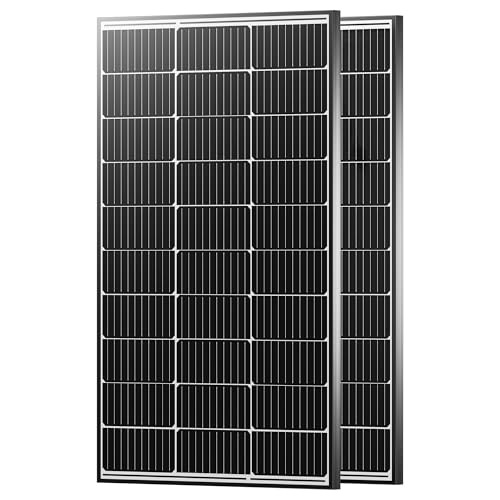
JJN 200 Watt 12V Solar Panel 2-Pack

TWELSEAVAN 200W Foldable Solar Panel Charger

TWELSEAVAN 500W Portable Solar Panel HPBC

TWELSEAVAN 250W Portable Solar Panel HPBC

BougeRV 200W Anti-Shading N-Type Solar Panel
The Details Behind The Selections
This set arrives as two rigid 200W panels wired together for a 400W total, and the bifacial design (meaning the back face also gathers reflected light) is what separates it from most fixed rooftop options. N-type cells (a newer silicon structure that loses less energy as heat than older P-type cells) push the conversion efficiency up to 25.6%, which I read as roughly two to four percentage points above older monocrystalline panels in the same class.
Compared to the ECO-WORTHY kit further down, this one skips the charge controller entirely, so it’s aimed at people who already know their wiring or want to pair it with an MPPT controller (a “maximum power point tracking” device that squeezes more energy from the panel than simpler PWM units). It fits a 12V or 24V battery bank, and the dual-module parallel wiring is built to keep producing when one panel sits in partial shade.
The Value In It
- 25.6% conversion efficiency from N-type cells with 16BB busbars (the thin metal fingers that collect current from the cell surface) ranks among the highest in this category.
- Bifacial back face captures reflected light, adding usable wattage when mounted with airflow underneath on a van or boat deck.
- Dual-module parallel design limits how much shade kills total output, which matters under tree cover or antenna shadows.
- Solid choice for permanent rooftop installs where the panels stay put for years.
Things To Consider
- No charge controller in the box, so first-timers need to budget for one separately.
- Rigid aluminum-framed panels add weight, which is worth noting for lighter vans with strict roof-load limits.
- You’ll commonly need MC4 adapters or extra cabling depending on your existing setup.
Feature Snapshot
Built With In Mind
Full-time van lifers and off-grid cabin owners who want maximum output per square foot and don’t mind sourcing a charge controller separately.
Look Elsewhere When
The TWELSEAVAN 500W Portable Solar Panel is a better match if you want a single high-wattage portable unit rather than two fixed rooftop panels.
The ECO-WORTHY kit ships with everything needed for a first install: one 200W monocrystalline panel, a 30A PWM charge controller (a simpler, lower-cost controller that regulates voltage by switching the panel on and off), and the basic mounting hardware. It’s the route I’d suggest for someone wiring up a small camper or shed for the first time, where the learning curve is steep enough without also picking a separate controller.
The panel itself uses monocrystalline cells (single-crystal silicon, the most efficient common cell type) rated around 21.5% efficiency, which trails the N-type options in this list but still produces solid daily output in full sun. It works on either 12V or 24V battery banks, and the kit is genuinely plug-and-play for modest loads like LED lighting, phone charging, and a small fridge.
A Few Strong Suits
- Complete kit including charge controller means fewer extra parts to source.
- Works for RVs, campers, boats, golf carts, and small sheds without modification.
- PWM controller is simpler to wire and troubleshoot than MPPT alternatives.
- Good match for anyone who wants one panel, not a multi-panel array.
Points To Note
- 21.5% efficiency is solid but below the N-type and HPBC options in this roundup.
- PWM controllers waste potential energy compared to MPPT in colder or cloudier conditions.
Who It Suits Best
First-time solar shoppers building a basic RV or cabin system and who want one box that covers the essentials.
A Better Fit Elsewhere
The Callsun N-Type 16BB 400W Bifacial 2-Pack suits full-time travelers who already own an MPPT controller and want higher efficiency panels.
JJN’s 2-pack delivers two 100W panels (sold as a 200W kit) using Grade A+ monocrystalline cells with a 10BB busbar layout, reaching about 23% efficiency. That’s a meaningful step up from the ECO-WORTHY kit in efficiency per panel, and the split into two smaller panels makes it easier to fit on irregular rooftops where a single rigid 200W panel won’t fit cleanly.
It’s a panel-only kit, so you’ll still need a controller, which gives you the freedom to choose MPPT over PWM if your battery bank warrants it. For anyone running a mid-sized van fridge and a few accessories, this 2-pack produces a comfortable daily reserve without overshooting their roof space.
Bright Spots
- 23% efficiency lands between ECO-WORTHY and the top N-type options.
- Two smaller panels offer more flexible rooftop layouts than one large rigid unit.
- Rigorous EL testing (electroluminescence inspection, a method that spots hidden cell cracks before shipping) helps ensure no microcracks reach the customer.
- Suits RVs, boats, and small off-grid homes without major rewiring.
Honest Caveats
- Charge controller sold separately, which adds to the total install cost.
- Two-panel wiring takes slightly more roof planning than a single-panel kit.
Made For
DIY van builders and small-home off-gridders who want solid efficiency without paying for premium N-type cell upgrades.
Consider Something Else When
The BougeRV 200 Watt Anti-Shading Solar Panel makes more sense if you often park under partial tree cover and need better shade tolerance.
Unlike the rigid rooftop panels earlier in this list, TWELSEAVAN’s 200W is a foldable unit with an ETFE-laminated surface (a durable fluorine-based coating that resists UV and scratches better than older PET laminates) that reaches 24% conversion efficiency. It folds down to roughly the size of a suitcase, which makes it the right call for travelers who don’t want to drill into their van roof or who chase sunny clearings at camp.
What sets it apart from most portable solar panels is the built-in output variety: MC4 connectors for power stations, plus QC3.0 and Type-C 60W ports for direct device charging. The IP65 rating means it shrugs off rain and dust, though it’s worth keeping the junction box out of standing water.
The Helpful Details
- 24% efficiency is high for a portable, foldable form factor.
- Built-in USB ports mean you can charge a phone or laptop without the power station.
- Foldable design fits in a car trunk or van storage without roof mounting.
- IP65 water resistance handles unexpected rain at camp.
Practical Considerations
- Portable output is weather-dependent; cloudy days cut real-world harvest sharply.
- You’ll want to angle the panel toward the sun manually for best results.
- Folding panels can develop creak or hinge wear after years of regular travel.
Quick Facts
Right Fit For
Campers, overlanders, and renters who can’t drill into a roof and need a panel that travels with them.
Swap It Out When
The TWELSEAVAN 500W Portable Solar Panel makes more sense if you run a larger battery bank and want higher total wattage in the same portable form.
Stepping up from the 200W portable, TWELSEAVAN’s 500W uses HPBC cells (a back-contact cell design that moves all electrical contacts to the rear of the cell, leaving more surface area to absorb light) hitting 25% efficiency and a 42V high-voltage output. That high voltage is what makes it pair cleanly with the larger MPPT charge controllers and big lithium battery banks found in serious off-grid rigs.
In real-world terms, owners commonly find it pulls roughly 10% of rated output even in low-light conditions like dawn, dusk, or thin cloud cover. For anyone running a 2,000Wh-plus battery bank, that headroom matters more than chasing peak numbers in midday sun.
Real-World Strengths
- 25% HPBC efficiency holds its own against the best rigid panels in this list.
- 42V high-voltage design matches high-end MPPT controllers and large battery banks.
- Stable low-light output helps in shoulder seasons or shaded campsites.
- Portable format means no roof drilling for full-time RVers.
Some Limits To Know
- Larger fold-out size than the 200W portable, so storage space matters.
- Requires an MPPT controller and high-voltage-compatible battery setup to use safely.
Best Suited To
Full-time RVers and serious off-grid households with lithium battery banks and high-voltage MPPT controllers already installed.
Reach For A Different Pick When
The TWELSEAVAN 200W Foldable Solar Panel Charger is a better fit if you only need basic charging and don’t want the heavier, bulkier 500W form.
The 250W sits between TWELSEAVAN’s 200W and 500W portables, and it carries the same HPBC cells at 25.8% efficiency with an ETFE-laminated face. For travelers who find the 200W too small but the 500W too bulky, this middle option is the one I’d look at first.
The standout spec is IP68 water resistance, which goes beyond the IP65 rating on the smaller 200W portable and handles heavy rain or seaside spray more confidently. It also claims strong output at dawn, dusk, and under thin cloud, which lines up with what HPBC cells are designed to do.
Everyday Advantages
- 25.8% efficiency is among the highest in this roundup’s portable class.
- IP68 rating handles prolonged rain and sea spray without worry.
- Steady low-light output means longer harvesting windows around camp.
- Middle-ground size balances portability and output for most rigs.
A Few Limitations
- Higher price tier than basic 200W options.
- Still benefits from a compatible MPPT controller to use the full voltage range.
Feature Rundown
Whose Shelf It Belongs On
Travelers and van lifers who face mixed weather and want a portable panel that won’t flinch at sustained rain.
Where A Sibling Pick Shines
The BougeRV 200 Watt Anti-Shading Solar Panel is a smarter pick if you regularly park under partial tree shade and need maximum diode-based shade tolerance.
BougeRV’s 200W leans into a problem most other panels ignore: partial shade. With 24 bypass diodes (small electronic switches inside the panel that route current around shaded cell groups instead of killing the whole panel’s output) and an N-type 16BB layout at 25% efficiency, it keeps producing when a branch, vent, or rooftop box shadows part of the surface.
For campers parked under oak trees or urban dwellers dealing with building shadows, that diode count is the meaningful upgrade over a basic 200W panel. It works on 12V and 24V systems and uses round ribbon wiring (curved conductors that capture slightly more reflected light than flat ribbons) to nudge output a bit higher.
Key Advantages
- 24 bypass diodes handle partial shade far better than most 200W panels.
- 25% N-type efficiency lands near the top of this roundup.
- Round ribbon design adds marginal output over standard flat ribbons.
- 12V and 24V compatibility covers most RV and cabin battery banks.
Where It May Fall Short
- Rigid panel format requires permanent or semi-permanent mounting.
- Charge controller not included, so add that to your total budget.
Perfect Match For
Forest campers, urban van dwellers, and anyone whose parking spot rarely gets full, unobstructed sun.
Not Your Match When
The TWELSEAVAN 200W Foldable Solar Panel Charger fits better for renters or travelers who need a non-permanent, portable charging solution.
What To Weigh Before Picking 200 Watt Rv Solar Panels
Cell Type And Real-World Efficiency
The numbers you’ll see most often (21% to 26%) describe how much sunlight the panel converts into electricity, and the gap matters in tight roof spaces. Older P-type monocrystalline panels (the conventional silicon cells used for years) usually land around 21%, while N-type and HPBC cells push past 25% in the products above. For someone working with a small van roof, that efficiency gap can mean an extra 30 to 60 watts per panel in the same footprint.
Mounting Style: Permanent Vs Portable
Rigid aluminum-framed panels like the Callsun and BougeRV options here work best for permanent installs where the roof is dedicated to solar. Foldable panels like the TWELSEAVAN portables suit renters, overlanders, and anyone who changes parking spots often. Decide based on how often you’ll move the rig and whether you’re allowed to drill into the roof surface.
Shade Tolerance And Weather Rating
Partial shade is the silent killer of solar output, and bypass diode count is what separates panels that survive a leafy campsite from those that don’t. The BougeRV panel in this list specifically addresses this with 24 diodes. Weather ratings matter too: IP65 handles rain, while IP68 (on the TWELSEAVAN 250W) handles heavier downpours and sea spray.
Charge Controller And Battery Pairing
A PWM controller (the simpler, cheaper option in the ECO-WORTHY kit) works fine for small loads and warm climates. An MPPT controller extracts more energy in cold or cloudy conditions and is required for higher-voltage panels like the 500W TWELSEAVAN. Match the controller and battery chemistry (lithium vs lead-acid) to the panel’s voltage and current specs before committing.
Key Considerations Across These Picks
Pitfalls Shoppers Hit
Buying a panel without checking your existing charge controller’s voltage range is one of the most common missteps. Higher-voltage HPBC panels need MPPT controllers that can accept 42V input, and a PWM unit will silently waste half their potential. Another frequent trap is underestimating roof weight: two rigid aluminum-framed 200W panels add noticeable load to a small camper roof, so check the rated capacity before mounting.
Where The Extra Money Goes
The price gap between a basic 200W kit and a premium N-type or HPBC panel mostly buys better cell efficiency, more bypass diodes, and stronger weatherproofing. For someone parked in full sun with a basic battery, the budget tier makes sense. For mixed conditions, partial shade, or larger battery banks, the upgrade usually pays back in usable daily wattage within a season or two.
Frequently Asked Questions
How many batteries can a 200 watt solar panel charge?
A 200W panel produces roughly 800 to 1,000Wh per day in good sun, which is enough to refill a 100Ah lithium battery from around half-empty in a single clear day. Larger battery banks will need additional panels or partial state-of-charge cycling.
Can a 200W solar panel run an RV air conditioner?
A 200W panel alone won’t sustain a rooftop RV AC, which typically draws 1,500W or more when running. It’s useful for keeping the batteries topped up so a small inverter can power fans, lights, and electronics, but not for continuous heavy loads.
What’s the difference between N-type and P-type solar cells?
N-type cells use a different silicon structure that loses less energy to heat and degrades more slowly than older P-type cells. In real-world output, that translates to higher efficiency ratings and slightly better performance in warm conditions.
Do foldable solar panels last as long as rigid ones?
Foldable panels typically last 5 to 10 years with regular use, while rigid aluminum-framed panels often reach 15 to 25 years. The lifespan difference comes from hinge wear, surface scratching, and connector fatigue on portables.
Do I need an MPPT controller or is PWM enough?
PWM controllers work for basic setups with 12V panels and warm climates, but MPPT controllers pull noticeably more energy from higher-voltage panels and in cold or cloudy conditions. If you’re investing in N-type or HPBC cells, pair them with MPPT to get the rated output.
Bottom Line
The right 200W RV solar panel depends entirely on how and where you camp. Rooftop dwellers who want the highest efficiency should look at the Callsun or BougeRV options, while travelers who need flexibility will get more use from the TWELSEAVAN portables. Match the panel to your roof, your controller, and your parking habits, and the rest of the system tends to fall into place.
