

A good 12v setup can keep a cabin light on, a fish finder steady, or a trail camera running without constant fuss. The hard part is sorting compact batteries, heavier AGM units, and larger-capacity lithium packs without overbuying for your actual use case. This roundup focuses on fit, capacity, maintenance, and the kind of day-to-day ownership details that matter once the box is open.
Quick Look At Our Shortlist

HME Trail Camera 12V Solar Auxiliary Power Pack

12V 150Ah Max LiFePO4 Battery

ECO-WORTHY 12V 20Ah LiFePO4 Lithium Battery

ECO-WORTHY 12V 100AH LiFePO4 Lithium Battery with Bluetooth
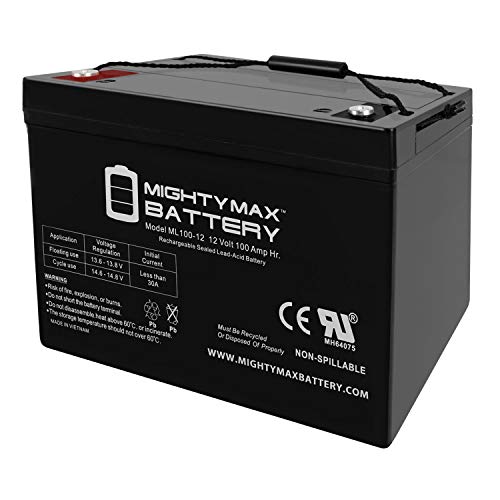
ML100-12 12 Volt 100 AH Rechargeable SLA AGM Battery

WEIZE 12V 100Ah Deep Cycle Battery Group Size 31

12V 300Ah LiFePO4 Battery 3840Wh Lithium Battery with 200A BMS

SEFEPODER 12V 20Ah Lithium LiFePO4 Deep Cycle Battery 2 Pack
More Details On Our Top Picks
Trail camera power is usually about consistency, not drama, and this HME pack is built around that idea. The weather-resistant housing makes more sense than shiny styling, especially for a setup that lives outdoors through changing seasons. Easy installation also helps when you want a quick mount instead of a long afternoon in the field.
Compared with larger lithium options later in the list, this one is much more about supporting a narrow task than feeding a whole camp. That makes it a sensible choice for hunters or land managers who want a tidy auxiliary power solution and do not need a large storage bank. The honest read is that its strength is fit, not versatility.
What We Like
- Weather-resistant housing suits outdoor placement.
- Simple setup keeps installation straightforward.
- Compact format works well near trail cameras.
Things To Consider
- Single-purpose design limits broader use.
- It does not aim at high-capacity storage jobs.
Feature Snapshot
Who It Suits Best
Landowners, hunters, and trail-camera users needing simple auxiliary power will get the most from it.
Where A Sibling Pick Shines
RVers and off-grid setups should look at the ECO-WORTHY 12V 100AH LiFePO4 Lithium Battery with Bluetooth, since it handles broader house-power tasks far better.
Capacity is the story here. A 150Ah LiFePO4 pack gives you a much larger buffer than the smaller ECO-WORTHY 20Ah option, so it fits solar sheds, RV banks, and off-grid systems where longer run time matters. IP65 water resistance also helps for installations where dust and splashes are part of normal life.
Low-temperature protection is a meaningful detail for colder garages or shoulder-season camping, because lithium packs can be less comfortable in chilly conditions. The trade-off is size and cost, since a battery this large asks for more planning in mounting and wiring. For a household or rig that needs serious stored energy, the balance is strong.
Reasons To Buy
- Large 150Ah capacity supports longer runtimes.
- IP65 sealing adds confidence in damp spaces.
- Low-temp protection fits cooler climates.
- LiFePO4 chemistry keeps weight lower than many lead-acid packs.
Small Caveats
- Physical size asks for a careful fit check.
- Best results come with a system designed around lithium charging.
Core Details
Built With In Mind
Campers, RV owners, and off-grid households needing higher-capacity storage will get the best fit here.
A Better Fit Elsewhere
Portable electronics and small sensor rigs are easier to handle with the ECO-WORTHY 12V 20Ah LiFePO4 Lithium Battery, which is simpler to place and easier to carry.
This is the sort of battery that makes sense when space matters more than raw storage. For fish finders, ham radios, solar test rigs, and weekend camping gear, 20Ah keeps the footprint manageable without turning the setup into a bulky project. Built-in BMS support matters here, because it helps the pack manage charge and discharge behavior in everyday use.
Compared with the 150Ah and 300Ah entries above, you trade long runtime for easier handling and simpler placement. That trade-off suits portable electronics and smaller off-grid systems better than a full cabin bank. A mild note: you may find the shorter runtime limiting for heavier loads, but that is the price of compact convenience.
Upsides
- Small size fits cramped enclosures.
- Built-in BMS supports safer day-to-day battery management.
- Good match for light, portable power needs.
- Easier to move than larger house batteries.
Areas To Watch
- Shorter runtime than bigger-capacity packs.
- Less suited to heavy appliance loads.
Feature Rundown
Right Fit For
Boat electronics, portable radios, and camping kits that need compact, movable power will suit it well.
Swap It Out When
The WEIZE 12V 100Ah Deep Cycle Battery Group Size 31 makes more sense for cabin or RV use where runtime matters more than size.
Bluetooth changes the ownership experience in a quiet but useful way. Instead of guessing at battery status, you can check voltage, current, and capacity from a phone, which helps during fishing trips, RV stops, or home backup routines. The Group 24 sizing note also matters, because it gives you a familiar footprint for many common compartments.
Compared with the simpler ML100-12 AGM pack, this one asks for less manual guesswork and offers a more modern lithium profile. It also supports 4P2S arrangements, so you can scale a bank for more demand without starting from scratch. One thing worth considering, though, is that app-based monitoring only helps when you actually want that level of detail.
Bright Spots
- Bluetooth monitoring shows live battery status.
- Group 24 format helps with common fitment.
- Scaling support suits custom battery banks.
- Low-temperature cutoff adds another layer of practical protection.
Honest Caveats
- Bluetooth features add complexity you may not need.
- System expansion works best with careful planning.
Details At A Glance
The Right Fit
Tech-friendly RV owners, anglers, and off-grid setups that benefit from live battery monitoring will appreciate it most.
Look Elsewhere When
The ML100-12 12 Volt 100 AH Rechargeable SLA AGM Battery makes more sense for a simpler setup that does not need app monitoring.
AGM, short for absorbed glass mat, is the classic low-fuss battery style for many backup and utility jobs. That matters here because the ML100-12 keeps things straightforward: a 12V, 100Ah format with internal-thread terminals for a cleaner connection setup in a stationary install. For sheds, basic solar storage, or older equipment, that familiarity can be more useful than extra app features.
Compared with the lithium picks, you give up the lighter weight and newer battery chemistry, but you also get a format many setups already understand. The honest read is that it suits steady-duty use best, especially where the rest of the system already expects AGM behavior. It’s a sensible fit for someone who prefers plain hardware over extra layers of monitoring.
Best Bits
- AGM format keeps the setup familiar.
- 100Ah capacity suits steady backup use.
- Internal-thread terminals support tidy wiring.
- Works well in basic stationary power systems.
Worth Noting
- Heavier and less modern than lithium options.
- Doesn’t bring app-based monitoring or smart features.
Quick Facts
Whose Shelf It Belongs On
Homeowners and tinkerers who want a plain AGM battery for fixed equipment will feel at home with it.
Another Choice May Suit
The ECO-WORTHY 12V 100AH LiFePO4 Lithium Battery with Bluetooth is the better fit for anyone who wants lighter weight and phone-based monitoring.
Group Size 31 is a useful clue here, because it tells you the battery is aimed at a common, practical footprint for RV, cabin, and marine installs. The 100Ah capacity keeps it in the familiar middle ground, while the 1150A max discharge current gives it more punch for demanding starts or bursts than the lighter picks in this list. A 3% self-discharge rate also supports storage between trips.
That mix makes it a strong all-around choice for setups that see regular use but still need a battery that can sit for a while without immediate concern. Compared with the ML100-12 AGM, it feels more tuned for deep-cycle convenience in travel and off-grid settings. One caveat: non-returnable shipping rules matter, so getting the fit and application right before ordering is especially important.
Standout Traits
- Group Size 31 helps with common fitment.
- 100Ah capacity suits regular off-grid use.
- 1150A max discharge adds useful burst capability.
- Low self-discharge helps between trips.
Points To Note
- Shipping restrictions make careful planning worthwhile.
- Best results come with the right compartment space.
Feature Card
Best Suited To
Campers, cabin owners, and marine setups that need a practical deep-cycle battery with broad compatibility will get the most from it.
Reach For A Different Pick When
The ECO-WORTHY 12V 100AH LiFePO4 Lithium Battery with Bluetooth is the smarter choice for anyone who wants app-based battery monitoring.
Among the higher-capacity entries, this one stands out for plain storage volume. A 300Ah LiFePO4 battery with 3840Wh capacity gives you room for longer off-grid stretches, larger RV loads, or a home energy bank that needs more breathing space between charges. The 200A BMS also signals a stronger control layer for heavier demand.
Compared with the 150Ah dumfume battery, it pushes harder into large-system territory and asks for more installation planning. That bigger footprint is the trade-off, and it’s worth accepting only when your usage really calls for the extra reserve. For cabins, trolling motors, and substantial solar banks, the scale makes sense.
Positives
- 300Ah capacity supports long runtime.
- 3840Wh storage suits larger electrical loads.
- 200A BMS helps with high-demand operation.
- LiFePO4 chemistry keeps the package modern and practical.
Minor Gripes
- Large capacity asks for careful mounting space.
- Overkill for smaller portable jobs.
Core Details
Perfect Match For
Heavy RV use, home backup planning, and larger solar banks are the natural home for this battery.
Where A Sibling Pick Shines
The WEIZE 12V 100Ah Deep Cycle Battery Group Size 31 is easier to live with for smaller cabins or travel setups that do not need such a large reserve.
The two-pack layout is the main draw here, because it gives you more flexibility than a single small battery. That matters for scooters, lighting, ride-on toys, and fish finder setups where you may want a pair of identical batteries rather than one oversized unit. The 40A BMS also keeps the pack aimed at modest, everyday power needs.
Compared with the ECO-WORTHY 20Ah single battery, this option suits setups that benefit from having two units ready to deploy. A practical upside is easier spacing and replacement planning, while the trade-off is that you still need to match the batteries to the load carefully. For light electronics and small mobility gear, it keeps things tidy.
Best Bits
- Two-pack format adds flexibility.
- 20Ah size suits compact power jobs.
- 40A BMS supports modest demand.
- Good match for light mobility and electronics.
Room For Improvement
- Small capacity limits longer run times.
- Pair setup works best with balanced use.
Technical Sheet
Who Should Grab It
Shoppers building small solar kits, toy power systems, or compact electronics setups will find the format useful.
Skip It When
The 12V 150Ah Max LiFePO4 Battery is the better fit for anyone who needs far more stored energy in a single pack.
How To Choose The Right 12v Solar Battery
Match Capacity To The Real Load
Amp-hours, or Ah, tell you how much charge a battery can hold over time. A 20Ah pack works for lighter electronics, while 100Ah and above starts fitting RVs, cabins, and solar storage that needs more staying power.
Pick The Chemistry That Fits Your Routine
LiFePO4, short for lithium iron phosphate, is the modern lithium style in this roundup. It usually suits people who want lighter weight, longer service life on paper, and cleaner monitoring options, while AGM remains a familiar choice for straightforward backup use.
Check Physical Fit Before Anything Else
Group size, terminal style, and mounting space matter more than many shoppers expect. A Group 24 or Group 31 battery can save you from awkward cable runs, while a terminal layout like internal-thread posts can make installation cleaner in a fixed bay.
Think About Temperature And Monitoring
Low-temperature protection matters in cool garages, mountain camps, and shoulder-season travel. Bluetooth monitoring helps too, especially when you want a phone readout instead of opening a compartment just to check voltage and capacity.
What To Weigh Before You Buy
Common Shopping Slip Ups
Many people focus on capacity alone and ignore physical size or terminal layout. That shortcut often causes fit issues, especially in tight battery trays or older equipment with fixed cable routing.
Another common miss is assuming every 12V battery behaves the same under cold weather or heavy draw. A lithium pack with low-temp protection, or a battery with a BMS, can be a better match for real use than a plain capacity number suggests.
The Upgrade Payoff
Higher-tier models usually cost more because they add monitoring, stronger battery management, bigger capacity, or better weather protection. Those extras matter most in RVs, off-grid cabins, marine setups, and any system where downtime is a headache.
The upgrade is worth it when your setup runs often, carries valuable equipment, or needs cleaner status checks. For simple backup or light portable power, a plain AGM or smaller LiFePO4 pack often makes more sense than paying for features you won’t use.
Frequently Asked Questions
What does 12V mean in solar batteries?
A 12V battery is designed to work with common low-voltage solar and backup systems. That makes it a familiar match for RVs, small cabins, boats, and portable power setups.
Is LiFePO4 better than AGM?
LiFePO4 usually makes more sense for lighter weight, deeper use, and easier monitoring options. AGM still works well for straightforward installations where you want a familiar format.
How much capacity do you need?
Small devices can work with 20Ah, while mid-size systems often land around 100Ah. Larger homes, RVs, and off-grid banks often need more than that.
Does Bluetooth monitoring matter?
Bluetooth matters most when you want quick status checks from your phone. It’s especially helpful in travel rigs or outdoor setups where opening the battery compartment is inconvenient.
What is a BMS?
BMS means battery management system. It helps coordinate charging and discharge behavior, which matters a lot in lithium batteries used for solar and off-grid power.
Closing Thoughts
The right 12v solar battery depends less on hype and more on how your setup actually lives. A trail camera pack, a compact 20Ah lithium unit, and a 300Ah storage battery each solve a very different problem, and that’s the point. Match capacity, chemistry, and fit to the job in front of you, and the result feels calmer from the start. Choose for the system you have, not the one you wish you had.
