

Picking a 12V rechargeable battery pack rarely feels exciting, until your router dies mid-meeting or your garage door refuses to lift on a cold morning. I think of these packs as quiet workhorses: small boxes that keep cameras rolling, fish lights glowing, and alarm panels humming through outages. The trick is matching the chemistry and capacity to what you’re actually powering. Lithium packs trade higher output for shorter runtimes, while sealed lead acid batteries (SLA) deliver deeper reserves at a slower pace. Across these six options, I focused on build quality, real-world capacity, and how each one handles the small frustrations that show up after a few months of ownership.
The Picks In Brief

rapthor 12V 2600mAh Rechargeable Li-ion Battery Pack with Charger

Mighty Max Battery ML8-12 12V 8AH SLA Battery (10 Pack)
Miady 12V 9Ah Rechargeable Sealed Lead Acid Battery
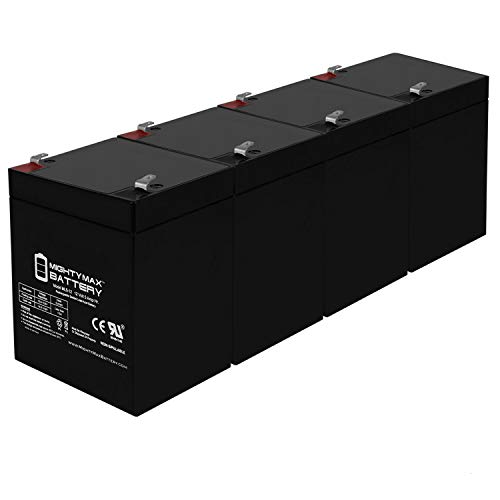
Mighty Max Battery 12V 5AH SLA Battery (4 Pack)

Mighty Max Battery 12V 18AH SLA Battery (2 Pack)

Miady 12V 5Ah Rechargeable Sealed Lead Acid Battery (2 Packs)
A Breakdown Of The Leading Choices
The rapthor pack stands apart on this list by leaning into lithium-ion chemistry, where everything else is sealed lead acid. That difference shows up immediately in weight: this unit is light enough to mount behind a CCTV camera or tuck into a small electronics enclosure without stressing the surface. The included 12.6V/1A charger and DC pigtail cable make first-time setup painless, since you don’t need to source a separate connector.
Built-in BMS (battery management system) protection actively guards against overcharge and deep discharge, two failure modes that tend to kill cheaper lithium packs within months. For hobbyists running LED strips, fishing lights, or a router in a travel trailer, this feels like a friendly entry point. Compared to the Mighty Max packs below, the rapthor trades raw amp-hours for portability and cleaner voltage regulation.
What Works In Its Favor
- Lithium-ion chemistry keeps the pack light enough for camera and sensor mounts that won’t support heavier SLA bricks.
- Built-in BMS protection extends cell life by preventing the overcharge and deep-discharge cycles that quietly damage budget packs.
- The 3A max output handles small Bluetooth speakers and router/modem combos without voltage sag.
- Bundled 12.6V charger and pigtail cable remove the guesswork from first setup.
Things To Consider
- 2600mAh translates to noticeably shorter runtime than the SLA units further down this list, so powering anything above a few watts for hours isn’t realistic.
- Lithium cells don’t love being left fully discharged; storing it partially charged during off-season use tends to preserve capacity longer.
Feature Snapshot
Best Suited To
Hobbyists and DIY builders running low-draw 12V gear like LED strips, CCTV cameras, or fishing lights who want a light, easy-to-mount lithium solution.
Consider Something Else When
Anyone needing longer runtime for alarms or UPS-style backup should look at the Miady 12V 9Ah SLA battery further down this roundup.
The Mighty Max ML8-12 arrives in a ten-pack, which immediately tells you who it’s for: anyone stocking a workshop, a small server closet, or a fleet of mobility scooters. Each unit is a sealed 12V 8Ah SLA battery built with AGM (absorbed glass mat) construction, meaning the electrolyte is held in fiberglass mats rather than pooling as liquid. The result is a spill-proof cell you can mount in any orientation without worrying about leaks.
At roughly 5.94 by 2.56 by 4.02 inches with an F1 terminal, the ML8-12 fits standard battery compartments designed around this common footprint. Unlike the rapthor above, this is pure backup muscle: heavier, denser, and happier to sit at a full charge for long stretches. For shoppers who need multiple replacements in one order, the bulk format cuts down on restocking runs.
Everyday Advantages
- AGM construction resists shocks and vibration, which matters in mobility gear and garage installations.
- Wide operating temperature range keeps performance stable in unheated sheds or attic spaces.
- Ten-pack format delivers value per cell and keeps spare units on hand for quick swaps.
- Sealed design means no watering or acid checks, so maintenance stays minimal.
Trade Offs
- No wire harness or mounting hardware ships with the listing, so plan on buying F1 spade connectors separately.
- SLA chemistry weighs noticeably more than the lithium rapthor pack, a real factor for portable builds.
Right Fit For
Workshops and small-business owners replacing multiple SLA batteries in alarm panels, exit signs, or scooter fleets who want one shipment instead of ten.
Another Choice May Suit
Shoppers wanting just one or two cells for a single alarm panel should consider the Miady 12V 9Ah SLA unit, which arrives in a more manageable single-pack format.
The Miady 9Ah sits in a sweet spot many shoppers underestimate. With 9Ah of capacity, it outlasts the 8Ah Mighty Max ML8-12 above while staying within the same general size class, giving you extra runtime for home alarm panels, smaller UPS units, and emergency lighting without jumping to a heavier form factor. The ABS plastic case adds a layer of impact resistance that’s welcome in garages and basements where bumps happen.
AGM tech handles a wide temperature range, so the cell stays functional in a cold utility closet or a hot attic. For homeowners running a single security panel or a small uninterruptible power supply, this single-pack format feels more sensible than buying ten cells at once. It’s the kind of battery you forget about until a power outage reminds you it’s there.
Where It Helps
- 9Ah capacity stretches runtime meaningfully over common 5Ah and 8Ah alternatives.
- ABS plastic case shrugs off minor drops and vibration in workshop or basement use.
- AGM design with a wide temperature tolerance keeps the cell reliable in unheated spaces.
- Single-pack order suits shoppers who don’t need bulk quantities.
Honest Caveats
- Heavier than lithium alternatives, so portable or wearable builds should look elsewhere.
- SLA cells gradually lose capacity if left fully discharged, so keeping a maintenance charge schedule matters for long service life.
Perfect Match For
Homeowners replacing a single battery in a security panel, small UPS, or emergency light who want a balance of runtime and manageable size.
A Better Fit Elsewhere
Anyone building a portable DIY rig should look at the rapthor 12V 2600mAh Li-ion pack, which trades capacity for a much lighter carry weight.
The ML5-12 from Mighty Max targets one of the most common standby battery applications in American homes: garage door openers. At 3.58 by 2.76 by 4.21 inches with an F1 terminal, it slides into the small battery trays common to lift models, and the four-pack format means you’re set for the next several years of standby duty. SLA/AGM construction handles the constant float charge these systems maintain.
For a battery that mostly sits and waits, capacity matters less than reliability over many discharge cycles, and the ML5-12’s wide temperature tolerance helps in unheated garages that swing from freezing to sweltering across the year. The compact footprint also makes it a reasonable choice for small alarm keypads and access control panels. It’s a quiet, low-profile replacement part that does one job well.
Good Reasons To Consider
- Form factor matches common garage door opener battery trays for an easy swap.
- AGM build tolerates wide temperature swings in unheated garages.
- Four-pack means replacements are ready when the next standby cell eventually weakens.
- Maintenance-free design needs no watering or acid top-ups over its lifespan.
Where It May Fall Short
- 5Ah capacity is modest, so anything beyond brief standby duty will drain it quickly.
- Like other SLA cells on this list, it ships without wire harnesses, so spade adapters need separate sourcing.
Quick Technical Notes
Who Should Grab It
Homeowners replacing backup batteries in garage door openers or small alarm keypads who want a known-form-factor drop-in cell.
Skip It When
Shoppers needing longer runtime for a full home alarm panel will get more mileage from the Miady 12V 9Ah SLA battery covered earlier.
The ML18-12 is the heavyweight of the roundup. At 12V 18Ah, it doubles the capacity of the 8Ah ML8-12 and nearly quadruples the 5Ah ML5-12, all while keeping the same SLA/AGM construction philosophy. The 7.12 by 3.00 by 6.50 inch footprint and nut-and-bolt terminals signal that this cell belongs in serious equipment: mobility scooters, larger UPS systems, and deep-cycle standby rigs.
Two units ship per order, which suits anyone who needs a matched pair or wants a spare. Owners commonly report that cells of this size demand solid mounting because of the weight, so a strapped-down battery box is a sensible accessory. For deep-cycle applications where the battery regularly discharges well below 50 percent, AGM tech holds up better than flooded cells, which is why this format dominates mobility gear.
Points In Its Favor
- 18Ah capacity supports deep-cycle loads in mobility scooters, large UPS units, and off-grid lighting.
- Nut-and-bolt terminals handle the higher current draws that smaller F1 spade terminals can’t safely carry.
- AGM chemistry tolerates repeated deep discharges better than flooded lead acid alternatives.
- Two-pack order suits paired-battery installations where matched capacity matters.
Practical Considerations
- Weight is substantial; secure mounting in a battery tray or strapped enclosure is essentially required.
- Size rules it out for compact projects like CCTV cameras or router backups where the rapthor pack fits more naturally.
Key Product Details
Whose Shelf It Belongs On
Owners of mobility scooters, larger UPS units, and off-grid lighting setups who need genuine deep-cycle reserve from a sealed, maintenance-free cell.
Look Elsewhere When
Anyone powering a small router or camera setup is overspec’d with this pack; the rapthor 12V Li-ion unit is a far better match for low-draw gear.
The Miady 5Ah arrives as a twin-pack, which is just right for homeowners with two small standby devices, like a couple of garage remotes or a kid’s ride-on toy plus a small alarm keypad. Like the 9Ah version covered earlier, this cell uses AGM construction with an ABS case for impact resistance and a wide temperature range. It’s the smallest SLA on this list by capacity, but that compactness is the point.
For tight enclosures, the 5Ah form factor is genuinely useful where an 8Ah or 9Ah brick simply won’t fit. Owners commonly note that keeping two matched cells on hand avoids the frustrating scramble when one device’s battery finally gives out. It’s a friendly pick for the kind of small standby loads that quietly drain over months.
Where It Delivers
- Compact 5Ah size fits cramped battery trays and small electronics enclosures.
- Twin-pack format suits shoppers with two standby devices in need of matching cells.
- ABS plastic case and AGM design handle bumps and temperature swings in garage or basement use.
- Maintenance-free operation once installed.
A Few Limitations
- 5Ah runs out fast on anything more demanding than a small standby load.
- Like the other SLA packs here, it ships without wire harnesses, so plan on sourcing connectors separately.
Right Fit For
Anyone replacing compact standby batteries in a pair of small devices, ride-on toys, or auxiliary alarm panels who values matched cells over maximum capacity.
Reach For A Different Pick When
Shoppers running a single primary alarm panel will get more useful runtime from the Miady 12V 9Ah unit reviewed above.
How To Match These Batteries To Real Use Cases
Capacity, measured in amp-hours (Ah) or milliamp-hours (mAh), tells you how long a pack can supply a given current before it needs recharging. A 5Ah battery delivering 1 amp lasts roughly 5 hours in theory, less in practice once efficiency losses are factored in. Voltage matters just as much: matching the listed 12V output to your device’s expected input prevents underperformance or damage to sensitive electronics.
Chemistry sets the tone for everything else. Lithium-ion packs like the rapthor deliver higher current in a lighter frame but store less total energy per cell. SLA batteries trade weight and bulk for lower cost per amp-hour and a long track record in standby applications. AGM (absorbed glass mat) is a subtype of SLA where the electrolyte is held in fiberglass mats, eliminating spills and allowing flexible mounting.
Terminal type matters more than it seems. F1 spade terminals suit light loads in alarm panels and small UPS units. Nut-and-bolt terminals, like those on the Mighty Max 18Ah pack, are built for the higher current draws found in mobility gear. A mismatch here can mean buying adapters or rewiring the device, which adds friction during install.
Temperature range and case material influence where a battery can safely live. AGM cells handle unheated garages and attic spaces better than flooded lead acid, and ABS plastic cases shrug off the small drops and vibrations common in basement workshops. If the battery will sit in extreme cold or direct heat, double-check the listed operating range before committing.
Key Considerations Across These Picks
Traps First Timers Fall Into
Buying a 12V rechargeable battery pack by voltage alone is the most common mistake. Two packs labeled “12V” can deliver very different runtimes depending on capacity and chemistry. A 5Ah cell running a router through a short outage is plenty, but that same pack powering a mobility scooter for a day out would die fast. Always match capacity to the actual load and the duration you need to bridge.
Another overlooked detail is terminal type. Ordering an SLA cell with F1 spade terminals for a device that expects nut-and-bolt connectors leads to a frustrating adapter hunt. Check the existing battery in your device before ordering, and confirm the replacement uses matching terminals.
The Case For Spending Up
Higher-capacity packs like the Mighty Max 18Ah cost more per cell, but the upgrade pays off in three ways: longer runtime per charge, more headroom for high-draw devices, and often a more robust terminal design. For anyone running mobility gear, a large UPS, or off-grid lighting, that extra capacity translates directly into fewer charging cycles per week and a longer overall service life.
For light loads like CCTV cameras, routers, or LED strips, the smaller-capacity packs reviewed here deliver the right balance without overspending. The honest read is to buy the smallest pack that comfortably handles your load with some headroom, then step up only if you find yourself recharging too often.
Frequently Asked Questions
How long do 12V rechargeable battery packs typically last?
Most SLA batteries last 3 to 5 years in float standby use, while lithium-ion packs can deliver 500 to 1,000 charge cycles depending on depth of discharge and storage conditions.
Can I use any 12V rechargeable battery pack for my device?
Match voltage, capacity, terminal type, and chemistry to your device’s specifications first, then confirm the physical dimensions fit the battery compartment before ordering.
What’s the difference between SLA and lithium-ion 12V packs?
SLA batteries are heavier and cheaper per amp-hour but offer deep-cycle resilience, while lithium-ion packs are lighter, hold voltage steadier, and typically cost more for the same capacity.
Are these battery packs safe to mount in any position?
Sealed AGM and lithium-ion packs can generally be mounted in any orientation because the electrolyte won’t leak, unlike flooded lead acid designs which must stay upright.
How should I store a 12V rechargeable battery when not in use?
Store it partially charged in a cool, dry place and top it up every few months, since long-term storage at full discharge tends to permanently reduce capacity.
Closing Remarks
The right 12V rechargeable battery pack depends almost entirely on what you’re powering and how long you need it to run. Match capacity to the load, pick chemistry that fits your mounting situation, and don’t overlook terminal compatibility. With those basics handled, any of the six options above will serve you well.
