

I’ve owned a car that lost battery charge twice in one winter, and I learned fast how much a simple remote kill switch can save you from a stranded morning. The picks below cover vehicle battery protection, in-cab accessory control, PC fan management, and quick-disconnect utility use. Each one solves a different 12V headache, so I’ve matched them to the people and vehicles they suit best. Think of this as a quick guide from someone who’s been on the wrong end of a dead battery more than once.
An Overview Of The Picks
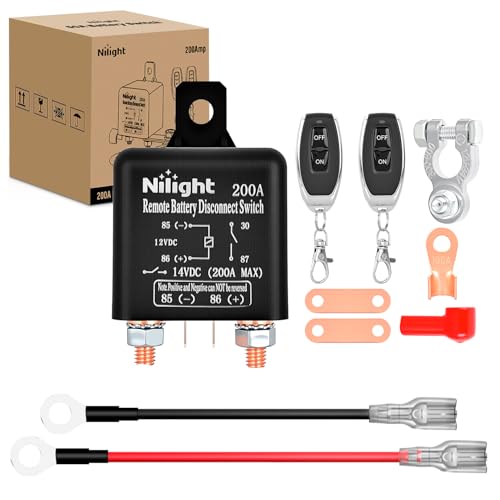
Nilight Remote Battery Disconnect Switch 12V 200A

Auxbeam AS-800 8 Gang Slim Switch Panel
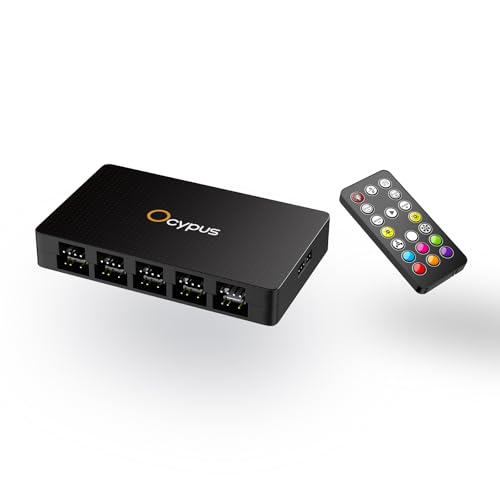
Ocypus Delta EH10 PRO Fan Hub Remote

WOODGUILIN Wireless Remote Switch DC12V SAE
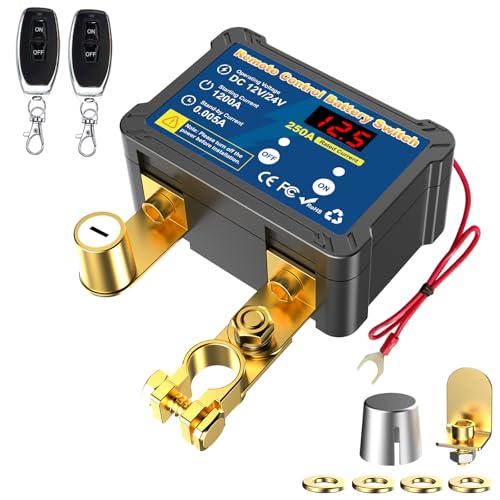
Trosfina Smart Voltage Kill Switch 250A

Trosfina Top Post Kill Switch 12V 200A

Trosfina Top Post Kill Switch 12V 250A
A Closer Look At Each Pick
If you store a car, boat, or seasonal truck and want a simple way to kill power without popping the hood every time, the Nilight 200A remote switch fits that habit nicely. It pairs with two wireless remotes and gives you a 164-foot working range, which is plenty for most driveways and detached garages.
The 200A rating covers typical automotive starter draws and most accessory loads. Compared to the Trosfina smart switch later in this list, the Nilight keeps things manual rather than voltage-aware, which is part of why beginners find it less intimidating.
Real Benefits
- Two included remotes mean a spare stays on your keyring or in a drawer.
- 164-foot wireless range handles driveways and detached shops.
- 200A rating covers most cars, trucks, and small boats.
- Manual operation means fewer electronics to fail.
- Useful anti-theft layer since the engine can’t crank until power is restored.
Things To Consider
- No automatic low-voltage cutoff, so a forgotten disconnect can still drain a battery.
- Owners commonly route the antenna cable carefully to avoid signal dead spots inside metal enclosures.
Right Fit For
Weekend garage tinkerers who want a basic, no-frills remote kill switch for a stored car or small boat.
Look Elsewhere When
The Trosfina 250A Smart Voltage Kill Switch suits anyone who wants automatic over-discharge protection built in.
The Auxbeam AS-800 is the kind of panel that shows up in overland truck builds and weekend camper conversions. It bundles eight switch circuits into a slim panel that mounts cleanly on a dash or overhead console, with a wireless remote that works from roughly 200 feet away on a 433MHz signal. That range beats the Nilight’s 164 feet and feels more responsive when paired with the magnetic mount.
App integration adds a second control path for drivers who want to tap a phone screen instead of reaching for a rocker. It’s a different category from the standalone kill switches above, so it makes more sense once you’ve already committed to adding accessories.
Real-World Strengths
- Eight circuits cover light bars, air compressors, fridges, and inverters from one place.
- 433MHz remote with magnetic base mounts anywhere metal.
- App control adds a backup path for the passenger seat or campsite.
- Slim profile keeps the panel from eating dash space.
Honest Caveats
- Wiring complexity goes up significantly versus a single kill switch.
- You may find the app pairing steps slower than promised during first setup.
- Best suited to vehicles with a dedicated accessory build, not a daily commuter.
Feature Snapshot
Whose Shelf It Belongs On
Overlanders and off-road builders running multiple 12V accessories who want consolidated control.
Swap It Out When
The Nilight 200A Remote Disconnect suits drivers who only need a single kill switch and not a full accessory panel.
This pick shifts categories into the PC building world. The Ocypus Delta EH10 PRO is a fan hub with 10 ports that handles PWM speed control and ARGB lighting through one central connection. PWM (pulse width modulation) lets the motherboard vary fan speed based on temperature, instead of running everything at full blast all the time.
For creators and gamers running multi-fan cooling loops, consolidating cabling into a single hub cleans up the inside of the case dramatically. It isn’t a vehicle accessory, so skip it if you came here strictly for automotive use.
Bright Spots
- 10 ports handle large fan counts without daisy-chaining splitters.
- PWM speed control reads from one designated port and syncs the rest.
- ARGB output ports centralize lighting control.
- Included remote adds a quick way to swap profiles at the desk.
Points To Keep In Mind
- PWM signal only reads from the white FAN 1 port, so cable order matters.
- ARGB compatibility depends on matching the motherboard’s standard.
Who It Suits Best
Custom PC builders running many case fans who want cleaner cabling and synced lighting.
A Better Fit Elsewhere
Drivers shopping for a battery kill switch should look at the Nilight 200A or Trosfina 250A instead.
The WOODGUILIN switch leans into convenience with a pre-soldered SAE plug, the same connector used on many battery tenders and solar setups. That detail makes it approachable for people who don’t want to mess with ring terminals or crimp tools. The IP65 rating (meaning dust-tight and protected against water jets) covers rain and dust, so it works outside in a shed or on a trailer.
It’s a lighter-duty option than the 200A or 250A kill switches above, which is why it suits smaller loads more than starter-motor duty.
What Helps Most
- SAE plug eliminates the need for extra wiring tools.
- IP65 housing handles outdoor and garage conditions.
- Compact remote fits on a keychain or tool drawer.
Small Caveats
- Lower amperage ceiling compared to the 200A and 250A kill switches.
- SAE plug orientation may require cable adapters for some setups.
Quick Facts
Made For
Shed, garage, and outdoor project users who want a quick-connect remote switch without splicing wires.
Consider Something Else When
The Trosfina Top Post Kill Switch fits better for high-current battery isolation in vehicles.
The Trosfina smart kill switch adds brain work that the basic Nilight above doesn’t offer. It monitors voltage and auto-disconnects when battery voltage drops below 11.8V after a short delay, which protects against deep discharge that can permanently damage lead-acid cells. When voltage climbs above 13.6V, such as during driving, the remote temporarily disables to prevent accidental operation.
The 250A rating gives more headroom than the Nilight 200A, which matters on diesel trucks and vehicles with heavy stereo loads. It’s a noticeable step up for anyone who forgets to flip a manual switch.
Reasons It Performs
- Automatic low-voltage cutoff protects battery health long-term.
- 250A continuous rating covers diesel and high-load accessories.
- Remote lockout during driving prevents accidental activation.
- Anti-theft benefit since the engine can’t start when disconnected.
Where It May Fall Short
- More internal electronics mean more potential failure points over years of use.
- Designed for 12V only, so it’s not a fit for 24V commercial setups.
Feature Card
Perfect Match For
Drivers with seasonal or rarely-driven vehicles who want automatic battery protection without thinking about it.
Reach For A Different Pick When
The Nilight 200A suits anyone on a tighter budget who doesn’t need automatic voltage monitoring.
This Trosfina variant mounts directly to a battery’s top post, the cylindrical terminal found on most automotive batteries, which trims install time for people who don’t want to cut into existing wiring. The 200A rating matches the Nilight above, but the copper-internal build targets marine and RV environments where vibration and corrosion are daily realities.
It addresses the same anti-theft and drain-prevention goals as the smart 250A later in this list, just without the auto-disconnect logic.
Notable Upsides
- Top-post mount cuts install time versus inline wiring.
- Pure copper internals handle high current and resist corrosion.
- Manual remote operation keeps the circuit simple.
- Works across cars, trucks, RVs, and boats on 12V systems.
Factors To Consider
- Top-post fit may not match every battery terminal layout.
- No automatic voltage cutoff, so it’s not a set-and-forget solution.
Spec Overview
Best Suited To
Boat and RV owners who want a heavy-duty kill switch that mounts without splicing factory wiring.
Not Your Match When
The Trosfina Smart Voltage Kill Switch suits anyone who prefers automatic low-voltage protection.
The 250A version of the Trosfina top-post switch shares the same direct-mount design as the 200A model, just with extra amperage headroom. That extra capacity matters on diesel engines, winch rigs, and vehicles running inverters or large audio systems that pull heavy transient current.
Like the 200A sibling, it focuses purely on manual kill and anti-theft function without the voltage-aware logic found on the Trosfina Smart switch. For someone running a high-load setup who doesn’t need auto-disconnect, this is the practical ceiling of the top-post category.
Benefits That Matter
- 250A continuous rating covers diesel starters and winches.
- Direct top-post mount skips inline wiring work.
- Pure copper build handles heat and current over time.
- Dual-purpose anti-theft and battery drain protection.
- Simple remote operation without extra app dependencies.
Trade-Offs To Consider
- Bulkier than low-amperage switches, so it needs clearance around the battery post.
- No automatic voltage monitoring, which may bother forgetful owners.
- 12V only, so it skips 24V commercial setups.
Who Should Grab It
Diesel truck and rig owners running heavy accessories who want a top-post install with extra current headroom.
Where Another Pick Suits Better
The Trosfina Smart Voltage Kill Switch is a better match for owners who want automatic low-voltage protection rather than manual control.
What To Weigh Before Choosing 12v Remote Control Switches
Match The Rating To Your Load
Continuous amperage rating is the first number worth checking. A small car starter draws less than a diesel starter, and accessory loads like inverters and winches add to the total demand. Picking a switch rated below your real load invites heat buildup and contact welding, which is the failure mode that strands vehicles. For most gasoline cars and trucks, 200A continuous is comfortable. For diesel trucks, RVs with inverters, or audio-heavy builds, 250A gives safer headroom.
Decide Between Manual And Smart Logic
A manual remote switch does exactly what the button says, on or off. A smart voltage-aware switch adds automatic low-voltage cutoff to prevent over-discharge, plus a driving lockout to prevent accidental shutdown while the alternator is running. Smart logic helps owners who forget to flip a switch, but it also adds electronics that can fail. Manual switches are simpler and last longer, at the cost of more discipline from the owner.
Think About Mount Style And Environment
Top-post switches bolt directly to a battery terminal and skip inline wiring, which is great for boats and RVs where corrosion is constant. Inline switches splice into the existing cable and stay out of sight, which suits clean engine bays. Outdoor and marine use benefits from IP-rated housings (IP65 means dust-tight and protected against water jets) that keep rain and dust out of the contacts. Match the housing to where the switch will actually live.
Consider Range And Remote Form Factor
Wireless range matters more than people expect. A 164-foot remote works for most driveways, while 200 feet helps in larger properties or when the vehicle sits behind a structure. Magnetic-mount remotes stick to metal surfaces, which is helpful in work trucks and campers where dashboards are crowded.
Key Considerations Across These Picks
Mistakes Worth Dodging
Underrated amperage is the most common slip. Shoppers often buy a switch rated only for accessory loads and try to use it on a starter circuit, which is how contacts weld and leave people stranded. Check your vehicle’s cold-cranking amps (the surge current a battery delivers at cold temperatures) and pick a switch rated above that number. Skipping a fuse or breaker near the battery is another frequent mistake that turns a small fault into a wiring-harness nightmare.
What The Higher Tier Buys
Spending up in this category mostly buys amperage headroom and smarter protection circuits. A 250A switch costs a little more than a 200A model but adds safety margin on high-load vehicles. Smart voltage switches add automatic cutoff and driving lockout, which pay off for owners who forget to disconnect manually. The upgrade is worth it when the vehicle sits for long stretches, runs heavy accessories, or belongs to someone who values set-and-forget behavior over manual control.
Frequently Asked Questions
What amperage rating do I actually need?
Most gasoline cars and light trucks work well with a 200A continuous rating. Diesel engines, vehicles with winches, and rigs running large inverters benefit from 250A.
Do I need a smart voltage cutoff?
Owners who park for weeks at a time or who forget to flip a manual switch benefit from automatic low-voltage cutoff. Daily drivers usually don’t need the extra logic.
Can these switches handle outdoor mounting?
Marine-rated and IP65-rated switches handle rain and dust, but plain inline switches should stay inside the cab or engine bay where water exposure is limited.
Will a kill switch drain the battery itself?
A properly wired disconnect draws very little standby current, but a faulty or cheap unit can leak enough to matter over months. Look for switches with low standby draw.
Are these difficult to install?
Top-post switches are the simplest because they replace the battery terminal directly. Inline switches require cutting and reattaching the main battery cable, which adds time and skill.
The Takeaway
A solid 12V remote switch is one of those small upgrades that pays off the first time you avoid a dead battery or a stolen vehicle. Match the amperage to your load, decide between manual and smart logic, and pick a mount style that fits your engine bay or battery box. Any of the picks above will handle the job if it matches your scenario.
