

Some days my old sealed lead-acid battery died at the worst possible moment, leaving my fish finder dark halfway across the lake. That frustration sent me hunting for a better option, and lithium chemistry changed everything for portable 12V power. Whether the goal is lighter weight on a kayak, longer runtime at a campsite, or simply more reliable starts for a ride-on toy, the right lithium pack makes daily use feel easier. I put together this list for anyone tired of heavy, slow-charging batteries who wants something that holds up.
A Side-By-Side Look

GOLDENMATE 12V 10Ah LiFePO4 Lithium Battery
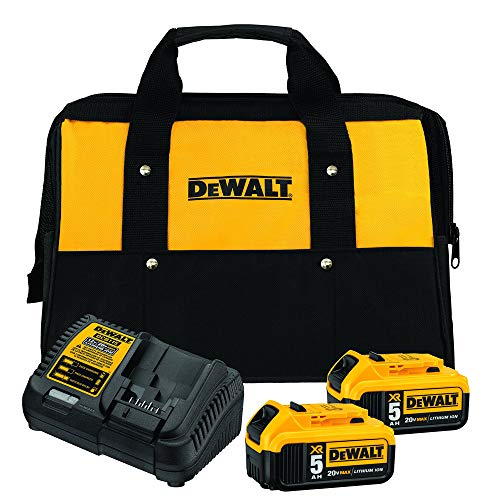
DEWALT 20V MAX Battery Charging Kit with 2 Batteries

Milwaukee 48-11-2412 M12 Extended Capacity Batteries

DEWALT 20V MAX Battery and Charger Kit

GOLDENMATE 12V 7Ah LiFePO4 Lithium Battery

GOLDENMATE 12V 12Ah LiFePO4 Lithium Battery (2-Pack)

power queen 12V 100Ah LiFePO4 Battery Group 31
The Details Behind The Selections
I remember hauling a bulky lead-acid battery out to my kayak and swearing I would not do it again. This GOLDENMATE pack reads like the answer: lithium iron phosphate (LiFePO4) cells wrapped in an IP67-sealed case, which means full dust protection and survival after temporary submersion. The 10Ah capacity lands in a sweet spot for fish finders, small trolling motors, LED light banks, and compact camping setups where weight matters.
Unlike the heavy tool batteries reviewed later in this list, this one targets standalone 12V accessories rather than cordless power tools. The built-in Battery Management System (BMS) shields against overcharge, over-discharge, and short circuits, so the unit can sit in storage between trips without slowly cooking itself. For someone running gear off a small boat or a tailgate, the IP67 rating removes the worry of splashes and rain.
Good Reasons To Consider
- LiFePO4 chemistry tolerates thousands of deep discharge cycles, so weekend warriors replace batteries far less often.
- IP67 sealing protects against rain, splashes, and dusty trail conditions on outdoor adventures.
- Integrated BMS prevents common failure modes like overcharge and short circuits without extra accessories.
- Lightweight build makes transport to remote fishing spots or campsites noticeably easier than lead-acid.
- Low self-discharge keeps charge intact during off-season storage in a garage or shed.
Honest Caveats
- At 10Ah, runtime is limited for high-draw devices like inverters running household appliances.
- Requires a LiFePO4-compatible charger; owners commonly report slower charging with generic lead-acid chargers.
Quick Facts
Right Fit For
Anglers, campers, and hobby tinkerers running fish finders, lights, or small trolling motors in wet outdoor environments.
Consider Something Else When
Anyone needing serious capacity for an RV or solar bank should look at the power queen 12V 100Ah Group 31 instead.
Two batteries plus a charger plus a soft bag is the kind of kit that just clears the daily bench clutter. The DEWALT DCB205-2CK delivers two 5Ah XR packs and a 4-amp charger that handles 12V, 20V, and 60V MAX batteries. For someone deep in the DEWALT ecosystem, that cross-platform charging is quietly huge: one brick handles every compatible pack on the bench.
Compared to the standalone 12V accessory batteries in this roundup, this is firmly a tool-platform pick. The 5Ah cells keep a drill, impact driver, or recip saw running through a long workday, and the included soft bag keeps everything tidy in a truck cab. The trade-off is platform lock-in: nothing here lights up a fish finder or a kayak light, so the use case is strictly cordless tools.
Useful Touches
- Twin 5Ah batteries deliver extended runtime so a job never stalls mid-cut.
- Multi-voltage charger supports 12V, 20V, and 60V MAX packs, simplifying shop setup.
- Soft storage bag keeps batteries and charger organized in transit between sites.
Trade Offs
- Only useful for DEWALT 20V MAX tools, so non-platform owners get no value.
- Batteries are heavier than the small LiFePO4 packs above, which matters for handheld or overhead work.
Made For
Tradespeople and serious DIYers already invested in the DEWALT 20V MAX platform who need reliable backup batteries.
Swap It Out When
A Milwaukee M12 owner should pick the Milwaukee 48-11-2412 twin pack for better platform fit.
Milwaukee’s M12 line targets compact tools where weight matters more than raw power, and these 3.0Ah extended-capacity packs lean into that niche. The flat-standing base is the small detail I appreciate most: pop the battery onto a bench and an M12 work light stands upright on its own. Two packs in the box means one charges while the other works.
The LED fuel gauge on each pack is genuinely useful. Knowing the exact state of charge before climbing a ladder or driving fasteners into a deck avoids the mid-task surprise that ruins a workflow. Charging works down to about 32°F, so winter garage projects stay on schedule. In most regions the cold tolerance is more than enough for unheated shops.
Benefits That Matter
- 3.0Ah extended capacity outlasts standard M12 packs during heavy trim or plumbing work.
- Built-in LED fuel gauge displays remaining charge at a glance, preventing mid-task interruptions.
- Flat-standing base lets M12 work lights sit steady on uneven surfaces for hands-free lighting.
- Charges normally between 32°F and 120°F, covering cold garages and hot attics alike.
Where It May Fall Short
- 3Ah capacity is lighter than the 5Ah DEWALT option, so heavy cutting tools drain these faster.
- Chargers and tools are sold separately, which adds to the total cost for first-time M12 owners.
Feature Snapshot
Built With In Mind
Milwaukee M12 tool owners who run compact drills, ratchets, and work lights and want extended runtime plus a fuel gauge.
A Better Fit Elsewhere
Anyone standardized on DEWALT 20V MAX tools should choose the DEWALT DCB205-2CK kit for full platform alignment.
The DCB205CK bundle is the practical starting point for someone who just bought a bare DEWALT tool. One 5Ah XR battery and a 4-amp charger cover the basics, and the included bag keeps the kit portable. For a first-time shopper, this removes the awkward question of which charger fits which battery.
The same multi-voltage charger from the twin-pack kit shows up here, so it charges 12V, 20V, and 60V MAX packs without fuss. Compared to the larger two-battery DEWALT bundle above, this single-battery kit suits occasional weekend projects more than daily contractor use. You may find a single 5Ah cell limiting on a long day of framing, so adding a second pack later is the natural upgrade path.
Everyday Advantages
- 5Ah capacity handles most homeowner projects like deck builds and remodels on a single charge.
- Cross-voltage charger future-proofs the kit for additional DEWALT tools acquired later.
- Soft storage bag simplifies transport between home, garage, and vehicle.
Points To Keep In Mind
- Only one battery included, so downtime is unavoidable during long sessions.
- Higher capacity packs exist for users ready to invest more, making this an entry-tier bundle.
Perfect Match For
First-time DEWALT shoppers assembling a starter kit or homeowners who only break out tools for weekend repairs.
Look Elsewhere When
Daily tradespeople need a second battery and should step up to the DEWALT DCB205-2CK twin-pack kit instead.
The 7Ah sibling of the 10Ah GOLDENMATE pack trades capacity for an even smaller footprint, landing at roughly 2 pounds on the spec sheet. For a kid’s power wheel, a small fish finder, or a string of LED camp lights, that size difference matters. Lift it once and the lead-acid comparison feels obvious.
The same IP67 sealed housing and built-in BMS carry over from its larger sibling, so the weatherproofing and protection circuitry are identical. Compared to the 10Ah pick, the runtime is shorter, but the lighter weight and tighter form factor suit projects where space is tight. Storage in a closet or under a workbench is genuinely painless.
The Helpful Details
- 2-pound weight makes it easy to swap between ride-on toys, lights, and portable electronics.
- Same IP67 sealed enclosure protects against splashes during outdoor play and rainstorms.
- Deep cycle rating supports frequent charging without the rapid degradation seen in lead-acid cells.
Practical Considerations
- 7Ah capacity drains quickly on higher-draw accessories, so heavy inverters are out of reach.
- LiFePO4-compatible charger required to reach rated cycle life and avoid undercharging.
Whose Shelf It Belongs On
Parents powering ride-on cars, hobbyists running small fish finders, and campers lighting tents who value a featherweight pack.
Where Another Pick Suits Better
For longer runtime on a single charge, the GOLDENMATE 12V 10Ah or 12Ah versions are stronger matches.
Two batteries in a single box shifts the value calculation for anyone already planning a multi-pack setup. Each 12Ah LiFePO4 cell brings serious capacity for ham radios, mobility scooters, kayak electronics, or solar generators, and the IP67 rating keeps them safe outdoors. A two-pack essentially doubles the stored energy without taking up double the shelf space when paired in parallel.
Compared to the 10Ah single-pack, the extra 2Ah per battery translates to noticeably longer runtime on similar loads. Owners commonly report that running two packs in parallel on a 12V system adds redundancy: if one cell ever fails, the other keeps critical loads online. The trade-off is weight and cost, both of which climb with the extra capacity.
What It Does Well
- Two-pack format provides redundancy for critical 12V systems like comms or mobility gear.
- 12Ah capacity per battery supports longer outings or heavier accessory loads without recharging.
- LiFePO4 chemistry tolerates frequent cycling, lowering replacement frequency over years of use.
Things To Weigh
- Two batteries mean higher upfront cost than the single-pack options earlier in the list.
- Heavier than the 7Ah and 10Ah siblings, which matters for backpack or handheld use.
Feature Rundown
Who Should Grab It
Mobility users, off-grid hobbyists, and preppers running radios, lighting, or backup pumps on a reliable 12V source.
Skip It When
Someone wanting huge capacity for an RV solar system should jump straight to the power queen 100Ah Group 31 pack.
This is the heavyweight of the roundup, and for good reason. A 100Ah LiFePO4 cell with 1280Wh of usable energy moves from camping accessory to house battery. The Group 31 footprint slots into standard RV and marine trays, so installation rarely requires custom mounting. For a camper van, teardrop trailer, or off-grid cabin, it changes what “portable power” even means.
The built-in 100A BMS handles serious loads like inverters running small appliances, while the option to wire up to four packs in parallel and four in series (4P4S) opens expansion for larger solar arrays. Compared to the small standalone packs above, this is a different category of investment. Depending on the size of the build, a single 100Ah unit might run lighting and a fridge for days.
What Works In Its Favor
- 100Ah capacity at 1280Wh delivers multi-day runtime for RV fridges, fans, and lights.
- Group 31 case fits standard battery trays, simplifying drop-in replacement of lead-acid units.
- 4P4S expandability lets owners scale a battery bank as solar or load demands grow.
- 100A BMS supports inverter loads that would overwhelm the smaller packs in this list.
Less Ideal Details
- Heavy and bulky compared to the 7Ah and 10Ah options, so it is not portable in any practical sense.
- Charging from empty requires a LiFePO4-specific charger or solar controller, adding to the setup cost.
- Cold-weather charging limitations mean owners in freezing climates need heated enclosures or special chargers.
Best Suited To
RVers, van lifers, and off-grid homeowners building a real solar battery bank with room for expansion.
Reach For A Different Pick When
A camper powering a single lantern or fish finder should start with the compact GOLDENMATE 7Ah instead.
What To Weigh Before Choosing A 12V Lithium Pack
Match The Battery To The Tool Or Load
Lithium packs fall into two rough worlds: tool-platform batteries for cordless drills and saws, and standalone 12V packs for electronics, mobility gear, and solar. Using a tool battery to power a fish finder wastes capacity on the wrong connectors, while using a 7Ah LiFePO4 to run a framing hammer produces disappointing results. Match the format before chasing amp hours.
Capacity Versus Footprint
A 7Ah pack fits a glove box. A 100Ah Group 31 pack fills a battery tray. Real-world runtime comes from pairing capacity to the actual load: a 5Ah tool battery handles a day of trim screws, but a 12V fridge wants at least 50Ah to skip nightly charging. The honest read is that bigger is not always better, just heavier and pricier.
Weight And Portability
Lithium already cuts weight dramatically compared to lead-acid, but the gap between the 2-pound 7Ah pack and the 30-pound 100Ah unit is enormous. For a backpack or a kayak, weight dominates the decision. For an under-seat install in a van, footprint matters more than the number on the bathroom scale.
Charging And Cycle Life
LiFePO4 cells thrive on partial cycles and proper chargers. Charging below freezing damages them, so cold-climate owners need heated compartments or low-temperature cutoff chargers. Cycle life ratings stretch into the thousands for good LiFePO4 packs, but only when the charging profile matches the chemistry.
Key Considerations Across These Picks
Pitfalls First-Time Shoppers Hit
The classic mistake is grabbing a lead-acid charger for a lithium pack and wondering why capacity drops over time. Lithium chemistries need charging profiles matched to their cell type, and using the wrong brick slowly degrades the cells. Another common slip is ignoring the platform question: a Milwaukee M12 owner cannot swap in a DEWALT 20V pack and expect any tool to fire up.
Where The Extra Money Goes
Higher capacity buys stored energy, but the jump from 10Ah to 100Ah brings heavier cells, a more capable BMS, and often expandability for parallel or series wiring. In the tool-platform world, extra dollars typically buy larger amp-hour cells, more rugged housings, and useful extras like fuel gauges. The honest tradeoff is that the premium tier only pays off when the workload actually demands the extra runtime or protection circuitry.
Frequently Asked Questions
Are LiFePO4 And Lithium-Ion The Same Thing?
No, they are different chemistries. LiFePO4 (lithium iron phosphate) trades some energy density for longer cycle life, better thermal stability, and safer failure modes compared to standard lithium-ion cells.
Can I Use A Regular Charger On A Lithium Battery?
Generally no. Lithium cells need a charger matched to their chemistry and voltage to avoid damage. Using a lead-acid charger on a LiFePO4 pack usually undercharges the cells and reduces lifespan over time.
How Long Do These Batteries Actually Last?
Cycle life ratings vary widely. The small GOLDENMATE packs claim thousands of deep cycles, while the power queen 100Ah unit rates up to 15,000 cycles depending on depth of discharge and charging conditions.
Is A Higher Amp Hour Rating Always Better?
Not necessarily. A higher Ah rating means more stored energy and longer runtime, but also more weight and higher cost. For lightweight portable use, a smaller pack often fits the use case better.
Do Lithium Batteries Work In Cold Weather?
Most lithium chemistries discharge fine in the cold, but charging below freezing can damage the cells. Cold-climate owners often choose heated enclosures or chargers with low-temperature cutoff protection to keep things safe.
Closing Thoughts
The right 12V lithium pack depends entirely on where and how it will be used. Compact LiFePO4 cells shine for outdoor gear and mobility, while tool-platform kits reward shoppers already locked into a brand. Match the format first, then weigh capacity against weight, and the rest usually falls into place.
