

Choosing a 12v battery for solar usually comes down to how much storage you need, how often you cycle it, and whether your setup lives in a camper, cabin, boat, or backup power shelf. A small auxiliary pack can keep a trail camera awake, while a larger lithium bank can carry a day of off-grid use without feeling strained. The right match saves you from mismatched terminals, short runtime, and the quiet frustration of a battery that looks capable but fits your setup poorly.
Quick Shortlist For Solar Power Needs

HME Trail Camera 12V/Solar Auxiliary Power Pack

12V 150Ah Max LiFePO4 Battery


ECO-WORTHY 12V 20Ah LiFePO4 Lithium Battery

ECO-WORTHY 12V 100AH LiFePO4 Lithium Battery with Bluetooth
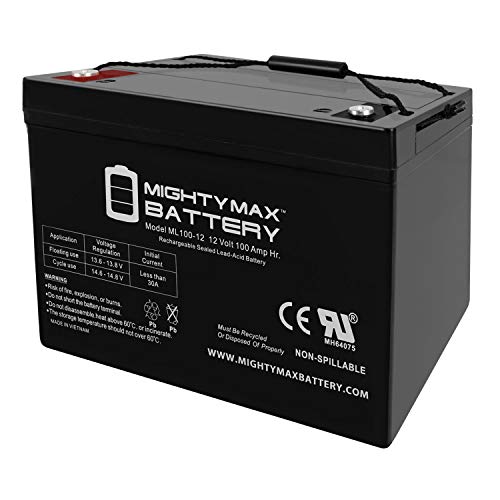
ML100-12 12 Volt 100 AH Rechargeable SLA AGM Battery

WEIZE 12V 100Ah Deep Cycle Battery Group Size 31

NERMAK 2 Pack 12V 12Ah LiFePO4 Deep Cycle Battery
More Details On Our Top Picks
The HME pack makes sense for trail-camera setups that sit out in damp, dusty, or hard-to-reach spots. A weather-resistant housing matters here, because the whole point is dependable auxiliary power without turning your install into a delicate project.
Its easy-install approach keeps the setup simple for hunters, land managers, and anyone feeding a camera from a solar rig. The trade-off is obvious, though, it’s a specialist piece, so you’re not getting the broad storage capacity of a full battery bank.
What We Like
- Weather-resistant shell suits outdoor mounting.
- Simple installation helps with quick setup.
- Compatible design fits a practical camera role.
- Compact format keeps the mount uncluttered.
Things To Consider
- Built for a narrow use case, not whole-home storage.
- Best results depend on the rest of your camera setup.
- Outdoor housing still benefits from periodic inspection.
Feature Snapshot
Who It Suits Best
You’ll get the most from this pick when your solar setup supports a single trail camera in exposed conditions.
Where A Sibling Pick Shines
CHINS LiFePO4 Battery 12V 100AH fits you better for RV or marine power, where larger storage matters more than auxiliary camera support.
This is the capacity-heavy option in the group, and the 150Ah rating gives you more headroom for longer off-grid runs. Ah means amp-hours, which is the stored-energy measure that tells you how long the battery can keep a load going before it needs a recharge.
IP65 sealing points to dust resistance and protection against low-pressure water contact, which suits a battery that may live in a camper bay, shed, or marine area. The built-in 100A BMS, or battery management system, adds charge and discharge control, though the larger size and weight profile usually make it more of a fixed install than a carry-around option.
Highlights
- 150Ah capacity supports long runtime.
- LiFePO4 chemistry suits frequent cycling better than older lead-based styles.
- 100A BMS adds smarter pack management.
- Low-temperature protection helps in cold-weather storage spaces.
- IP65 sealing is useful in dusty or damp locations.
Worth Noting
- Large capacity can be more battery than small solar kits need.
- Fixed installations usually make the most sense here.
- Higher-capacity lithium packs ask for a matching charger setup.
Technical Sheet
Whose Shelf It Belongs On
You’re a strong match for this battery when your solar system needs serious capacity for RV, marine, or cabin duty.
Look Elsewhere When
WEIZE 12V 100Ah Deep Cycle Battery suits you better for a simpler Group 31 setup that doesn’t call for this much capacity.
CHINS lands in the middle of the pack in a useful way, with 100Ah capacity that works for many solar, marine, and RV needs without pushing into oversized territory. The built-in 100A BMS and low-temperature protection make it easier to picture in a boat compartment or off-grid van where conditions can swing.
The cycle rating, listed at 2000 to 5000 cycles, signals a battery designed for repeat use rather than occasional backup. That said, lithium is still a planning exercise, so you’ll want to match the rest of your system to its charge profile instead of treating it like a drop-in afterthought.
Bright Spots
- 100Ah size fits many midrange solar builds.
- Low-temp protection helps in cooler environments.
- Built-in BMS supports cleaner day-to-day handling.
- Good fit for trolling motors and marine rigs.
- Cycle range suggests long-term repeat use.
Points To Note
- Works best with a system designed for lithium charging.
- 100Ah may still feel modest for bigger cabin loads.
- Battery banks need orderly wiring and occasional checks.
Feature Rundown
Built With In Mind
You’ll appreciate this one most in a boat, RV, or off-grid rig that needs dependable mid-size lithium storage.
Swap It Out When
ECO-WORTHY 12V 100AH LiFePO4 Battery with Bluetooth suits you better when phone-based monitoring matters more than this model’s simpler setup.
The smaller 20Ah size makes this an easy fit for light-duty solar needs, especially where portability matters more than long runtime. In a canoe kit, small camping setup, or compact electronics bench, that lower capacity can actually be the point.
Built-in BMS support keeps the battery aligned with basic lithium expectations, and the shorter footprint helps with storage. The trade-off is simple, you’re not building around this for a long day of heavy draw, so it suits modest loads far better than power-hungry rigs.
Upsides
- Small size is easier to place and carry.
- Good fit for fish finders and ham radios.
- Lithium design keeps weight lower than many older battery styles.
- Works well for short-duration portable use.
Areas To Watch
- Capacity is limited for larger solar setups.
- Light-duty use is the real sweet spot.
- Compact batteries still need secure mounting in moving vehicles.
Core Details
Perfect Match For
You’re in the right lane with this pick when your solar system powers small, portable gear instead of a full RV bank.
Another Choice May Suit
NERMAK 2 Pack 12V 12Ah LiFePO4 Deep Cycle Battery fits you better when a paired smaller-bank setup makes more sense.
This one stands out for monitoring, because the Bluetooth 5.1 connection lets you check voltage, current, and capacity from your phone. That matters in real use, especially in a fishing boat or solar shed where you’d rather confirm battery status than guess at it.
The Group 24 size is also worth noting, since that helps you think about physical fit before you commit. The trade-off is that all the monitoring in the world won’t help much if your compartment is too tight or your system needs more than a 100Ah class battery can reasonably provide.
Reasons To Buy
- Bluetooth monitoring adds useful day-to-day visibility.
- Phone access can simplify troubleshooting in multi-battery setups.
- Group 24 sizing helps with common fitments.
- 100Ah capacity suits many RV and off-grid plans.
- Low-temperature protection helps in colder storage areas.
Small Caveats
- Bluetooth features add value only when you’ll actually use them.
- Group fit still needs a quick compartment check.
- DIY battery banks work better with neat cable routing and labeling.
Details At A Glance
Right Fit For
You’ll like this model most when you want lithium storage plus phone-based battery visibility in an RV, boat, or solar bank.
Skip It When
ML100-12 12 Volt 100 AH Rechargeable SLA AGM Battery fits you better if you want a simpler lead-acid style without app features.
This AGM battery takes a more traditional route, and that can be a comfort for setups already built around SLA hardware. AGM means absorbed glass mat, a sealed lead-acid style that usually appeals to people who want a familiar format without venturing into lithium-specific planning.
The internal thread terminal is useful in fixed installs where secure cable attachment matters, especially in backup power cabinets or stationary solar rigs. The honest read is that it’s not as light or energy-dense as lithium options above it, but it may feel simpler for some existing systems.
Best Bits
- AGM format suits many existing backup systems.
- Internal thread terminal helps secure wiring.
- 100Ah capacity covers steady basic loads.
- Good fit for stationary, familiar setups.
Room For Improvement
- Heavier than many lithium alternatives.
- Less energy density than newer LiFePO4 choices.
- Battery cabinets benefit from routine terminal checks.
Quick Facts
Made For
You’re looking at a sensible match for a fixed solar or backup setup that already leans toward sealed lead-acid gear.
A Better Fit Elsewhere
CHINS LiFePO4 Battery 12V 100AH suits you better for lighter weight and a more modern lithium path.
WEIZE leans toward straightforward deep-cycle use, and the Group Size 31 format helps it fit into a familiar class of battery boxes. The 1150A max discharge current gives it strong burst potential, which matters for RVs or cabins where loads can spike without warning.
The 3 percent self-discharge rate is the kind of detail that helps with seasonal storage, because a battery that holds its charge well usually needs less attention between trips. The catch is that shipping and return terms can be less friendly than some other picks here, so it suits people who are confident in their system fit.
Standout Traits
- Strong discharge rating supports heavier bursts.
- Low self-discharge helps in storage periods.
- Group 31 sizing fits many common enclosures.
- Works well in RV and cabin roles.
Honest Caveats
- Transport rules can affect convenience.
- Non-returnable handling asks for careful sizing up front.
- Stationary storage is easier when terminals and cables are kept tidy.
Core Details
The Right Fit
You’ll get the most from this battery in an RV, cabin, or off-grid space that needs strong burst capability and easy-enough sizing.
Where Another Pick Suits Better
ML100-12 12 Volt 100 AH Rechargeable SLA AGM Battery suits you better for a more familiar sealed lead-acid format.
The two-pack format gives this set real flexibility, especially for smaller solar projects where pairing batteries makes layout easier. At 12Ah each, these are a better fit for lighting, small devices, and portable gear than for large off-grid loads.
The built-in 12A BMS helps keep each battery organized at the pack level, and the LiFePO4 chemistry suits repeat charging better than older styles. You may find the size especially handy for scooters, fish finders, and compact lighting systems, though a larger bank above it will be the better answer for long runtime.
Positives
- Two batteries give you flexible layout options.
- Small size works well for portable gear.
- LiFePO4 design supports frequent recharge use.
- Good for lights, scooters, and fish finders.
Minor Gripes
- 12Ah per battery is modest for larger solar needs.
- Two-pack planning takes a little more system thought.
- Small batteries still benefit from careful storage and labeling.
Spec Overview
Who Should Grab It
You’re a strong fit for this set when you want a compact two-battery solar solution for light portable devices.
Reach For A Different Pick When
ECO-WORTHY 12V 20Ah LiFePO4 Lithium Battery suits you better if you want a single compact battery with a bit more headroom.
How To Choose The Right 12v Battery For Solar
Match Chemistry To Your Use Pattern
LiFePO4, or lithium iron phosphate, is the modern fit for frequent cycling, lighter weight, and steadier day-to-day use. AGM, or absorbed glass mat, still makes sense in legacy backup systems where you want a sealed lead-acid format with familiar charging habits.
The choice matters most in real use, not on a spec sheet. A weekend camper, a cabin setup, and a trail-camera power pack all ask for different behavior, even though each may say 12V on the label.
Size The Capacity Around Your Loads
Ah rating tells you stored energy, so larger numbers usually mean longer runtime. A 20Ah battery suits small electronics and portable lighting, while 100Ah and above is where RV, marine, and cabin systems start feeling more comfortable.
Think in terms of nightly draw, not wishful planning. That keeps you from oversizing a battery bank or underbuying and then living on a charger.
Check Protection, Monitoring, And Fit
A built-in BMS helps manage charge and discharge behavior, which is especially useful in lithium packs. Low-temperature protection matters in cold storage areas, and Bluetooth monitoring helps you keep an eye on state of charge without opening the compartment.
Physical fit matters just as much. Group size, terminal style, enclosure space, and mounting position can make a good battery feel wrong fast, especially in tight RV trays or marine boxes.
Think About Installation And Maintenance
Smaller batteries are easier to place, but they still need secure mounting and tidy cable routing. Larger batteries often reward a cleaner install, because loose wiring and awkward access turn routine checks into a chore.
For long-term ownership, the easiest battery is the one that matches your charging gear, storage space, and seasonal use pattern. That’s usually the difference between a smooth solar setup and a finicky one.
Things Worth Knowing First
Mistakes Worth Dodging
Plenty of solar setups stumble because the battery capacity is chosen before the load is understood. A small battery can work beautifully for lights or sensors, but it becomes a poor fit for fridges, inverter loads, or repeated overnight use.
Another common miss is buying a battery that doesn’t match the charger or enclosure. That sort of mismatch shows up quickly in cramped cabins and RV bays.
The Upgrade Payoff
Higher-tier models usually cost more because of battery chemistry, built-in management systems, monitoring features, and stronger protection. Those extras matter most when your setup gets used often, stored in tougher conditions, or depends on easier troubleshooting.
Paying up makes sense when your solar battery is part of daily living, not just a backup plan. For light-duty use, a simpler option can be the calmer, smarter purchase.
Frequently Asked Questions
What size 12V battery works for a small solar setup?
Small loads like lights, sensors, and compact electronics often fit well with 12Ah to 20Ah batteries. Larger everyday use usually calls for 100Ah or more.
Is LiFePO4 better than AGM for solar use?
LiFePO4 usually suits frequent cycling, lighter weight, and modern monitoring better. AGM still fits older systems and simpler installs.
What does a BMS do in a lithium battery?
A BMS is a battery management system that helps control charging and discharging behavior. It’s useful for protecting the pack’s working range and keeping use more orderly.
Why does low-temperature protection matter?
Cold weather can change how a lithium battery behaves, especially during charging. Low-temperature protection helps the battery stay within a safer operating window in chilly spaces.
Should you choose Bluetooth monitoring?
Bluetooth helps you see battery status from a phone, which is handy in RVs, boats, and battery banks tucked into hard-to-reach spaces. It matters less for very simple systems you only check occasionally.
Closing Thoughts
The best 12v battery for solar is the one that matches your daily load, your space, and the rest of your setup without making the system harder than it needs to be. Small lithium packs fit portable gear, 100Ah class batteries suit many RV and marine jobs, and larger banks make sense only when the demand is truly there. Start with how you use power, then let the battery shape follow that job. That approach usually leads to a setup that feels steady instead of temperamental.
