

Off-grid living, weekend RV trips, and rolling jobsites all run into the same wall eventually: a 12V battery just doesn’t speak the language your appliances do. A 1200 watt inverter translates that battery into household AC power so you can run tools, charge laptops, or keep a CPAP machine going through the night. I’ve put together six solid options across a range of sizes and budgets, each picked for a specific kind of user.
The Choices Worth Comparing

Renogy Inverter P2 1000W Pure Sine Wave Inverter 12V DC to 120V AC

Renogy Inverter P2 2000W Pure Sine Wave Inverter 12V DC to 110V AC
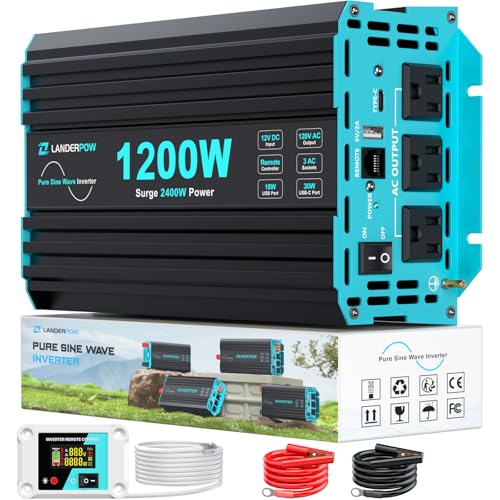
LANDERPOW 1200 Watt Pure Sine Wave Car Power Inverter
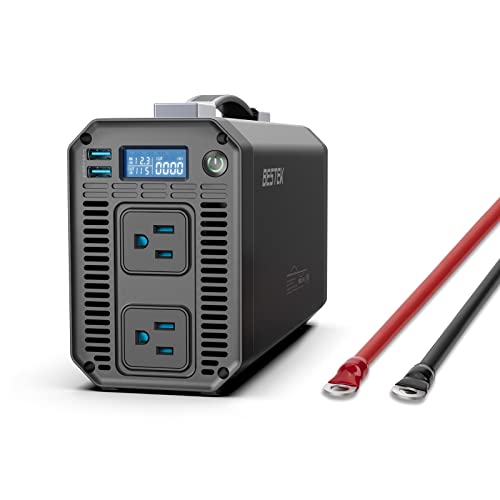
BESTEK 1200 Watt Power Inverter 12V DC to 110V AC

ALLWEI 2000W Pure Sine Wave Power Inverter 12V DC to 120V AC

Cantonape 1200W Car Power Inverter DC 12V to 110V/120V AC
A Deeper Look At The Lineup
The Renogy P2 sits just under the 1200W mark, but it pulls more than its weight for off-grid cabins, truck campers, and modest solar banks. Pure sine wave output (a clean AC signal that mimics grid power) means sensitive electronics like laptops and audio gear stay happy, which isn’t always the case with cheaper modified sine units. I like that Renogy pairs the AC hardwire port with a built-in 5V/2.1A USB port, so you can run a small appliance and charge a phone from the same box.
Compare that to the BESTEK down the list, which leans into vehicle-friendly features: the Renogy is more at home bolted into a permanent installation. Owners commonly report the cooling fan kicking in under sustained load, which is normal but worth knowing if you’re mounting it in a quiet space.
What Helps Most
- Pure sine wave output protects laptops, CPAP machines, and other sensitive gear from buzzing or overheating.
- Built-in USB port handles phone and tablet charging without burning an AC outlet.
- AC hardwire port lets you wire it directly into a subpanel for a cleaner install.
- LED indicators flag under-voltage, over-voltage, and overload conditions at a glance.
Things To Consider
- 1000W continuous may feel tight if your kettle or microwave draws near the ceiling for long stretches.
- Cooling fan can run audibly under heavier loads, so placement away from sleeping quarters is wise.
- Remote controller is sold separately on some bundles, so check the listing before assuming it’s in the box.
Who It Suits Best
Anyone building a small off-grid system or tricking out a camper with clean AC power for daily electronics.
Where Another Pick Suits Better
The LANDERPOW 1200W Pure Sine Wave Car Power Inverter is a smarter fit if you specifically want the 1200W rating for heavier household loads.
The bigger sibling of the Renogy P2 doubles the continuous output and quadruples the surge tolerance, which is the kind of breathing room tool lovers and serious RV owners tend to want. A 4000W peak surge matters most when motors start up: think air compressors, small refrigerators, or a miter saw briefly popping on. Pure sine wave keeps the waveform clean enough for any device you throw at it.
Stepping up from the 1000W Renogy, the trade-off is mostly physical. This is a heavier box that needs decent ventilation and proper battery cabling, not the lighter 12V plug-and-play approach. For permanent builds it works beautifully; for grab-and-go vehicle use, the BESTEK may be a friendlier match.
Key Advantages
- 4000W surge handles tool startup loads that would trip smaller inverters.
- Pure sine wave output is safe for sensitive electronics, including medical devices like CPAPs.
- Hardwire terminal plus USB port covers both permanent and casual charging needs.
- Conversion efficiency above 90 percent keeps battery drain reasonable during long runs.
Honest Caveats
- Heavier and bulkier than 1200W models, so it’s less ideal for tight vehicle cabins.
- Pulling serious wattage demands thick battery cables and a battery bank that can keep up.
- Cooling fan noise ramps up noticeably under heavy loads, which owners commonly mention in long-running setups.
Feature Snapshot
Made For
Workshop owners, full-time RVers, and off-grid households running mid-size appliances and power tools.
Skip It When
The Renogy Inverter P2 1000W Pure Sine Wave Inverter is a leaner choice for anyone whose loads stay under 1000W continuous.
This is the inverter that lands squarely on the 1200W target, and for many households that number is exactly right. It can shoulder a small microwave, a kettle, or a string of work lights without breaking a sweat, while still fitting comfortably in a vehicle or workshop cabinet. Pure sine wave output keeps LED bulbs and laptop chargers from buzzing or running hot.
Compared to the Renogy 1000W, you get a useful bump in continuous headroom for only a modest step up in size. Compared to the Renogy 2000W, the LANDERPOW is far easier to install and won’t strain smaller battery banks. It feels like the middle-ground pick the name promises.
Strengths Worth Knowing
- 2400W surge handles motor-driven loads like kettles and small power tools.
- Conversion efficiency above 91 percent reduces wasted battery power.
- Pure sine wave output protects LED bulbs, laptops, and CPAP machines from damage.
- Suited for RV, home backup, and emergency use without oversized battery demands.
Worth Noting
- Not ideal for sustained loads near 1200W; battery drain becomes a real concern.
- Heavier than small plug-in inverters, so permanent mounting is the cleanest approach.
Right Fit For
Mid-size households, mobile businesses, and emergency backup users who want clean power without oversizing their system.
Reach For A Different Pick When
The BESTEK 1200W Power Inverter is a smarter match for road-trippers who prefer a 12V plug-in style and a built-in LCD readout.
BESTEK built this one with the road in mind. Cables are included in the box, the LCD display gives real-time voltage and load readouts, and the dual AC outlets cover a laptop plus a camera charger without fighting for space. For tailgates, long-haul truckers, and family road trips, the convenience factor is hard to beat.
The honest read is that BESTEK leans toward modified sine wave territory in some models, so double-check the listing if pure sine wave matters for your gear. Compared to the LANDERPOW, this unit trades some waveform purity for a friendlier in-cabin experience and a more visible display panel.
What It Does Well
- LCD display shows input voltage and output load at a glance, so you can monitor battery health on the fly.
- Two AC outlets plus a 5V/2.4A USB port handle multiple devices from a single unit.
- Includes the battery cables you need to get started, which isn’t always the case.
- Compact form factor slides under a seat or mounts beside a console without crowding the cabin.
Trade Offs
- Output waveform details deserve a careful look at the listing if you plan to run sensitive electronics.
- 1200W continuous is generous, but sustained draw can heat the case, so ventilation matters.
Quick Facts
Best Suited To
Truckers, RV travelers, and road-tripping families who want plug-and-play convenience from a 12V socket.
Look Elsewhere When
The LANDERPOW 1200 Watt Pure Sine Wave Car Power Inverter is the better match for users who specifically need a clean pure sine wave output for sensitive electronics.
The ALLWEI stands apart for one reason that installers take seriously: it’s ETL Listed to UL 458, a safety standard for mobile and marine power inverters. For anyone wiring into an RV, a boat, or a permanent backup system, that certification adds real peace of mind. Continuous 2000W output plus 4000W surge gives plenty of room for AC loads that other inverters in this list can’t touch.
Against the Renogy 2000W, this unit offers documented third-party safety testing, which matters for insurance and code compliance. The trade-off is size and current draw: this isn’t a weekend-grab inverter, it’s the kind you bolt down and forget.
Useful Highlights
- ETL Listed to UL 458, which is a recognized safety standard for inverter installations.
- 4000W peak surge covers demanding startup loads like small AC units and power tools.
- Pure sine wave output is gentle on sensitive electronics and medical equipment.
- Designed for RV, truck, off-grid, and home backup applications in one chassis.
Possible Compromises
- Larger footprint demands dedicated mounting space and good airflow around the unit.
- Full output requires a robust battery bank, so budget for cabling and fusing beyond the inverter itself.
Whose Shelf It Belongs On
Installers, off-grid homeowners, and RV upfitters who need documented safety certifications alongside heavy-duty output.
Swap It Out When
The Renogy Inverter P2 2000W Pure Sine Wave Inverter is a reasonable alternative when certification isn’t a deciding factor.
Cantonape’s 1200W inverter is the wallet-friendly answer for anyone who just needs to charge a laptop and run a small appliance from the car. It packs two AC outlets plus dual 3.1A USB ports, so a family of devices can charge simultaneously without juggling adapters. The intelligent LCD readout shows input voltage, output voltage, and battery capacity so you know when to back off.
The catch, and the honest read here, is that Cantonape leans on modified sine wave output, which is a rougher AC signal than pure sine wave. Most everyday electronics handle it fine, but sensitive gear like some CPAP models or audio equipment may run warmer or noisier. For pure road-trip charging of phones and laptops, though, it’s a straightforward pick.
The Good Stuff
- 2400W peak surge handles short bursts above the continuous rating.
- Dual 3.1A USB ports charge two phones or tablets at full speed at once.
- LCD display surfaces battery capacity and load info in real time.
- Conversion efficiency above 90 percent keeps drain modest for casual use.
Soft Spots
- Modified sine wave output (a stepped, less-smooth AC signal) may cause sensitive electronics to run warmer or hum.
- Brand recognition is slimmer than Renogy or BESTEK, so warranty support is worth confirming up front.
- Owner reports suggest the cooling fan runs often under moderate loads.
Feature Card
Perfect Match For
Casual road-trippers and commuters who mostly need to charge phones, tablets, and laptops on the go.
A Better Fit Elsewhere
The LANDERPOW 1200 Watt Pure Sine Wave Car Power Inverter is worth the step up if you plan to run medical or audio gear that prefers clean power.
What To Weigh Before Choosing 1200 Watt Inverters
The wattage rating tells you how much continuous power an inverter can deliver, but the surge rating often matters more in real life. Motors in kettles, refrigerators, and power tools can pull two to four times their running wattage for a split second at startup, and an inverter without enough surge headroom will simply shut off. For most household needs, 1200W continuous with 2400W surge covers the common ground, while workshops and RV air conditioners push you toward 2000W units.
Pure sine wave versus modified sine wave is the second big call. Pure sine wave output mirrors the smooth AC signal from your wall outlet, which sensitive electronics and medical devices rely on. Modified sine wave is cheaper and works fine for basic charging, but it can cause buzzing in audio gear, flicker in some LED lights, and excess heat in older motors. For occasional phone and laptop charging, modified sine wave is usually fine. For CPAP machines, microwaves, or anything with a delicate power supply, pure sine wave is the safer route.
Battery bank sizing is the part most newcomers underestimate. A 1200W inverter pulling full load can drain a small car battery in minutes, not hours. Deep-cycle batteries, properly rated cables, and sometimes a second battery in parallel are what separate a working setup from a frustrating one. Match the inverter to the battery, not just to the appliance.
Finally, think about installation. Plug-in models that tap a 12V socket are great for road trips, but their amperage is capped by the socket itself. Hardwired units with direct battery connections unlock the full wattage but require fuses, proper gauge wiring, and a thoughtful mounting spot with airflow.
Key Considerations Across These Picks
Pitfalls Shoppers Hit
A common trap is matching the inverter’s continuous rating to the appliance’s running wattage without checking the startup surge. A small fridge might run at 150W but demand 600W or more when the compressor kicks in. Another mistake is running an inverter through a 12V cigarette socket at high wattage: those sockets typically cap out well below 1200W, so the inverter either shuts down or the wiring overheats. Always check the socket rating and use direct battery clamps for serious loads.
Where The Extra Money Goes
Stepping up from a basic modified sine wave unit to a certified pure sine wave inverter adds third-party testing, cleaner electronics, and stronger surge handling. For casual charging, the cheaper route works. For medical gear, audio equipment, or installations where safety codes matter, the upgrade pays back in fewer headaches and longer equipment life.
Frequently Asked Questions
What can a 1200 watt inverter actually run?
A 1200W inverter can handle small kitchen appliances like microwaves and kettles in short bursts, plus laptops, TVs, and phone chargers simultaneously. It will struggle with sustained high-draw loads like space heaters or full-size power tools.
How long will a car battery run a 1200W inverter?
A standard car battery can supply roughly 50 amp-hours at 12V, which works out to about 30 minutes of runtime at a sustained 1200W draw. Deep-cycle batteries stretched with proper cabling deliver far longer sessions.
Do I need pure sine wave for my electronics?
Sensitive electronics with active power supplies, modern CPAP machines, and audio gear generally prefer pure sine wave for cleaner operation. Basic phone and laptop chargers usually handle modified sine wave without trouble.
Can I leave an inverter connected all the time?
Most inverters include idle shutoff features that prevent battery drain when no load is detected. For permanent installs, this matters less than for vehicles where leaving a unit connected can flatten a starting battery in days.
What’s the difference between surge watts and continuous watts?
Continuous watts are the steady power an inverter can deliver indefinitely. Surge watts cover the brief startup spike that motors and compressors draw, usually for under a second, before settling back to the running load.
Bottom Line
A 1200W inverter sits in the sweet spot for most off-grid, RV, and emergency setups, giving you enough muscle for daily electronics without demanding a massive battery bank. Pick pure sine wave if sensitive gear is in the mix, and pay attention to surge ratings when motors are involved. The right unit comes down to where and how you plan to use it.
