

Finding the right 12v Lipo battery can feel like wandering through a maze of voltage ratings, C-ratings, and connector types. Whether you’re powering a trolling motor, an RC crawler, a small solar setup, or a backup for your powersports vehicle, the difference between a smooth experience and a frustrating one usually comes down to matching the battery to the job. I’ve pulled together seven solid options that cover the main ways people actually use 12v lithium batteries today.
The Main Contenders
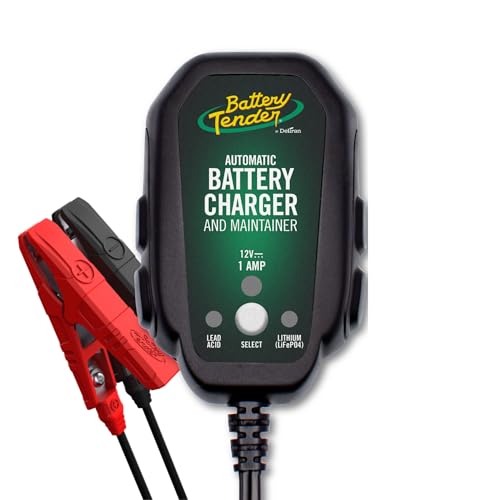
Battery Tender Junior 12V 800mA Charger and Maintainer

GOLDENMATE 12V 10Ah LiFePO4 Lithium Battery IP67

Tenergy 2 Pack Fire Retardant Lipo Bags 5.5×3.5×2 in

MARSENERGY 12V 100Ah LiFePO4 Battery Group 24 100A BMS
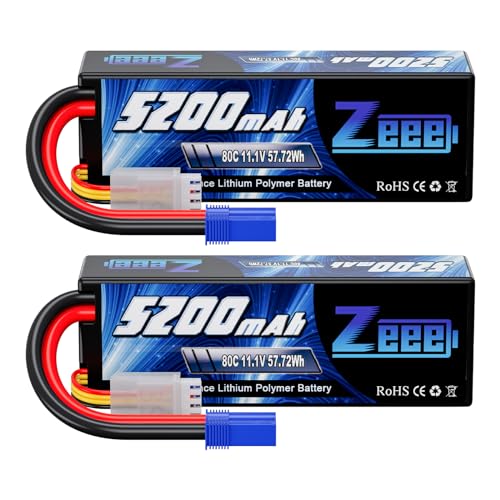
Zeee 11.1V 80C 5200mAh 3S Lipo with EC5 (2 Pack)

Zeee 7.4V 2S 50C 5200mAh Hard Case T Connector (2 Pack)

Zeee 22.2V 100C 6000mAh 6S Lipo with EC5
A Closer Look At Each Pick
Owners with seasonal vehicles know the pain of a dead battery come spring. The Battery Tender Junior solves that without requiring any technical know-how, and it works with both lead-acid flooded or AGM types and lithium LiFePO4 chemistries (lithium iron phosphate, a safer and longer-lasting lithium variant). A simple button switches between the two profiles, so the charger adapts to whatever battery you’re maintaining.
The 800mA output is gentle by design, which is exactly what you want for long-term maintenance rather than fast recovery. This unit makes the most sense for someone storing a motorcycle, ATV, or classic car over winter, or anyone who wants to keep a lithium backup topped up without babysitting it.
Everyday Perks
- Switchable chemistry profiles for lead-acid and lithium flexibility
- Float-mode maintenance keeps batteries at full charge indefinitely
- Compact footprint fits easily in a garage corner or workshop shelf
- Solid build quality from a brand known in the powersports world
Things To Consider
- 800mA is too slow for recovering a deeply discharged large battery in a hurry
- Not a charger for high-capacity deep-cycle banks; better as a maintainer
Quick Facts
Who It Suits Best
Powersports owners and seasonal drivers who want a set-and-forget maintenance charger that handles both lead-acid and lithium batteries without manual fussing.
Consider Something Else When
The MARSENERGY 12V 100Ah LiFePO4 Battery fits better for anyone building a deep-cycle off-grid or RV bank that needs real capacity, not just topping off.
Small jobs often need small batteries, and this 10Ah LiFePO4 (lithium iron phosphate) pack is built for the wet, messy, knock-around environments where lead-acid would normally groan. The IP67 rating means dust-tight and submersible to a meter for short periods, which is a genuine comfort on a kayak or a saltwater fishing trip. A built-in BMS (battery management system) protects against overcharge, deep discharge, and short circuits without you needing to wire anything extra.
At 10Ah, it won’t run a trolling motor all day, but it shines for kids’ power wheels, fish finders, LED camping setups, and emergency lighting. Compared to the Battery Tender Junior from slot one, this is the battery itself, not a charger, and it leans hard into portability rather than long-term maintenance.
Strong Points
- IP67 waterproof housing handles splashes, rain, and brief submersion
- Lightweight lithium chemistry makes transport and mounting easy
- Integrated BMS adds a layer of safety without extra hardware
- Long cycle life compared to a similarly sized lead-acid battery
- Versatile fit for power wheels, fish finders, and camping lights
Honest Caveats
- 10Ah capacity is modest for serious marine trolling motor use
- You may need a LiFePO4-compatible charger to get full lifespan benefits
Key Specs
Made For
Anglers, campers, and parents of power-wheel riders who want a compact, weatherproof lithium battery that survives rough outdoor use.
Look Elsewhere When
The MARSENERGY 12V 100Ah LiFePO4 Battery makes more sense for anyone running solar storage or RV house banks that need real amp-hour depth.
Lipoly batteries (lithium polymer, common in RC and drone applications) pack a lot of energy into a small space, and occasionally, when damaged or charged improperly, they can vent or catch fire. The Tenergy lipo bags address that risk directly. Each bag uses triple-layered flame-retardant material and a Velcro seal that limits airflow during a thermal event. The compact 5.5×3.5×2 inch dimensions fit common drone and RC packs including several DJI Mavic and Phantom series batteries.
For hobbyists already running Zeee packs from slots five through seven, or anyone storing charged lipo cells at home, this is one of the simplest insurance policies you can buy. The 2-pack format covers both charging and storage at the same time.
A Favorable Mix
- Flame-retardant triple-layer construction contains most venting incidents
- Velcro seal design helps reduce oxygen flow if something goes wrong
- Two bags per pack lets you charge and store separately
- Fits popular drone and RC battery sizes out of the box
Worth Noting
- Won’t fit very large 6S packs like the Zeee 22.2V unit reviewed later
- Bags wear out over years of use and should be replaced if heat-damaged
Right Fit For
RC hobbyists, drone pilots, and home-charging enthusiasts who want a low-cost layer of safety around their lipo charging routine.
Not Your Match When
Skip these if you’re working exclusively with LiFePO4 packs like the GOLDENMATE or MARSENERGY units, which don’t pose the same venting risk as hobby-grade lipo.
Deep-cycle 12v lithium batteries earn their keep in off-grid solar, RV house banks, and backup power setups where lead-acid simply can’t keep up. The MARSENERGY 100Ah pack uses the common BCI Group 24 case size, meaning it drops into the same trays many boats, campers, and small solar cabinets already have. A 100A BMS handles the heavy current demands of inverters, trolling motors, and residential-style loads without flinching.
For anyone building a serious portable power station or replacing a tired lead-acid bank, this is the heavy lifter of the list. Compared to the smaller GOLDENMATE 10Ah pack, this is ten times the capacity in roughly the same footprint family.
Bright Spots
- 100Ah capacity supports multi-day off-grid loads comfortably
- BCI Group 24 dimensions slot into existing battery compartments
- 100A BMS safely handles inverter and motor surge demands
- LiFePO4 chemistry offers a long usable lifespan compared to lead-acid
- Lightweight relative to the equivalent flooded lead-acid battery
Trade Offs
- Heavier and bulkier than the smaller hobby packs on this list
- Charging requires a LiFePO4-compatible profile for full longevity
Feature Snapshot
Best Suited To
Off-grid solar builders, RV owners, and boaters replacing flooded lead-acid banks who want a drop-in lithium upgrade with serious amp-hour depth.
A Better Fit Elsewhere
The Zeee 11.1V 80C 3S lipo makes more sense for RC hobbyists who need burst power, not multi-day storage capacity.
RC hobbyists live and die by C-ratings, which describe how fast a battery can safely discharge relative to its capacity. The Zeee 3S pack runs an 80C discharge rate on a 5200mAh cell, which translates into serious punch for 1/10 and 1/8 scale bashers and crawlers. The EC5 connector handles the high current without melting the way smaller plugs would. Hard-case construction adds physical protection for the inevitable crashes and flips.
The 2-pack format makes sense for racers who want a charged spare ready to swap in. Coming from the MARSENERGY deep-cycle review, this is a totally different world: shallow cycles, fast discharge, and short runtime in exchange for serious power density.
Good Reasons To Consider
- 80C discharge delivers strong acceleration and punch on demand
- EC5 connector is sized for high-current RC applications
- Hard case protects cells from track impacts and rough terrain
- 2-pack format supports back-to-back running sessions
Room For Improvement
- At roughly 380g per pack, two packs add noticeable weight to smaller RC builds
- Lipo chemistry requires careful storage, ideally in a fire-safe bag like the Tenergy unit from slot three
At A Glance
Who Will Love This
RC bashers, racers, and crawlers running 1/10 or 1/8 scale vehicles who want reliable punch and a spare pack ready to swap.
Swap It Out When
The Zeee 7.4V 2S pack from slot six is the smarter pick for smaller, lighter RC builds that don’t need 3S voltage.
The 2S configuration (7.4V nominal, meaning two cells in series) is the gentler cousin to the 3S pack from slot five. It runs cooler, weighs less, and suits entry-level RC vehicles, smaller crawlers, and on-road cars that don’t need aggressive voltage. The 50C discharge rating is still healthy enough for casual bashing without generating excessive heat. The T-connector is a common standard that fits many stock ESC wiring harnesses.
This is the pack I’d hand to someone just starting out in the hobby. It’s forgiving, broadly compatible, and the 2-pack format gives newcomers room to learn charging routines without being stranded mid-session.
Practical Pluses
- Lower voltage reduces stress on entry-level motors and ESCs
- Hard case construction protects against everyday impacts
- 5200mAh capacity suits typical short bash or cruise sessions
- Broad compatibility with stock T-plug harnesses
Small Caveats
- 50C discharge is lower than the 3S sibling, so top-end punch is more modest
Perfect Match For
Beginners and casual hobbyists running smaller-scale RC vehicles who want a safe, manageable lipo without overpaying for unused performance.
Reach For A Different Pick When
The Zeee 11.1V 80C 3S pack fits better for serious racers and large-scale bashers needing higher voltage and stronger discharge.
The top of the hobby-grade lipo ladder is the 6S configuration (22.2V nominal, six cells in series), and this Zeee pack runs at the extreme end with a 100C discharge rating. That combination is geared toward large-scale RC vehicles, high-performance drones, and competitive setups where voltage sag under load is the enemy. The 6000mAh capacity gives longer flight or run times despite the heavier power demands. EC5 connectors handle the sustained current without complaint.
This is the pack you graduate to after outgrowing 3S builds. Compared to the smaller Zeee units from slots five and six, this trades weight and complexity for outright performance.
The Upside
- 100C discharge rating supports extreme power demands with minimal voltage sag
- 6000mAh capacity delivers meaningful runtime in large-scale applications
- EC5 connectors handle sustained high current reliably
Factors To Consider
- At roughly 833g, this is the heaviest pack on the list and demands careful mounting
- 6S voltage requires compatible ESCs and motors rated for the load
- Charging and storage demand strict lipo safety practices, including a bag like the Tenergy from slot three
Whose Shelf It Belongs On
Experienced RC hobbyists, large-scale builders, and drone pilots running high-voltage setups who already understand lipo safety.
Skip It When
The Zeee 11.1V 3S pack from slot five is the smarter starting point for anyone new to the hobby or running modest 1/10 scale rigs.
Picking The Right 12v Lipo Battery For Your Setup
Voltage and Cell Count
The first decision is voltage, which is determined by cell count. A 12v Lipo battery in the hobby sense usually means a 3S configuration at 11.1V nominal, which sits close to 12V under load. LiFePO4 packs run at exactly 12V nominal per cell, so a single 12V LiFePO4 battery is one cell. Higher voltage setups like 6S at 22.2V belong to performance RC and drone builds rather than general-purpose power use. Matching the voltage to your motor, ESC, or device is the single most important step.
Capacity and C-Rating
Capacity in mAh or Ah tells you how long a battery will run, while the C-rating tells you how fast it can safely deliver that energy. For deep-cycle use like solar storage, capacity matters most and high C-ratings are irrelevant. For RC and racing, the C-rating is everything, because a battery that sags under load makes vehicles feel sluggish. Aim for the highest C-rating your budget allows within your capacity target.
Form Factor and Connectors
Group 24 case sizes drop into common RV and marine trays, which simplifies upgrades from lead-acid. RC packs follow no such convention, so measuring your battery tray and checking the connector type (EC5, T-plug, XT60, Deans) before ordering avoids the most common frustration. For deep-cycle LiFePO4 use, a built-in BMS rated for your expected load current is essential, and 100A covers most household and inverter setups.
Real-World Use Scenarios
A camper running LED lights and a small fridge benefits more from the MARSENERGY 100Ah deep-cycle pack than from any RC lipo. A basher running weekend races wants the Zeee 3S or 6S over anything bulky. A kayak angler benefits from the GOLDENMATE IP67 rating more than from raw capacity. Matching the battery to the environment and load pattern matters more than chasing the highest spec sheet numbers.
Key Considerations Across These Picks
Common Shopping Slip Ups
The most frequent mistake is buying a battery with the right chemistry but the wrong connector, then discovering it doesn’t fit the existing wiring harness. Another common slip is assuming any 12V charger works on LiFePO4; it doesn’t, and using a lead-acid profile shortens lithium cycle life. Hobbyists also underestimate the value of a lipo safe bag until the first swelling cell appears.
Where The Extra Money Goes
Higher-tier batteries earn their premium through better cell matching, stronger BMS circuitry, and tighter quality control. A premium 6S lipo delivers more consistent voltage under load, which directly translates to faster lap times and more predictable power delivery. In LiFePO4 land, premium pricing often reflects longer cycle ratings and better low-temperature performance, which matters for anyone using batteries in unheated sheds or winter camping.
Frequently Asked Questions
What’s the difference between a 12v Lipo battery and a 12V LiFePO4 battery?
A 12v Lipo battery is typically a 3S lithium polymer pack used in RC and drone applications, while a 12V LiFePO4 battery is a single lithium iron phosphate cell used for deep-cycle power storage. They share lithium chemistry but serve very different use cases.
Can I use a regular lead-acid charger on a LiFePO4 battery?
No, lead-acid chargers typically charge to higher voltages and use profiles that can damage lithium cells over time. A LiFePO4-compatible charger is required to reach full cycle life.
What does C-rating mean on an RC lipo?
The C-rating describes how fast a battery can discharge relative to its capacity. A 50C 5200mAh pack can theoretically deliver 260A continuously, which matters for high-performance RC vehicles.
Do I really need a fire-retardant lipo bag?
For hobby-grade lipo charging and storage at home, a fire-retardant bag is a low-cost layer of safety that contains most venting incidents. It’s not required, but it’s widely recommended in the hobby community.
How long do 12V LiFePO4 batteries last compared to lead-acid?
Quality LiFePO4 packs typically deliver several times the cycle count of flooded lead-acid batteries, especially at moderate depth of discharge. This is the main reason they have become popular for solar and RV use.
Final Verdict
The right 12v Lipo battery depends almost entirely on what you’re powering and how you use it. Deep-cycle LiFePO4 packs like the MARSENERGY 100Ah are the right call for solar and RV builds, while the Zeee 3S and 6S lipo packs handle RC and drone duty. The GOLDENMATE and Battery Tender Junior fill in the smaller niches nicely, and the Tenergy bags add a sensible safety net wherever hobby-grade lipo lives in your home. Match the battery to your load, environment, and connector setup, and the rest tends to take care of itself.
