

Tactical flashlights, home security cameras, smoke detectors, and night-vision gear all run on a slim 3V cell that most folks overlook until it dies at the worst moment. CR123A lithium batteries are the go-to for high-drain devices where dependable voltage matters more than recharging cycles. The picks below cover common household scenarios, professional gear, and emergency storage, so it’s easier to match a battery to how I actually use my stuff.
The Picks In Brief

rapthor CR123A 3V Lithium Batteries, 40-Pack, 1650mAh Non-Rechargeable
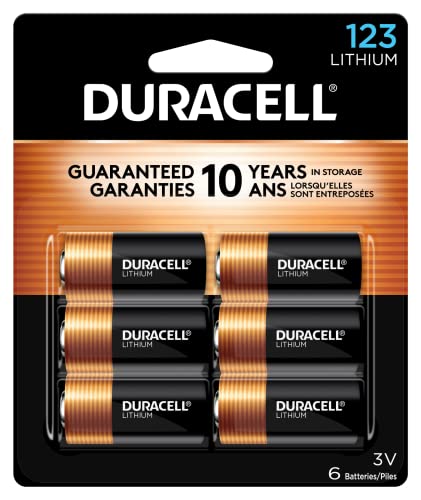
Duracell CR123A 3V Lithium Battery, 6 Count, 10-Year Storage, High Power
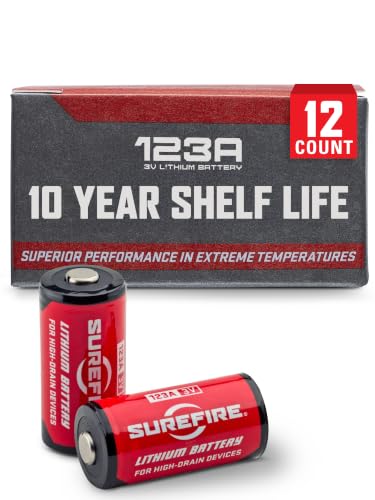
SureFire CR123A 3V Lithium Battery – 12 Pack SF123A Batteries

Blinkspower CR123A 3V Lithium Battery 6 Pack, 1700mAh 3 Volt 123 Batteries

CR123A 3V Batteries (4-Pack) Non-Rechargeable Lithium Battery 123

Amazon Basics 6-Pack Non-Rechargeable CR123A Lithium Batteries, 3 Volt

Panasonic BAT002 CR123A Lithium 3V Photo Lithium Batteries (Pack of 2)

POWEROWL CR123A 3V Lithium Battery 12 Count, High Capacity

PKNOVA CR123A Battery, 2 Count, CR123A Lithium Batteries, 3 Volt

rapthor CR123A 40pack Lithium Batteries Packs 1650mAh 3V Non-Rechargeable
Taking A Closer Look At The Options
A 40-pack tends to make sense only when a household runs several CR123A devices at once, and that’s the case here. Each rapthor cell delivers 1650mAh, which keeps tactical flashlights and wireless security sensors running through long stretches of standby without frequent swaps. The built-in PTC (a small Pressure, Temperature, Current safety circuit) prevents overcurrent and overheating, a feature I appreciate for devices that sit unattended for months.
Low self-discharge chemistry holds usable power for up to ten years in storage. Stocking a drawer with extras feels practical rather than wasteful, especially when the same cells also fit motion-sensor lights and digital cameras around the home.
Features That Help
- 1650mAh capacity stretches runtime in high-drain devices compared to lower-rated cells.
- PTC protection reduces the chance of overheating during heavy current draws.
- Ten-year shelf life means backup cells stay ready for emergency gear.
- Bulk packaging keeps cost-per-cell low for households with multiple CR123A gadgets.
Things To Consider
- Non-rechargeable chemistry means each cell gets discarded after use, which adds up across forty units.
- Owners commonly report capacity variance between individual cells in large bulk packs.
Who It Suits Best
Households running multiple sensors, flashlights, and cameras that all rely on CR123A cells.
Swap It Out When
Those who only need a handful of cells for a single device will find the Duracell 6-count a leaner fit.
Duracell’s CR123A is the safe choice when the priority is a brand name that hardware stores have stocked for decades. Lithium chemistry here handles the constant draw of home security cameras and the brief, intense pulses that smoke detectors require during monthly self-tests. Cold garages and hot attic closets don’t faze these cells much, which matters for outdoor motion lights in regions with real seasonal swings.
Compared to the rapthor bulk pack above, this 6-count trades volume for peace of mind. The ten-year storage guarantee means spares tucked into a junk drawer stay usable through long stretches of forgetting they exist.
Everyday Advantages
- High-power lithium chemistry keeps voltage stable under demanding loads.
- Wide operating temperature range suits outdoor fixtures and unheated spaces.
- Ten-year storage guarantee adds reassurance for rarely-used emergency gear.
- Compact 6-count fits a kitchen drawer without dominating storage space.
Worth Noting
- Capacity rating isn’t published for this listing, so direct runtime comparison against the rapthor or Blinkspower cells requires a bit of guesswork.
- Single-use only, so households cycling through cells quickly may prefer a rechargeable platform instead.
Key Specs
Made For
Smoke detectors, security cameras, and anyone who values a recognizable brand name in safety-critical devices.
A Better Fit Elsewhere
Folks feeding high-drain tactical flashlights may see longer per-charge runtime from the Blinkspower 1700mAh cells.
SureFire built its reputation around weapon-mounted lights and tactical flashlights that demand consistent high output. The SF123A cells are optimized for exactly that kind of high-drain use, so a 12-pack makes sense for anyone running a duty light, an EDC (everyday carry) rotation, or several headlamps that see real outdoor action. Wide temperature tolerance covers winter pre-dawn hunts and summer range sessions without voltage sag.
The 10-year shelf life here echoes what the Duracell and rapthor options offer, but the brand heritage tilts the appeal toward professional and enthusiast users. Most folks with a single nightstand flashlight can pass on this one.
A Strong Showing
- High-drain optimization keeps brightness steady in tactical and weapon-light applications.
- Wide operating temperature window handles outdoor extremes better than basic cells.
- 10-year storage life supports long-term range bag or emergency kit planning.
- 12-count packaging suits users with multiple flashlights in regular rotation.
Points To Keep In Mind
- Capacity isn’t published on the source listing, so comparing runtime to the Blinkspower 1700mAh cells takes some faith.
- Premium positioning may feel like overkill for low-drain household devices.
Right Fit For
Range-goers, security professionals, and flashlight hobbyists who actually push their cells hard.
Look Elsewhere When
Households needing general-purpose replacements for sensors and cameras may prefer the Amazon Basics 6-pack.
The headline number here is 1700mAh, which edges above what most CR123A cells publish and translates into measurably longer runtime for devices that draw hard. Security cameras that chew through batteries every few weeks, and tactical flashlights that see extended outings, both benefit from the extra capacity. Triple-layer leak protection guards the sensitive contacts in expensive gear, a worthwhile detail for anyone who has watched a corroded battery ruin a sensor board.
Where the SureFire pack leans on professional heritage, this one leans on raw capacity claims. For homeowners running outdoor cameras through winter, that extra runtime often matters more than a brand badge.
What Earns Its Place
- 1700mAh rating pushes runtime past standard CR123A cells in demanding devices.
- Triple-layer leak protection reduces corrosion risk on expensive electronics.
- Suited for security systems where battery access is awkward and infrequent.
Trade Offs
- Higher capacity often comes at a higher per-cell cost than the bulk rapthor options.
- Smaller pack size means fewer spares per purchase for multi-device households.
- Performance claims rely on manufacturer testing rather than independent confirmation.
Feature Snapshot
Who Will Love This
Owners of high-drain security cameras and tactical lights who want the longest possible runtime per swap.
Not Your Match When
Anyone building a 40-cell emergency stockpile will get more value from the rapthor bulk pack above.
Self-discharge rate (the slow loss of stored power when a battery sits unused) under one percent per year is the quiet selling point of this 4-pack. For devices that mostly sit on a shelf waiting for an emergency, that chemistry detail matters more than raw capacity. Smoke detectors in a guest bedroom, backup flashlights in a hall closet, and motion-sensor lights used seasonally all benefit from cells that stay close to full charge through years of inactivity.
The smaller pack size keeps the buy modest, which fits a household just starting to build a backup battery drawer. Compared to the Blinkspower option above, this trades runtime for storage longevity.
A Few Highlights
- Under 1% annual self-discharge keeps cells near full charge during long idle periods.
- Low self-discharge chemistry suits emergency devices and seasonal equipment.
- Modest 4-pack size lowers the upfront commitment for first-time backup buyers.
Honest Caveats
- Capacity isn’t listed, so direct runtime comparison against the Blinkspower or rapthor cells requires trust in the brand.
- Four cells covers only a couple of devices, which feels thin for whole-home coverage.
Quick Facts
Best Suited To
Households building emergency kits for rarely-used smoke detectors, flashlights, and weather radios.
Reach For A Different Pick When
Active daily-use devices like outdoor security cameras will drain these too quickly to justify the low-discharge trade-off; the POWEROWL 12-count suits that scenario better.
The Amazon Basics CR123A lands as a straightforward replacement cell for the kinds of devices most households already own. Flashlights, night-vision gadgets, and certain medical monitors accept these without complaint. A 10-year leak-free shelf life means the six-pack can sit in a garage shelf through multiple seasons of neglect and still deliver rated voltage when needed.
One explicit note from the manufacturer: these aren’t recommended for Arlo security cameras, and they’re one-time use only. Households running Arlo gear should look at the rechargeable line instead. For everyone else, this is a low-fuss pick.
Strengths Worth Knowing
- 1550mAh capacity covers typical flashlights and night-vision devices comfortably.
- Up to 10-year leak-free shelf life protects stored cells and the gear they power.
- 6-pack format balances spare supply with manageable storage footprint.
- Wide device compatibility for general household electronics.
Practical Considerations
- Manufacturer explicitly excludes Arlo security cameras from the recommended device list.
- One-time use design means frequent-cycling devices will burn through these quickly.
Built With In Mind
Everyday households replacing worn-out cells in flashlights, night-vision scopes, and similar general-use gadgets.
Where A Sibling Pick Shines
Arlo camera owners and anyone needing rechargeable chemistry should explore a dedicated rechargeable platform rather than this single-use option.
Panasonic’s CR123A cells were developed with photography and high-pulse applications in mind, and the operating temperature range from -40°C to 70°C makes them a natural fit for outdoor cameras and trail-monitoring gear. At 0.67 inches in diameter and 1.36 inches tall (17.0 mm x 34.5 mm), they match the standard CR123A form factor, so device fit isn’t a question.
The 2-pack is small by intention. Photographers swapping cells between bodies or outdoor enthusiasts topping off a trail-camera battery case both appreciate not committing to a larger count. Compared to the bulk rapthor option earlier, this trades volume for the Panasonic heritage.
Notable Gains
- Operating range from -40°C to 70°C covers extreme outdoor conditions.
- High current pulse discharge capability supports photography flash units.
- Standard 17.0 mm x 34.5 mm dimensions ensure universal CR123A fit.
- Strong energy density in a slim cylindrical package.
Points To Note
- 2-pack size means quick exhaustion for households running several devices.
- Lower per-pack count may inflate the per-cell cost compared to larger multipacks.
Technical Highlights
Whose Shelf It Belongs On
Outdoor photographers, trail-camera owners, and anyone needing reliable cells in extreme weather conditions.
Consider Something Else When
Whole-home backup needs call for the higher count and lower per-cell cost of the POWEROWL 12-pack instead.
POWEROWL positions this 12-pack as a versatile all-purpose supply for households juggling several CR123A devices. Built-in protections guard against corrosion and leakage, which matters when spare cells share a drawer with metal tools or sit in a humid garage. The 10-year shelf life keeps backup inventory viable for the long haul.
The mid-size count splits the difference between the rapthor 40-pack and the smaller 4- and 6-count options earlier. For most mixed households, 12 cells covers a year or two of casual swaps without dominating storage space.
Real Benefits
- Multiple internal protections reduce leak and corrosion risk.
- 12-count pack balances supply volume with reasonable storage footprint.
- 10-year storage life supports long-term backup planning.
- Suited for mixed device fleets across the household.
Trade-Offs To Consider
- Exact capacity rating isn’t published, so runtime comparison against the Blinkspower 1700mAh cells takes some faith.
- Anti-leak design helps, but cells stored in extreme heat still face some risk over many years.
Perfect Match For
Mixed-device households needing a reliable middle-ground count without committing to a 40-cell bulk pack.
Skip It When
Tactical flashlight enthusiasts chasing maximum per-cell capacity will prefer the Blinkspower 1700mAh option.
A 2-count solves a specific problem: keeping a couple of spare cells in a glove box, a travel bag, or a camera case without carrying bulk. PKNOVA lists compatibility with the usual CR123A cross-reference codes, including CR17345, DL123A, EL123AP, and SF123A, so device matching rarely trips people up. The 10-year shelf life keeps these spares viable through years of sitting in a backpack pocket.
For someone with a single flashlight or one security sensor, this small pack feels more proportionate than the rapthor 40-count above. It’s a sensible starter quantity before committing to larger stockpiles.
Key Advantages
- Compact 2-pack slips easily into travel bags and glove compartments.
- Broad cross-reference compatibility covers most CR123A device variants.
- 10-year shelf life keeps travel spares viable across long periods.
- Low upfront commitment for first-time CR123A shoppers.
Possible Compromises
- Capacity isn’t published, making direct runtime comparison difficult.
- Two cells covers only a single device, so multi-device households need multiple packs.
Who Should Grab It
Travelers, photographers, and anyone keeping emergency spares in a vehicle or small kit.
Another Choice May Suit
Whole-home device coverage calls for the larger Amazon Basics 6-pack or POWEROWL 12-pack.
This second rapthor listing offers the same 1650mAh capacity and 40-cell bulk packaging as the first entry, leaning on a PTC protection board to prevent overcurrent, overvoltage, and overheating. Operating temperature range from -40°C to 70°C opens up cold-weather trail cameras and hot-garage storage without much worry.
For households that have committed to a multi-year CR123A ecosystem, this duplicate bulk option reinforces how the brand approaches safety at scale. It’s a sibling to the first rapthor entry, and either one serves the same stockpile-building role.
Standout Benefits
- PTC protection board guards against overheat, overvoltage, and overcurrent.
- Operating range from -40°C to 70°C supports outdoor and extreme-condition use.
- 40-cell bulk format drives down the per-cell cost for high-volume users.
- 10-year shelf life keeps backup inventory usable across long stretches.
Details To Watch
- Bulk size overwhelms households with only one or two CR123A devices.
- Non-rechargeable design means spent cells need proper disposal in larger volumes.
Spec Overview
Who It Suits Best
Multi-room households, small businesses, and preppers building a long-term CR123A stockpile.
Where Another Pick Suits Better
Single-device users will find the PKNOVA 2-pack or Panasonic BAT002 more proportionate to their actual need.
Choosing The Right CR123A Setup For Your Gear
Capacity matters most for high-drain devices. Tactical flashlights, security cameras, and motion-sensor lights all draw current quickly, and a higher mAh (milliamp-hour) rating translates directly into longer runtime between swaps. The Blinkspower 1700mAh cells lead this category, while the rapthor 1650mAh packs sit close behind at a lower per-cell cost.
Self-discharge rate matters most for emergency devices. Smoke detectors, weather radios, and backup flashlights spend most of their lives idle. Cells with low annual self-discharge, like the HOLITH 4-pack, hold usable voltage through years of waiting.
Temperature tolerance matters most for outdoor gear. Trail cameras, garage sensors, and unheated cabin lights need cells that survive winter cold and summer attic heat. Panasonic’s -40°C to 70°C range covers the widest spread among these picks.
Pack count matters most for budget. Larger bulk packs like the rapthor 40-count drive down the per-cell cost, but only make sense when the household actually burns through that many cells. Smaller packs like the PKNOVA 2-count avoid waste when only one device needs occasional replacements.
Brand familiarity matters most for safety-critical devices. Smoke detectors and medical equipment benefit from recognizable names like Duracell or Panasonic, where long-term chemistry consistency is well documented.
Key Considerations Across These Picks
Where Shoppers Go Wrong
The most common mistake is grabbing whatever CR123A cells happen to be on hand without checking device compatibility. Arlo security cameras, for instance, don’t play well with the Amazon Basics non-rechargeable option and need a rechargeable platform instead. Cross-reference codes like DL123A, EL123AP, and CR17345 matter when matching a battery to a specific device, and skipping that step risks a no-fit situation.
Another trap is overbuying. A 40-cell bulk pack looks like a deal, but households with one flashlight and one smoke detector will sit on expired cells for years. Match the pack count to actual device count and usage frequency.
Where The Extra Money Goes
Higher-tier CR123A cells earn their cost through longer runtime, better temperature tolerance, and tighter quality control between individual cells. The Blinkspower 1700mAh cells cost more per unit because they last longer per swap. SureFire’s tactical positioning adds cost through high-drain optimization and brand heritage. For devices that draw hard or sit in harsh conditions, the upgrade pays back in fewer replacements and more reliable operation. For low-drain household gadgets, the mainstream options deliver enough performance without the premium.
