

AA batteries quietly run the household. They live inside remotes, game controllers, wireless mice, flameless candles, digital thermometers, flashlights, and the smoke detectors that protect my family at night. I wanted a set I could trust across all of those roles, so I dug through a decade of AA battery design, comparing rechargeable NiMH (nickel-metal hydride) chemistry against non-rechargeable lithium primaries to see what actually delivers.
This guide covers ten strong options across both chemistries, with the trade-offs explained plainly.
An Overview Of The Picks

Eneloop BK-3MCCA8BA AA 2100 Cycle Ni-MH 8-Pack

Eneloop BK-3MCCA4BA AA 2100 Cycle Ni-MH 4-Pack

Energizer Ultimate Lithium AA/AAA 48-Count

Eneloop QS-RXXW 4th Gen Ni-MH AA 4-Pack

Amazon Basics 100-Pack AA Alkaline Batteries

BEVIGOR AA Lithium Batteries 12-Pack for Blink

BEVIGOR AA Lithium 12-Pack Ultra 3500mAh
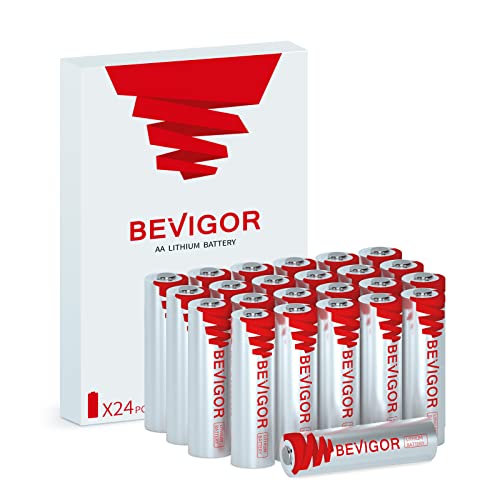
BEVIGOR 24-Pack AA Lithium 3000mAh

Energizer Ultimate Lithium AA Batteries 12-Count

Energizer Ultimate Lithium AA 2-Pack
The Details Behind The Selections
The Eneloop BK-3MCCA8BA set is the kind of bundle I recommend when someone wants one solid AA platform for nearly every device in the house. It’s an eight-pack of Ni-MH (nickel-metal hydride) rechargeables, factory-pre-charged so they work straight out of the box. Rated for roughly 2,100 recharge cycles, these cells are built for repeated use in things like game controllers, wireless keyboards, and TV remotes that would otherwise chew through alkaline cells.
For families running multiple high-drain devices, the eight-pack is roomy enough to cover several gadgets at once and still leave spares in the drawer. Compared to the 4-pack below, this version trades a smaller count for better long-term value.
Useful Highlights
- Pre-charged at the factory, so they’re usable immediately without a charging session.
- Rated for around 2,100 recharge cycles, which translates to several years of repeated cycling.
- Holds roughly 70 percent of its charge after long storage, so a spare set stays ready.
- Lower self-discharge (the slow loss of power when sitting idle) than older Ni-MH designs.
- Eight-cell count covers typical four-device households without scrambling for spares.
Things To Consider
- Requires a separate Ni-MH charger, which adds to the upfront spend.
- Voltage sits around 1.2 V, slightly under the 1.5 V of alkaline or lithium primaries, and a few very picky devices may show lower readings.
Who It Suits Best
Households that burn through AA cells in game controllers, flashlights, and remotes, and want a single rechargeable solution instead of disposable packs.
Consider Something Else When
The Amazon Basics 100-Pack AA Alkaline Batteries fits better for users who want a giant one-shot stockpile for low-drain remotes and clocks with zero charging routine.
This 4-pack version of the BK-3MCCA line drops the cell count in half but keeps the same core chemistry and lifecycle rating. For someone dipping a toe into rechargeables for the first time, a smaller starter pack feels less like a leap of faith. It’s a useful way to confirm whether a Ni-MH setup works for your devices before scaling up to the 8-pack.
The 2,100-cycle rating still applies, and the cells arrive pre-charged from the factory. Where the bigger 8-pack covers a busy household, this set works well for apartment dwellers or as a backup pair.
Real Benefits
- Same 2,100-cycle durability as the larger pack, so no compromise on lifespan.
- Factory pre-charge means the first device you put them in works right away.
- Low self-discharge behavior holds power between uses.
- Smaller commitment makes it easier to test whether rechargeables suit your gear.
Points To Note
- Only four cells, which means you may run out fast if you use several AAs at once.
- Still needs a dedicated Ni-MH charger, sold separately.
Made For
First-time rechargeable users who want to test the Ni-MH waters with a smaller, lower-commitment pack.
Look Elsewhere When
Energizer Ultimate Lithium AA Batteries 12-Count suits shoppers who want disposable cells that can sit unused for years and fire up instantly in extreme temperatures.
For households that run a mix of AA and AAA devices, the Energizer Ultimate Lithium variety pack pulls double duty. You get 24 AA and 24 AAA cells in a single bundle, all built on lithium primary chemistry (single-use, non-rechargeable lithium). Lithium primaries are valued for a long shelf life and stable performance across very wide temperature ranges.
This pack is genuinely useful as emergency prep for smoke detectors, weather radios, and backup flashlights. Where the Eneloop Ni-MH sets focus on repeat use, this option is about reliability over many years on a shelf.
What Stands Out
- Lithium chemistry handles extreme conditions from roughly -40°F to 140°F, which matters in unheated garages or attic spaces.
- Combined AA plus AAA count covers most household devices in one purchase.
- Long shelf life, commonly cited at around 20 years in storage.
- Lightweight construction reduces strain in handheld gear like headlamps.
- Leak-resistant build, widely reported to protect expensive devices when cells are left installed too long.
Things To Consider
- Non-rechargeable, so each cell is single-use and adds to ongoing spend for high-drain gadgets.
- Large bundle takes up storage room and feels excessive for small apartments.
The Right Fit
Prep-minded households that want a one-purchase lithium reserve covering both AA and AAA devices, including smoke alarms and emergency radios.
Skip It When
The Eneloop BK-3MCCA8BA AA 2100 Cycle Ni-MH 8-Pack makes more sense for users who prefer to recharge instead of replacing spent cells.
The fourth-generation Eneloop QS-RXXW bundle ships four pre-charged Ni-MH cells in a small plastic holder, which is a thoughtful storage touch. These cells are rated for around 2,100 recharge cycles, matching the broader Eneloop family. The bundled holder is the small detail that makes a real difference for keeping spares organized in a drawer or camera bag.
The cells are also noted for cold-weather performance, with claimed tolerance down to roughly -20°C. For outdoor photographers shooting in winter, or anyone powering a weather radio in an unheated workshop, that’s a meaningful upgrade.
A Strong Showing
- Includes a hard plastic holder that protects terminals during storage.
- Improved cold tolerance over earlier Eneloop generations, helpful for outdoor use.
- Rated around 2,100 recharge cycles, matching the more common BK-3MCCA series.
- Factory pre-charge allows immediate deployment without a charging wait.
Worth Noting
- Still requires a Ni-MH charger, which is not part of the bundle.
- Four-cell count may not satisfy households with many simultaneous AA needs.
Best Suited To
Outdoor users and hobbyists who need rechargeable AAs that can handle cold garages, winter photography, or remote sensors.
A Better Fit Elsewhere
BEVIGOR AA Lithium Batteries for Blink Camera 12-Pack fits better when rechargeable care is unwanted and long shelf life in harsh temperatures matters more.
The Amazon Basics 100-pack is pure volume. It’s 1.5 V alkaline cells designed for the low-to-moderate drain devices that pepper a typical home: TV remotes, wall clocks, simple toys, kitchen timers, and similar gear. Alkaline chemistry is the traditional mainstream choice, known for low cost and broad device compatibility, though each cell is single-use.
A stated 10-year shelf life gives you time to actually use that mountain of cells. Compared to the smaller Eneloop bundles, this is less about reuse and more about covering a large household in one purchase.
Everyday Advantages
- High-volume pack covers many devices at once and spreads the cost across years.
- 10-year shelf storage rating lets you stockpile without rush.
- Standard 1.5 V output matches the expected voltage for nearly all AA devices.
- No charger or maintenance routine required.
Things To Consider
- Non-rechargeable, so each cell becomes waste after use, which adds up in high-drain gear.
- Alkaline cells tend to perform poorly in very cold conditions compared with lithium primaries.
- 100 cells take up meaningful storage space.
Who Will Love This
Large families or anyone who wants a one-purchase stockpile of AAs for low-drain household devices like remotes and clocks.
Reach For A Different Pick When
The Eneloop BK-3MCCA8BA AA 2100 Cycle Ni-MH 8-Pack is the stronger choice for users with high-drain devices like game controllers, where recharging beats restocking.
The BEVIGOR AA Lithium 12-pack is shaped specifically around battery-hungry security cameras like the Blink system, where standard alkaline cells die in weeks. These are non-rechargeable 1.5 V lithium cells built around a leak-resistant, three-layer safety design with a claimed twenty-year storage lifespan.
For households running a few Blink cameras, the 12-pack means roughly two full replacements per camera before reordering. Compared to the BEVIGOR Ultra pack below, this version trades some raw capacity for a slimmer price point.
Useful Touches
- Three-layer leak-resistant construction helps guard against damage in outdoor-mounted cameras.
- Twenty-year shelf life means backup cells stay viable in a closet.
- Lightweight per cell at roughly 15 grams, useful for wall-mounted devices.
- Stable 1.5 V output keeps smart cameras reporting full power longer.
Points To Note
- Single-use only, so high-traffic cameras will burn through these faster than rechargeables would cycle.
- Lower raw capacity than the BEVIGOR Ultra sibling, so extremely busy cameras may need swaps sooner.
Made For
Smart home users running Blink cameras or similar security gear that drains alkaline cells far too quickly.
Not Your Match When
The Eneloop BK-3MCCA8BA AA 2100 Cycle Ni-MH 8-Pack makes more sense for mixed-use households that prefer recharging over replacement.
The BEVIGOR Ultra takes the camera-focused formula of the standard pack and pushes the capacity higher, with a 3,500 mAh rating per cell. That translates to noticeably longer runtimes in high-drain devices like smart locks, alarm system panels, and motion-sensing cameras. The chemistry is still non-rechargeable 1.5 V lithium, just with more stored energy per cell.
For users running multiple smart-home gadgets that each want two or four AAs, the larger reservoir per cell means fewer ladder climbs to swap cells. Compared to the 3,000 mAh BEVIGOR 24-pack, the trade is fewer total cells but more stamina per cell.
Where It Helps
- Higher 3,500 mAh capacity stretches the time between swaps in power-hungry smart gear.
- Lithium chemistry keeps a stable 1.5 V output under heavy load.
- Anti-leak winding technology helps protect expensive locks and panels.
- Lightweight at around 15 grams per cell, easy on door-mounted hardware.
Honest Caveats
- Still single-use, so the higher capacity also means more spent cells to recycle.
- Only twelve in the pack, which can disappear quickly in houses with several smart devices.
Who Should Grab It
Smart home enthusiasts with multiple locks, alarms, or security cameras who want longer intervals between cell swaps.
Swap It Out When
The BEVIGOR 24-Pack AA Lithium 3000mAh fits better for shoppers who want more cells at a slightly lower per-cell capacity for general household use.
The BEVIGOR 24-pack is the broader middle ground of the brand’s lineup: 24 non-rechargeable lithium AA cells at 3,000 mAh each, aimed at general-purpose household use. Flashlights, toys, and remote controls are the intended targets, where alkaline cells often feel slow and heavy.
For a family replacing a drawer of half-used batteries from a dozen devices, the 24-pack is generous enough to cover several rooms. Compared to the 12-pack Ultra above, this bundle spreads the cells across more devices rather than concentrating capacity into fewer slots.
Why It Works Well
- 24-cell bundle covers multiple flashlights, toys, and remotes in a single purchase.
- 3,000 mAh per cell keeps performance steady in moderate-drain gear.
- Lightweight at roughly 15 grams per cell, comfortable in handheld flashlights.
- Anti-short-circuit and drop protection on the packaging design, useful for busy households.
- About a 10-year storage lifespan, so backup cells stay ready when needed.
Trade-Offs To Consider
- Single-use chemistry, so high-turnover devices still drive replacement costs.
- Lower per-cell capacity than the BEVIGOR Ultra, so the longest-running smart cameras may want the higher-rated pack.
Who Should Grab It
Families with many flashlights, remotes, and toys that want a single big lithium bundle without specialized focus.
Another Choice May Suit
BEVIGOR AA Lithium Batteries 12-Pack Ultra 3500mAh is the stronger match when smart locks or alarms demand higher capacity per cell.
The Energizer Ultimate Lithium 12-count is a focused, mid-size version of the brand’s long-running lithium AA line. These are non-rechargeable 1.5 V cells built to deliver wide-temperature performance and a long shelf life, with operating range commonly cited from -40°F up to 140°F.
That temperature range makes them particularly attractive for outdoor enthusiasts who pack headlamps and GPS units, or for any device stored in an attic or vehicle through the seasons. Compared to the larger 48-count bundle, this 12-pack is a sensible mid-volume restock.
Key Advantages
- Wide operating range, roughly -40°F to 140°F, suitable for outdoor and vehicle use.
- Long storage life, widely reported at up to around 20 years.
- Leak protection is designed to help safeguard devices when cells are left installed for long stretches.
- Significantly lighter than alkaline, useful in handheld and wearable gear.
Points To Keep In Mind
- Single-use cells, so heavy-drain users will keep buying replacements over time.
- Twelve-cell count is mid-sized, so very busy households may need to reorder sooner than they’d like.
Perfect Match For
Travelers, campers, and outdoor photographers who want dependable lithium AAs for headlamps and cameras in extreme conditions.
Where A Sibling Pick Shines
The Energizer Ultimate Lithium AA/AAA 48-Count fits better for whole-home stockpiling where both AA and AAA devices need coverage.
The 2-pack version of the Energizer Ultimate Lithium line is the smallest sliver of the family, just two cells designed for quick top-ups. The same long-shelf, wide-temperature characteristics apply, including the typical -40°F to 140°F operating range and up to roughly 20 years of storage life.
This is the format I reach for when a single remote or thermometer dies and I want a fast, no-fuss replacement. Compared to the 12-count and 48-count bundles above, this is convenience packaging rather than stockpile material.
A Few Strong Suits
- Compact 2-cell format fits easily in a junk drawer or travel pouch.
- Wide temperature tolerance from around -40°F to 140°F.
- Leak-resistant design widely reported to protect devices left with cells inside.
- Long storage life, often cited up to about 20 years.
- Lightweight construction compared to alkaline cells.
Where It Is Less Suited
- Two cells barely make a dent in a busy household’s needs.
- Single-use, so the per-cell cost is higher than bulk options.
Built With In Mind
Anyone who just needs to replace a single dead remote and wants the same lithium performance as the larger packs.
Wrong Turns To Avoid
The Energizer Ultimate Lithium AA Batteries 12-Count suits shoppers who realize they want a real reserve after picking up this small pack.
What To Weigh Before Choosing AA Battery Chemistry
Rechargeable Ni-MH vs. Lithium Primary
Ni-MH cells, like the Eneloop family, are rechargeable. You invest in a charger once, then run each cell through hundreds to thousands of cycles, which makes them a strong long-term value for high-drain devices like game controllers. The trade-off is a slightly lower nominal voltage of about 1.2 V compared with 1.5 V, and the need to keep a charging routine going.
Lithium primary cells, like the Energizer Ultimate and BEVIGOR lines, are non-rechargeable but offer very long shelf life, lighter weight, and stable 1.5 V output across a wider temperature range. The trade-off is replacement cost over time, since every cell is single-use.
Match The Chemistry To The Device
Low-drain devices like remotes and wall clocks don’t pull much current, so alkaline or basic lithium cells can last many months without drama. High-drain devices like digital cameras, smart locks, and outdoor security sensors burn through alkaline in weeks, which is where rechargeable Ni-MH or higher-capacity lithium primaries start to pay off.
Capacity, Shelf Life, And Storage Habits
mAh ratings indicate how much energy a cell stores. Higher numbers generally mean longer runtime per use or per cell, but actual performance depends heavily on the device’s current draw. For stored spares, the shelf-life claim (often 10 to 20 years for lithium primaries) tells you how long the cells will still hold a usable charge when forgotten in a drawer.
Budget And Charging Setup
Rechargeables look more expensive upfront once you add a charger, but the per-cycle cost drops fast for frequent AA users. Lithium primaries cost more per cell, so they make sense when convenience and shelf life outweigh long-term spend. For someone unsure of the commitment, starting with a small 4-pack of Ni-MH is a low-pressure way to test the waters.
Shopping Smarter For AA Batteries
Common Shopping Slip Ups
The most common mistake is assuming all AA cells behave the same. Mixing old and new cells in a single device can drag performance down for the whole set, so swapping complete sets rather than individual cells tends to give better results. Another slip is buying the cheapest alkaline for a smart camera and expecting it to last. High-drain smart gear really does need lithium chemistry or frequent Ni-MH recharges to stay alive.
When Paying More Pays Off
Higher-tier lithium packs, like the Energizer Ultimate or BEVIGOR Ultra lines, cost more per cell but stretch the time between swaps in demanding devices. For smoke detectors, where reliability matters and you want long shelf life, the extra spend on premium lithium tends to justify the cost over a multi-year ownership cycle. For low-drain remotes and clocks, premium chemistry is usually overkill, and standard alkaline or basic lithium is plenty.
Frequently Asked Questions
Are lithium AA batteries better than rechargeable Ni-MH?
For long shelf life and stable output across temperature extremes, lithium AA primaries win. For high-drain devices used often, rechargeable Ni-MH cells like Eneloop usually save money over time, since each cell can be topped up hundreds of times.
Can I use lithium AA batteries in any device that takes alkaline?
In most cases, yes. Devices designed for 1.5 V alkaline cells generally accept 1.5 V lithium cells without issue. A handful of very specific devices may have voltage or chemistry restrictions, so check the device manual for specialty gear.
How long do rechargeable AA batteries last per charge?
Runtime depends entirely on the device. Low-drain remotes may run months on a single charge, while game controllers and wireless mice may need a recharge every few weeks. Ni-MH cells gradually lose charge sitting idle, while lithium primaries can sit unused for years.
Do lithium AA batteries leak less than alkaline?
Lithium primaries are widely reported to resist leaks better than alkaline cells, which is one reason they are commonly recommended for expensive or hard-to-reach devices. No chemistry is leak-proof in every condition, but lithium generally has a stronger track record here.
Is it worth buying a charger for rechargeable AA batteries?
For anyone running multiple high-drain AA devices, a charger usually pays for itself within a year or two, since the per-cycle cost drops dramatically. For low-drain, occasional use, sticking with disposable cells keeps things simpler.
The Takeaway
The right AA battery depends on the devices, the climate, and how much recharging routine someone actually wants. Rechargeable Ni-MH cells from Eneloop make sense for heavy everyday use, while lithium primaries from Energizer and BEVIGOR shine in extreme temperatures, security gear, and long-term storage. Pick the chemistry that matches the workload, and the rest falls into place.
