

Shopping for breaker panels means balancing amp capacity, circuit count, and whether you need a portable power outlet or a full indoor load center. I put this roundup together for homeowners upgrading a garage sub-panel, contractors wiring a job site, and anyone planning a backup generator hookup. The right panel depends on your existing main breaker brand, the total amperage your home actually draws, and how many circuits you want to leave room to grow into.
Your Options, Compared

LATING Generator Interlock for Eaton Cutler Hammer BR Series Panels

Siemens TL137US Talon Temporary Power Outlet Panel with Conduit Hub

GenInterlock SD-200VL Square D Generator Interlock Kit

PN Series 125 Amp 30-Space 48-Circuit Plug-On Neutral Load Center
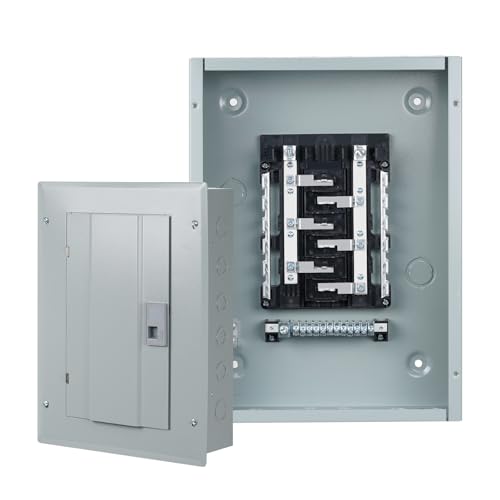
THQL 12-Space 125A Indoor Main Lug Load Center
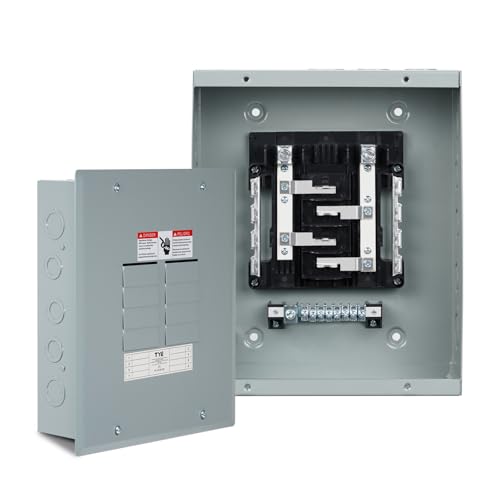
THQL 8-Space 125A Indoor Main Lug Load Center
THQL 4-Space 125A Indoor Main Lug Load Center

Flngr Generator Interlock Kit for GE Vertical Main Panels

Siemens TL137US Talon Temporary Power Outlet Panel with Main Breaker

Square D QOM100VHCP QOM1 100-Amp Main Breaker
More On The Choices That Made The List
A generator interlock kit is a small but critical piece of hardware. It physically prevents your main breaker and a back-feed generator breaker from being on at the same time, which protects line workers and your home’s wiring. The LATING kit targets Eaton Cutler Hammer BR Series load centers, including CH Series panels with plug-on neutral layouts, rated for 150 to 200 amp service.
Compared to the larger load centers later in this list, this is a focused accessory, not a full panel. For homeowners in storm-prone regions who already own a compatible Eaton panel, it solves a real safety gap without requiring a full service upgrade. The fit is specific, so double-checking your breaker spacing matters before ordering.
Key Advantages
- Fits Eaton BR panels with 1-1/4 to 1-7/16 inch spacing between the main and generator breakers
- Also works with CH Series panels that use a plug-on neutral configuration
- Brushed aluminum finish helps resist corrosion in damp basements or garage corners
- Allows safe back-feeding from a portable generator without a dedicated transfer switch
Things To Consider
- Spacing tolerance is tight; measure between your main and branch breakers before ordering
- Installation requires drilling your existing panel cover, which may discourage renters
Made For
Eaton BR or CH Series panel owners who want a code-friendly generator interlock without hiring an electrician for a transfer switch.
Skip It When
Your home runs Square D or GE panels, in which case the GenInterlock SD-200VL or the Flngr GE interlock will match your breaker spacing.
The Talon line from Siemens is built for sites that need power before permanent wiring goes in. This particular panel ships with 20, 30, and 50-amp receptacles already installed, so framers, electricians, and concrete crews can plug in tools on day one. The gray NEMA 3R-style cabinet is rated for outdoor mounting, and an elevated cover with a padlock cutout keeps curious hands away.
Unlike the LATING kit above, this is a complete standalone outlet post. The included EC38597 conduit hub accepts 1-1/4 inch runs, which keeps the wire path clean when you surface-mount to a pole or wall. For most contractors rotating between sites, this is the workhorse option, though the unmetered design means you cannot bill tenants directly.
Real-World Strengths
- Three receptacles (20A, 30A, 50A) cover standard tools, RVs, and small welders on one post
- Surface or pole-mount versatility suits construction trailers and permanent RV pads alike
- Each receptacle is protected by its own Siemens circuit breaker inside the cabinet
Worth Noting
- Unmetered; add a separate meter base if billing is part of your plan
- Bundled conduit hub is a specific 1-1/4 inch size, which limits adapter choices
- Outdoor rating adds weight, so confirm your pole or wall framing can handle the load
Feature Snapshot
Best Suited To
General contractors and RV park owners who need a code-listed outdoor power post that arrives ready to mount.
Look Elsewhere When
You need a metered setup for billing tenants; consider the Siemens TL137US with main breaker (item 9) instead.
Square D QO and Homeline panels are everywhere in U.S. homes, which makes a brand-matched interlock kit worth keeping in mind. The GenInterlock SD-200VL is designed for Square D vertical main breakers rated between 150 and 200 amps. Spacing between the main and the branch breaker needs to fall between 3-1/4 and 4 inches, which covers most full-size QO load centers.
Switching from the Siemens temporary panel above, this is strictly a safety accessory. It includes the interlock plate, a drill bit, and labeling, which is a thoughtful bundle for someone doing the work themselves. Panel and breakers are sold separately, so budget for a back-feed breaker if your setup does not already have one.
Practical Advantages
- Met lab listed E113887, a meaningful certification for code inspectors
- Kit ships with drill bit and labeling for a cleaner install
- Works with both 150 and 200 amp vertical main breakers in the Square D lineup
Trade Offs
- Only fits vertical main configurations, not horizontal
- Panel cover must be drilled, which may not appeal to homeowners renting
Right Fit For
Square D QO or Homeline owners in regions with frequent grid outages who want a code-listed interlock without an electrician visit.
Reach For A Different Pick When
Your home uses Eaton BR panels, which is the lane where the LATING kit earlier in this list fits much better.
For whole-home rewires or new construction, an indoor load center is the heart of the system. The Siemens PN Series offers 30 spaces and 48 circuits, which is generous headroom for most 1,500 to 2,500 square-foot homes. The plug-on neutral design accepts the brand’s PON breakers without the extra pigtail clutter, and the copper bus adds long-term conductivity advantages over aluminum.
Where the smaller THQL boxes below fit a single room or shed, this PN panel handles an entire branch circuit layout. A main lug design means you pair it with a separate upstream breaker, which adds flexibility during service upgrades.
Noteworthy Benefits
- Plug-on neutral compatibility cuts install time and reduces wiring clutter
- 30 spaces leaves room to grow as EV chargers or heat pumps come online
- Copper bus bars typically run cooler and last longer than aluminum equivalents
- Insta-wire neutral and ground system speeds up termination work
Honest Caveats
- Indoor-rated only; not suited for outdoor mounting without an additional enclosure
- 125 amp main limits very large homes with heavy electric heating loads
- Requires matching Siemens PN breakers, which cost more than generic alternatives
Quick Facts
Who It Suits Best
Electricians and homeowners doing full-service rewires in mid-size homes who want a copper bus and modern plug-on neutral convenience.
Where Another Pick Suits Better
The Square D QOM100VHCP main breaker is a better match if you need a replacement main breaker for an existing QO or Homeline panel.
Sub-panels are how you extend a service without re-running wires from the main. The JINDOUZI THQL 12-space panel supports up to 125 amps and handles 120/240 volt distribution, which covers most detached garages, workshops, and additions. The NEMA 1 steel enclosure is meant for clean, dry indoor spaces, so it is best mounted on a garage interior wall rather than out by the driveway.
Compared to the larger Siemens PN unit above, this trades capacity for a smaller physical box. For homeowners feeding a workshop with a few 240V tools and standard lighting circuits, 12 spaces hits a practical sweet spot.
A Few Strong Suits
- 125A headroom handles most 240V woodworking or metalworking tools
- Compact footprint fits between standard wall studs without crowding
- Main lug design pairs easily with an existing feeder breaker upstream
Points To Note
- Steel enclosure requires indoor mounting; exterior installs need a weatherproof cover
- 12 spaces fill quickly if you plan multiple 240V appliance circuits
Technical Sheet
Who Will Love This
DIYers and homeowners adding a sub-panel to a garage or workshop where a mid-size circuit count makes sense.
Not Your Match When
You need a much smaller footprint for a tight utility closet; the THQL 8-space box (item 6) or 4-space box (item 7) fits better.
An 8-space load center hits the sweet spot for additions, sheds, and basement finishes where you only need a handful of circuits. Same 125A rating as the 12-space version, but a more conservative footprint. For projects with one 240V appliance and a few lighting runs, this avoids paying for extra spaces you will not use.
Like its sibling above, this is an indoor NEMA 1 enclosure, so plan to mount it in a dry spot. If your project is going outdoors, look at the Siemens Talon panels earlier in the list.
Everyday Wins
- Compact box tucks into shallow walls and tight utility closets
- 125A capacity supports most small-building loads comfortably
- Main lug design keeps the feeder wiring flexible
Some Limits To Know
- 8 spaces run tight the moment you add more than one 240V appliance
- Indoor-rated enclosure; exterior use requires a separate weatherproof housing
Perfect Match For
Homeowners finishing a basement bedroom, detached shed, or small addition where circuit count is modest.
Consider Something Else When
You expect to grow into more circuits in the next few years; the THQL 12-space unit (item 5) gives you more breathing room.
Sometimes you genuinely only need four circuits. A pool pump, a couple of landscape lighting runs, and maybe an outlet or two add up quickly, and the THQL 4-space panel keeps the install tidy. The 125A rating is generous for the circuit count, so headroom is not the issue. Layout space is.
This is the smallest member of the THQL family reviewed here, and it skips the UL listing that some inspectors look for. Worth checking with your local permit office before committing, especially for permanent residential installs.
Everyday Advantages
- Tiny footprint fits in utility closets and shallow walls
- Plenty of amp capacity for the limited circuit count
- Simplifies branch wiring for small outbuildings
Points To Keep In Mind
- Source notes no UL approval, which may complicate permit sign-off
- Four spaces offers almost zero expansion room
The Right Fit
Homeowners powering a small landscape lighting setup, a pool pump circuit, or a similar minimalist load.
A Better Fit Elsewhere
The THQL 8-space panel (item 6) makes more sense if you anticipate adding even one more circuit in the near future.
GE vertical main panels are common in homes built from the 1980s through the early 2000s, and they need their own interlock solution. The Flngr kit targets 150 and 200 amp GE panels where the spacing between the main and branch breakers measures 2-1/4 inches. It serves the same safety role as the Eaton and Square D interlocks earlier in the list, just for a different brand family.
Spacing is the make-or-break detail here, so measuring before ordering saves a return trip. For homeowners with confirmed GE vertical mains, this is a focused accessory that fills a real gap.
What It Does Well
- Matches GE vertical main 150 and 200 amp panels specifically
- Provides a safe back-feeding path from a portable generator
- Helps avoid the cost of a separate transfer switch for occasional outages
Minor Gripes
- Spacing requirement of exactly 2-1/4 inches leaves little tolerance
- Drilling the panel cover is required for installation
Whose Shelf It Belongs On
Owners of GE vertical main breaker panels who want a brand-matched interlock for generator use.
Swap It Out When
Your panel is from Eaton or Square D; the LATING kit (item 1) and GenInterlock SD-200VL (item 3) match those brands respectively.
Where the unmetered Talon panel earlier in the list pairs with an upstream disconnect, this version ships with a 125 amp main breaker built in. That distinction matters for permanent RV sites and small commercial applications where you need overcurrent protection baked into the post itself. The same 20, 30, and 50-amp receptacle trio is included, so tool and RV compatibility stays consistent.
For RV park owners standardizing on Siemens hardware across multiple sites, choosing between this and the unmetered Talon depends mainly on whether the upstream service already provides breaker protection.
A Few Highlights
- Built-in 125A main breaker removes the need for a separate disconnect upstream
- Outdoor rating handles permanent pad installations in any climate
- Padlock-ready cover deters tampering between site rotations
Honest Caveats
- Unmetered, so billing requires a separate meter base
- Heavier than breaker-less variants, so pole or wall framing deserves a second look
Built With In Mind
RV park owners and permanent outdoor sites that need a self-contained power post with built-in overcurrent protection.
Another Choice May Suit
The Siemens TL137US without the factory main breaker (item 2) is a better match for sites where the upstream panel already provides disconnect protection.
Sometimes you do not need a whole new panel; you need to replace a single component. The Square D QOM100VHCP is a 100 amp main breaker in the QOM1 frame size, designed for QO and Homeline load centers rated up to 125 amps. It bolts into the main position and provides the overcurrent protection that the rest of the panel relies on.
Switching from the full load centers above, this is a service-parts pick. The 22kA interrupting rating is a meaningful spec for panels on service entrance feeds, where fault currents can spike. Easy plug-on design with Homeline load centers means the install only takes a couple of spaces.
Positive Points
- 22kA interrupting rating handles common service entrance fault levels
- Bolt-on install with Homeline load centers needs only two spaces
- Brand-matched for QO and Homeline panels, no adapter hardware required
Where It Is Less Suited
- Only fits QO and Homeline panels up to 125A; mismatches are common with older setups
- Field installation requires shutting down the main service, which most homeowners should not attempt alone
Who Should Grab It
Homeowners and electricians replacing a failed main breaker in an existing Square D QO or Homeline panel.
Consider Something Else When
Your panel is a Siemens PN or one of the JINDOUZI THQL boxes, in which case brand-matched breakers from those lines fit properly.
What Matters Most Before Choosing Breaker Panels
Start with the amperage your service actually needs. Most modern single-family homes sit comfortably between 100 and 200 amps, but adding an EV charger or heat pump can push you toward 200A territory quickly. An interlock kit like the LATING or GenInterlock only works if your existing main breaker falls within the supported rating range.
Next, think about circuit count and physical size. A whole-home rewiring project deserves a 30-space panel like the Siemens PN Series. A garage sub-panel only needs 8 to 12 spaces, which is why the THQL lineup exists in three sizes. Measure your wall space before ordering; nothing derails an install faster than a panel that does not fit between studs.
Finally, decide whether you need a load center, an interlock, or a temporary power post. Temporary panels from the TL137US family make sense on construction sites and RV pads, but they are overkill for indoor residential use. Match the gear to the job, and double-check brand compatibility before adding any accessories.
Things To Weigh Before Committing
Common Shopping Slip Ups
The biggest mistake I see is buying an interlock kit without confirming breaker spacing. Eaton, Square D, and GE panels all use different physical layouts, and a kit that fits one brand will not fit the rest. Measure between your main and branch breakers, and check the panel label, not a generic compatibility chart. Permit offices in some jurisdictions also reject panels without UL listings, so verify that detail before committing to the THQL 4-space option.
When Paying More Pays Off
Premium panels like the Siemens PN Series cost more up front, but the copper bus and plug-on neutral design tend to outlast budget aluminum-bus enclosures. Copper handles thermal cycling better, which matters in homes where the panel sees heavy daily load. For most full-time residential installs, that extra spend translates into fewer surprises a decade from now.
Frequently Asked Questions
What size breaker panel do I need for a 1,500 square foot home?
Most homes in that range run comfortably on a 125A main breaker with 30 to 40 circuits of headroom. The Siemens PN Series is a solid match if you want room to grow into EV charging later.
Can I install a breaker panel myself?
Local codes vary, but most jurisdictions require a licensed electrician for service entrance equipment and any panel replacement. Interlock kits and sub-panels downstream of an existing main are sometimes allowed as homeowner work; always check with your permit office first.
What is the difference between a load center and a temporary power panel?
A load center is a permanent indoor distribution box for branch circuits. A temporary power panel like the Siemens Talon TL137US is an outdoor-rated post with receptacles designed for job sites and RV hookups, often unmetered.
Do I need an interlock kit if I have a transfer switch?
No. A transfer switch already isolates the generator from the grid, which is the same safety role an interlock plays. Interlocks are a budget-friendly alternative when a full transfer switch is not in the plan.
How do I know if my panel is vertical or horizontal?
Look at the main breaker; vertical main breakers run up and down along one edge of the panel, while horizontal mains run across the top or bottom. The GenInterlock SD-200VL only fits vertical mains, so this detail matters for that kit.
The Takeaway
Breaker panels are not glamorous, but they are the backbone of every safe electrical install. Match the gear to your service size, your circuit count, and your existing brand family, and the rest of the project gets noticeably easier. The right pick here is the one that fits your panel layout today and leaves room for the circuits you might add tomorrow.
