

Portable power used to feel like a specialty buy. Now it’s a regular tool for anyone who camps, works remotely, lives in storm country, or just wants a backup for the fridge during a blackout. The trick on a budget is finding the right balance of capacity, ports, and portability without paying for features you’ll never touch. I put together ten picks that span the spectrum, from phone-charging bricks to full home backup, so you can match gear to the way you actually live.
The Main Contenders

ZeroKor Portable Solar Generator 300W with Foldable 40W Panel

AFERIY Nano100 31000mAh Power Bank Station, 100W PD
Anker SOLIX C300 Portable Power Station, 288Wh

WEN DF480iX 4800-Watt Dual Fuel Inverter Generator

GRECELL Portable Power Station 1000W 999Wh

PGYOB Portable Power Bank Power Station, 27000mAh

OUPES Mega 1 Portable Power Station 1024Wh 2000W

Anker 521 Portable Power Station, 256Wh LiFePO4

Westinghouse 6600W Home Backup Portable Generator
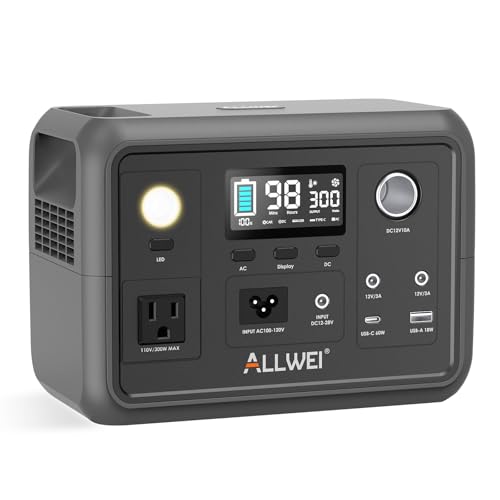
ALLWEI Portable Power Station 300W, 256Wh LiFePO4
The Details Behind The Selections
The ZeroKor bundle stands out because everything you need to charge off-grid ships in one box: a 300W station and a folding 40W panel that lays flat or tilts on a camp chair. For someone dipping a toe into solar, that single purchase removes the usual anxiety about matching panel wattage to station input.
The 280Wh lithium pack handles phones, headlamps, a laptop, and small fans for a couple of days. Two 110V pure sine wave (clean AC, safe for sensitive electronics) outlets, a DC car-style port, and several USB outputs cover most casual loads. The included SOS flashlight is a small but real plus when the trail goes dark.
Features That Help
- Panel and station are tuned to each other, so first-timers skip the compatibility guesswork.
- Battery management system protects against short circuits, surges, and overheating during a long weekend.
- Pure sine wave AC output won’t bother laptops or camera batteries that dislike dirty current.
- Gas-free, low-noise operation makes it friendly in tents and inside a small cabin.
Worth Noting
- 280Wh runs out fast for anything that heats or cools, so don’t plan to power a kettle or a mini-fridge for long.
- ZeroKor recommends recharging every two weeks when idle, or the cells lose capacity over time.
- The 40W panel is more trickle charger than fast refueler, so cloudy days mean slow recovery.
Key Specs
Who It Suits Best
Newcomers to portable solar who want a complete starter kit and don’t plan to run heavy appliances.
A Better Fit Elsewhere
Anyone needing serious capacity for a multi-day trip should look at the OUPES Mega 1 Portable Power Station instead.
The AFERIY Nano100 sits in the gap between a phone power bank and a full power station. With 99.2Wh capacity and 100W USB-C PD (Power Delivery, a fast-charging standard for laptops and phones), it can refill a MacBook while still topping off a phone in parallel.
For remote workers bouncing between coffee shops and coworking spaces, that combination is the daily driver. There’s no AC outlet, so don’t expect to run a printer or a kettle, but the USB-C focus keeps weight and bulk down to briefcase-friendly.
What It Does Well
- 100W USB-C PD handles most modern laptops without a separate brick.
- Dual-port output pushes 145W combined, so a laptop and phone charge at full speed.
- Compact brick format slips into a backpack pocket rather than a cargo tote.
- Smart battery management guards against the usual overcharge and heat risks.
Trade Offs
- No AC outlets mean hair tools, camera chargers, or small appliances stay off the menu.
- 99.2Wh lands just under the FAA carry-on ceiling for air travel, so verify airline rules before flying.
- Capacity runs short for anything beyond a workday, so heavy users carry a second brick.
Right Fit For
Digital nomads and students who need laptop-grade USB-C power in a small, carry-on-friendly shell.
Look Elsewhere When
Campers who need AC for lights or a small cooler will find more range in the Anker SOLIX C300 Portable Power Station.
The Anker SOLIX C300 punches above its weight class by squeezing eight ports into a footprint smaller than a car battery. For weekend campers, that translates to fewer compromises: phones, a camera, a drone, and a small fan all stay alive without daisy-chaining adapters.
The 288Wh cell and 300W AC output (600W surge) cover overnight trips and short power blips. Two USB-C ports at 140W each are the real headline, since they recharge the station itself fast and feed hungry laptops without throttling.
Standout Benefits
- Eight output ports, including three AC outlets and dual high-wattage USB-C, handle a full device load at once.
- 140W two-way USB-C input means the unit refills in a fraction of the time older stations need.
- Compact shell fits in a car trunk without rearranging the cooler and the duffel.
- 300W continuous output handles small kitchen gear and camera chargers without tripping.
Points To Keep In Mind
- 288Wh drains quickly under heavier loads like a 100W projector or constant laptop charging.
- Solar panel is optional rather than included, unlike the ZeroKor bundle.
- Peak output tops out at 600W, so power tools and hair dryers stay off the table.
Made For
Travelers and weekend campers who want one compact box that charges everything in their bag.
Swap It Out When
People running CPAP machines or mini-fridges overnight should look at the GRECELL Portable Power Station 1000W 999Wh instead.
The WEN DF480iX is a different animal than the lithium stations earlier in this list. It’s a fuel-burning inverter generator (inverter means it produces clean, stable power safe for electronics) that delivers 4800 surge watts on gasoline or 4320 on propane. For RV owners, food truck operators, and homeowners who need real appliance power, that kind of headroom is the whole point.
Compared to the battery stations above, this trades silent operation for raw wattage. The trade-off shows up in fuel storage, exhaust placement, and routine oil changes, but the upside is running an RV air conditioner or a jobsite saw.
What Works In Its Favor
- Dual fuel capability lets owners swap between gasoline and propane based on what’s available.
- Clean inverter output protects laptops and modern appliances with sensitive circuit boards.
- Electric start removes the pull-cord struggle after long storage.
- RV-ready outlets plug straight into a camper without an adapter.
Room For Improvement
- Fuel-burning operation means outdoor placement and routine maintenance, not silent indoor use.
- Heavier and louder than any lithium station on this list, so apartment dwellers should look elsewhere.
- Propane runtime runs shorter than gasoline, so plan tank swaps for long outages.
Best Suited To
RV travelers, tailgate hosts, and homeowners who need real appliance power during extended outages.
Reach For A Different Pick When
Anyone wanting quiet indoor backup for a CPAP or laptop should grab the Anker 521 Portable Power Station instead.
GRECELL positions this station as the bridge between weekend warriors and full off-grid setups. The 999Wh capacity and 1000W continuous output handle multi-day camping, van life, and home backup for essentials without breaking a sweat.
Pure sine wave AC output keeps electronics safe, and the 10-port lineup covers just about any device scenario. A 10W wireless charging pad on top is a small luxury that quietly replaces a cable on the nightstand.
Bright Spots
- 999Wh capacity stretches to multi-day trips for laptops, lights, and a small fridge.
- 1000W continuous output with 2000W surge handles real appliances, not just gadgets.
- Triple recharge modes via wall, solar, or car with pass-through charging (use the station while it charges) keep flexibility high.
- Wireless charging pad on top eliminates one cable on the bedside table.
Some Limits To Know
- Sub-1000Wh capacity still falls short of true home backup for HVAC or well pumps.
- Heavier than the 300W-class stations, so plan for two hands and a sturdy cart.
- Solar panel not included, so buyers add that cost on top.
Quick Facts
Whose Shelf It Belongs On
Multi-day campers and van lifers who need sub-kWh capacity with real appliance support.
Consider Something Else When
Whole-home outage cover calls for the Westinghouse 6600W Home Backup Portable Generator instead.
PGYOB solves a problem most buyers don’t realize they have: the missing cable. This 99.9Wh unit ships with two built-in charging cables tucked into the body, so the only thing in the bag is the station itself.
For travelers juggling a phone, a laptop, and a watch charger, that cable-free approach is refreshing. The Type-C port supports 22.5W fast charging, which most modern phones use, and the multi-protect safety system handles overcurrent and overheat events.
Everyday Advantages
- Built-in cables eliminate the rummage-for-the-cord moment in airports and hotel rooms.
- 22.5W fast charging tops off most phones to about 60% in half an hour.
- SOS flashlight adds an emergency signal function beyond a basic lamp.
- Compact shell slides into a daypack next to a water bottle.
Less Ideal Details
- No AC outlet, so the unit stops at USB-class devices.
- 99.9Wh sits below airline carry-on limits, but verify current rules before flying.
- Built-in cables limit which devices connect without an adapter.
Who Should Grab It
Travelers and commuters who want phone-grade power in one self-contained brick.
Where Another Pick Suits Better
Anyone running a laptop through AC adapters will get more from the Anker SOLIX C300 Portable Power Station.
The OUPES Mega 1 is built for people whose power needs keep growing. The base 1024Wh capacity pairs with modular B2 expansion batteries, scaling the system up as the household or campsite demands more runtime.
The 2000W continuous output handles induction cooktops and space heaters in a pinch, while the 4500W surge tolerates the startup spike of refrigerators and power tools. Fast AC charging hits 80% in roughly 36 minutes, which is fast for a unit this size.
The Case For It
- Modular expansion lets capacity grow with the user rather than forcing a replacement buy.
- 2000W continuous and 4500W surge handle appliances most stations refuse.
- Combined AC and solar input refills to 80% in around 26 minutes.
- Multiple output ports cover household and jobsite scenarios at once.
Worth Bearing In Mind
- Expansion batteries are sold separately, so the headline price only covers the base unit.
- Heavier than compact 300W stations, so consider wheeled transport.
- Solar input requires careful panel sizing for the fast-charge claims to hold up.
Built With In Mind
Off-grid households and growing families who want a station that scales with their power needs.
Skip It When
Lightweight weekend campers will find the Anker 521 Portable Power Station easier to carry.
The Anker 521 uses LiFePO4 chemistry (lithium iron phosphate, known for longer cycle life and better thermal stability than standard lithium-ion), which is the quiet hero of this pick. While most budget stations ship with standard lithium cells, this one is rated for roughly a decade of regular use thanks to InfiniPower temperature control.
Six ports handle daily electronics, and SurgePower pushes peak output to 600W for short bursts. The 60W USB-C PD port is the workhorse for remote workers charging laptops on the road.
Useful Strengths
- LiFePO4 battery chemistry delivers longer cycle life than standard lithium-ion cells.
- 600W surge headroom handles brief motor starts from fans and small tools.
- Six ports cover AC, USB-A, USB-C, and a car outlet in one tidy panel.
- 60W USB-C PD refills modern laptops without a separate brick.
Small Caveats
- 256Wh is modest, so heavy users recharge daily rather than stretching multi-day trips.
- Solar panel is optional, unlike the bundled ZeroKor earlier on the list.
- Heavier than capacity-similar lithium-ion units because LiFePO4 cells weigh more per watt-hour.
Perfect Match For
Frequent-use households and remote workers who charge their station often and want a battery that lasts.
Another Choice May Suit
First-time shoppers on a tighter budget will appreciate the ALLWEI Portable Power Station 300W.
The Westinghouse WGen5300c is the heavyweight of the roundup. With 6600 peak watts and 5300 running watts from a 274cc engine, it’s sized for actual home backup: fridge, freezer, sump pump, and a few lights at once.
Remote electric start with auto choke means no pull-cord wrestling in a storm, and the CO sensor shuts the unit down if exhaust builds up indoors. Transfer switch readiness lets homeowners wire it into the house panel through a proper interlock, which is the safe way to run a portable genset as backup.
Reasons It Performs
- 6600 peak watts handles real household circuits, not just electronics.
- Remote electric start with auto choke starts the unit from inside the house.
- Transfer switch ready with RV outlet for flexible home and travel use.
- Built-in CO sensor adds a safety layer most portable gensets skip.
Factors To Consider
- Gasoline operation means fuel storage, oil changes, and outdoor placement only.
- Far heavier and louder than every lithium station on this list.
- Transfer switch installation may require an electrician for safe home integration.
Feature Snapshot
The Right Fit
Homeowners in storm country or rural areas who need whole-circuit backup for multi-day outages.
Not Your Match When
Apartment dwellers and casual campers will find the WEN DF480iX 4800-Watt quieter and more portable.
The ALLWEI 300W is the kind of unit that lands on the shortlist for first-time buyers. LiFePO4 chemistry at a modest capacity and a modest price is rare, and it makes this station a sensible introduction to portable power without committing to a bigger system.
The 256Wh cell, 300W continuous output, and 600W peak surge handle the usual starter kit: phones, a laptop, lights, and a small fan. Pure sine wave output keeps electronics safe from the dirty current that some budget stations produce.
Where It Delivers
- LiFePO4 battery chemistry at a budget-tier price point is unusual and welcome.
- 300W continuous output covers phones, laptops, and lights without strain.
- Pure sine wave AC keeps sensitive electronics like CPAP machines and cameras safe.
- Compact shell stores in a closet between weekend trips.
Things To Consider
- 256Wh means recharging daily for households with heavy evening loads.
- Solar panel sold separately, so factor that into the total cost.
- Output tops out at 600W surge, so power tools stay off the table.
Quick Technical Notes
Who Will Love This
First-time power station shoppers who want LiFePO4 longevity without stepping up to a premium price.
Where A Sibling Pick Shines
Campers wanting a bundled solar panel on day one should grab the ZeroKor Portable Solar Generator 300W instead.
What To Weigh Before Picking a Budget Power Station
Battery capacity and port layout matter more than headline wattage. Capacity, measured in watt-hours (Wh), tells you how long devices stay powered, while wattage tells you what size device the station can run. For phone-and-laptop-only scenarios, 100Wh to 300Wh covers a day. For overnight fridge or CPAP use, 500Wh to 1000Wh is the realistic floor.
Battery chemistry separates budget picks from long-term value. LiFePO4 cells cost a bit more but last years longer than standard lithium-ion, which matters more for frequent users than for occasional campers.
Port selection should match the actual device mix. USB-C PD handles modern laptops, AC outlets cover kitchen gear, and car-style DC ports keep tire inflators and small fridges happy. Counting ports before buying prevents the daisy-chain mess later.
Weight and form factor drive whether the station moves with you or stays in the garage. Anything over 20 pounds belongs on a cart for frequent transport, while sub-10-pound bricks slip into a backpack without a second thought.
Shopping Smart in the Power Station Category
Traps First Timers Fall Into
The most common mistake is buying capacity based on the most extreme scenario. Shoppers imagine running a full-size fridge for days, then realize they only need laptop and phone power on most trips. A 300Wh station covers most realistic needs without the bulk or cost of a 1000Wh unit.
Another misstep is ignoring solar input limits. A panel that physically fits the station’s port may still exceed the station’s input ceiling, leaving watts on the table. Always match panel wattage to the station’s listed solar input before bundling.
When Paying More Pays Off
Higher-tier models justify their cost through faster charging, longer battery life, and more outlets. A station that refills in under an hour instead of eight saves real time during multi-day trips. LiFePO4 chemistry at the next tier pays off for anyone who uses the station more than a handful of times a year.
Extra outlets and higher wattage matter when the household grows into the system. Starting with a station that supports modular expansion, like the OUPES Mega 1, lets you add capacity later instead of replacing the whole unit.
Frequently Asked Questions
How long does a budget power station last on a single charge?
Runtime depends on what you plug in. A 300Wh station running a 50W laptop charger lasts roughly six hours, while the same station powering a 10W phone charger stretches past a day. Always divide capacity by load wattage for a realistic estimate.
Can these stations run a refrigerator during a power outage?
Only the larger units with 1000Wh or more handle fridge startup surges for any meaningful time. A typical full-size fridge draws 100W to 200W running, with startup spikes up to 600W. Smaller 300Wh stations cover phones and lights but drain quickly on refrigeration loads.
Is LiFePO4 really worth the extra cost over standard lithium-ion?
For occasional use, the difference feels minor. For weekly or daily charging cycles, LiFePO4 chemistry outlasts standard cells by years, which offsets the higher upfront cost over the station’s lifetime.
Can I leave a portable power station plugged in all the time?
Most modern stations include battery management that prevents overcharging, but partial charge storage between 60% and 80% extends cell life. Unplugging once the unit is full and recharging before trips is a safe routine for long-term storage.
Are solar panels necessary, or can I rely on wall charging?
Wall charging alone covers most home backup and travel use. Solar becomes valuable for multi-day off-grid trips where wall outlets disappear. Bundled kits like the ZeroKor make sense for true off-grid setups, while occasional users save money skipping the panel.
The Takeaway
The right power station depends on how you actually use it. Coffee-shop workers will love the AFERIY Nano100 for its laptop-grade USB-C, while multi-day campers need the GRECELL’s 999Wh capacity. Storm-prone homeowners shopping for whole-house backup end up at the Westinghouse WGen5300c, and first-time buyers get the most from the ALLWEI 300W. Match the station to the devices you carry, and the rest of the decision tends to follow.
