

I spend a lot of time untangling mystery cords behind entertainment centers and home lab racks, so I know how quickly the wrong connector turns a simple setup into a frustrating puzzle. The right AC power connector quietly solves problems most people don’t notice until something refuses to plug in. I put together this list for hobbyists, home office workers, marine and RV owners, and anyone trying to bridge the gap between equipment and outlet.
The Picks In Brief

Conntek 30132 IEC C8 to 1-15R Plug Adapter
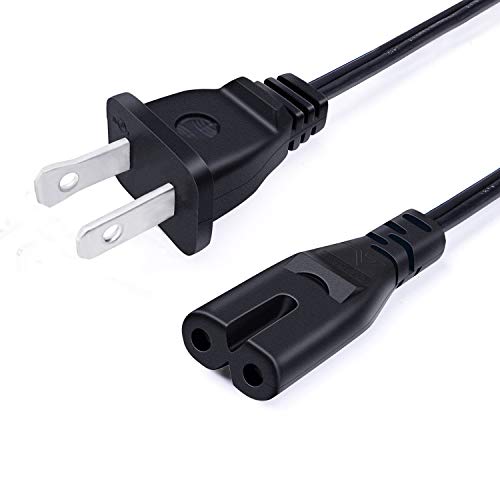
Saireed Replacement IEC C7 8ft 2-Prong AC Cable

SPARKING 1FT Short 3-Prong Extension Cord 16 AWG

Southwire Neutral-Ground Bonding Plug

Journeyman-Pro 5278GCP1 AC Power Inlet Port, 15A

KUNCAN NEMA 5-15P to IEC C13 Right-Angle Power Cord 6FT

BornForcable 12FT 3-Prong Right-Angle C13 Power Cable

greenDracaena IEC C14 to NEMA 5-15R Adapter (2-Pack)

Blue Sea Systems Terminal Block 20A-65A
Meet The Standout Selections
Tucked behind a media console, a C7 figure-8 cord on a laptop brick or vintage radio is annoying to grip, especially when you have to yank it without bending the wire. The Conntek 30132 plugs into the device end and gives you a standard household outlet on the other side, with a white snap-pop tab that releases the cord with a quick press. Think of it as a tiny escape valve for cables wedged in dark corners.
For most home theater owners and AV hobbyists, this small adapter solves a recurring nuisance, namely unplugging tightly fitted figure-8 leads without dragging the whole shelf forward. It is built for short-term connections on equipment that does not draw heavy current, which keeps the use case honest.
Everyday Advantages
- Snap-pop lever lets you release the C7 plug without prying fingernails into tight gaps.
- Compact body fits behind wall-mounted TVs and slim media cabinets where bulkier adapters stick out.
- Converts a fixed C7 lead into a removable household-style connection for easier swaps.
- Lightweight enough to leave inline; it does not stress the original figure-8 cable.
Things To Consider
- Not polarized, so orientation matters on devices that expect a specific polarity.
- Designed for low-draw electronics only; avoid high-amperage heaters or motors.
Right Fit For
Folks with crowded AV shelves who frequently swap laptop bricks, radios, or game console cords.
Where A Sibling Pick Shines
Anyone needing a longer reach should grab the Saireed Replacement IEC C7 8ft cable instead, since the Conntek adds zero length.
Printers are one of those devices where the included cord is either too short, lost, or frayed from years of scooting the machine around on a desk. The Saireed replacement cord is a non-polarized figure-8 lead rated for 125V at 10A, with 18AWG conductors that handle the modest draw of an inkjet without complaint. Its eight-foot length gives desk-bound printers room to breathe.
Where the Conntek adapter above just changes the plug shape, this cable simply replaces what Epson originally shipped. People replacing a chewed-up cord or relocating their printer across the room will appreciate the extra slack, and the two-prong NEMA 1-15P wall end plugs into any standard outlet.
Advantages To Know
- Eight feet of length means the printer can sit farther from the wall without a separate extension.
- Non-polarized C7 connector fits a wide range of Epson ET, Artisan, and SureColor models.
- 18AWG copper keeps voltage drop modest over the full run, useful for sensitive print boards.
- Doubles as a generic figure-8 cord for radios, laptop bricks, or small AV gear.
Worth Noting
- The model list is long in the title, but always worth double-checking your exact printer against the supported list before ordering.
- Not grounded; not suitable for any three-prong appliance regardless of how convenient the reach feels.
Built With In Mind
Owners of compatible Epson EcoTank and Artisan printers who lost, broke, or simply need more reach on their factory cord.
Skip It When
Users running grounded gear should look at the KUNCAN NEMA 5-15P to IEC C13 cord for a three-prong alternative.
A chunky wall wart hugging a wall outlet is a familiar sight, often blocking the second socket from accepting anything. SPARKING’s one-foot extension cord is the smallest practical fix: a short 16AWG SJT jumper with a grounded NEMA 5-15P plug on one end and a NEMA 5-15R receptacle on the other. It is rated to carry 125V at 13A, which is more than enough headroom for most household electronics.
Unlike the previous printer-specific cable, this one’s job is geometry, not replacement. It shifts a bulky transformer forward so the second outlet stays usable, which is a quiet but real win behind desks and nightstands.
Benefits That Matter
- One-foot length is the sweet spot for pushing oversized plugs out of the way without creating slack.
- 16AWG wire is thicker than many stock cords, so voltage drop stays low even for small appliances.
- Standard NEMA 5-15 ends mean compatibility with every grounded household device.
- Reclaims the second outlet on a duplex receptacle when a wall wart hogs the first.
Trade Offs
- Too short to span any meaningful distance, so it is not a true extension cord.
- Indoor rating only; using it in a damp garage or outdoor spot will shorten its life.
Feature Snapshot
Who Will Love This
Apartment dwellers and home office workers who keep losing a usable outlet to oversized laptop or monitor power bricks.
Reach For A Different Pick When
Workshop and garage projects need the weatherproof Journeyman-Pro 5278GCP1 inlet port instead, since this cord is strictly indoor.
A bonding plug sounds obscure until you wire a sub-panel or feed a generator through a transfer switch. Southwire’s neutral-ground bonding plug creates that intentional bridge between the neutral and ground conductors, which portable generators need to trip breakers correctly. It is a one-trick pony by design, and that single trick is essential for safe backup power.
Compared to the previous outlet-saver cord, this is a tool for electricians and serious DIYers, not casual home users. If your generator lacks an internal bond, this little plug installs into an outlet on the generator and quietly does its job.
Practical Advantages
- Establishes the required neutral-to-ground bond for portable generators feeding a transfer switch.
- Compact form factor fits any standard 120V outlet without rewiring.
- Universal fit means no hunting for a generator-specific variant.
- Useful diagnostic tool for homeowners troubleshooting open-ground issues.
Less Ideal Details
- Specific to generator bonding; not a general-purpose accessory.
- Requires basic electrical knowledge to use safely and correctly.
Whose Shelf It Belongs On
Homeowners with backup generators and electricians wiring transfer equipment for clients.
Look Elsewhere When
Anyone needing actual current-carrying capacity should turn to the Blue Sea Systems terminal block, which handles real loads rather than bonding duties.
Mounting a weatherproof power inlet on a truck, trailer, or boat hull is the cleanest way to bring shore power aboard without leaving a household extension cord dangling. The Journeyman-Pro 5278GCP1 pairs a 125V inlet socket with an integrated 20-inch outdoor-rated pigtail, and the pressure-fit rubber covers on both sides keep rain and road grime out when nothing is plugged in. Rated for 15A through 14 AWG copper conductors, it is sized for typical shore-power trickle charging and small inverters.
Where the SPARKING cord stayed neatly indoors, this inlet is built to live outdoors. RV owners and marine hobbyists get a clean, locking connection point that respects the elements.
Useful Strengths
- Pressure-fit rubber covers on both faces shield the inlet from weather when not in use.
- 20-inch integrated pigtail simplifies routing into a junction box or panel.
- 14 AWG copper supports continuous 15A loads without overheating concerns.
- Black housing stays presentable after years of sun exposure.
Points To Note
- Requires a drilled mounting hole, so installation is a one-time commitment to placement.
- Not a substitute for hardwired marine shore power on larger vessels; sized for smaller loads.
Right Fit For
RV, boat, and trailer owners charging batteries or powering small inverters from a generator or shoreline outlet.
Not Your Match When
Home theater hobbyists should stick with the KUNCAN or BornForcable C13 cables, which are designed for indoor equipment racks.
A PC tower pushed against a wall usually leaves a straight C13 cord kinking right where it leaves the power supply. KUNCAN’s right-angle C13 keeps that exit point flush against the chassis, so the cable hugs the back of the case instead of bowing out. Add a flat NEMA 5-15P plug on the wall end, and the entire run stays low-profile behind a desk.
This is the everyday workhorse cord for monitors, desktop towers, and TVs. Where the previous outdoor inlet is rugged, this one is unobtrusive, which is exactly what a home office needs.
A Strong Showing
- Right-angle C13 keeps the bend shallow against tower PCs and monitors, protecting strain points.
- Flat NEMA 5-15P plug slides behind furniture without leaving a bulge.
- Six-foot length covers most desk-to-outlet spans without an extension.
- Works across PCs, monitors, projectors, and TVs with a standard C14 inlet.
Practical Considerations
- Not a substitute for hospital-grade or locking C13 cords on critical equipment.
- Right-angle end limits which direction the cable can exit the device.
Quick Facts
Made For
Home office workers with desktops or monitors squeezed against walls and tight media cabinets.
Consider Something Else When
Server rack owners running C13-to-C14 jumpers should pick up the greenDracaena C14-to-5-15R adapter pair instead.
Twelve feet of cable sounds excessive until your desk is on the opposite wall from the outlet and you refuse to run a second extension. BornForcable’s SVT-rated cable keeps the same right-angle C13 head that saves space at the chassis, but extends the run long enough to span a full room. The 90-degree exit is the same trick KUNCAN uses, just with much more slack on the other end.
Compared to the six-foot KUNCAN pick, this is the version for studios, garage workshops, and entertainment centers where the outlet is across the room. It trades a little cable bulk for real reach.
A Few Strong Suits
- Twelve feet of length eliminates most extension cords in home office or studio setups.
- Right-angle C13 exit reduces strain on monitor and PC power inlets.
- 18 AWG SVT construction handles typical monitor and desktop loads comfortably.
- Universal C13 fit works across PCs, monitors, projectors, and TVs.
Honest Caveats
- Extra length means more slack to manage along baseboards or cable trays.
- Not rated for high-amperage appliances like space heaters or window AC units.
Best Suited To
Studio owners and remote workers with outlets on the far wall who want a single cable instead of chaining extensions.
A Better Fit Elsewhere
Anyone needing a heavy-duty outlet solution for a fridge or heater should consider the SPARKING 16AWG extension cord instead.
Rack-mount PDUs and UPS battery backups usually output through C13 or C19 receptacles, while most home lab gear still expects a standard NEMA plug on a power brick. The greenDracaena adapter bridges that gap by turning a C14 inlet into a NEMA 5-15R outlet, which means a C13-to-C14 jumper can feed ordinary North American plugs. The flame-retardant nylon body with a 94-V0 rating keeps the adapter itself fire-safe inside a populated rack.
Where the Conntek adapter earlier handles figure-8 cords, this one handles server-grade connections. Sold as a two-pack, it covers a small rack or a paired home lab setup without forcing another order.
Where It Helps
- Converts C14 inlets into standard North American outlets for PDU and UPS power chains.
- 94-V0 flame-retardant nylon housing suits dense, well-ventilated rack environments.
- Two-pack value covers multiple devices without a separate order.
- No tools required for installation; it slides into a C13 jumper and locks.
Points To Keep In Mind
- Adds a small resistance point in the circuit, so avoid stacking multiple adapters in series.
- Designed for 15A service, which is plenty for most home lab equipment but limiting for heavy compute nodes.
Perfect Match For
Home lab builders and small office IT setups feeding rack-mounted PDUs and UPS battery backups.
Another Choice May Suit
Hobbyists who only need a single adapter can save by checking whether a single-pack variant fits their needs, since the BornForcable C13 cord covers simpler desktop setups.
A terminal block is the unsung junction that ties AC and DC circuits together on a boat, RV, or off-grid cabinet. Blue Sea Systems’ two-circuit block handles 20A AC or DC up to 300V, with a closed-back design that insulates live conductors from the mounting surface. Each screw pair forms an isolated circuit, and optional jumpers tie circuits together when needed.
Unlike the previous adapter and cable picks, this is genuinely a permanent install component. Where the Journeyman-Pro inlet brings power into a vessel, this block distributes it cleanly downstream.
Key Advantages
- Closed-back design fully insulates conductors from the mounting surface for safety.
- Rated for 20A AC or DC up to 300V, covering most marine and RV distribution needs.
- Isolated screw pairs keep circuits independent until optional jumpers are added.
- Compact footprint fits inside standard marine electrical panels.
Trade-Offs To Consider
- Jumpers for common-bus configurations are sold separately.
- Requires proper torque on screw terminals to avoid hot spots over time.
Who Should Grab It
Marine electricians, RV upfitters, and off-grid builders assembling permanent AC or DC distribution panels.
Swap It Out When
Casual users needing simple plug-and-play connections will do better with the KUNCAN right-angle cord, since terminal blocks are an installer-level component.
Choosing The Right Connector For Your Setup
Before picking any AC power connector, I look at three details: the connector type on the device side, the amperage the cable or adapter must carry, and the environment it will live in. A figure-8 C7 cord for a printer is a different conversation from a C13 cable feeding a server, and mixing the two usually ends with either an unplugged device or a tripping breaker. I always match the connector family first, then worry about length and gauge.
Length matters more than people think. A cord that is too short forces an extension into the chain, while one that is too long creates slack that traps dust and snags on chair legs. For desks, six feet is usually plenty; for studios or rooms with far-away outlets, 12 feet saves an extra adapter. Gauge runs alongside length, since longer runs benefit from thicker conductors to minimize voltage drop, especially on a 15A circuit.
Environment seals the decision. Outdoor and marine setups need weatherproof inlets and closed-back terminal blocks, while indoor entertainment centers and home offices only need flat plugs and right-angle exits. Buying a generic cord for an outdoor application is a common regret, because the jacket weathers poorly and the connectors wick moisture.
Finally, think about whether the connector needs to do a job beyond passing current. The Conntek adapter adds a release tab; the greenDracaena pair adapts between C14 and NEMA; the Southwire plug bonds neutral and ground. Each accessory earns its place by solving a specific frustration, which is a better buying lens than chasing features that sound impressive on paper.
Smart Choices Across The Lineup
Where Shoppers Go Wrong
The most common slip in this category is grabbing a cord that looks compatible without checking the connector family. A C7 figure-8 will never seat in a C13 inlet, no matter how close the prongs look, and forcing the issue damages both the cord and the device. I always cross-check the inlet on the equipment against the connector on the cord before clicking order.
Another trap is treating outdoor and indoor accessories as interchangeable. A standard SJT cord jacket will deteriorate in direct sun, and the connectors eventually wick water. People who mount an indoor extension on a trailer side typically replace it within a season, which costs more than buying the right inlet port from the start.
When Paying More Pays Off
Premium pricing in this category usually buys better materials, longer service life, or a tighter fit. Marine-grade terminal blocks like the Blue Sea Systems option cost more because the closed-back insulation and quality screw terminals genuinely reduce failure risk over years of vibration and humidity. Cheaper terminal blocks crack and loosen, which can show up as intermittent power rather than an obvious failure.
Longer or more specialized cords also earn their keep when they solve a recurring frustration. The greenDracaena two-pack costs more than a single adapter, but home lab owners typically need more than one anyway, and the flame-retardant housing matches the safety expectations of a populated rack. The right upgrade depends on whether the extra cost removes an annoyance you actually live with, not whether it looks better on paper.
Frequently Asked Questions
What Is The Difference Between C7, C13, And C14 Connectors?
The C7 is a two-prong figure-8 connector used on laptop bricks, radios, and some printers, while the C13 and C14 pair forms the standard computer power cord connection. C13 plugs into a C14 inlet on the device, making that combination the most common AC power connector in offices and homes.
Can I Use An Indoor Extension Cord Outdoors?
Indoor cords lack weather-resistant jackets and sealed connections, so they deteriorate quickly when exposed to rain or sun. Outdoor installations need weatherproof inlet ports and cords rated for exterior use to avoid moisture ingress and jacket breakdown.
Why Do Right-Angle C13 Cords Matter?
A right-angle C13 connector keeps the cord flush against the back of a device, which reduces strain on the inlet and lets equipment sit closer to a wall. It is most useful for desktop towers, monitors, and entertainment gear pushed into tight spaces.
Do I Need A Bonding Plug For A Portable Generator?
Many portable generators ship without an internal neutral-to-ground bond, which means downstream breakers may not trip during a fault. A bonding plug installed in a generator outlet creates the required bridge, making the generator safer to feed a home through a transfer switch.
What Gauge Wire Should I Look For In A Power Cord?
Most household electronics run safely on 18 AWG cords, while higher-load appliances like heaters and small refrigerators benefit from 16 AWG or thicker. Longer runs also warrant thicker wire to limit voltage drop on a 15A circuit.
Wrap Up
The right AC power connector quietly solves a frustration you have probably stopped noticing, from a tangled figure-8 cord behind a media console to a weatherproof inlet that finally lets you charge batteries outside. Match the connector family, gauge, and environment to your gear, and any of these nine picks will earn its keep. Start with the job you actually need done, and the right accessory usually reveals itself.
