

A power cable rarely earns attention until it fails. The right one keeps your printer, amp, or TV running quietly for years, while the wrong one introduces hum, kinks behind furniture, or shorts out during a heatwave. I’ve rounded up ten options that cover the usual suspects: home-office printers, two-prong TVs, mini fridges, hi-fi gear, and musical instrument amps. Each pick below solves a specific problem, so the goal is matching the cable to the device rather than grabbing whatever’s in the drawer.
The Leading Options At A Glance

Trospow Brother MFC Printer Replacement Cable 8.2ft

Viborg Audiocrast HiFi Braided Power Cable 4.9ft

YINJUE 6FT Universal 2 Prong AC Power Cord
YINJUE Hisense TV Replacement Power Cord 6FT
YINJUE 6FT 2 Prong Cord for Small Kitchen Appliances

KUNCAN Universal PC Power Cord 6FT Right Angle
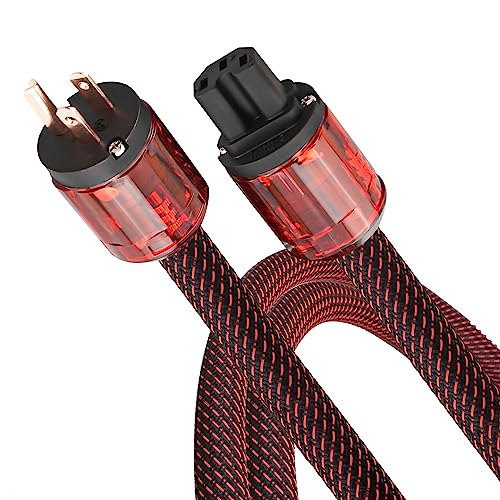
Viborg Audiocrast HPC01 HiFi Cable 3.3ft Braided

Viborg Audiocrast HiFi Power Cable 3.3FT IEC C13

LitStar 6FT Guitar and Amp Power Cable 18 AWG

PwrON Sony CFD-560 Boombox Replacement Cable 6ft
Inside Each Recommended Option
Brother MFC printers ship with cords that fray at the strain relief after a few years of being shoved against a wall. The Trospow replacement arrives as a straightforward three-prong IEC cable built specifically for the MFC-7420, MFC-7340, MFC-9840CDW, MFC-L2720DW, MFC-9130CW, and a long list of siblings in the 9300 and 8900 series.
At 8.2 feet, it stretches across an office without forcing the printer into a corner. Rated for 10A at 125V, it carries the load a laser multifunction draws during warm-up cycles without complaint. For most home offices running a Brother MFC, this drops in as a true one-to-one swap.
The Practical Payoff
- 8.2-foot length reaches across a standard desk to a wall outlet
- 10A/125V rating covers laser printers during peak warm-up draws
- Direct fit for a wide range of Brother MFC models, no adapter needed
- Three-prong grounded design matches the original equipment
Things To Consider
- Compatibility is narrow; non-Brother printers may need a different gauge
- Extra length can bunch behind furniture if the printer sits close to a wall
Key Specs
Who It Suits Best
Anyone whose Brother MFC printer came with a frayed or lost cord and needs a quick, model-specific replacement.
Look Elsewhere When
The YINJUE 6 FT Universal 2 Prong AC Power Cord suits households with multiple two-prong devices rather than a single Brother printer.
Audiophile-grade power cables live in a different world than printer cords. The Viborg Audiocrast is built for serious systems, sporting 10AWG conductors wrapped in a braided sleeve with an outer diameter near 17mm. That thickness tells you this is not the floppy cable that came in the box with your amplifier.
Inside, 5N OFC (oxygen-free copper, rated 99.999% purity) carries current while multi-layer shielding works to suppress electromagnetic interference that can sneak into a quiet listening session. The IEC C15 connector handles higher-temperature gear like some tube amps and power conditioners. Where the Trospow above solves a lost-cord problem, this one targets listeners chasing cleaner power delivery to their components.
A Strong Showing
- 10AWG conductors support stable current to power-hungry amplifiers
- Multi-layer shielding reduces noise that can bleed into audio signals
- Braided sleeve adds durability and resists kinking
- IEC C15 connector fits high-temperature audio gear safely
Honest Caveats
- Stiff 17mm cable can be tough to route behind tight racks
- 4.9-foot length limits placement in larger listening rooms
Feature Snapshot
Made For
Listeners with mid-to-high-end two-channel systems who want a shielded upgrade over stock amplifier cables.
Consider Something Else When
The LitStar 6FT Guitar and Amp Power Cable 18 AWG fits stage musicians who need a flexible, gig-ready cord more than a shielded audiophile design.
Two-prong devices are everywhere: TVs, laptop chargers, game consoles, and many printers use the IEC C7 connector, sometimes called a figure-8. The YINJUE 6FT Universal cable covers that whole category with a non-polarized C7 to NEMA 1-15P design. It’s the kind of cord that quietly replaces a missing one without anyone noticing.
The build uses 18AWG wire rated to 105°C and 300V, wrapped in a thickened PVC jacket. Compatibility spans Samsung, Sony, LG, and TCL TVs on one end, plus Canon, HP, Brother, and Epson printers on the other. Where the Audiocrast above targets audio perfectionists, this one solves the common “I lost the TV cord” problem across brands.
Everyday Wins
- Compatible with most TVs, printers, and laptop chargers using C7 inlets
- 6-foot length suits typical living room and bedroom setups
- 18AWG copper conductor handles standard household loads
- Thickened PVC jacket resists daily wear and flexing
Trade Offs
- Non-polarized design won’t fit devices that need a polarized plug
- Two-prong cable lacks grounding, so it’s not suitable for metal-cased amps
Right Fit For
Households keeping a backup cord on hand for the inevitable lost or chewed-through two-prong cable.
A Better Fit Elsewhere
Shoppers needing a brand-specific fit should consider the YINJUE Hisense TV Replacement Power Cord 6FT instead.
Hisense TVs span 24 inches up to 85 inches across the A6, H5, H6, H8, R6, and K-series. When the factory cord disappears or gets damaged, finding a verified replacement can feel like a scavenger hunt. YINJUE designed this 6-foot cable as a direct match for that broad Hisense roster.
Under the hood it shares the figure-8 IEC C7 connector and 18AWG construction seen in the universal YINJUE above. The difference is focus: rather than listing every TV brand, the listing locks in on specific Hisense model numbers. For anyone running a Hisense Roku or A6-series display, the fit is intentional rather than hopeful.
Bright Spots
- Targeted compatibility list covers popular Hisense A6, H5, H6, H8, and R6 series
- 6-foot length avoids stretching to wall outlets
- 18AWG conductor handles modern LED TV power draws comfortably
- Replaces lost cables without requiring a service call
Soft Spots
- Limited to two-prong figure-8 connections, not for grounded TVs
- Doesn’t suit non-Hisense brands even though the connector is universal
Quick Facts
Best Suited To
Hisense TV owners who need a verified replacement without guessing at universal compatibility.
Skip It When
The YINJUE 6FT Universal 2 Prong AC Power Cord is a smarter pick for households running mixed TV brands.
Small kitchen appliances tend to hide the figure-8 inlet on the back, so a generic power cord often goes unnoticed until something spills on it. YINJUE targets this niche directly with a 6-foot cord aimed at Cooluli, Living Enrichment, Koolatron, Frigidaire, and Chefman mini fridges, plus a long list of food warming mats.
The 100V–240V range means it tolerates the lower-voltage specs of compact appliances, while the same 18AWG copper-and-PVC build as the other YINJUE cords keeps construction consistent. For dorm rooms, offices, or bedside setups running a mini fridge and a lunch warmer side by side, this fills both roles.
Useful Touches
- Compatible with mini fridges, lunch boxes, slow cookers, and warming mats
- 100V–240V range handles varied small appliance power needs
- 6-foot reach suits countertop and dorm setups
- Replaces lost cords without buying brand-specific replacements
Possible Compromises
- Check the inlet shape before ordering; some appliances use a different connector
- Two-prong design lacks grounding for higher-draw heating elements
Feature Rundown
Who Will Love This
Dorm residents and office workers who rely on compact cooling or warming appliances and want one backup cord.
Reach For A Different Pick When
The PwrON Sony CFD-560 Boombox Replacement Cable 6ft is the better match for someone restoring a vintage boombox rather than running kitchen gear.
Desktop computers, monitors, and many TVs all share the IEC C13 inlet, the chunky three-prong connector that’s slightly wider than the C7 figure-8. KUNCAN’s cable is a 6-foot NEMA 5-15P to IEC C13 with one twist: a flat, low-profile plug that hugs the wall.
The right-angle C13 variant lets the cord drop straight down from the back of a monitor or PC tucked against a wall. For cramped desks where furniture sits inches from the outlet, that flat plug prevents the cord from kinking behind a bookshelf. It’s a small detail that matters in real setups, unlike the Trospow above which is built for length rather than tight clearance.
What Makes Sense
- Flat NEMA 5-15P plug fits behind furniture close to the wall
- Right-angle C13 connector drops straight down from monitors
- Standard 3-prong design works with PCs, monitors, and TVs
- 6-foot length handles most desk-to-outlet distances
Worth Noting
- Right-angle C13 limits routing options depending on which side the inlet sits
- Standard 18AWG wire is fine for computers but not for high-current gear
Perfect Match For
Anyone running a desk where the wall outlet sits inches behind a bookshelf or media console.
Swap It Out When
Gamers or studios with high-current power supplies should consider the Viborg Audiocrast HiFi Braided Power Cable 4.9ft for thicker, shielded conductors.
Short runs in desktop audio setups benefit from cables that don’t loop behind the desk. The Viborg Audiocrast HPC01 keeps the same thick 17mm braided-sleeve build as its longer sibling above, but trims the length to 3.3 feet for tight component stacks.
Super-pure copper multi-conductors carry current to amps, DACs, and CD players without the excess slack that turns into a tangle. At 125V and 15A, the rating covers anything that plugs into a standard US outlet. It’s the cable you reach for when the rack sits right next to the power conditioner.
Positive Points
- Short 3.3-foot length keeps desktop audio setups tidy
- 17mm braided sleeve protects internal conductors from flex damage
- 15A rating handles amplifiers and power-hungry components
- Replaces aging stock cables that may have oxidized connectors
Where It Is Less Suited
- Too short for floor-standing components spread across a rack
- Stiff cable resists bending into tight corners behind furniture
Whose Shelf It Belongs On
Listeners with compact desktop audio systems who want premium build quality without cable slack.
Consider Something Else When
The Trospow Brother MFC Printer Replacement Cable 8.2ft fits anyone who needs reach across a room rather than a short desktop run.
This Viborg Audiocrast entry trims the same thick braided build down to a standard IEC C13 connector rather than the C15 used in higher-temperature gear. For most home audio components, that C13 fits the inlet just fine. The 3.3-foot length keeps the run short between rack and outlet.
Like the HPC01 above, the cable uses super-pure copper multi-conductors inside that 17mm sleeve. It targets listeners who want a clean, short cable for entry-to-mid-level hi-fi gear without paying for the heavier 10AWG build of the longer Viborg model. In a small office or bedroom system, this is often all the cable you need.
Strengths Worth Knowing
- IEC C13 connector fits most home amplifiers and CD players
- 3.3-foot length suits compact audio shelves
- 15A rating supports typical hi-fi power draws
- Braided sleeve adds visible durability over stock cables
A Few Limitations
- C13 connector may not fit higher-temperature tube amps
- Short length restricts placement in larger rooms
Built With In Mind
Anyone stepping into a first hi-fi upgrade and replacing stock amplifier cables with something sturdier.
Not Your Match When
The YINJUE 6FT Universal 2 Prong AC Power Cord serves a household needing two-prong TV and console cables rather than three-prong audio gear.
Stage amps and rehearsal rigs get dragged across stages, wrapped around stands, and stuffed into van trunks. LitStar’s 6-foot cable targets exactly that kind of abuse with a flexible PVC jacket and pure copper core rated to handle the current draws of Peavey, Vox, Marshall, and Fender amps.
It carries the IEC C13 to NEMA 5-15P configuration familiar to any PC or monitor, which means the same cable can back up your amp at a gig and your computer at home. The SVT 3C×18AWG spec signals it’s designed for repeated flexing. Where the YINJUE mini-fridge cord above prioritizes static kitchen use, this one is built for movement.
The Upside
- Compatible with Peavey, Vox, Marshall, Fender, and ION amp setups
- Flexible PVC jacket tolerates repeated coiling and uncoiling
- 18AWG copper core supports amplifier loads on stage
- 6-foot length fits typical amp-to-outlet distances
Points To Note
- Standard 18AWG is sufficient for amps but not high-current tube heads
- PVC jacket can scuff over time with heavy stage use
Who Should Grab It
Working musicians and weekend players who need a flexible, gig-ready replacement cord for their amps.
Where Another Pick Suits Better
The PwrON Sony CFD-560 Boombox Replacement Cable 6ft is a better match for someone restoring a portable boombox rather than running stage gear.
Vintage Sony CFD-series boomboxes bring cassette and CD playback back to life, but the original cords are decades old and prone to cracking. PwrON’s replacement cable is built specifically for the CFD-560 and related models, with a 6-foot reach that works on a kitchen counter or workshop bench.
Where the LitStar above serves musicians hauling amps to gigs, this one solves the quiet household problem of a beloved boombox that lost its cord years ago. It doubles as a sewing machine cable for crafters, since many home machines use the same two-prong figure-8 inlet.
Where It Delivers
- Direct fit for Sony CFD-560 and similar boombox models
- 6-foot length suits kitchen, workshop, or bedside placement
- Doubles as a cord for home sewing machines with the same inlet
- Restores vintage gear without tracking down an OEM replacement
Potential Drawbacks
- Limited to devices with the figure-8 inlet
- Two-prong design not suitable for grounded vintage components
The Right Fit
Owners of vintage Sony boomboxes or home sewing machines who need a verified replacement cord.
Where A Sibling Pick Shines
The YINJUE 6FT 2 Prong Cord for Small Kitchen Appliances suits someone needing a cord for mini fridges and warming mats more than audio gear.
Picking The Right Cable For Your Setup
The first decision is connector type. Two-prong figure-8 (IEC C7) cables power most TVs, laptop chargers, and small appliances, while three-prong IEC C13 cords handle computers, monitors, and guitar amps. The IEC C15 variant, found in the heavier Viborg cable above, supports higher-temperature gear like some tube amplifiers.
Length matters more than people expect. A 6-foot cable fits most living rooms and bedrooms, while 8 feet or more solves awkward outlet placement behind printers and desks. Right-angle plugs, like the one on the KUNCAN PC cable, save clearance behind furniture pushed against walls.
For hi-fi systems, gauge and shielding deserve attention. A 10AWG cable with multi-layer shielding carries current more cleanly and resists electromagnetic interference. For everyday household electronics, standard 18AWG wire is sufficient and keeps things flexible.
Finally, think about who’ll touch the cord. Musicians wrapping cables around stands need flexible PVC jackets. Audiophiles chasing clean power want braided sleeves. Kitchen users want a cord that tolerates the occasional spill wipe-down.
Navigating The Ac Power Cables Aisle
Common Shopping Slip Ups
The most common mistake is grabbing a cord based on the device brand rather than the inlet shape. A “Sony TV cord” and a “Samsung TV cord” often share the same figure-8 connector, but assuming the plug matches without checking leads to returns. Always confirm the inlet shape before ordering.
Another trap is overlooking grounding. Two-prong cables work for most modern electronics, but metal-cased vintage gear and high-power amps benefit from a grounded three-prong design. Skipping that detail can introduce hum or, in rare cases, a tingle when touching a chassis.
What The Higher Tier Buys
Premium power cables, especially the audiophile picks above, spend their budget on thicker conductors and multi-layer shielding. That build reduces voltage drop across the cable and limits interference from nearby electronics. For most living room setups, the difference is subtle. For hi-fi listeners chasing quieter backgrounds and tighter dynamics, the upgrade can be felt more than measured.
Frequently Asked Questions
How do I know if my device needs a two-prong or three-prong power cable?
Check the inlet on the back of the device. Two round slots in a figure-8 shape mean you need a C7 cable. Three rectangular slots in a triangle mean you need a C13 or C15 cable. Matching the inlet shape is the only requirement.
Are braided-sleeve cables worth it for non-audio gear?
For most everyday electronics, the visible braid is more about durability than performance. It does resist cuts and fraying better than plain PVC, so it makes sense in spots where the cable gets moved often. In a static spot behind a TV, plain PVC works fine.
Can I use a longer cable than the original without problems?
Yes, as long as the gauge stays the same or thicker. A 10-foot cable carrying a desktop monitor’s load performs identically to a 6-foot cable, given the same wire thickness. Going thinner on a long run can cause voltage drop, especially under heavy load.
Is it safe to use a universal power cable with any brand?
Universal cables work when the connector type matches the device inlet. The brand matters less than the connector standard. A figure-8 cable from one maker fits any device with a figure-8 inlet, regardless of whether the maker is Sony, Samsung, or LG.
Do higher-priced power cables really improve sound quality?
The honest read is that listeners report mixed results. Some hear tighter bass and a darker background; others notice no change. Shielding and gauge do measurable work, but how much of that reaches your ear depends on the rest of your system and your room.
Bottom Line
The right power cable is the one that matches your device’s inlet and your room’s layout. Printers benefit from the Trospow’s reach, TVs and small appliances lean on YINJUE’s 2-prong options, and audio gear gets the most from Viborg’s shielded builds. Stage amps pair with the LitStar, while vintage boomboxes call for the PwrON. Match the connector, mind the length, and pick the build that fits how you’ll actually use the cord.
