

You’re looking at a mixed category here, part circulation gear, part portable heat source, part RV and replacement hardware. That makes sense for homes with solar loops, travel setups, or backup needs where hot water has to be dependable rather than fancy.
The items below focus on the traits that matter in daily use, like flow rate, cable length, adapter fit, heating method, and portability. You’ll also see where each pick asks for a trade-off, because the right choice depends on your setup more than the label on the box.
Quick Look At The Shortlist

bayite BYT-7A006 Solar Hot Water Heater Circulation Pump 2.1GPM
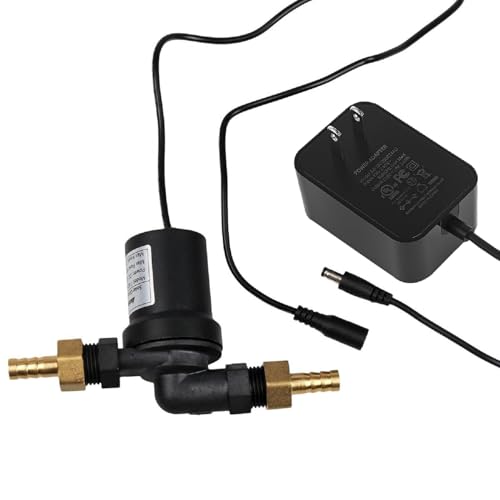
bayite BYT-7A014 Solar Hot Water Heater Circulation Pump Adapter
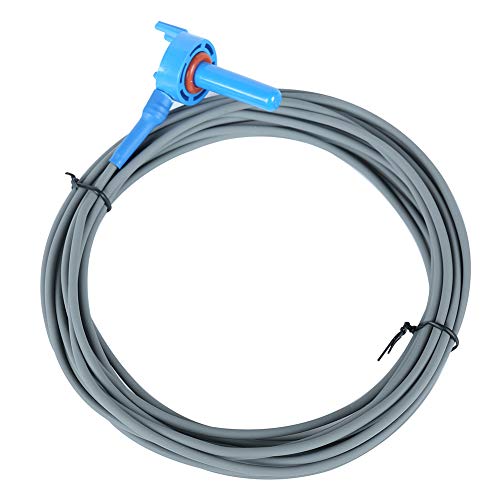
AR-PRO 520272 Air Water Solar Temperature Sensor 20-Feet Cable

ZeroPone Hot Water Recirculating Pump 120W Stainless Steel Head

4Patriots Sun Kettle Portable Solar Water Heater 16.9 oz Capacity

KINGRVER SUMMIT XT Tankless RV Water Heater 3.8 GPM

BSEED Immersion Water Heater Electric 2000W Digital LCD Thermometer
More Details On Our Top Picks
Simple circulation hardware usually earns trust by staying out of the way, and that’s the lane this bayite pump sits in. Its 2.1GPM flow rate, which means gallons per minute, suits modest solar hot-water loops where you care more about steady movement than brute force.
The non-self-priming design is the trade-off, so setup matters more than with a plug-and-forget appliance. For a compact system in a garage, utility room, or shed, the low-noise build is a sensible fit, though you’ll want to plan the plumbing path carefully.
Strong Points
- 2.1GPM output fits smaller circulation loops.
- Low-noise operation helps in close quarters.
- 9.8-foot discharge head supports modest lift needs.
- Compact pump body is easier to place.
Points To Note
- Non-self-priming behavior adds setup constraints.
- Best results depend on a well-planned loop.
Feature Snapshot
Who It Suits Best
Homeowners with small solar hot-water loops and modest lift needs will get the most from this pump.
Where A Sibling Pick Shines
ZeroPone Hot Water Recirculating Pump 120W suits you better for a more built-out electric water-heater setup that needs a stronger recirculation emphasis.
This bayite version keeps the same circulation-pump idea as the BYT-7A006, then adds a DC power supply adapter for a cleaner start point. That extra piece matters in a real utility area, because you’re not chasing down a separate match for power on day one.
The listed 3M head, about 9.8 feet, keeps the layout in the same practical range as Item 1, while the 8LPM figure gives you another way to read output. For a small solar hot-water loop where convenience matters more than complexity, it has a neat, ready-to-install feel.
Highlights
- Included adapter reduces sourcing hassles.
- 8LPM rating gives a clearer output reference.
- Low-noise design suits indoor utility spaces.
- Works well for straightforward solar circulation tasks.
Minor Gripes
- Still a non-self-priming pump.
- Adapter adds convenience, not more head pressure.
Core Details
Who Will Love This
DIY-minded homeowners who want a circulation pump with fewer setup steps will appreciate this model.
A Better Fit Elsewhere
AR-PRO 520272 Air Water Solar Temperature Sensor is the cleaner match for anyone replacing a temperature probe rather than a pump.
Replacement sensors are easy to overlook until a system starts acting vague, and then cable length suddenly matters a lot. This AR-PRO probe comes with a 20-foot lead, which gives you room to route around equipment without forcing a tight bend right at the install point.
It’s aimed at pool and spa replacement duty, so the best fit is maintenance work rather than a fresh build. Compared with the bayite pump picks, this is the part you choose when the control side of the system needs attention, not the water-moving side.
Best Bits
- 20-foot cable gives flexible placement.
- Works as a replacement part for existing systems.
- Useful for pool and spa control setups.
Areas To Watch
- It solves sensing, not heating or pumping.
- Replacement fit depends on your existing hardware.
Details At A Glance
The Right Fit
Pool or spa owners replacing a worn sensor should find this the most relevant choice.
Swap It Out When
bayite BYT-7A014 is the better match for a hot-water loop that needs pumping support rather than a sensor replacement.
Compared with the smaller bayite pumps, this ZeroPone model is built more like a fixed-home recirculator. The 120W motor and stainless steel head point to a sturdier installation focus, especially in a plumbing run where you care about steady circulation through an electric water-heater system.
The 3/4-inch NPT inlet paired with a 1/2-inch adapter is the detail that will matter most during install, because pipe sizing is where many projects get awkward. For a utility room or mechanical closet, that adapter flexibility is useful, though it also means you should check your existing connections before you commit.
Reasons To Buy
- 120W output suits more demanding recirculation work.
- Stainless steel head supports a durable install point.
- Included adapter broadens compatibility with common plumbing sizes.
- Good fit for dedicated electric water-heater systems.
Small Caveats
- Installation is more involved than with portable units.
- Best use depends on matching NPT sizing.
Quick Facts
Built With In Mind
Households with a dedicated electric water-heater loop and standard NPT plumbing will get the clearest benefit here.
Look Elsewhere When
4Patriots Sun Kettle is the better choice for a portable solar-heating setup you can carry into the field.
The Sun Kettle feels closer to a field tool than a household fixture, and that matters because portability changes how you plan around heat. Its solar flask design concentrates sunlight onto a tempered glass tube, so the use case is clear: compact, off-grid water heating for trips, backup kits, and emergency storage.
The 16.9-ounce capacity keeps it intentionally small, which is handy for packing but not for volume. For solo campers or emergency kits, that size makes sense, though you should expect the heating pace to depend heavily on weather and sun exposure.
Upsides
- Solar heating keeps the setup independent of fuel.
- Compact capacity is easy to store and carry.
- Tempered glass tube is a clear, defined heat path.
- Useful for camping, hunting, and emergency kits.
Room For Improvement
- Small capacity limits batch size.
- Performance depends on sunlight and conditions.
- Not the right fit for household hot-water volume.
Core Details
Whose Shelf It Belongs On
Outdoor-minded users who want a compact solar-heating backup piece will find the fit here most natural.
Where Shoppers Go Wrong
KINGRVER SUMMIT XT is the better route for RV owners who need continuous hot water rather than a small solar flask.
Tankless RV heaters live or die by flow consistency, and this KINGRVER model puts its card on the table with a 3.8GPM output and a 65,000 BTU propane burner. BTU, or British thermal units, is the heat-output measure here, so the numbers point toward faster on-demand hot water for showers and dish cleanup in a travel setup.
The 12V DC remote-controller setup makes more sense once you picture an RV where access and control both matter. High-altitude readiness is a useful line item for mountain trips, though the real trade-off is that this sits firmly in the RV lane, not the home-sink or backpacking lane.
Standout Traits
- 3.8GPM output suits full RV routines.
- 65,000 BTU burner supports quick heating.
- Remote controller adds day-to-day convenience.
- High-altitude readiness helps for travel flexibility.
Honest Caveats
- Propane setup is not as simple as plug-in gear.
- Best value shows up in RV-specific use.
Feature Rundown
Perfect Match For
RV travelers who need real shower-ready hot water for family use will get the clearest payoff here.
Another Choice May Suit
BSEED Immersion Water Heater Electric is the better option for short-term warming in a bucket, tub, or small pool setting.
An immersion heater is the most direct option in this list, because it heats the water you already have instead of managing a loop or burner. The 2000W element and included digital LCD thermometer make it clear that the emphasis is speed and visibility, which suits a bucket, tub, camping wash setup, or a small pool task.
The 304 stainless steel guard is a useful durability note, and the package also includes a cleaning ball plus manual. The honest read is that this is the least subtle item here, so you’ll want to match it to temporary or supervised use rather than a permanent heating system.
Positives
- 2000W output supports quick warming.
- LCD thermometer helps track water temperature.
- 304 stainless steel guard adds a tougher outer layer.
- Useful for camping, bathing, and small containers.
Trade Offs
- Immersion format is less polished than a fixed heater.
- Best suited to temporary, monitored use.
- Cleaning and storage matter more with this style.
Technical Sheet
Who Should Grab It
Campers and home users who need a simple portable warming option for small water amounts will find this the most straightforward pick.
Reach For A Different Pick When
KINGRVER SUMMIT XT is the better fit for RV travel, where continuous hot water matters more than a drop-in heater.
How To Choose The Right Solar Water Heater Systems
Match The Heating Method To The Job
Start with the kind of heat path you actually need. Circulation pumps, like the bayite and ZeroPone units, move water through a loop, while the Sun Kettle and BSEED immersion heater create heat at the point of use.
That distinction matters because loop-based systems support ongoing hot-water delivery, while portable heating tools serve a container or trip setup. The wrong match usually shows up as slow recovery, awkward installation, or more setup than your space can reasonably support.
Check Flow, Head, And Capacity
Flow rate tells you how much water moves each minute, and head tells you how far a pump can push it upward. Those numbers matter most in homes with elevation changes, longer pipe runs, or cramped mechanical spaces.
On the portable side, capacity is the number to watch, because 16.9 oz and 5 gallons solve very different problems. A small capacity unit travels easily, but it won’t replace a household system, and that’s the trade-off you should expect.
Pay Attention To Fit And Connection Details
Thread size, adapters, cable length, and power source often decide whether a project feels easy or frustrating. The AR-PRO sensor’s 20-foot cable gives more routing freedom, while the ZeroPone pump’s 3/4-inch NPT inlet and 1/2-inch adapter help with plumbing compatibility.
In RVs, 12V DC power is part of the picture, and that’s why the KINGRVER unit stands apart from the simpler circulation pumps. The more your existing setup already matches the product, the less time you’ll spend on workarounds.
Choose For Daily Use, Backup Use, Or Travel Use
Daily home use points you toward circulation pumps with clear installation paths and a quiet profile. Backup kits and field use point you toward the Sun Kettle or BSEED, where portability and direct heating matter more than permanent mounting.
RV travel sits in its own lane, and the KINGRVER model fits that lane far better than a general-purpose heater. Pick the system that matches your routine first, then the features start making sense instead of fighting each other.
What To Weigh Before You Click
Mistakes Worth Dodging
Many people focus on heating claims and forget the installation side. A pump with the wrong thread size or a sensor with the wrong cable reach can turn a simple project into extra parts and extra time.
Another common miss is mixing portable and fixed-use gear. A solar flask, an immersion heater, and a recirculating pump all solve hot-water problems, but they do it in very different ways.
When Paying More Pays Off
Higher-tier models usually cost more because they give you more complete hardware, stronger materials, or better fit for a specific system. The ZeroPone pump’s stainless steel head and adapter, for example, add practical value where plumbing durability matters.
In RV gear, the extra cost often buys higher output, remote control, or altitude-aware design. That upgrade makes sense when hot water is part of everyday travel comfort, not a rare backup need.
Frequently Asked Questions
What makes a solar water heater system different from a regular electric heater?
Solar-related systems may use sunlight directly, move heated water through a loop, or support a solar setup through sensors and circulation parts. A regular electric heater usually relies on a single power source and a more fixed installation.
Which item in this list works best for a small home setup?
The bayite BYT-7A014 and ZeroPone pump are the most relevant home-focused choices. The right one depends on whether you want a simpler small-loop pump or a sturdier recirculation unit.
Is an immersion heater a replacement for a full water heater?
No, it’s better treated as a portable warming tool for limited water volumes. It fits temporary use far better than a permanent household system.
Why does cable length matter on a replacement sensor?
Longer cable gives you more freedom to route around equipment and place the probe where the system needs it. That matters most in cramped pump rooms and retrofits.
Which pick suits RV travel best?
KINGRVER SUMMIT XT is the strongest RV-oriented option here because it’s built around on-demand output and propane heating. The remote controller and 12V DC support make it fit travel life better than the portable solar kettle.
Closing Thoughts
Your best match depends on whether you need circulation, sensing, portable heat, or RV hot water. The bayite and ZeroPone pumps serve fixed systems well, the AR-PRO sensor covers maintenance, and the Sun Kettle or BSEED handle smaller off-grid tasks. For travel, KINGRVER stands apart with real on-demand output. Once you sort the job first, the right pick gets a lot easier to spot.
