

Home backup gets complicated fast, especially once you compare portable stations, foldable panels, and full kits built around a charge controller. You need enough output for the devices you actually use, plus the right format for your space, whether that means a closet-ready station or a fixed roof-adjacent setup. This roundup keeps the focus on practical fit, not flashy claims.
For outage prep, cabin use, RV travel, or a first off-grid project, the right setup depends on capacity, charging style, and how much assembly you want to handle. The seven picks below cover that spread without drifting into guesswork.
Quick Shortlist For Home Solar Backup

Jackery Explorer 2000 v2 Portable Power Station 2042Wh 2200W AC Output

Renogy 200W Portable Solar Panel IP65 Waterproof Foldable Solar Panel Power Backup

Portable Power Station with 40W Solar Panel 100W Solar Powered Generator

Renogy 400 Watt 12 Volt Premium 4 Pcs 100W Panel 40A MPPT Charge Controller

200W Solar Powered Generator Portable Power Station with Solar Panel 40W Powkey 146Wh Power Bank
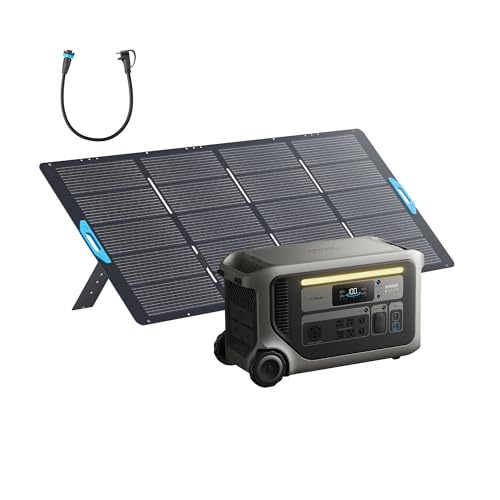
Anker SOLIX F3000 Portable Power Station and 400W Solar Panel 3072Wh

OFF-GRID SOLAR POWER A Beginner’s DIY Guide
More Details On Our Top Picks
The 2042Wh battery gives this Jackery a serious reserve for short outages, and the 2200W AC output makes it easier to run familiar household gear than the smaller entries in this list. LiFePO4 means lithium iron phosphate, a battery chemistry known for stable cycle life and lower heat risk than older lithium types, so it fits a home backup role better than a casual camping pack.
You also get USB-C PD at 100W, which matters for laptops and other higher-draw devices that charge slowly on basic ports. The trade-off is plain enough, it’s a substantial unit, and the solar panel is optional, so you need to plan the charging side separately.
Strong Points
- High-capacity storage suits longer outage windows or heavier household loads.
- 2200W AC output covers a wider range of appliances than compact packs.
- 100W USB-C PD helps you keep work devices moving without bulky adapters.
- LiFePO4 chemistry fits regular home use better than short-term novelty duty.
Things To Consider
- The size makes it a poor match for tight shelves or frequent hand-carry moves.
- Solar input depends on the separate panel purchase, so the system setup takes more planning.
- Heavier home-use units usually need a fixed storage spot, not a casual closet shelf.
Key Specs
Who It Suits Best
Homeowners who want a substantial backup station for outages, work gear, and indoor-friendly charging setups will get the most from this pick.
A Better Fit Elsewhere
Anker SOLIX F3000 Portable Power Station and 400W Solar Panel suits households that want bigger expansion headroom and a more ambitious backup path.
Renogy takes the solar-panel side of the system seriously, and that matters more than people expect once a station sits in the garage waiting for daylight. A foldable panel with a kickstand is easier to angle in a driveway or campsite than a rigid panel, so it fits mobile backup routines better than the fixed Renogy kit lower in this roundup.
The IP65 rating means it’s built with dust resistance and protection against water spray, which is useful for porch charging or damp outdoor setups. The honest trade-off is that portability tends to ask for more setup and storage handling, so it works best when you’re willing to unpack and reposition it.
What We Like
- Foldable construction makes it easier to move between storage and setup spots.
- The kickstand helps you angle the panel without improvising with household items.
- USB-A and Type-C outputs support small-device charging on the go.
- IP65 protection suits porch, yard, or RV use better than indoor-only gear.
Worth Noting
- Portable panels need more manual positioning than a fixed roof-style array.
- Folded storage is convenient, but it still asks for a dry, protected space.
Feature Rundown
Who Should Grab It
Campsite users, RV owners, and homeowners who want a portable charging panel for backup station top-ups will find the fit strongest here.
Skip It When
Renogy 400 Watt 12 Volt Premium 4 Pcs 100W Panel Kit suits you better once you want a more permanent, house-focused solar array.
This ZeroKor bundle sits at the entry level of the group, which makes it easier to understand for first-time solar backup shoppers. The 146Wh battery and included 40W panel put it in small-device territory, handy for phones, tablets, or short outage needs rather than whole-house coverage.
Compared with the larger Jackery and Anker stations, it asks for a lot less space and a lot less planning. The honest read is that the smaller output is the point, not a flaw, though you’ll outgrow it fast once your load list gets longer.
Highlights
- Compact size makes storage easy in apartments, sheds, or tight utility areas.
- The included solar panel lowers the setup barrier for a first system.
- Simple capacity suits short-duration backup for personal electronics.
- Portable AC outlet support gives it more flexibility than a basic power bank.
Areas To Watch
- The smaller battery suits light loads, not long household backup use.
- Extra-small systems often need more frequent charging, which can feel repetitive.
- Storage is easy, but the limited output means it stays in a narrow role.
Quick Facts
Who Will Love This
Apartment dwellers, students, and first-time backup shoppers who only need light emergency coverage will get the most from this compact kit.
Look Elsewhere When
Jackery Explorer 2000 v2 Portable Power Station suits you better once you need substantially more storage and a wider appliance range.
Compared with the portable panels above, this Renogy kit is the more serious home-installation path. You get four 100W panels, a 40A MPPT charge controller, Bluetooth module, fuse, Z brackets, adaptor kit, and tray cables, so the parts list already points toward a permanent 12V setup.
MPPT means maximum power point tracking, a controller type that helps harvest solar energy more efficiently as light conditions shift. That extra hardware makes this feel closer to a true home system than a plug-and-play accessory, and the trade-off is installation effort, which suits planned projects better than casual backup.
Upsides
- The 400W panel set gives you a fuller starting point for fixed solar use.
- The included controller and mounting hardware reduce separate parts hunting.
- Bluetooth support helps you keep an eye on system behavior more conveniently.
- The kit format suits garages, sheds, or dedicated off-grid installations.
- 12V system orientation makes it easier to map into common small-home builds.
Small Caveats
- The larger parts list asks for a more committed install plan.
- Fixed solar kits need mounting space and a cleaner layout than portable gear.
- It makes more sense for technical projects than for a grab-and-go backup routine.
Core Details
Built With In Mind
DIY homeowners and cabin builders who want a fixed 12V solar layout with the main parts already bundled together will appreciate this most.
Where A Sibling Pick Shines
Renogy 200W Portable Solar Panel suits you better when portability matters more than a permanent installation path.
Powkey lands in the same compact class as the ZeroKor bundle, but it leans slightly more toward simple home emergency use thanks to the 120V AC outlet and pure sine wave inverter. A pure sine wave output means the power shape is closer to household grid power, which is helpful for sensitive electronics and generally easier on many devices.
The 146Wh battery keeps the form small and manageable, and the included 40W solar panel gives you a basic recharge route without separate shopping. The trade-off is capacity, plain and simple, so this fits backup habits that stay light and disciplined.
Best Bits
- Pure sine wave output suits a broader range of home electronics.
- The 120V AC outlet makes it feel closer to everyday household power.
- The bundled solar panel keeps the starter package straightforward.
- Small size works well for shelves, closets, and packed emergency bins.
Points To Note
- Small-capacity systems ask for more selective use during outages.
- Basic backup packs fit phones and modest devices better than larger appliances.
- Frequent charging is part of ownership once you lean on the battery often.
Details At A Glance
Whose Shelf It Belongs On
Shoppers who want a small emergency power source for lights, phones, and modest plug-in devices will find this a sensible fit.
Another Choice May Suit
Portable Power Station with 40W Solar Panel 100W Solar Powered Generator suits you better when you want the same compact idea with a different starter-bundle profile.
This Anker SOLIX setup is the largest and most expandable option here, and that changes the conversation from backup convenience to longer-term home resilience planning. The 3072Wh battery is substantial on its own, while expansion to 24kWh gives you room to scale far past the compact power stations in this roundup.
Fast recharging at 6000W is the other headline feature, and that matters when you need the battery restored quickly between outages or heavy-use windows. The catch is obvious: this is a serious system, so placement, wiring expectations, and budget all move into a more committed bracket.
Standout Traits
- The 3072Wh base capacity supports longer backup intervals.
- Expandable storage gives you a path beyond starter-system limits.
- 6000W fast recharging suits busy households that need quicker turnaround.
- The 400W panel pairing makes the bundle feel ready for real solar use.
Honest Caveats
- The scale makes this better suited to dedicated storage space.
- Expandable systems usually ask for more planning around the rest of the setup.
- This is more than most small homes need for simple phone-and-lamp backup.
Feature Snapshot
The Right Fit
Households planning for long outages, larger loads, or a future expansion path will get the strongest value from this system.
Swap It Out When
Jackery Explorer 2000 v2 Portable Power Station suits you better when you want a smaller footprint and less storage commitment.
This is the planning companion in the lineup, not the hardware itself, and that makes it useful in a different way. The book walks through the steps for designing a solar system, sizing it to your needs, and weighing two lower-cost ways to reduce the initial outlay, which helps before you buy panels or a station.
For first-time project builders, that structure can save a lot of guesswork when comparing portable bundles with fixed kits. It won’t power anything on its own, of course, but it gives you a clearer map before you commit to equipment.
Reasons To Buy
- Breaks the planning process into five clear steps.
- Explains how to size a system around your own energy use.
- Covers two cost-conscious ways to lower the upfront hit.
- Helps beginners think through design before they shop hardware.
Softer Spots
- It’s a guide, so you still need to source the equipment separately.
- The value depends on whether you want instructions or a ready-built system.
Feature Card
Made For
First-time DIYers who want a plan before they choose hardware will get the most from this guide.
Where Another Pick Suits Better
Renogy 400 Watt 12 Volt Premium 4 Pcs 100W Panel 40A MPPT Charge Controller suits you better once you’re ready to move from planning into a fixed installation.
How To Choose The Right Solar Power Systems For Home
Start With The Load, Not The Label
The first number that matters is watt-hours, the amount of stored energy a system can deliver over time. A 146Wh unit can cover short phone and light-duty sessions, while a 3072Wh station is built for far more ambitious backup plans.
AC output also deserves attention because it shows what the inverter can support on the household side. A bigger number helps with more demanding appliances, but it only matters when the battery size and charging path can keep up.
Match The Format To Your Space
Portable stations suit apartments, garages, and emergency closets because they ask for little installation work. Foldable panels add mobility, while fixed kits like the Renogy 400W package make more sense once you have a dedicated place to mount hardware.
That difference sounds simple, yet it changes daily ownership a lot. A compact unit gets used more often because it’s easy to reach, while a larger fixed system rewards anyone willing to plan storage, cable routing, and setup once.
Pay Attention To Battery Chemistry And Inverter Type
LiFePO4 batteries are common in stronger home backup picks because they suit repeated cycling and tend to fit long service life expectations better than basic lithium packs. For a home setup, that matters more than flashy output numbers.
Pure sine wave inverters also deserve a look. They create output closer to standard household current, which is useful for electronics that prefer cleaner power and for anyone who wants fewer compatibility surprises.
Choose The System That Matches Your Habits
For frequent outages, a larger station with room to expand is easier to live with than a tiny all-in-one bundle. For weekend cabins, RV travel, or a first learning project, smaller kits and a beginner guide may be the smarter starting point.
The right choice is usually the one you can store, charge, and maintain without fuss. That’s the real test in home solar, because a system sitting unused in the corner helps far less than one that fits your routine.
What To Know Before You Commit
Mistakes Worth Dodging
Many shoppers focus on panel wattage and ignore the battery side, which creates a mismatch fast. A strong panel paired with a tiny battery still leaves you short on usable backup time.
Another common miss is forgetting about physical space. Portable units stay useful only when you can store them cleanly, and fixed kits need room for mounting, wiring, and access.
What The Higher Tier Buys
More expensive systems usually bring larger batteries, faster charging, stronger inverters, and better expansion paths. That’s why the Anker SOLIX F3000 costs more to own in practice, it’s designed for heavier use and future growth.
The upgrade makes sense once the goal shifts from occasional phone backup to repeated outage coverage or a more permanent home setup. For lighter needs, the extra hardware can be more system than you really want.
Frequently Asked Questions
How much capacity makes sense for home backup?
Small essentials can work with compact units, but longer outages point you toward larger battery storage. Your actual runtime depends on what you plug in, not just the battery number.
Do portable panels work for home use?
Yes, especially when you want flexibility for a driveway, porch, or RV setup. They just need more manual positioning than a fixed array.
Why do some systems use LiFePO4 batteries?
LiFePO4 is a lithium iron phosphate battery chemistry, and it’s common in larger backup stations. It suits repeated cycling better than many basic portable packs.
What does MPPT mean?
MPPT stands for maximum power point tracking, a charge-controller method that helps solar panels work more efficiently as sunlight changes. It matters most in fixed or more serious solar setups.
Is a beginner guide useful before hardware shopping?
Yes, because it helps you size the system before you spend on parts. That matters a lot in solar, where mismatched pieces can make the build awkward.
Final Thoughts
The strongest Solar Power Systems For Home are the ones that match your space, your load, and your patience for setup. A compact station works for light backup, a larger LiFePO4 system suits longer outages, and a fixed kit makes sense once you’re ready to build around the house. The wrong choice usually feels impressive on paper and awkward in the garage, so keep the use case in view. Choose the format you can actually live with, and the rest gets much easier.
