

Solar storage gets practical fast once outages, load shifting, or off-grid living enter the picture. You need capacity that matches your daily draw, battery management that fits the installation, and enough flexibility to grow without rebuilding the whole system. This roundup focuses on lithium iron phosphate options, rack-style systems, and one DIY cabinet for people who want a more hands-on setup.
The short version: smaller households, RV setups, and backup power users will gravitate toward the 12V and 48V modular choices, while whole-home plans need the larger rack batteries. You’ll also see where Bluetooth, WiFi, active balancing, and low-temp protection matter, and where they’re just extra complexity.
Quick Look At The Shortlist
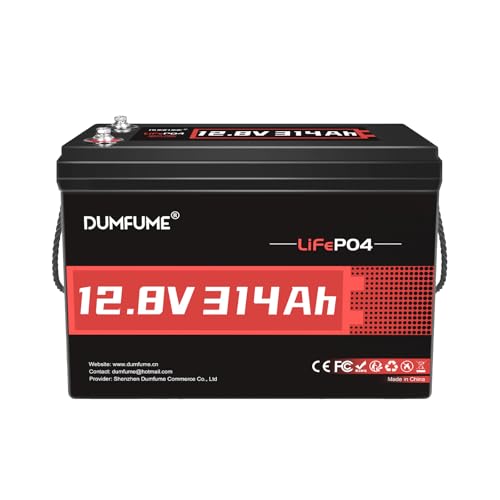
dumfume 12V 300Ah LiFePO4 Battery 200A BMS
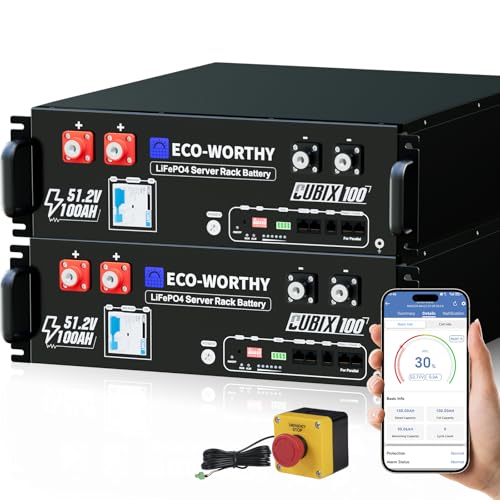
ECO-WORTHY Cubix100 48V 200Ah LiFePO4 Battery 2 Pack

ECO-Worthy Cubix100 48V 600Ah Server Rack Battery LiFePO4 6 Pack
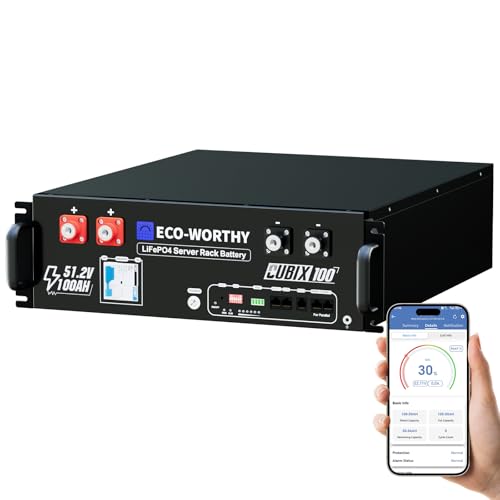
ECO-WORTHY Cubix100 48V 100Ah LiFePO4 Battery

ECO-Worthy Cubix100 48V 400Ah LiFePO4 Battery 4 Pack

HiXiMi 48V LiFePO4 Battery Box DIY Energy Storage Cabinet

ECO-WORTHY Powermega 48V 314Ah LiFePO4 Battery 2 Pack
More Details On Our Top Picks
A 12V lithium pack still has a place in solar storage, especially in RVs, cabins, and smaller backup setups where simplicity matters more than rack density. This dumfume unit adds a 200A battery management system, or BMS, the control layer that helps manage charging and discharging limits, plus low-temperature protection for colder installs.
The 4019Wh capacity gives you room for practical loads without moving into 48V complexity, and the IP65 rating points to a sealed enclosure that handles dust and splashes better than open-frame gear. Compared with the ECO-WORTHY rack batteries later in this list, this one is easier to picture in a compact build, though the trade-off is less system-level scalability.
Strong Points
- High capacity suits overnight backup and longer off-grid stretches.
- 200A BMS gives you stronger current handling for demanding loads.
- Low-temperature protection matters for sheds, garages, and shoulder-season use.
- IP65 sealing adds useful peace of mind around dust and splash exposure.
- Deep-cycle design fits repeated solar charge and discharge routines.
Things To Consider
- 12V systems can need heavier cabling than comparable 48V setups.
- The size and weight of a large single battery can make placement less forgiving.
- Whole-home expansion is less straightforward than with modular rack units.
Feature Snapshot
Who It Suits Best
You fit this pick best if you want a straightforward 12V solar battery for an RV, backup shed, or moderate off-grid storage plan.
A Better Fit Elsewhere
ECO-WORTHY Cubix100 48V 100Ah LiFePO4 Battery suits compact rack installs better, especially when you want easier scaling in a tighter indoor system.
This two-pack sits in the middle of the category in a useful way, because it gives you 48V structure without jumping straight to a large six-pack bank. Bluetooth adds visible status monitoring, which helps a garage or utility-room installation feel less like guesswork.
Compared with the dumfume 12V option, the 48V layout is a cleaner match for larger inverters and longer cable runs. The trade-off is that rack-style equipment asks for more planning up front, so you’ll appreciate it most in a permanent backup setup rather than a portable one.
Highlights
- 48V architecture works well with many home backup systems.
- Bluetooth monitoring gives you easier day-to-day status checks.
- Two-pack format offers room to size the bank more carefully.
- Listed compatibility and product labeling support a more structured installation plan.
Room For Improvement
- Rack batteries are less convenient than portable packs for temporary use.
- The two-unit setup takes more wall or rack planning.
- Monitoring features add usefulness, but also another interface to learn.
Core Details
Whose Shelf It Belongs On
You fit this choice best if you want a mid-size home backup battery bank with app-based monitoring and rack-style organization.
Skip It When
ECO-WORTHY Cubix100 48V 100Ah LiFePO4 Battery is the neater fit for smaller spaces where a single module keeps the installation simpler.
This six-pack pushes into serious home backup territory, and that changes the conversation from convenience to system planning. A 30.72kWh class bank can cover far more load than the smaller units above, so it suits homes that want long runtime or a wider solar buffer.
The flip side is straightforward: big battery banks demand more space, more coordination, and more comfort with a permanent install. Compared with the 2-pack Cubix100, this one is the better fit when the goal is scale first and portability never.
Upsides
- Very large storage capacity supports demanding household backup plans.
- Six-module structure can help with system planning and growth.
- Rack-style layout stays organized in a dedicated power room.
- UL and CEC listing references strengthen confidence in the paperwork side of the setup.
- Useful for households that want solar storage to carry more of the load.
Points To Note
- Space requirements are significant, so placement needs attention.
- The kit style is better for permanent installations than flexible use.
- Large systems usually take more coordination during setup and maintenance.
Quick Facts
Built With In Mind
You fit this pick best if your solar storage plan revolves around whole-home backup and a dedicated battery room or rack space.
Another Choice May Suit
ECO-WORTHY Cubix100 48V 200Ah LiFePO4 Battery 2 Pack is easier to live with for households that want strong storage without such a large footprint.
Smaller rack batteries tend to hit a sweet spot for homeowners who want structure without building a giant bank. This 48V, 100Ah module keeps the layout tidy, and the Bluetooth plus WiFi support makes status checks easier in day-to-day use.
It stands apart from the two-pack and six-pack Cubix100 options because the installation story is simpler, not larger. That makes it a better fit for a modest backup circuit, a starter solar room, or a setup that may expand later without feeling oversized on day one.
Best Bits
- 48V format aligns neatly with many modern inverter systems.
- Bluetooth and WiFi make monitoring more convenient from inside the house.
- Single-module design keeps the initial installation cleaner.
- 5120Wh capacity is a practical starting point for backup planning.
Softer Spots
- One module gives you less immediate storage than the larger Cubix100 packs.
- Rack-based gear still needs a dedicated indoor space.
- Connectivity features are helpful, but only as good as the rest of the system setup.
Details At A Glance
Right Fit For
You fit this model best if you want a single 48V rack battery for a home backup system with remote monitoring.
Where A Sibling Pick Shines
ECO-WORTHY Cubix100 48V 200Ah LiFePO4 Battery 2 Pack is the smarter move for households that need more runtime from the start.
Four modules often hit the middle ground for homeowners who want real capacity without stepping into very large bank territory. This Cubix100 set gives you 20.48kWh, which is enough storage to matter in a long outage or a solar-heavy household schedule.
Compared with the 100Ah single unit, this is the more serious expansion path, but it still stays easier to size than the six-pack kit. The honest read is that it fits best in a permanent install where you want noticeable runtime and a clear path for future planning.
Reasons To Buy
- 20.48kWh of storage gives you meaningful backup headroom.
- Four-pack structure suits households scaling beyond starter batteries.
- Bluetooth support helps you track performance more easily.
- UL and CEC listing references strengthen the system planning side.
- Balanced size makes it easier to justify than a much larger bank.
Minor Gripes
- Installation still calls for dedicated space and orderly wiring.
- The system is larger than many casual backup setups need.
- Rack-style hardware is less flexible than portable battery packs.
Core Details
Made For
You fit this pick best if you want a mid-large home backup battery bank with room to support heavier daily loads.
Look Elsewhere When
ECO-WORTHY Cubix100 48V 100Ah LiFePO4 Battery is easier to place in a tighter room or smaller starter system.
This one is for hands-on solar storage builds, not plug-and-play convenience. The cabinet ships without cells, so you’re really buying the enclosure, the 200A JK BMS, and the supporting hardware around a custom LiFePO4 pack.
That makes it very different from the ready-made rack batteries above, and the appeal is clear for experienced builders who want control over cell choice and layout. For a first project, though, the assembly side needs patience and a careful wiring plan.
Best Bits
- Cells-excluded design gives you flexibility in cell sourcing.
- JK BMS support brings a serious control layer to a DIY build.
- Metal cabinet format helps keep the pack organized.
- Recommended cell sizing guidance narrows the planning guesswork.
Areas To Watch
- You need to source cells separately, which adds project work.
- DIY assembly suits careful builders more than casual installers.
- Cabinet builds can demand more bench space during setup.
Feature Rundown
Who Will Love This
You fit this cabinet best if you already know your way around DIY battery assembly and want more control over the final pack.
Swap It Out When
dumfume 12V 300Ah LiFePO4 Battery 200A BMS is the simpler route for anyone who wants a finished battery instead of a custom build.
Powermega leans into monitoring and control more than the simpler Cubix100 units, so it’s the obvious pick for a technically minded solar setup. Active balancing helps keep cells working more evenly over time, and the LCD plus Bluetooth and WiFi make status checks much more transparent.
The communications ports, RS485, CAN, and RS232, matter for people tying batteries into more complex equipment, especially in off-grid or hybrid systems. Compared with the 48V Cubix100 series, this is the more detailed, more connected route, though that also means you’ll appreciate it most if your installation already has a clear plan.
Positives
- Active balancing supports more even cell management inside the pack.
- Multiple communication ports help with advanced system integration.
- LCD, Bluetooth, and WiFi give you several ways to check status.
- 200A BMS suits demanding off-grid and backup applications.
- Aerosol fire protection adds another layer of system-side design intent.
Small Caveats
- The feature set is more complex than most homes need.
- Advanced connectivity can feel excessive in a simple backup build.
- Setup works best in systems with careful planning and documentation.
Key Specs
The Right Fit
You fit this battery best if your solar storage system needs communication options, active balancing, and a more technical monitoring setup.
Where Another Pick Suits Better
ECO-WORTHY Cubix100 48V 100Ah LiFePO4 Battery is the cleaner option for smaller installations that don’t need this much system integration.
How To Choose The Right Solar Storage Batteries
Start With Voltage And System Size
Voltage shapes the rest of the build. A 12V battery like the dumfume unit works well in smaller, simpler setups, while 48V batteries suit larger inverters, longer cable runs, and more serious home backup plans.
Capacity matters just as much, because amp-hours, or Ah, tell you how much charge the battery can hold before recharge. Energy figures such as Wh or kWh give a clearer picture of runtime, which matters more than a model label when your goal is to keep lights, networking gear, or appliances running.
Match The Form Factor To The Space
Rack batteries fit best in a dedicated indoor area where neat wiring and repeatable expansion matter. The ECO-WORTHY Cubix100 line makes that story obvious, while the HiXiMi cabinet only works for someone who wants to build the cell pack from scratch.
Portable and sealed options suit garages, RVs, and backup corners better when the installation needs to stay compact. You’ll save yourself trouble by choosing the enclosure style first, then filling in capacity, not the other way around.
Check Management Features Before You Commit
A BMS is the battery management system, and it controls charge and discharge behavior while helping protect the pack from abusive use. Bluetooth, WiFi, or LCD monitoring won’t add storage, but they do make routine checks easier, especially in systems you expect to leave in place for years.
Active balancing, found on the Powermega, helps keep cells closer together in charge state, which matters more in larger banks than in tiny packs. The trade-off is extra complexity, so you want these features when the install is permanent and the system deserves close oversight.
Plan For Expansion And Maintenance
One battery can be a starting point, but modular systems make future growth less painful. The 100Ah Cubix100, the 2-pack, and the 6-pack all point to different levels of expansion, so you can buy for today without boxing yourself in tomorrow.
Maintenance is mostly about access, labeling, and keeping the installation tidy. Larger systems can look neat on paper and still become awkward in real life if the rack room is cramped or the cable path is messy.
A Quick Reality Check
Common Shopping Slip Ups
People often focus on headline capacity and ignore system voltage. That’s how a battery ends up being technically impressive but awkward for the inverter or charger already in place.
Another common miss is buying a form factor that doesn’t suit the room. A rack battery sounds orderly, yet it can become annoying in a tight garage where access and ventilation already compete for space.
What The Higher Tier Buys
More money usually buys more storage, more monitoring, and more integration options. In this list, that shows up in larger banks, Bluetooth or WiFi dashboards, active balancing, and communication ports like RS485 and CAN.
Premium also tends to buy planning headroom. You pay for smoother expansion, cleaner status visibility, and a setup that feels calmer once the solar system starts doing real work.
Frequently Asked Questions
What chemistry works best for solar storage?
LiFePO4, or lithium iron phosphate, is the chemistry used across this roundup. It suits home and off-grid storage because the category is built around repeated charge and discharge cycles.
Is 48V better than 12V?
Neither is universally better, because the right voltage depends on the inverter and the scale of the system. 48V usually makes more sense for larger home backup setups, while 12V fits smaller builds more naturally.
Do Bluetooth and WiFi matter?
They matter most when you want quick status checks without opening the battery area. For a simple setup, they’re useful but not essential.
What does a BMS do?
A BMS manages charging, discharging, and safety limits for the battery pack. It’s a central part of how modern lithium storage systems stay organized.
Why choose a DIY battery cabinet?
A DIY cabinet lets you choose the cells and shape the build around your own project plan. It suits experienced builders who want more control than a finished pack gives.
Final Thoughts
Your best solar storage choice depends on how much space you have, how much runtime you need, and how comfortable you are with installation complexity. The dumfume 12V battery makes sense for simpler setups, the ECO-WORTHY Cubix100 line covers most home backup paths, and the Powermega appeals to more technical systems. For DIY projects, the HiXiMi cabinet gives you a different kind of control altogether. Match the battery to the system you actually plan to live with, and the rest gets easier.
