

Van life asks a lot from a solar setup, because roof space is tight, shade changes all day, and your charging needs can swing from a phone and fan to a fridge and laptop. The right panel shape and output make daily travel feel less like a balancing act and more like a steady routine. You get the clearest payoff from panels that match your roof, your battery system, and how often you park in partial shade.
The picks below focus on flexible, rigid, bifacial, and portable options so you can match the hardware to your van layout instead of forcing your setup into the wrong shape. Some are better for curved roofs, some for plug-and-play camping, and some for larger off-grid electrical plans. The differences matter, because a panel that suits a weekend van can feel undersized in a full-time build.
Quick Look At The Shortlist

Renogy Flexible Solar Panel 100W 240° Ultra Flex Bendable

Topsolar 2PCS 180W Semi-Flexible Solar Panel
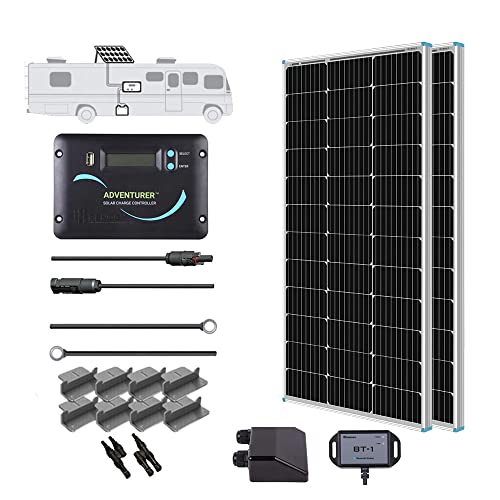
Renogy 200W 12V N-Type RV Solar Panel Kit with Adventurer 30A Controller

100W 12V Flexible Solar Panel 9BB Monocrystalline Cell

Renogy ShadowFlux Solar Panel 400W N-Type 25% High-Efficiency

N-Type 16BB 400W Bifacial Solar Panel 2Pcs 200 Watt

STAR 990 Watt Solar Panel 2PCS 495W 48V/24V

N-Type 16BB 200W Bifacial Solar Panel 200 Watt

110W Portable Solar Panel Foldable Solar Charger for Power Station 20V
More Details On Our Top Picks
The curved-friendly shape makes this Renogy panel easy to picture on a van roof that doesn’t stay perfectly flat. Its 0.1-inch profile keeps it low, while the IP68 rating points to a sealed build that suits wet roads, roof washdowns, and dusty travel days.
Compared with the rigid kits later in this list, this one leans into fit and form rather than mounting hardware and maximum roof rigidity. You may find it especially sensible for a build that already has roof vents, skylights, or other obstacles crowding the usable area.
Strong Points
- Ultra-flex design works well on curved or uneven panels.
- Thin profile helps keep roof clutter to a minimum.
- IP68 sealing adds peace of mind for wet-weather use.
- Lightweight construction makes handling less awkward during install.
Points To Note
- Flexible panels usually ask for careful mounting and surface prep.
- Roof heat and adhesive choices matter more than with framed panels.
- It suits shape-first installs more than high-structure rack builds.
Feature Snapshot
Who It Suits Best
Van owners with curved roofs or crowded top surfaces get the most practical fit from this panel.
Another Choice May Suit
Renogy 200W 12V N-Type RV Solar Panel Kit with Adventurer 30A Controller suits you better when you want a more structured starter setup with controller hardware included.
This two-panel set suits a van roof that needs more coverage than a single 100-watt sheet can offer. The semi-flexible format helps it sit more naturally on uneven surfaces, and that matters on builds with ribs, slight curves, or mixed rooftop hardware.
In daily use, more panel area can help keep charging steadier during shorter parking windows. The trade-off is the same one you get with other semi-flexible designs, installation care matters, and the surface underneath should be prepared thoughtfully for long-term grip.
What We Like
- Two-panel format gives you more coverage in one package.
- Semi-flex construction adapts better than a rigid frame on mixed roof shapes.
- Works well for vans that spend time parked rather than constantly moving.
- Good fit for owners who want a simple step up from a single small panel.
Softer Spots
- Mounting still needs care, especially on textured or uneven roof panels.
- Semi-flex builds can be less forgiving than rigid hardware during installation.
- Roof heat and airflow remain worth thinking about on long summer trips.
Core Details
Whose Shelf It Belongs On
Van travelers who want more roof coverage without stepping into a full rigid-panel layout will find the sizing appealing.
A Better Fit Elsewhere
Renogy ShadowFlux Solar Panel 400W N-Type 25% High-Efficiency suits you better when your parking spots are shaded by trees or nearby structures.
This kit stands out because it brings the controller and mounting brackets into the same package, which removes a few guesswork steps from the first van build. The Adventurer 30A LCD PWM controller, where PWM means pulse-width modulation, gives you a straightforward charging brain for a 12V setup.
Compared with the flexible sheets above, this one makes more sense for a conventional roof layout and a cleaner, more organized install. The honest read is that it suits a practical first-time setup better than a highly customized roof line, especially when you want the pieces to match from day one.
Highlights
- Controller is included, so the setup feels more complete.
- Mounting brackets make planning the roof layout easier.
- 12V system focus lines up with many van electrical plans.
- Good route for a tidier, less piecemeal install.
- Useful for owners who want fewer parts to source separately.
Minor Gripes
- Rigid-format hardware suits flat or orderly roof layouts more naturally.
- PWM controllers are simple, but they are less advanced than some higher-end controller types.
- Kit builds can take more planning space on a crowded roof.
Feature Rundown
Built With In Mind
First-time van converters who want a more complete solar package get the most value from this kit.
Where A Sibling Pick Shines
Topsolar 2PCS 180W Semi-Flexible Solar Panel suits you better when your roof shape is awkward and you need more bending room than a framed kit offers.
The 9BB monocrystalline cell design points to a panel built for efficient space use, which matters a lot on a van roof where every inch has a job. Monocrystalline means the cells come from a single crystal structure, a format often chosen for compact installs that need dependable output from limited surface area.
This one feels like a straightforward fit for smaller battery banks and modest travel loads. Compared with the Renogy flexible pick, it speaks more plainly to a 12V battery charging setup, which can make planning easier for a simple van electrical system.
Upsides
- Flexible format helps it adapt to uneven roof sections.
- 100-watt size works well for small or starter systems.
- 9BB cell layout supports a compact efficiency-focused design.
- Easy to picture in a van that only needs a modest charging boost.
Areas To Watch
- Flexible panels need careful mounting to keep long-term adhesion in good shape.
- Single-panel output is better for lighter daily loads than power-hungry off-grid living.
- Roof prep and cable routing deserve attention during install.
Details At A Glance
Right Fit For
Van owners building a small, tidy 12V charging setup will appreciate the simple format.
Look Elsewhere When
Renogy 200W 12V N-Type RV Solar Panel Kit with Adventurer 30A Controller makes more sense when you want the controller and brackets packaged together.
Shade tolerance is the main story here, and that speaks directly to van parking in real life, where trees, buildings, roof racks, or a partly covered campsite can cut into output. The ShadowFlux approach is meant for partial-shade situations, so it suits spaces where perfect sun exposure is more wishful than routine.
Compared with the smaller flexible options, this 400-watt set is for a much more serious electrical plan. You may find it worth the extra attention if your van carries a fridge, laptop charging, fans, and longer parked stretches in mixed light.
Bright Spots
- Designed with partial shade in mind, which fits real camp parking conditions.
- 400-watt total output gives you room for higher daily energy use.
- Two-panel arrangement can spread roof coverage more efficiently.
- N-Type cell design points to a more modern panel build.
Small Caveats
- Larger output means you need enough roof space to support the setup.
- Higher-capacity gear usually calls for more careful system planning.
- It suits a committed van build more than a light weekend rig.
Key Specs
The Right Fit
Full-time van travelers who often park under trees or near tall buildings will appreciate the shade-aware design.
Swap It Out When
100W 12V Flexible Solar Panel 9BB Monocrystalline Cell makes more sense when your roof space is tight and your energy needs stay modest.
Bifacial panels collect light from both sides, so the setup can make better use of reflected light around a van, rooftop rack, or light-colored mounting surface. The 16BB cell structure, where the cell uses multiple rear busbars to move current more evenly, helps explain why this style gets attention in higher-output builds.
Compared with the Renogy ShadowFlux option, this one is less about shade strategy and more about squeezing extra energy from a larger array design. The practical upside shows up most clearly in a van that already has a planned electrical backbone and enough room to support a more ambitious install.
Reasons To Buy
- Bifacial design can take advantage of light from both sides.
- 400-watt total output suits stronger van electrical demands.
- Works with 12V and 24V systems.
- Dual-module layout gives the roof more flexibility in placement.
- Anti-shade design helps keep performance steadier in mixed light.
Honest Caveats
- Bifacial performance depends a lot on where and how the panels are mounted.
- The setup makes more sense for larger vans or roof plans with room to spare.
- System planning matters, so it suits organized installs more than casual add-ons.
Technical Sheet
Whose Shelf It Belongs On
Van builds with larger battery banks and planned roof layouts are the best match for this panel pair.
Where A Sibling Pick Shines
Renogy Flexible Solar Panel 100W 240° Ultra Flex Bendable suits you better when your roof is curved and the install needs to hug the bodywork.
This panel pair sits far beyond the usual van starter setup, so it makes sense only for very large electrical plans. The frameless design and maintenance-free positioning suggest less hardware fuss at the surface, though the real attention goes to system sizing, mounting, and roof support.
Compared with the 400-watt options, this one belongs in the category of serious capacity rather than everyday van convenience. That can be useful for a converted vehicle that doubles as a mobile workspace or long-haul home base, but it’s too much panel for many small roofs.
Best Bits
- Very high total output for a demanding off-grid setup.
- 48V and 24V support gives system designers more range.
- Frameless format reduces edge clutter on the panel surface.
- Maintenance-free design language points to a simpler day-to-day ownership routine.
Room For Improvement
- The size suits large systems far more than compact vans.
- Roof space and structural planning need to be carefully matched.
- It feels more like a serious energy asset than a casual van add-on.
Core Details
Who Should Grab It
Large off-grid van builds and mobile work rigs are the natural home for this much capacity.
Not Your Match When
MHPOWOS 110W Portable Solar Panel Foldable Solar Charger for Power Station 20V suits you better when flexibility and pack-away storage matter more than roof-mounted output.
This smaller Callsun panel lands in a useful middle zone for van life, because 200 watts can be enough for a thoughtful but not overbuilt electrical plan. Like the larger bifacial pick above, it uses a dual-side approach and 16BB cell design, so the structure speaks to efficiency-minded setups rather than bare-bones charging.
It feels more approachable than the 400-watt version, especially for vans that need solid daytime harvesting without taking over the roof. The trade-off is simple, less total output, so your appliance load and battery goals need to stay realistic.
Standout Traits
- 200-watt size suits moderate van energy needs.
- Bifacial layout offers a useful edge in bright surroundings.
- Dual-module anti-shade design helps in mixed light.
- Fits a more measured upgrade path than larger arrays.
Things To Consider
- Less total output than the 400-watt bifacial version.
- Performance still depends on placement and surrounding reflectivity.
- Best suited to a well-planned medium-duty system.
Feature Card
Who Will Love This
Van owners who want a measured step up from a 100-watt panel will get a lot of practical use from this size.
Where Shoppers Go Wrong
MHPOWOS 110W Portable Solar Panel Foldable Solar Charger for Power Station 20V is the easier fit when storage space is scarce and you need to move the panel often.
Portable solar changes the rhythm of van life, because you can park in shade, move the panel toward better light, and pack it away when you’re rolling again. This MHPOWOS foldable charger brings 110 watts, a 20V output format, and a seven-connector output bundle, so it fits flexible camp-side charging more naturally than a roof-mounted sheet.
The IP67 waterproof rating helps it fit roadside weather and outdoor use, while the adjustable bracket gives you a better angle than a flat ground lay. Compared with the fixed roof panels above, this pick works best for park-and-charge routines, not permanent top-deck installs.
Positives
- Foldable build stores more easily than a mounted roof panel.
- Adjustable bracket helps you angle the panel toward better light.
- Seven-output connector set gives you more connection flexibility.
- IP67 rating suits outdoor use around dust and wet conditions.
Trade Offs
- Portable panels need setup and pack-away time at each stop.
- Ground placement can be less convenient than a fixed roof array.
- It suits camp routines better than a hands-off permanent install.
Quick Facts
Perfect Match For
Van travelers who split time between parked camp use and moving around often will get the most from this foldable format.
Where Another Pick Suits Better
Renogy Flexible Solar Panel 100W 240° Ultra Flex Bendable suits you better when you want a panel that stays mounted to the roof instead of moving from stop to stop.
How To Choose The Right Solar Panels For Van Life
Start With Roof Shape And Space
Curved roofs, ribbed roofs, and builds crowded by vents need flexible or semi-flexible panels more often than framed ones. Flat or roomy roofs can handle rigid modules, which usually pair better with brackets and cleaner airflow under the panel.
Roof space matters just as much as wattage. A 400-watt array sounds attractive, but a van with a roof box, skylight, or fan cluster may handle two smaller panels more gracefully than one oversized sheet.
Match Output To Daily Habits
Your power appetite should drive the panel choice. A weekend setup that only tops up phones, lights, and a small fan can live comfortably in the 100- to 200-watt range, while a fridge, work laptop, and longer parked stays push you toward larger arrays.
Think about how often you drive, how often you sit in one place, and how much sun your usual parking spots actually get. That mix tells you more than a big wattage number on its own.
Pay Attention To Shade And Light
Van parking rarely gives you perfect sun all day, so shade behavior matters a lot. Bifacial and partial-shade-aware panels make more sense in lots with trees, buildings, or rack shadows, while simpler panels suit open campsites and predictable roof exposure.
The real trick is to pair the panel with your parking style. A clever array can soften the sting of mixed light, but it cannot turn deep shade into a sunny field.
Choose The Right Installation Style
Portable panels suit people who move often and want the option to chase sun by hand. Roof-mounted panels suit full-time van life better when you want the system to work quietly in the background.
Mounting style also changes upkeep. Roof panels are more set-and-forget, while portable units ask for setup, cable handling, and storage every time you park.
A Quick Reality Check
Common Shopping Slip Ups
One common mistake is chasing wattage without checking roof space. Another is choosing a rigid panel for a roof that bends, curves, or already carries hardware.
Connector compatibility trips people up too, especially in van builds that mix solar gear from different brands. Matching the panel to your charge controller and battery setup saves time later.
What The Higher Tier Buys
Higher-end panels usually cost more because of cell design, better shade handling, and build details that support harder use. Bifacial, N-Type, and higher-efficiency layouts can make sense when your roof space is precious and your energy draw is steady.
That upgrade pays off most in full-time vans, work rigs, or travel setups that spend time parked under mixed light. For lighter camping use, a simpler panel often covers the basics without the extra complexity.
Frequently Asked Questions
How much solar wattage works for van life?
Smaller weekend setups often start around 100 to 200 watts. Full-time van homes usually need more, especially with a fridge or regular device charging.
Are flexible panels good for van roofs?
They fit curved or crowded roofs better than framed panels. The trade-off is that mounting needs more care.
What does bifacial mean in solar panels?
Bifacial panels can take in light from both sides. That helps most in setups with bright reflected light around the panel.
Do portable panels make sense for van life?
They make sense for parking routines where you want to move the panel toward the sun. They take more handling than roof-mounted options.
What size panel suits a simple starter van setup?
A 100-watt panel can work well for light charging and small battery plans. A 200-watt setup gives you more breathing room without jumping to a large roof array.
Closing Thoughts
The right solar panel for your van is less about chasing the biggest number and more about matching shape, output, and routine. A curved roof asks for flexibility, a shaded campsite rewards smarter cell design, and a packed electrical plan needs room to grow. Once those pieces line up, solar stops feeling like a puzzle and starts feeling like part of the van itself. Pick the setup that fits the way you travel, and the rest gets easier.
