

Solar heating can take the sting out of a cool pool without adding another electric bill line, and that matters most in backyards where the water gets close to swim-ready but not quite there. You’ll see a mix here, from solar panels and floating rings to electric heat pumps and spa heaters, because different pool setups need different kinds of help. The right choice depends on pool size, setup style, and how much work you want to handle during installation.
Quick Look At The Shortlist
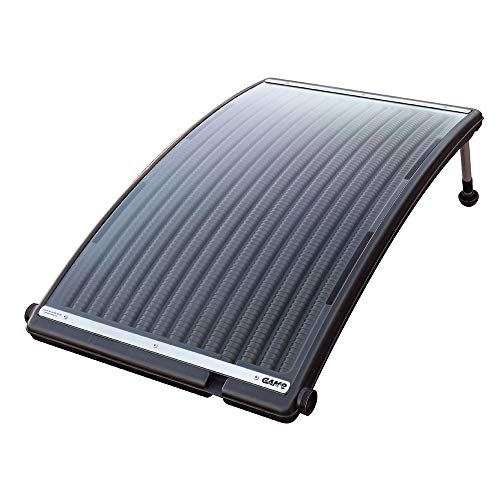
Game 72000-BB SolarPRO Curve Above-Ground Pool Heater

Goplus 2.5FT x 10FT/ 20FT Solar Pool Heater

Toolsempire Solar Pool Heater Outdoor Dome

WARMBLU H10 Swimming Pool Heat Pump 35,000BTU

IRONMAX 2.5 x 20 Ft Solar Pool Heater

Solar Sun Rings 60-Inch UV Resistant Solar Pool Heater Sunburst 9-Pack

SolarPoolSupply DIY Solar Pool Heater Kit
Mxmoonant SPA Heater 11KW 220V Electric Pool SPA Heater

Solar Sun Rings 60-Inch UV Resistant Solar Pool Heater with Water Anchors Sunburst 1-Pack
More Details On Our Top Picks
The curved shape makes this GAME unit feel built for tighter pool decks, especially around Intex and Bestway setups where space gets cramped fast. It leans on solar energy instead of an electric heater, so the use case is straightforward, low-fuss water warming for above-ground pools.
That simplicity helps casual pool owners more than folks chasing aggressive heating. The honest trade-off is that you need compatible plumbing and realistic expectations about solar gain, because output depends on sun exposure and pool conditions.
Strong Points
- Curved form factor helps it fit neatly beside smaller above-ground pools.
- Solar-only operation keeps setup simpler than a powered heating system.
- Works with common Intex and Bestway pool setups, which helps reduce guesswork.
Things To Consider
- Solar heating changes with weather, shade, and season, so results will vary by yard.
- You need compatible pool connections, so it’s less flexible than a universal panel kit.
Feature Snapshot
Who It Suits Best
Pool owners with smaller above-ground setups and basic plumbing needs get the most straightforward fit here.
Where A Sibling Pick Shines
Goplus 2.5FT x 10FT/ 20FT Solar Pool Heater fits you better when you want a broader panel-style option for a more customized layout.
The Goplus panel approach looks better suited to people who want sizing choices instead of a one-shape setup. The 2.5-foot width keeps the footprint manageable, while the length options give you room to match a pool layout without overcommitting to a fixed format.
That makes it a sensible middle path for above-ground pools and some inground layouts where roof or deck space is limited. Maintenance should stay fairly straightforward, though panel systems usually ask for cleaner routing and a little more planning than a compact dome unit like the Toolsempire pick.
Highlights
- Multiple length options make it easier to match your pool size.
- Panel style can work well for owners who want a more traditional solar setup.
- Weatherproof construction language suggests outdoor use without babying the unit.
Points To Note
- Panel installs usually need more routing and layout planning than floating designs.
- Performance still depends on sun exposure and pump circulation, so placement matters.
Core Details
Who Should Grab It
Shoppers who want a flexible panel layout for a larger above-ground pool will get the most from this one.
Another Choice May Suit
Game 72000-BB SolarPRO Curve Above-Ground Pool Heater suits you better when you want a simpler curved unit with a smaller physical footprint.
The dome layout gives this Toolsempire heater a different feel from the flatter GAME and Goplus options. A black coil sits under a clear cover, which is the kind of setup that aims to gather sunlight and hold heat in a compact form, almost like a small greenhouse for water warming.
Foldable legs and rotatable hose connectors make it easier to adapt the angle and plumbing route, especially in a yard with limited space. The trade-off is that this design asks for a bit more attention to pressure limits and hose management than a simpler floating product.
Bright Spots
- Clear dome cover and black coil work together for a compact solar-collection setup.
- Foldable legs help with storage and repositioning around changing sun angles.
- Rotating hose connectors make series connections easier to plan.
- Fits both above-ground and inground pools, which broadens its use case.
Small Caveats
- You need to stay within the stated pressure range, so setup care matters.
- Compact dome gear can ask for more placement attention than long panel systems.
- Less capacity than a multi-panel layout, so larger pools may want a bigger solution.
Details At A Glance
Whose Shelf It Belongs On
You’ll get the most out of this one in a compact yard where flexible placement matters as much as heating power.
Swap It Out When
IRONMAX 2.5 x 20 Ft Solar Pool Heater fits better for you if a long panel run makes more sense than a dome-shaped unit.
The WARMBLU H10 takes a different route from the solar picks, since it’s a heat pump rather than a sun-dependent panel or ring. A heat pump moves heat from surrounding air into the water, so it can offer more consistent control for people who swim on a schedule and want fewer weather headaches.
The WiFi control and stated 35,000 BTU output point toward a more hands-on comfort setup for pools up to the listed capacity. The trade-off is obvious: you gain control and convenience, but you also step into a more complex electric appliance that asks for proper installation and more committed upkeep.
Reasons To Buy
- WiFi control gives you remote adjustment, which suits busy routines.
- Heat pump operation can feel steadier than solar-only heating in mixed weather.
- Fits larger pools better than the smaller dome and ring options.
Worth Noting
- Electric setup is more involved than a solar panel or floating ring.
- You need to think about placement, airflow, and long-term maintenance.
- The listed capacity makes it more pool-specific than the broader solar picks.
Feature Card
Built With In Mind
Pool owners who want a steadier electric heating setup for a larger backyard pool are the best fit here.
Look Elsewhere When
SolarPoolSupply DIY Solar Pool Heater Kit fits you better if you’d rather build a custom solar array and keep the system centered on sunlight.
IRONMAX leans into the long-panel style that works well when you want broader exposure area without jumping into a full custom build. The 2.5 by 20 foot format makes sense for roof or outdoor mounting where a straighter run is easier to manage than a compact dome.
That gives you a useful middle ground between the Goplus panels and the more hands-off Solar Sun Rings. You’ll still want a decent installation plan, because panel systems reward tidy routing and a pump setup that keeps water moving steadily through the collector.
Upsides
- Long panel format can cover more space than a small standalone unit.
- Works for both above-ground and inground pools, which broadens the fit.
- Roof-friendly layout may suit yards where ground space is already crowded.
Room For Improvement
- Panel installs can feel more involved than floating rings or dome heaters.
- Best results still depend on sunlight and water flow through the system.
Core Details
The Right Fit
You’ll appreciate this most when your pool area needs a panel system that can be mounted out of the way.
Reach For A Different Pick When
Solar Sun Rings 60-Inch UV Resistant Solar Pool Heater Sunburst 9-Pack is the better fit for you if you want a simpler floating setup with less planning.
The Solar Sun Rings take the least demanding path in this group, which is part of the appeal. You place them on the water, let the UV-resistant vinyl catch sunlight, and use the set as a low-effort warming layer for pools or spas.
That said, ring-style heating usually suits people who value simplicity over raw output. You may find them especially handy for topping off warmth in a pool that already gets good sun, while the nine-pack format makes them easier to spread across a larger surface.
Best Bits
- Floating format keeps setup simple, with no panel routing to plan.
- Nine pieces give you more surface coverage than a single ring.
- UV-resistant vinyl is a practical choice for outdoor pool exposure.
Areas To Watch
- Floating heaters usually need calm water and decent sun to feel worthwhile.
- They add warmth more gradually than a dedicated heat pump.
- Storage takes a bit of space when you remove them for the season.
At A Glance
Who Will Love This
Pool owners who want simple, low-planning solar warming for a family pool will find the format easy to live with.
Where A Sibling Pick Shines
WARMBLU H10 Swimming Pool Heat Pump 35,000BTU suits you better when you want active temperature control instead of floating solar coverage.
This kit is for the person who wants a custom build instead of a pre-shaped heater. The 4-by-10 panel format with a 1.5-inch inside-diameter header points toward a system you can integrate into a more deliberate plumbing layout, which usually suits hands-on pool projects.
The stated 15 to 20 year life expectancy makes it feel like a long-view option, though that depends on installation quality and routine care. Compared with the simpler ring and dome picks, this one asks more from you at setup, but it also gives you more room to shape the system around your pool.
Positives
- DIY format lets you build a solar layout around your own pool plan.
- Header sizing is clearly stated, which helps with plumbing matching.
- Long life expectancy language will appeal to owners planning a lasting setup.
- Better suited to custom routing than the ready-made floating options.
Trade Offs
- DIY systems ask for more installation know-how than preassembled units.
- Setup time is higher, so it fits patient project-minded owners more than casual shoppers.
- Maintenance and plumbing checks matter more in a custom build.
Quick Facts
Perfect Match For
You’ll fit this best if you like building out a solar pool system with your own plumbing plan.
Another Choice May Suit
Goplus 2.5FT x 10FT/ 20FT Solar Pool Heater fits you better when you want a panel system with more size variations and less DIY complexity.
The Mxmoonant unit is aimed more at spas, hot tubs, and smaller pool volumes than the broad solar-heating crowd. Touchscreen control and switchable Fahrenheit or Celsius readouts make it feel modern, and the stated 77 to 122 degree range gives you precise temperature tuning rather than sun-dependent guesswork.
Compared with the solar picks above, this one is more about exact control than outdoor collector area. The catch is that it needs a 220V setup and a little more installation planning, so it suits people who want a dedicated electric heater for a compact water space.
What We Like
- Touchscreen controls make day-to-day adjustment feel straightforward.
- Degree switching helps you work in the scale you already use.
- Suitable for spas and bathtubs as well as small pools.
- Heating range gives you direct control over water temperature targets.
Softer Spots
- 220V power means the installation plan matters.
- Best suited to compact water systems, not large backyard pools.
- Electric operation brings more setup complexity than solar floaters.
Feature Rundown
Best Suited To
You’ll get the most value from this heater in a spa, hot tub, or small in-ground water setup.
Skip It When
SolarPoolSupply DIY Solar Pool Heater Kit makes more sense for you if you want a custom solar project instead of an electric spa unit.
This single-ring version keeps the same easy floating idea as the nine-pack, but with a simpler starting point for smaller setups. The water anchors are the detail that stands out, because they help the ring stay where you want it instead of drifting around on breezy days.
That makes this a practical entry point for owners who want solar warming without committing to panels, pumps, or roof routing. It feels most useful as a support piece for moderate warmth rather than a full replacement for a stronger heating system.
Highlights
- Floating design keeps installation simple and low stress.
- Water anchors help the ring stay in place better than loose floaters.
- UV-resistant vinyl is a sensible material for outdoor pool exposure.
Honest Caveats
- Single-pack coverage is modest, so larger pools may need more than one unit.
- Storage is still part of the equation when the season changes.
- Like other floating warmers, it depends heavily on sun and calm surface conditions.
Core Details
Who It Suits Best
Pool owners who want an easy floating warmer for a smaller backyard pool or spa setup are the best match here.
A Better Fit Elsewhere
IRONMAX 2.5 x 20 Ft Solar Pool Heater fits you better when you want a longer mounted panel instead of a single floating ring.
How To Choose The Right Inground Solar Pool Heaters
Match The Heater Type To Your Pool Setup
Panel systems, floating rings, dome heaters, and electric heat pumps solve the same problem in different ways. Panels and DIY kits suit owners who have roof, deck, or ground space for a fixed collector, while floating rings work best for simple, low-touch warming. Dome units sit in the middle with a compact footprint, and heat pumps step outside the solar lane entirely for more direct control.
Your pool size matters just as much as the heater style. A small spa can do well with a compact electric unit, but a larger inground pool usually needs more collector area or a stronger heat source to feel worthwhile.
Look Closely At Materials And Connections
UV-resistant vinyl, black coils, and weatherproof panel materials are worth paying attention to because they shape durability in sun and water. In plain terms, the material choice affects how well the heater handles outdoor exposure and how often you’ll think about replacement parts or seasonal storage. Hose diameter, header size, and connector style matter too, because mismatched plumbing can turn a decent pick into a headache.
That’s why a model like SolarPoolSupply’s DIY kit appeals to hands-on owners, while Solar Sun Rings keeps connection work to a minimum. The simpler the layout, the less room there is for installation errors.
Think About Energy Source And Control
Solar heaters depend on sun and circulation, so they work best for owners who can live with gradual warming and weather swings. Electric heaters and heat pumps offer steadier control, which helps when you swim on a schedule or want a set temperature range. The trade-off is that they bring more installation and power planning into the picture.
For many yards, that choice comes down to patience versus precision. Solar feels lighter on the setup side, while electric equipment gives you more control once it’s in place.
Balance Maintenance With Convenience
Floating products are usually easy to place and remove, but they still need storage space when the season changes. Panel systems can deliver more coverage, yet they often ask for cleaner plumbing runs and a little more routine checking. Dome and ring styles are friendlier for casual use, while larger DIY builds reward people who don’t mind a bit of upkeep.
For busy homes, the most convenient option is often the one that fits your routine without a lot of adjustment. A heater that’s easy to live with usually gets used more often, and that matters more than a flashy spec sheet.
Things Worth Knowing First
Common Shopping Slip Ups
One common mistake is matching the heater to the pool shape but ignoring the plumbing. A panel or kit can look suitable on paper, then stall out because the hose layout or header size doesn’t suit your equipment.
Another miss is expecting a small floating unit to warm a large inground pool quickly. Solar add-ons help most when the pool already gets decent sun and the owner wants gradual improvement, not dramatic temperature jumps.
What The Higher Tier Buys
Higher-tier systems usually bring more surface area, more control, or more customizability. That might mean a longer collector panel, a stronger electric heater, or smarter control features like WiFi and touchscreen adjustment.
The upgrade makes sense when your pool gets regular use, the water volume is larger, or you want less compromise in day-to-day comfort. In quieter backyard setups, a simpler solar option often makes more practical sense.
Frequently Asked Questions
Do solar pool heaters work for inground pools?
Yes, some do, especially panel systems, dome heaters, and floating ring setups that list inground compatibility. The best fit depends on your pool size, plumbing, and sun exposure.
Which is easier to live with, panels or floating rings?
Floating rings are usually simpler to place and remove. Panels can cover more area, but they usually need more planning and routing.
Do electric heaters replace solar heaters?
They solve the same comfort problem in different ways. Electric units give you more direct control, while solar units lean on sunlight and tend to be simpler to run.
How do you choose the right size?
Start with your pool volume and the space you have for installation. Bigger pools usually need more collector area or a stronger heater to feel worthwhile.
Are DIY kits hard to set up?
They ask for more comfort with plumbing and layout than ready-made floaters. A DIY kit suits you best when you want a custom setup and don’t mind a more involved install.
Final Thoughts
The easiest way to narrow this category is to start with your pool shape, then work outward from there. Small above-ground pools can get by with compact solar or floating options, while larger inground pools often need longer panels, a custom kit, or an electric unit with more control. GAME, Goplus, and Toolsempire cover the solar side well, and WARMBLU or Mxmoonant make more sense when you want active temperature control. Pick the heater that fits your routine, not the one with the most complicated spec list.
