

House solar panels ask for different things depending on your setup, from a folding panel for backup power to rigid modules for a roof, shed, or RV array. You want the right mix of output, mounting style, shading tolerance, and weather resistance, because the wrong panel can turn a useful project into a noisy compromise. This roundup keeps the focus on real use, not marketing fluff, so you can match each option to your space with less guesswork.
Quick Look At the Shortlist

Renogy 200W Portable Solar Panel

ECO-WORTHY 400W Solar Panels N-Type 4pcs 100 Watt 18V Monocrystalline
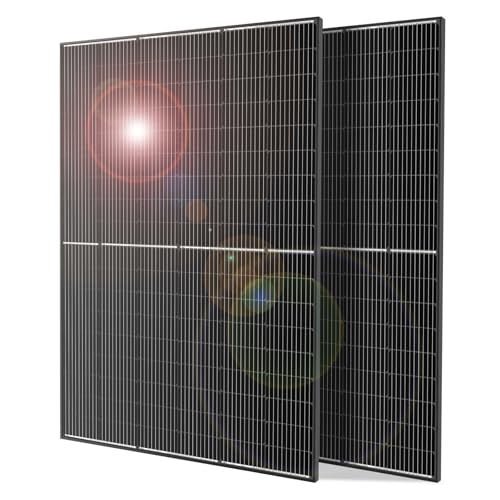
DOKIO 800W Solar Panel Set Two 400W 31V Panels

Renogy ShadowFlux Solar Panels 200W

Renogy ShadowFlux Solar Panel 400 Watt 2PCS 200W

Renogy ShadowFlux Solar Panel 800 Watt 2PCS 400W

N-Type 16BB 400W Bifacial Solar Panel 2Pcs 200W
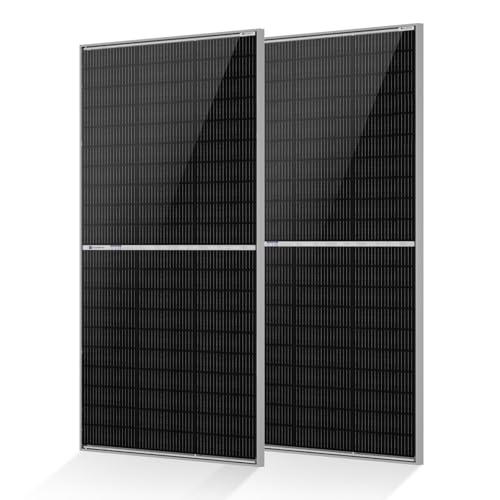
ECO-WORTHY N-Type 18BB 2Pcs 195 Watt Solar Panel
More Details On Our Top Picks
The folding frame makes this a natural fit for backup power, road trips, and temporary setups around camp. IP65 means the enclosure resists dust and low-pressure water spray, which matters more than it sounds when weather turns messy or you store gear near a driveway.
Compared with the rigid panels later in this list, this one trades mounting permanence for portability and fast setup. The USB-A and USB-C outputs also make it easier to top up small devices directly, while the kickstand helps angle the panel without extra hardware.
Strong Points
- Foldable layout makes storage easier in smaller vehicles or closets.
- USB-A and USB-C outputs add handy device charging options.
- Kickstand support helps with quick placement on flat ground.
- IP65 resistance suits dusty sites and damp outdoor use.
Things To Consider
- Portable construction suits temporary use more than a fixed rooftop array.
- You may want to manage cable storage carefully to avoid clutter in transit.
- The panel format is less about sprawling home coverage and more about mobile backup.
Feature Snapshot
Who It Suits Best
You’ll get the most from this panel in a camper, RV, or emergency kit where portability matters more than permanent mounting.
Where A Sibling Pick Shines
Renogy ShadowFlux Solar Panels 200W fits better for a fixed setup that spends time under partial shade and needs a more roof-minded layout.
Four 100W modules give you a modular path to 400W total, which is handy for anyone building a system step by step. The 18V format suits many small off-grid banks, and the IP68 rating points to stronger water sealing than a basic outdoor panel, which helps around boats, sheds, and exposed racks.
Compared with Renogy’s foldable 200W panel, this set is less about grab-and-go use and more about building something steady. In a home backup or farm shed setup, that split format can be easier to place around vents, rails, or uneven roof sections.
What We Like
- Four-panel layout gives you placement flexibility.
- IP68 sealing suits wetter environments and exposed outdoor mounting.
- 100W modules are easier to arrange around tight spaces.
- Works well for gradual system expansion.
Room For Improvement
- Four separate pieces mean more planning during installation.
- The modular setup takes more mounting hardware than a portable fold-out unit.
- Cleaning and cable routing can take a little more attention across multiple panels.
Core Details
Who Will Love This
You’re a good match for this set if you want a flexible off-grid build for a shed, small cabin, boat, or RV battery bank.
Another Choice May Suit
DOKIO 800W Solar Panel Set suits larger fixed installations where you want two bigger panels and a more straightforward mounting plan.
Two 400W panels push this into a more serious fixed-install lane, especially for yards, sheds, and off-grid stations that need a larger footprint. The 9.84-foot cables give you room to place the modules with less strain, and the aluminum frame plus pre-drilled holes simplify mounting on a prepared surface.
Compared with ECO-WORTHY’s four-panel kit, this one is easier to think about as a paired set rather than a puzzle of smaller pieces. The honest read is that you’ll appreciate the cleaner layout most when you already know where the panels will live.
Positives
- Two-panel format keeps the system simpler than a four-piece array.
- Long cable run helps with placement around roofs and outbuildings.
- Aluminum framing supports a sturdier fixed build.
- Pre-drilled holes save time during installation.
- Suited to larger off-grid projects that need more panel area.
Points To Note
- Less portable than folding or smaller modular panels.
- Best results come from a planned mounting location.
- Owners usually need to think through roof or rack spacing before setup.
Details At A Glance
The Right Fit
You’re in the sweet spot here if your setup is fixed, your mounting surface is ready, and you want a pair of panels rather than a portable kit.
Swap It Out When
Renogy 200W Portable Solar Panel makes more sense for camping, short-term backup, or any setup that needs to move often.
ShadowFlux is built around shade tolerance, which matters a lot on rooftop installs near vents, trees, rails, or nearby buildings. N-type panels use a cell structure designed for better performance behavior than older designs, and the anti-shading layout aims to keep output steadier when part of the panel is blocked.
Compared with the plain 200W portable Renogy panel, this one is a more fixed-minded option for homes or RV roofs. You may find it especially useful in mixed-light spots where a few hours of shade used to make the array feel underwhelming.
Highlights
- Anti-shading design is useful around partial obstructions.
- Works with both 12V and 24V system layouts.
- 200W size fits many smaller roof or rack projects.
- N-type build is aimed at stronger panel performance behavior.
Small Caveats
- Shade tolerance helps, but it does not remove shade completely.
- The panel still needs a thoughtful mounting position for best results.
- More advanced roof layouts may need careful wiring planning.
Quick Facts
Built With In Mind
This suits you best for a roof or rack that faces changing light during the day and needs a steadier response to partial cover.
Look Elsewhere When
Renogy ShadowFlux Solar Panel 400 Watt 2PCS 200W is the better fit for a larger rooftop plan where a matched pair makes more sense.
This two-panel 400W set fits the middle ground nicely, especially on RV, marine, or home rooftops where space and shade both matter. The ShadowFlux design is meant to keep partial shading from becoming a total drag on the system, which helps around trees, roof hardware, or seasonal snow cover.
Compared with the single 200W ShadowFlux panel, this pair gives you more total area without jumping straight to the bigger 800W setup. That makes it easier to scale a rooftop plan without overcommitting to a large array right away.
Reasons To Buy
- Two 200W panels make the layout easier to spread across a roof.
- Partial-shade focus suits mixed outdoor conditions.
- Good middle step between compact and larger arrays.
- Works for RV, marine, and home rooftops.
Areas To Watch
- Two-panel installs still need solid mounting planning.
- Roof clutter can affect placement around vents or racks.
- Cleaning both modules takes a little more time than a single panel.
Feature Rundown
Perfect Match For
You’re looking at a strong fit for a mid-sized roof build where you want better shading behavior without moving to a very large system.
Where Another Pick Suits Better
Renogy ShadowFlux Solar Panel 800 Watt 2PCS 400W suits bigger installs that need more total capacity and a more ambitious roof plan.
Two 400W modules move this into the serious rooftop category, where you care less about convenience and more about output planning. The ShadowFlux shading approach carries over here, so the larger array still aims to handle mixed-light roofs, tree cover, and similar obstacles better than a basic panel set.
Compared with the 400W two-panel Renogy set above, this version makes sense for larger homes, bigger RV energy plans, or anyone who simply wants more headroom. The trade-off is obvious: you need the roof space, the mounting structure, and the patience for a bigger install.
Best Bits
- Larger 800W pairing supports higher-demand builds.
- Good fit for rooftops with mixed light.
- Two large modules simplify the array compared with many smaller panels.
- Useful for RV, marine, or home systems that need growth room.
Worth Noting
- The size calls for more roof space and planning.
- Installation effort rises with larger hardware.
- Not a casual add-on for tiny backup kits.
Core Details
Whose Shelf It Belongs On
This fits you best if you’re building a substantial rooftop system and want a pair of large modules rather than a portable or starter setup.
Not Your Match When
Renogy 200W Portable Solar Panel is the easier choice for travel, short outages, or storage in a small vehicle.
Bifacial panels capture light from both sides, so this set makes the most sense in open installs where reflected light can reach the rear surface. The dual-module parallel anti-shade layout also gives you a more thoughtful approach to partial blockage, which can help on rooftops, vans, and marine builds with tricky angles.
Compared with the Renogy ShadowFlux picks, this one leans harder into bifacial design rather than brand-specific shading tech. The honest catch is that the rear-side benefit depends on the surface around it, so smooth, reflective placement matters more than with a standard panel.
Bright Spots
- Bifacial design can make open installs more productive.
- Dual-module parallel layout helps with shade management.
- Works with 12V and 24V systems.
- Good fit for rooftops, vans, and marine applications.
Softer Spots
- Rear-side gain depends on the install surface.
- Best placement usually needs a bit more thought than a standard flat panel.
- Not every roof will give the bifacial setup much extra benefit.
Technical Sheet
Who Should Grab It
You’re the right match for this set if your roof or rack is open enough to let reflected light work in your favor.
A Better Fit Elsewhere
ECO-WORTHY N-Type 18BB 2Pcs 195 Watt Solar Panel suits smaller roof plans where you want a more compact pair with a tighter footprint.
This two-panel set lands in a tidy middle zone, with 195W modules that suit smaller roof systems, RVs, and farm or home projects that do not need a huge footprint. The 6-zone matrix anti-shade design suggests a more thoughtful cell layout for partial cover, while bifacial construction gives the panel a second chance at light pickup in the right environment.
Compared with the Callsun bifacial set, this ECO-WORTHY option trims the panel size a bit and may feel easier to place where roof real estate is tight. That smaller footprint is the whole point for many setups, especially on crowded roofs with vents, fans, or angled brackets.
What We Like
- Smaller panel size helps with tighter layouts.
- Two-module design keeps installation manageable.
- 6-zone anti-shade structure is helpful around partial cover.
- Bifacial format can suit reflective mounting surfaces.
Minor Gripes
- Smaller modules mean you may need more units for larger output goals.
- The bifacial benefit still depends on how and where you mount it.
- Roof planning matters more on crowded surfaces.
Feature Card
Built With In Mind
You’re a good match for this pair if your roof is crowded and you want a compact array that still takes shade control seriously.
Where A Sibling Pick Shines
N-Type 16BB 400W Bifacial Solar Panel 2Pcs 200W is the better fit for open installs where the rear side can capture more reflected light.
How To Choose The Right House Solar Panels
Match The Panel Style To The Job
Portable panels suit travel, outage backup, and setups that shift location. Rigid panels make more sense for rooftops, sheds, and permanent arrays where mounting matters more than quick storage.
Pay Attention To Output And System Fit
Wattage tells you the panel’s size of output, while voltage has to line up with your battery bank or charge controller. A 12V/24V compatible panel gives you more flexibility, which helps when your system is still growing.
Shade, Weather, And Placement Matter
Anti-shade designs help in mixed-light spots, but they do not cancel bad placement. Roof vents, trees, and railings still affect output, so the panel that looks strongest on paper may not be the easiest fit for a crowded roof.
Think About Installation Before Anything Else
Pre-drilled holes, cable length, and frame style can matter more than an extra feature in real ownership. A simpler mounting path usually saves time, and it also lowers the chance that the array feels half-finished for months.
A Quick Reality Check Before You Commit
Common Shopping Slip Ups
A lot of solar projects stumble because the panel type does not match the space. A folding model feels handy until you need a fixed roof array, and a large rigid pair can be awkward on a small shed.
Shoppers also overlook cable length, roof clutter, and shade from nearby structures. Those details matter as much as wattage because they shape how cleanly the system fits your space.
The Upgrade Payoff
Higher-tier panels usually cost more because of cell design, shading behavior, and more refined mounting-friendly construction. You pay for better adaptability in tricky light, not just a bigger number on the label.
That upgrade makes the most sense for roofs with partial shade, larger RV systems, or anyone who wants fewer compromises during setup. For a simple backup kit, basic portability can be the smarter use of money.
Frequently Asked Questions
What size House Solar Panels work for a small home setup?
A compact 200W panel can fit backup use, while 400W or 800W setups make more sense for broader off-grid plans. The right size depends on how much space you have and how much of the system you want the panel to support.
Are bifacial panels worth considering for home roofs?
Bifacial panels can make sense when the mount lets light reflect onto the rear side. They matter less on dark, flush surfaces and more on open racks, bright rooftops, or light-colored mounting areas.
Does anti-shade design help in normal home use?
Yes, especially around vents, nearby trees, and partial roof cover. It helps the panel stay more productive in mixed light, though a good mounting spot still matters just as much.
Should you choose portable or rigid House Solar Panels?
Portable panels fit backup and travel use because they store easily and move without trouble. Rigid panels are the better match for permanent home, shed, or rooftop installations.
What matters most besides wattage?
Voltage compatibility, frame style, cable length, and how much shade your roof gets all matter. A well-matched panel usually beats a larger panel that fits the space poorly.
Closing Thoughts
The best House Solar Panels for you depend on where they’ll live, how much shade they’ll face, and whether you need a moveable setup or a fixed one. Renogy’s portable panel works well for travel and backup, while the larger rigid sets make more sense for rooftops, sheds, and steady off-grid use. Shade-tolerant and bifacial designs earn their place in tougher layouts, especially when your roof is crowded or partially blocked. Choose the panel that suits your space first, and the rest tends to fall into place.
