

Choosing solar panels gets easier once you match the panel style to the space you actually have. Rooftop arrays, RV rigs, cabin setups, and portable charging kits each need a different mix of output, size, and mounting style. The picks below focus on high-efficiency panels that make sense for real use, not just spec sheets.
You’ll see rigid panels for permanent installs, foldable options for travel, and bifacial designs that can make better use of reflected light. That mix helps you sort through what fits your van, roof, campsite, or backup power plan without overbuying the wrong format.
The Shortlist At A Glance

Renogy ShadowFlux Solar Panel 400 Watt 2PCS 200W

Renogy ShadowFlux Solar Panels 200W

FlexSolar 100W Foldable Portable Solar Panel Charger

FlexSolar 60W Foldable Portable Solar Panel Charger

N-Type 16BB 400W Bifacial Solar Panel 2Pcs 200 Watt

Renogy 100W Solar Panel N-Type 12V 100 Watt

200 Watt Solar Panel 18BB 12V
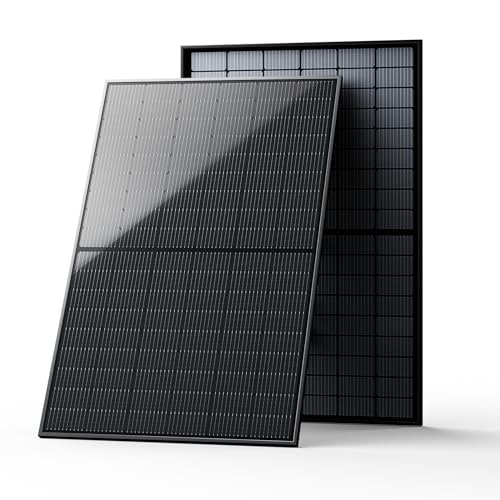
EPOCH 860W Bifacial Solar Panels 430W x 2

SUNGOLDPOWER 4pcs 370W Solar Panels Black
More Details On Our Top Picks
That 400-watt two-panel setup makes sense for a roof that sees broken light during the day. Renogy’s ShadowFlux line is built around N-type cells, and that cell type is used for higher conversion potential in a tighter footprint.
The trade-off is obvious, it’s a fixed-panel choice rather than a grab-and-go kit, so you’ll want a stable mount and enough roof space. For RV owners, marina slips, or homes with partial tree cover, that balance can feel more useful than a plain panel with no shading focus.
Strong Points
- Two 200-watt panels give you a flexible layout for roof planning.
- N-type construction suits setups where space matters and output density helps.
- Shadow-tolerant design fits yards, roofs, and campsites with spotty sunlight.
- Works well for larger battery banks that need steadier daytime harvest.
Things To Consider
- Permanent installation takes planning, especially on curved RV roofs.
- Bulk and weight matter more here than with a foldable panel.
- Dust, leaves, and snow still need regular cleaning for steady performance.
Core Details
Who Should Grab It
You get the most from this set when your roof sees trees, chimneys, or seasonal shade and you want a fixed system with strong output density.
A Better Fit Elsewhere
FlexSolar 100W Foldable Portable Solar Panel Charger suits campers who need a carry-friendly panel they can move between sites.
Compared with the 400-watt ShadowFlux set above, this 200-watt panel trims the system down for smaller roofs or more modest storage goals. The 12V and 24V system support gives you room to slot it into a wider range of builds, which is handy in a van, shed, or cabin with a simple controller layout.
The anti-shading angle matters most in real spaces where a vent pipe or tree branch cuts across the panel for part of the day. The honest read is that you’re paying for smarter output behavior, not for portability, so it suits fixed installs better than weekend carry use.
What We Like
- Fits either 12V or 24V system planning.
- Anti-shading design helps in mixed-light locations.
- Single-panel format keeps wiring and layout simpler.
- Works well for additions to an existing array.
Minor Gripes
- One panel means less total output than a paired kit.
- Fixed-install use asks for mounting hardware and space.
- Cleaning still matters in dusty or leafy areas.
Feature Snapshot
Who It Suits Best
You’ll like this most for a permanent small-to-mid-size solar project where shade handling matters more than easy carrying.
Where A Sibling Pick Shines
Renogy ShadowFlux Solar Panel 400 Watt 2PCS 200W is the better call for roof builds that need more total output from the start.
This is the portable pick for people who want solar power without a roof full of hardware. The foldable layout makes it easier to stash in a van, trunk, or gear bin, and the built-in USB-C, USB-A, and DC outputs mean you can feed devices directly as well as connect to a power station.
IP67 waterproofing means the enclosure is built to resist dust and short-term water exposure, which suits damp campsites and changing weather. Compared with the Renogy fixed panels, this FlexSolar model trades raw permanence for convenience, and that’s often the smarter move on a weekend trip or emergency kit.
Bright Spots
- Foldable format makes transport and storage straightforward.
- USB-C, USB-A, and DC ports add charging flexibility.
- IP67 rating supports rougher outdoor handling.
- Useful for topping up phones, banks, and stations on the move.
Room For Improvement
- Portable panels usually need more setup than fixed roof modules.
- Output depends heavily on sun angle and placement.
- Folded gear needs dry storage after damp outings.
Details At A Glance
Built With In Mind
You’ll get the most from this panel during camping, van travel, or backup charging where portability matters more than permanent installation.
Look Elsewhere When
Renogy ShadowFlux Solar Panel 400 Watt 2PCS 200W makes more sense for a fixed roof array that stays mounted year-round.
The 60-watt version keeps the same travel-minded idea as the 100-watt FlexSolar, just in a lighter-duty package. That makes sense for topping up small electronics, a compact station, or a tablet during short trips, especially when your storage space is tight.
It still offers the same style of USB-C, USB-A, and DC output, so you don’t have to bring a pile of adapters. The trade-off is simple enough, less output means slower replenishment, which is fine for lighter use but not as comfortable for power-hungry weekends.
Positives
- Smaller footprint fits tighter packs and smaller vehicles.
- Foldable design keeps travel storage simple.
- Direct device outputs reduce accessory clutter.
- Useful for tablets and light emergency charging.
Softer Spots
- Lower wattage means slower energy recovery.
- Less suited to larger stations or longer cloudy stretches.
- Portable gear still needs careful drying before storage.
Quick Facts
Right Fit For
You should look at this model for shorter trips, day outings, and smaller power needs where compact storage matters most.
A Better Fit Elsewhere
FlexSolar 100W Foldable Portable Solar Panel Charger suits longer camping runs and larger battery top-ups better.
Dual-module bifacial panels have a different personality from standard rigid panels like the Renogy ShadowFlux units. Bifacial means both sides can help gather light, so a bright deck, pale roof, or open ground can matter more than it would with a single-sided panel.
The 16BB layout, short for 16 busbars, gives current more than one path across the cell surface, which can help the panel suit demanding installs. You’ll appreciate that most in an RV, marine, or off-grid setup where the mounting area leaves room for reflected light and steady airflow underneath.
Reasons To Buy
- Bifacial design can make use of reflected light.
- Two 200-watt panels help with layout flexibility.
- N-type and 16BB construction suit serious fixed systems.
- Works well for rooftops with bright surroundings.
Points To Note
- Bifacial gain depends on the mounting environment.
- Rigid installation takes more planning than portable gear.
- Wiring and roof hardware add setup complexity.
Core Details
Whose Shelf It Belongs On
You’ll want this in a build where reflected light is real, such as a rooftop with open surroundings or a stationary off-grid bank.
Swap It Out When
FlexSolar 100W Foldable Portable Solar Panel Charger is the easier choice for campers who need something they can pack and move.
This 100-watt Renogy panel looks like the smaller sibling in a family that leans toward permanent installations. That matters for boat decks, trailers, camper roofs, and farm outbuildings, where a single panel can be easier to place than a larger two-panel array.
The 16BB and N-type combination suggests a modern panel structure without adding extra size, which is useful for compact off-grid systems. It won’t feed a large battery bank as quickly as the 400-watt options, but it fits better where roof area is limited or the energy target is modest.
What We Like
- Compact 100-watt size suits smaller installs.
- 12V support keeps common builds straightforward.
- 16BB layout fits the higher-efficiency theme.
- Works for RVs, trailers, boats, and small farm use.
Small Caveats
- Lower output means slower battery recovery.
- Best results still depend on clean placement and sunlight.
- Fixed mounting remains more involved than portable gear.
Feature Rundown
Made For
This suits you best when the goal is a compact fixed panel for smaller battery banks, not a full roof makeover.
Another Choice May Suit
N-Type 16BB 400W Bifacial Solar Panel 2Pcs 200 Watt is the stronger fit for bigger roof systems that can use more output.
Rvpozwer keeps this one simple, and that’s part of its appeal. A single 200-watt panel can be a sensible middle ground for a rooftop, trailer, marine setup, or home backup plan that doesn’t need the jump to a 400-watt pair.
The 18BB layout, meaning 18 busbars, gives the cell more internal pathways than a simpler arrangement, which can matter in warm weather and uneven light. It sits in a useful middle zone, more serious than a 100-watt compact panel, less commitment than a large bifacial array.
Upsides
- 200 watts lands in a useful middle capacity range.
- 18BB design supports the efficiency-first theme.
- Fits rooftops, RVs, farms, and trailers.
- Single-panel format simplifies planning and handling.
Worth Noting
- A single panel may not be enough for larger storage goals.
- Fixed installation still asks for clean mounting work.
- Roof dust and leaf buildup can trim output over time.
Feature Card
The Right Fit
You should look at this panel for a moderate-size setup where you want a sensible balance between capacity and footprint.
Where A Sibling Pick Shines
Renogy 100W Solar Panel N-Type 12V 100 Watt is easier to place in very small systems, while EPOCH 860W Bifacial Solar Panels 430W x 2 suits a larger build.
The EPOCH set aims at larger systems, and the 860-watt total makes that plain right away. Two 430-watt panels can suit a serious off-grid bank, especially in an RV, boat, or cabin where roof area and long-term output both matter.
Bifacial construction gives the panel a stronger case in bright, open spaces with reflective surfaces below it. The trade-off is size and commitment, because a high-output pair like this asks for more careful mounting, but that’s part of the reason it fits larger builds so well.
Best Bits
- Large total output supports bigger energy needs.
- Bifacial design can help in bright surroundings.
- 12/24-volt compatibility suits many system layouts.
- Waterproof construction fits outdoor installation plans.
Areas To Watch
- Big panels need stronger mounting plans.
- Roof clearance and shade placement matter a lot.
- Cleaning a larger array takes more effort.
Feature Snapshot
Best Suited To
You’ll get the most out of this pair in a larger off-grid or mobile setup where you have the room to support a high-output array.
Skip It When
FlexSolar 60W Foldable Portable Solar Panel Charger makes more sense for carry-friendly charging and smaller storage spaces.
This SUNGOLDPOWER kit is aimed at bigger permanent systems rather than portable use. Four 370-watt panels give you a lot of layout flexibility for a house, tiny home, charging station, or marine install, and the black finish keeps the look restrained.
IP68 waterproofing means a tighter seal against dust and water exposure than basic outdoor panels typically aim for, which matters in exposed installations. Compared with the EPOCH pair, this kit spreads its output across four panels, so you may find it easier to fit around roof vents, but the wiring plan gets more involved.
Highlights
- Four-panel format helps with large roof planning.
- 370 watts per panel supports major system capacity.
- IP68 rating suits exposed outdoor placement.
- Monocrystalline cells fit a familiar fixed-panel setup.
Honest Caveats
- More panels mean more mounting and wiring work.
- Permanent use asks for a careful install path.
- Large arrays need routine cleaning to stay productive.
Core Details
Who Will Love This
This suits you best when you want a multi-panel solar setup for a house-scale or tiny-home project with plenty of roof space.
Reach For A Different Pick When
Renogy 100W Solar Panel N-Type 12V 100 Watt fits a smaller install much more easily, and FlexSolar 100W Foldable Portable Solar Panel Charger is better for travel.
How To Choose The Right High Efficiency Solar Panels
Match Panel Format To Your Space
Rigid panels work best on roofs, racks, and permanent mounts. Foldable panels fit travel kits, trunk storage, and setups that move from site to site.
That basic split matters more than wattage alone, because a 100-watt panel that’s easy to place can beat a larger panel that never fits cleanly.
Read Wattage As A System Choice
Wattage tells you how much output a panel can contribute, but the useful number depends on how much storage you’re trying to refill. A 200-watt panel suits modest off-grid needs, while 400 watts or more makes more sense for larger battery banks or longer stretches away from shore power.
The higher the wattage, the more careful your mounting, wiring, and roof planning usually become.
Look Closely At Cell Design And Shade Behavior
N-type and bifacial are not just buzzwords. N-type generally points to a more modern cell structure, while bifacial panels can use light reflected onto the back side as well as the front.
That matters on bright rooftops, pale decks, and open ground. In a shaded yard or a van parked under trees, shadow-tolerant designs can be more useful than a plain panel with a bigger nameplate figure.
Portability, Sealing, And Maintenance
Portable panels need fold points, handles, and a storage plan that keeps them dry. Fixed panels need mounting hardware, roof space, and regular cleaning so dust, pollen, leaves, and snow do not trim output.
Sealed ratings such as IP67 or IP68 help in wet weather, but they do not remove the need for sensible storage and placement.
What To Weigh Before You Choose
Common Shopping Slip Ups
One common mistake is focusing only on wattage and ignoring whether the panel is rigid or foldable. Another is forgetting that shade, roof vents, and mounting angle can matter just as much as the number on the label.
You also want to match the panel to your controller and battery layout before anything else. A strong panel that doesn’t suit your system ends up being more hassle than help.
The Upgrade Payoff
Higher-tier panels often cost more because they use more advanced cell structures, stronger sealing, or designs that handle shade and reflection more effectively. Bifacial panels, N-type panels, and multi-panel kits usually ask for more money because they’re built for better performance in harder real-world setups.
That extra spend makes sense for rooftops with partial shade, larger off-grid systems, or installations where space is tight and every bit of output matters. For simple travel charging, the simpler panel often makes more practical sense.
Frequently Asked Questions
What does high efficiency mean in a solar panel?
It means the panel converts more sunlight into usable electricity for its size. That helps when roof space, deck space, or carry space is limited.
Are foldable solar panels as useful as rigid ones?
They serve a different purpose, so the better choice depends on how you use power. Foldable panels suit travel and temporary setups, while rigid panels suit permanent mounting.
Does bifacial really matter?
It can matter in bright, open places where light bounces from the ground or roof surface. In shaded or cramped locations, the benefit tends to be smaller.
How much wattage do you need for a small off-grid setup?
Smaller needs often start around 100 to 200 watts, depending on your devices and charging habits. Larger battery banks and fuller daily use usually call for more output.
What maintenance do solar panels usually need?
Regular cleaning and a quick check on mounting hardware go a long way. Dust, leaves, and snow can lower output, especially on fixed rooftop panels.
Closing Thoughts
The right high efficiency solar panel usually comes down to where you’ll mount it and how often you move it. For travel, a foldable FlexSolar panel keeps things simple. For rooftops and larger off-grid systems, the Renogy, Callsun, EPOCH, and SUNGOLDPOWER picks give you more staying power and better layout options. Match the panel to your space first, then think about wattage, and you’ll avoid most of the usual headaches.
