

DIY solar can mean very different things, from a home rooftop plan to a tabletop learning kit for a desk or classroom. The right pick saves you from mismatched parts, underpowered panels, and the sort of setup that feels more complicated than it should. This roundup keeps the focus on clear use cases, so you can match the kit to your space, skill level, and project goals.
Quick Look At Our Shortlist

Solar Power for Beginners: How to Design and Install the Best Solar Power System for Your Home

Renogy 400 Watt 12 Volt Premium 4 Pcs 100W Panel 40A MPPT Charge Controller Bluetooth Module
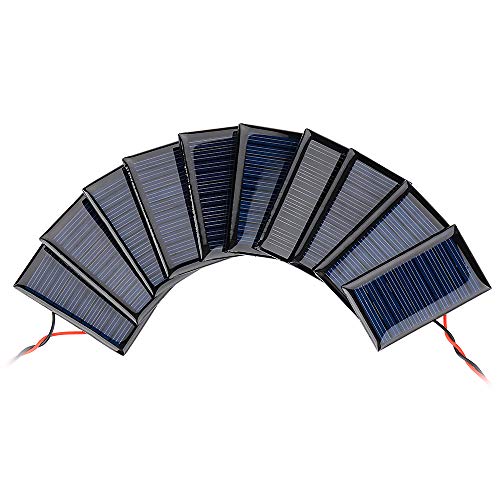
10Pcs 5V 30mA Mini Solar Panels for Mini Solar Cells DIY Electric Toy Materials Photovoltaic Cells Solar DIY System Kits

STEM Kits for Kids Ages 8-10-12-14, Stem Toys for Boys Age 8-12, Science Projects, Solar Car Building Kits

KEYESTUDIO DIY Solar Tracking Electronic Kit for Arduino, Smart Phone Charging, Temperature Humidity Sensor BH1750 Light Sensor

Micro Solar Panels with Wire 5PCS 5V 200mA Photovoltaic Solar Cells Kit
More Details On Our Top Picks
This book fits the person who wants a clearer starting point before touching panels, inverters, or home wiring plans. It centers on photovoltaic basics, so you get the vocabulary and logic behind a home solar setup without wading through a maze of jargon.
Compared with the hardware-first picks below, this one is the planning companion. That makes it especially useful for homeowners mapping a first project, or for anyone who wants to understand the pieces before spending on them.
Strong Points
- Explains core solar power concepts in plain language.
- Helps you think through a home system before you purchase parts.
- Works well as a prep step for cautious planners.
Things To Consider
- It's a guide, not a hardware bundle, so you'll still source the parts separately.
- Home installation details can feel technical for total beginners.
Core Details
Who It Suits Best
Homeowners and first-time solar planners will get the most value from this one, especially when you want a calm, structured introduction.
A Better Fit Elsewhere
Renogy 400 Watt 12 Volt Premium 4 Pcs 100W Panel 40A MPPT Charge Controller Bluetooth Module suits you better once you're ready to assemble a working kit rather than study the roadmap.
This kit speaks to you if you want a more complete 12-volt setup in one package. Four 100W panels, a 40A MPPT controller, Bluetooth module, fuse, Z brackets, adaptor kit, and tray cables give you a stronger starting point than a loose-panel purchase.
The MPPT controller, which means maximum power point tracking, helps the system work closer to the panels' usable output as conditions change. For cabins, small sheds, or backup-style setups, that matters more than extra packaging polish, though the bundle is still a lot to install and organize.
Upsides
- Combines panels, control gear, brackets, and cables in one kit.
- Bluetooth support makes day-to-day monitoring easier.
- MPPT control is a meaningful step up from basic charge regulation.
- Useful for small off-grid spaces where tidy parts matching matters.
Small Caveats
- The parts list is longer, so setup takes more planning than a starter kit.
- Mounted systems need enough space for the four panels and hardware.
- Cable routing and component placement can take some patience.
Feature Snapshot
Built With In Mind
Small cabin owners, van converters, and homeowners building a modest 12V system will get the most from this bundle.
Where A Sibling Pick Shines
Solar Power for Beginners is the smarter starting point for anyone still learning system design before handling a full kit like this.
This set is built for small experiments, toy builds, and classroom-style projects where you need tiny panels instead of household power gear. Each panel measures 2.08 by 1.18 inches, so the scale makes sense for model work, light craft builds, and basic electrical demos.
The stated 5V, 30mA output is modest, and that's the point. You're getting a component for learning and tinkering, not a module that'll carry serious load, so it suits careful hobby projects far better than ambitious power plans.
Best Bits
- Ten-piece pack gives you room for multiple attempts and prototypes.
- Small footprint fits toy projects and compact learning builds.
- Handy for teaching basic solar and circuit behavior.
Areas To Watch
- Low output limits use to very small-scale projects.
- The tiny size can make mounting and wiring fiddly.
- Panel performance depends on strong light, so storage and placement matter.
Quick Facts
Whose Shelf It Belongs On
Hobbyists, teachers, and students working on tiny solar experiments will get the most out of this pack.
A Better Fit Elsewhere
FellDen Micro Solar Panels with Wire 5PCS 5V 200mA Photovoltaic Solar Cells Kit suits you better when you want slightly stronger output for simple hands-on builds.
Family projects feel easier to start with this kit because it mixes solar, wind, and electric play in one package. The four wooden sets, solar car, solar plane, wind car, and electric fan, give kids different ways to build and learn without drifting too far from one theme.
The individual packaging helps keep parts sorted, which matters in a living room or kitchen table session where little pieces tend to wander. Parents looking for a shared activity will probably like the balance here, though younger children may still need hands-on help with assembly.
Highlights
- Four different builds keep the project time varied.
- Wooden construction gives the kit a more hands-on feel.
- Separate packaging helps reduce part mix-ups.
- Good fit for parent-child project time at home.
Worth Noting
- Some builds will need adult guidance, especially for younger kids.
- The kit is learning-focused, so don't expect it to behave like full-size solar gear.
Feature Card
Who Should Grab It
Kids in the elementary to early middle-school range, with a parent nearby, are the clearest match for this set.
Swap It Out When
KEYESTUDIO DIY Solar Tracking Electronic Kit for Arduino suits older teens who want a more electronics-heavy challenge.
This kit leans into the electronics side of solar, so it's a stronger fit for tinkerers who want sensors, control logic, and a tracking setup in one place. The Arduino angle matters because it opens the door to programming, while the light, temperature, and humidity sensors add more learning value than a simple panel bundle.
The 11 online tutorials are a real plus for steady progress, especially for teens or adults who like a guided path from basic modules to a more complete build. The trade-off is that this is a more involved project than the toy kits, so a calm workspace and some patience go a long way.
Reasons To Buy
- Combines solar tracking with multiple sensors for deeper projects.
- Arduino compatibility makes it useful for coding practice.
- Online tutorials provide a clearer step-by-step path.
- Good match for hobby labs, clubs, or self-paced study.
Room For Improvement
- The learning curve is higher than with basic solar kits.
- Programming and sensor setup take more time and attention.
- You'll need a comfortable space for electronics assembly.
Details At A Glance
Perfect Match For
Teens, STEM clubs, and adults who want a solar project with programming and sensor work will feel right at home here.
Look Elsewhere When
10Pcs 5V 30mA Mini Solar Panels for Mini Solar Cells DIY Electric Toy Materials Photovoltaic Cells Solar DIY System Kits is easier to handle for very small craft builds.
This five-panel pack keeps things simple, which is often what you want for small circuits and light DIY builds. Each panel is rated at 5V and 200mA, so it sits between the tiny toy panels and the more ambitious kit hardware in a way that feels practical for hobby work.
Because the panels come with wire, you can move more quickly into prototyping instead of hunting for basic connections. The honest read is that this is still a modest-output set, but for small electronics practice, it lands in a useful middle ground.
Positives
- Five panels give you enough pieces for multiple small builds.
- Wired panels simplify basic connection work.
- Moderate output suits hobby circuits better than decorative only projects.
Honest Caveats
- Output stays modest, so it's not aimed at larger power needs.
- Small panels are better for bench work than rough handling.
- Storage matters, since tiny parts can be easy to misplace.
Feature Rundown
The Right Fit
Students, hobbyists, and makers building small solar circuits will get the clearest value from this set.
Another Choice May Suit
Renogy 400 Watt 12 Volt Premium 4 Pcs 100W Panel 40A MPPT Charge Controller Bluetooth Module is the better route for full-scale home or cabin power planning.
How To Choose The Right Diy Solar Kits
Match The Kit To The Project
Start with the job, not the label. A home setup needs panels, a controller, brackets, and cables, while a desk project only needs small panels and simple wiring.
That difference sounds obvious, but it's where many solar projects go sideways. A learning kit can be great for practice and still be useless for powering a shed, so the use case has to lead the choice.
Learn The Parts That Change Performance
Charge controllers matter because they regulate charging from the panels to the battery side of the system. MPPT, short for maximum power point tracking, is a more adaptive style than basic regulation and usually makes more sense in larger or more serious setups.
Panel output, panel count, and included mounting gear also change how the kit behaves in real life. A compact 5V panel set suits tiny experiments, while a 400W 12V bundle suits a much larger footprint and more planning.
Think About Space, Skill, And Maintenance
Installation space matters more than many shoppers expect. A full panel array needs room for layout and cable runs, while hobby kits need a clean shelf or desk where tiny parts won't disappear.
Skill level matters too. Beginners usually do better with guided materials or simpler component bundles, while experienced tinkerers can take on sensor kits, Arduino projects, or multi-part installs with less friction.
Balance Convenience With Long-Term Use
Bundles with brackets, fuses, controllers, and cables save you time because the pieces are already matched. Bare-bones packs can still be useful, but they put more of the sourcing and compatibility work on your shoulders.
Maintenance is part of the picture as well. Panels need reasonable placement and occasional cleaning, and smaller parts need careful storage, especially in homes where projects get packed away between sessions.
Things Worth Knowing First
Common Shopping Slip Ups
A common mistake is matching the project size badly. A mini panel kit won't cover household needs, and a large bundle can feel excessive for a class project or a weekend hobby build.
Another slip-up is overlooking the parts that make the system workable. Controllers, brackets, wiring, and sensors can matter as much as the panels themselves.
What The Higher Tier Buys
Higher-tier kits usually bring better control gear, more complete hardware, and smarter monitoring. That extra spend often goes toward MPPT controllers, Bluetooth monitoring, sturdier mounting parts, and more complete cable sets.
You'll also notice the difference in convenience. Less piecing together means less time chasing compatibility, which helps in cabins, vans, and home setups where the install path needs to stay tidy.
Frequently Asked Questions
What makes a DIY solar kit a good starting point?
A good starter kit matches the size of your project and gives you enough support to avoid guesswork. Clear parts, simple wiring, and a realistic output rating matter more than flashy extras.
Are small solar panel kits only for hobby work?
Yes, most small panel packs are best for learning, model builds, and compact electronics. They're useful, but they're not meant to replace full-size home power gear.
Why do some kits include an MPPT controller?
MPPT means maximum power point tracking, and it helps the controller work more intelligently with the panel output. That matters most in larger systems where efficiency and charging control are more important.
Do educational solar kits need adult help?
Many do, especially the kits with assembly steps, wiring, or moving parts. Younger children usually benefit from guidance, while older teens may handle more of the process on their own.
What should you check before choosing a solar kit?
Check the voltage, output, included hardware, and the space you have for setup. Then match the kit to the project instead of guessing from the title alone.
Closing Thoughts
The right Diy Solar Kits make the project feel clear instead of chaotic. A home planner needs the book, a small cabin setup wants the full hardware bundle, and a hobby bench does better with tiny panels or sensor kits. Once you match output, parts, and skill level to the real task, the choice gets much easier. That's the safest way to keep your project practical and satisfying.
