

Digital readouts can turn a messy power setup into something you can actually follow at a glance. That matters in a garage, a van, a small off-grid cabin, or a home panel where voltage, current, and energy use need a steady eye. You get the clearest benefit from a display that matches your system voltage, your mounting space, and the kind of data you want to track day to day.
The eight picks below cover compact DC meters, shunt-based monitors, a home energy monitor, and a weather station with solar charging. Some are simple and direct, others bring more channels and broader monitoring, so the right fit depends on how much detail you want on screen. A clean display can feel like putting labels on a tangled shelf, and that saves time every time you check it.
Quick Look At The Shortlist
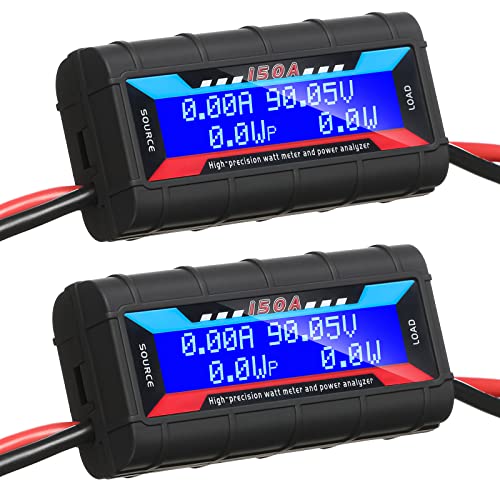
Yunsailing High Precision Watt Meter Power Analyzer 2 Pcs
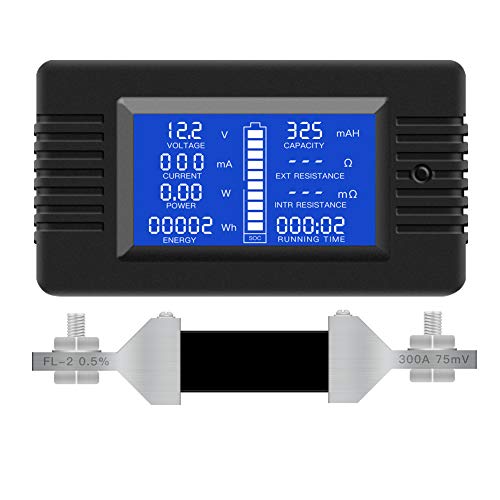
DC 0-200V 300A Battery Monitor with Shunt 9-in-1 Digital LCD Multimeter

DC Multifunction Battery Monitor Meter 0-200V 0-100A LCD Display

Emporia Vue 3 Home Energy Monitor
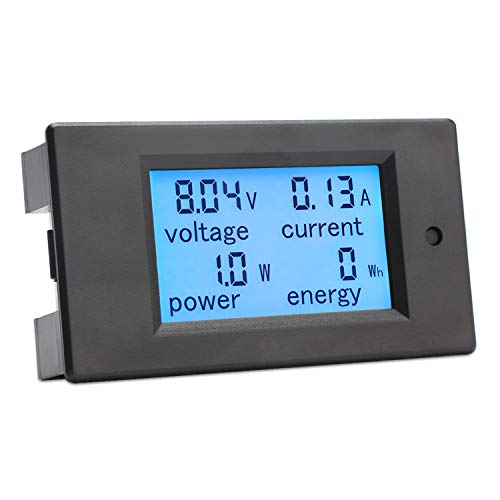
DROK Digital Multimeter DC 8-100V 20A Voltage Amperage Power Energy Meter

KETOTEK Amp Volt Watt Kwh Meter Tester Panel Digital 4 in 1

VEVOR 7-in-1 Wi-Fi Solar Self-Charging Weather Station 7 TFT Color Display

AC 80-260V 100A Multi-Function Power Monitor LCD Digital Display
More Details On Our Top Picks
The bright blue backlight makes this one easier to live with in dim sheds, trailer compartments, and other awkward corners. Compared with the more feature-heavy meters later in the list, it feels stripped back in a useful way, which helps keep day-to-day checks simple.
You get a compact display that favors quick reading over extra complexity, so it suits basic monitoring without much learning curve. The trade-off is plain: less depth than the shunt-heavy options, but fewer moving parts in your head too.
Strong Points
- Backlit LCD helps you read values in low light.
- Dual-unit pack works well for two separate circuits or a spare.
- Simple layout keeps status checks fast in busy spaces.
- Compact format fits places where a larger panel would feel awkward.
Worth Noting
- It stays basic, so you do not get the deeper tracking found on multi-parameter units.
- The small format can feel cramped for anyone who wants dense data on one screen.
- Mounting and wiring still need care, especially in vibrating vehicle setups.
Feature Snapshot
Who It Suits Best
It suits you best when you want a plain, readable meter for small solar or battery checks.
Where A Sibling Pick Shines
MORNING GROUP’s DC 0-200V 300A Battery Monitor with Shunt suits you better when a larger solar bank needs deeper current and energy tracking.
This MORNING GROUP monitor leans much farther into system visibility than the simpler Yunsailing unit. The 300A shunt, meaning the current-sensing part that sits in line with the circuit, gives you the kind of headroom that makes sense for bigger 12V, 24V, or 48V solar setups, RV banks, and heavier battery systems.
You also get nine measurements on one screen, so it works well for anyone who wants a fuller picture without juggling separate meters. The trade-off is installation complexity, since shunt-based monitoring asks for a more deliberate setup than a small plug-in style display.
What We Like
- Wide voltage range fits a broad spread of DC systems.
- 300A shunt supports larger loads than the compact meters in this roundup.
- Nine data points help you keep tabs on usage, health, and draw.
- Useful for solar banks, RV power systems, and vehicle battery monitoring.
Small Caveats
- The shunt setup takes more planning than smaller display-only meters.
- Its information-rich screen may feel busy in tight dashboard spaces.
- Wire routing matters, so neat installation helps keep the panel readable.
Core Details
Who Will Love This
It suits you best when you manage a solar bank, RV electrical system, or a larger DC setup that needs more than a basic gauge.
Another Choice May Suit
KETOTEK’s Amp Volt Watt Kwh Meter Tester Panel Digital 4 in 1 suits you better when you want a lighter, easier readout for everyday vehicle use.
MNJ Motor keeps the shape familiar, but the screen loads more information than the basic Yunsailing meter. That makes it a practical middle ground for cars, RVs, and solar builds where you want voltage, current, and usage data without stepping all the way up to the more involved MORNING GROUP shunt monitor.
The 0-100A current span and 0-200V voltage range cover many small to mid-size DC setups, though the display can still feel dense for anyone who prefers a very spare panel. In a garage or camper, that density is often the point, because you can check several values without swapping tools.
Highlights
- Nine measurements help you track more than voltage alone.
- Current and power data make system checks more useful in practice.
- Compact format works well in vehicle dashboards and small control boxes.
- Range suits many common DC solar and battery applications.
Points To Note
- The denser readout asks for a bit more attention than a simple two-line meter.
- It is still a DC-focused tool, so it does not cover broader home monitoring.
- Placement matters, since glare can make smaller characters harder to read.
Details At A Glance
Perfect Match For
It suits you best if you want a compact monitor for a car, camper, or small off-grid array.
Swap It Out When
MORNING GROUP’s DC 0-200V 300A Battery Monitor with Shunt suits you better when your setup needs higher current headroom and fuller energy tracking.
Emporia shifts the conversation from a single circuit meter to whole-home awareness, which is a very different job. For a house with solar and net metering, that wider view matters because you can think in terms of the full electrical panel instead of a lone battery line.
That broader scope is the trade-off too, since a panel-level monitor asks for more commitment than the small DC displays above. Still, for a homeowner who wants a more complete picture of consumption patterns, the jump in coverage makes sense.
Reasons To Buy
- Home-panel focus fits solar and net metering use cases well.
- Works as a smart-home automation module, which can help centralize monitoring.
- Good choice for anyone who wants a single view of household electricity use.
- Better suited to full-system oversight than compact vehicle meters.
Areas To Watch
- It asks for a more involved setup than a simple plug-in display.
- The scope can be more than you need for a small cabin or RV.
- Panel work is not a casual add-on, so planning matters here.
Feature Rundown
Built With In Mind
It suits you best if you want household energy visibility for a solar-equipped home.
Look Elsewhere When
DROK’s Digital Multimeter DC 8-100V 20A Voltage Amperage Power Energy Meter suits you better when a small DC circuit needs a tighter, simpler gauge.
DROK goes after straightforward DC monitoring, and the 8V to 100V span makes it a sensible fit for many small electrical projects. The built-in shunt, meaning the current sensor sits inside the meter body, keeps the setup less sprawling than an external-shunt design, while the option for an external shunt gives you some flexibility.
Compared with the MORNING GROUP monitor, this one feels narrower in ambition and easier to place in a compact project box. That narrower focus is the appeal for a workbench, a small battery bank, or a vehicle accessory circuit that does not need a giant data screen.
Upsides
- Built-in shunt keeps the meter self-contained for simpler installs.
- External shunt option adds flexibility for different wiring layouts.
- Voltage and current tracking suit many small DC jobs.
- Compact body is easier to tuck into tight enclosures.
Trade Offs
- It focuses on a narrower voltage band than some larger solar monitors.
- Small-format meters can be harder to read from farther away.
- Good wiring discipline still matters, especially in vibration-prone setups.
Key Specs
Right Fit For
It suits you best if you want a tidy DC meter for a bench setup, accessory circuit, or compact battery project.
Where Shoppers Go Wrong
VEVOR’s 7-in-1 Wi-Fi Solar Self-Charging Weather Station suits you better when your goal is outdoor condition tracking rather than electrical monitoring.
KETOTEK keeps the interface lean with four core readings, and that can be a very good thing in a car, motorbike, or modest solar setup. Because it tracks voltage, current, energy, and active power, you get enough information to understand how a system is behaving without staring at a crowded display.
Compared with the more demanding MORNING GROUP monitor, this one feels easier to place and easier to live with on a daily basis. It still uses a shunt, so the wiring needs attention, but the end result is a useful middle step between bare-bones meters and heavier panel monitors.
Best Bits
- Four-in-one layout keeps the display easy to scan.
- Voltage, current, energy, and power cover the basics well.
- Shunt-based design suits more serious DC monitoring than a simple badge meter.
- Works across cars, motorbikes, and solar hobby projects.
Minor Gripes
- It is lean by design, so it does not show the wider data set found on 9-in-1 units.
- Shunt wiring is still part of the install, which takes patience.
- The compact display may feel small in a larger control panel.
Feature Card
The Right Fit
It suits you best if you want a simple daily-use monitor for a vehicle or compact DC project.
Skip It When
Emporia’s Vue 3 Home Energy Monitor suits you better when you need whole-home oversight instead of a small panel display.
VEVOR takes this roundup in a different direction, since it is really about weather monitoring rather than electrical load monitoring. For someone who wants solar-powered outdoor sensing with a big 7-inch TFT color display, the appeal is clear, especially on a porch, garden wall, or small farm outbuilding.
The solar-powered sensor package and Wi-Fi connection make it feel more connected than the DC meters above. The trade-off is focus, because this is the wrong tool for battery bank amperage and the right one for temperature, humidity, wind, and rainfall tracking.
Plus Points
- Large 7-inch color display is easy to check from a distance.
- Solar-powered outdoor sensor reduces attention to battery upkeep.
- Wi-Fi support helps connect weather data to a broader routine.
- Seven-in-one setup covers several common outdoor conditions.
Room For Improvement
- It serves a different job than the electrical monitors in this roundup.
- Outdoor placement calls for careful mounting and weather exposure planning.
- The larger display may be more than you need for a small yard.
Spec Overview
Whose Shelf It Belongs On
It suits you best if your priority is outdoor weather data, not solar electrical monitoring.
Reach For A Different Pick When
Hosyond’s AC 80-260V 100A Multi-Function Power Monitor suits you better when you need an AC panel display with electrical measurements instead of weather data.
Hosyond is the AC-focused option in this list, so it belongs in a different conversation from the DC battery meters above. The 180-degree viewing angle is useful in panel installs, because you can read it from more positions instead of standing dead-center in front of the box.
The split-core current transformer, meaning a clamp-style sensing part that opens around a conductor, makes installation more convenient than systems that force a full wire disconnect. One-button control for backlight, energy reset, and alarm limit settings adds convenience too, though the unit still asks for careful wiring and a bit of planning.
Bright Spots
- Tracks several AC power values in one display.
- Split-core current transformer helps simplify installation.
- 180-degree viewing angle works well in wall panels and meter boxes.
- One-button control keeps everyday adjustments straightforward.
Honest Caveats
- It is an AC monitor, so it is not the right match for DC solar battery checks.
- Panel wiring still needs care and patience.
- The feature set is practical, but not as broad as a whole-home monitor.
Technical Sheet
Best Suited To
It suits you best if you need an AC power display for a home panel, workshop, or other fixed installation.
When Paying More Pays Off
Emporia’s Vue 3 Home Energy Monitor suits you better when you want a broader home-level view and a smarter monitoring setup.
How To Choose The Right Digital Displays For Solar Energy Monitoring
Match The Display To Your System Type
DC solar kits, RV battery banks, and bench projects usually need a meter built for low-voltage direct current. AC panels need a different kind of monitor, like the Hosyond unit, because the wiring and measurement path are not the same.
That distinction matters more than styling or screen size. A display that fits the wrong current type can leave you with clutter at best and the wrong data at worst.
Decide How Much Data You Actually Need
A simple meter is often enough for quick voltage checks, especially in a small trailer or hobby setup. A 9-in-1 or whole-home monitor makes more sense when you want current, power, energy, capacity, and run-time data in one place.
More data helps, but only to a point. A dense screen can slow you down if you only need one or two numbers each day.
Think About Installation Before The Screen
Built-in shunts usually keep a meter compact, while external or split-core shunts can make heavier installs more flexible. Shunt means the current passes through a sensor so the display can measure it safely and accurately for the system type.
That setup choice affects where the display can live, how much wiring you need, and how tidy the finished panel looks. In a cramped van cabinet, compact often wins over elaborate.
Match The Screen To The Space
Backlit LCD panels help in dark enclosures, and larger color displays help when you need fast checks from across a room. Viewing angle matters too, because a meter mounted low on a wall can be hard to read unless the screen stays clear from the side.
For most homeowners, cabin builders, and vehicle owners, the best choice is the one that stays readable without demanding attention. Clear numbers beat decorative screens every time.
A Quick Reality Check
Mistakes Worth Dodging
Shoppers often focus on voltage range and skip the current-sensing method, which can lead to awkward installs. Another common miss is choosing a screen that looks good online but feels cramped once mounted in a panel or dashboard.
It also helps to separate DC monitoring from AC monitoring early. Mixing those up is an easy way to end up with a display that simply does the wrong job.
When The Upgrade Payoff Shows Up
Higher-tier monitors usually cost more because they track more values, handle larger currents, or fit into smarter home systems. You are paying for more data, more sensing hardware, and often a more polished screen.
The upgrade makes sense when you maintain a larger solar bank, a whole-home electrical panel, or a setup that you check often. For a small battery box, a simpler display usually keeps things easier and calmer.
Frequently Asked Questions
Can a solar energy display also work for RV use?
Yes, many DC monitors in this roundup suit RV systems well. The key is matching the meter to your battery voltage and current range.
What is a shunt on a battery monitor?
A shunt is the sensing part that lets the monitor measure current flowing through the circuit. It matters because accurate current data depends on that sensor being installed in the right place.
Do you need a backlit screen for solar monitoring?
You do not always need one, but it helps in garages, cabinets, and dim utility spaces. A backlight makes quick checks less annoying.
Why choose a whole-home monitor instead of a small panel meter?
A whole-home monitor gives you a wider view of household electricity use, including solar and net metering. A small panel meter makes more sense for a single circuit or battery system.
Is an AC monitor the same as a DC monitor?
No, they serve different electrical systems. AC monitors fit home-style alternating current, while DC monitors suit solar batteries, cars, and RV power systems.
Final Thoughts
The best display for your setup is the one that matches your power type, your space, and the amount of detail you actually want to read. Small DC meters handle quick checks well, while shunt-based monitors and home energy systems give you a wider picture. VEVOR and Emporia serve different jobs from the compact battery meters, so the right pick depends on whether you are watching weather, a panel, or a battery bank. Choose the screen that fits your routine, and daily checks will feel much simpler.
