

Picking a deep cycle battery for solar is mostly about matching real storage needs to your space, your charging setup, and the way you use power day to day. A small cabin, a van, a boat, and a backup shelf all ask for different things, even before you compare battery chemistry, case size, and built-in protection. This roundup keeps the focus on practical fit, so you can sort the space-saving options from the heavier-duty choices without sifting through a pile of jargon.
The Shortlist At A Glance

dumfume 12V 150Ah Max LiFePO4 Battery 100A BMS

CHINS LiFePO4 Battery 12V 100Ah Lithium Battery Built-in 100A BMS

WEIZE 12V 100Ah Deep Cycle Battery Group Size 31

VEMDIA 12V 100Ah LiFePO4 Lithium Battery Group 31

GREENOE 12V 100Ah LiFePO4 Battery Group 31 Built-in 100A BMS

VEMDIA 12V 100Ah LiFePO4 Lithium Battery Group 31 Smart 100A BMS
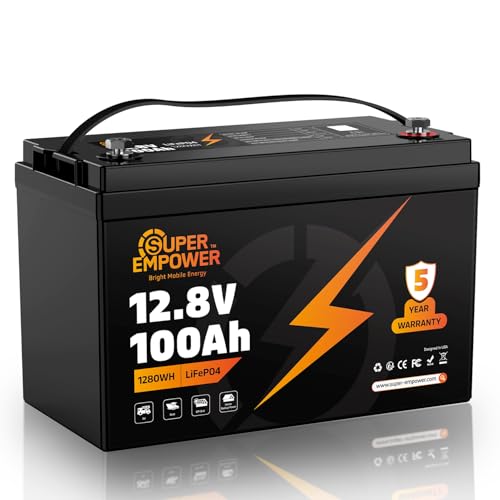
SUPER EMPOWER 12V 100Ah LiFePO4 Lithium Battery BCI Group 31

GOLDENMATE 12V 20Ah Lithium LiFePO4 Battery 2 Packs

SUPER EMPOWER 12V 100Ah LiFePO4 Lithium Battery BCI Group 24 2 Pack
More Details On Our Top Picks
For larger solar banks, this one stands out for sheer capacity. The 150Ah format gives you more stored energy than the 100Ah models in this list, so it suits a system that runs lights, fans, a fridge, or other steady loads.
The IP65 case rating points to dust-tight protection and resistance to water spray, which matters in a garage, shed, RV bay, or damp marine environment. One thing worth considering, though, is size and weight, because a larger battery is less forgiving in tight installs than the more compact 20Ah GOLDENMATE pick.
Strong Points
- 150Ah capacity supports longer daily runtimes in a single-battery setup.
- IP65 protection is a sensible fit for rougher storage spaces.
- LiFePO4 chemistry usually gives a steadier discharge curve than older lead-acid styles.
- Built-in 100A BMS helps manage charging and discharge within the pack.
- Good match for RV owners who want fewer recharge stops.
Points To Note
- The larger case can be awkward in compact battery boxes.
- Heavy storage banks need careful planning around mounting and cable routing.
- The listing mixes single and bundle options, so the exact setup needs a close look before you choose.
Feature Snapshot
Who It Suits Best
You get the most out of this pick in a larger RV, a small cabin, or a home backup setup that needs more capacity than the average 100Ah battery.
A Better Fit Elsewhere
CHINS LiFePO4 Battery 12V 100Ah Lithium Battery suits lighter-duty solar setups and simpler installs where a 150Ah case would be more than you need.
This CHINS battery is easy to understand, which helps in a category that often gets overloaded with jargon. The 100Ah size works well for common solar projects, especially a trolling motor rig, a weekend RV, or a modest off-grid panel setup.
The built-in 100A BMS and low-temperature protection make the listing more reassuring for daily use in cooler conditions. Compared with the larger dumfume battery, this one gives you a simpler 100Ah starting point, though the lower cycle range means it leans more toward practical use than long-haul bragging rights.
Upsides
- 100Ah capacity covers many common solar and marine setups.
- Low-temp protection helps it suit colder storage spaces better than basic packs.
- The internal 100A BMS adds a useful layer of built-in control.
- Works across several uses, from boats to RV compartments.
Room For Improvement
- The cycle range is lower than several higher-end options in this roundup.
- Packaged claims are lighter on detail than the more feature-heavy entries here.
- For a larger home backup bank, you may want a higher-capacity model.
Core Details
Made For
You fit this best if you want a straightforward 12V lithium battery for a small solar system, a boat, or an RV with moderate power needs.
Another Choice May Suit
VEMDIA 12V 100Ah LiFePO4 Lithium Battery Group 31 has a stronger case for you if longer cycle claims matter more than the simpler CHINS setup.
The WEIZE model looks geared toward standard drop-in replacement jobs, and the Group 31 size is the part that matters most. In a camper, cabin, or marine compartment, that case format often makes planning easier than a more unusual shape.
The 1150A max discharge current is the standout detail here, since higher surge handling matters for heavier startup loads. The trade-off is the listing’s return limits, so you’ll want to be extra certain about dimensions and fit before ordering, especially compared with more flexible bundle-oriented options in this list.
Highlights
- Group 31 sizing makes replacement planning more straightforward.
- High max discharge supports bursts of heavier demand.
- 3 percent self-discharge is useful for storage between trips.
- Good fit for RV and cabin use where case shape matters.
Worth Noting
- The non-returnable status makes careful pre-purchase checking especially important.
- Transport rules around hazardous materials add a little friction to ownership.
- Support matters here, because sizing mistakes are harder to undo.
Technical Sheet
Right Fit For
You suit this pick best if your build depends on a Group 31 footprint and you want a standard-capacity battery for camping, marine use, or an RV tray.
Where A Sibling Pick Shines
GOLDENMATE 12V 20Ah Lithium LiFePO4 Battery 2 Packs works better for compact portable gear, where WEIZE would be too large for the job.
This VEMDIA battery speaks to practical solar use more than flashy extras. The 1280Wh figure, paired with Group 31 sizing, gives you a clear sense of how it slots into an RV bank, a home backup cabinet, or an off-grid shed.
The long cycle claim and 10-year life target make it appealing for someone who wants to install once and keep moving. Compared with the CHINS option, it leans harder into endurance, though the listing language still leaves you doing a bit more homework than you would with a simpler, highly standardized pack.
Reasons To Buy
- 1280Wh storage makes the capacity picture easy to understand.
- Group 31 format helps with drop-in planning.
- Built-in BMS adds expected battery-level protection management.
- Long cycle and lifespan claims suit long-term solar ownership.
- Works well for backup-minded households that need dependable reserve power.
Softer Spots
- The listing leans on broad wording, so compatibility checking still matters.
- Larger solar banks may need more than one unit.
- Storage and cable planning matter more than they do with smaller 20Ah packs.
Details At A Glance
Best Suited To
You fit this model well if you want a 12V lithium battery for a solar backup plan, especially where case size and energy numbers both matter.
Swap It Out When
WEIZE 12V 100Ah Deep Cycle Battery Group Size 31 makes more sense if you want the higher discharge current and storage-focused features around seasonal use.
GREENOE keeps the formula familiar, but the 15000-cycle claim and Group 31 body give it a more long-view feel. For a trailer, van, or backup bank, that combination can make day-to-day planning easier because you know the shape and the broad use case right away.
The built-in 100A BMS matters here because it adds control without making the system feel complicated. The trade-off is that the listing spreads attention across protection-plan language too, so the battery itself deserves a careful read rather than a quick glance, especially beside the more focused SUPER EMPOWER group.
Best Bits
- 15000-cycle claim points to long-term ownership potential.
- Group 31 shape suits many common enclosures.
- Built-in 100A BMS supports a tidy drop-in setup.
- Good fit for vans and trailers that need dependable storage.
Small Caveats
- The product page includes protection-plan text that can distract from the battery details.
- Exact dimensions still matter for a clean install.
- For a very small solar project, 100Ah may be more than you need.
Core Details
Whose Shelf It Belongs On
You fit this best if you want a familiar Group 31 lithium battery for a van, trailer, or off-grid backup setup.
Look Elsewhere When
VEMDIA 12V 100Ah LiFePO4 Lithium Battery Group 31 makes a stronger fit for you if the 1280Wh figure feels more useful than the broader GREENOE listing language.
This version feels like the more polished sibling in the VEMDIA line. The smart 100A BMS and low-temp cut-off make it a thoughtful fit for a cold garage, shoulder-season camping, or any setup that sits unused for stretches and then gets pulled back into service.
The lightweight replacement angle is especially useful in RV cabinets where every pound and inch matters. You may still want to double-check tray space, since Group 31 batteries are convenient on paper but not always simple in a crowded compartment, and that’s where a slimmer 20Ah pack can feel easier.
Bright Spots
- Smart BMS logic adds a more modern control approach.
- Low-temp cut-off suits cooler storage and seasonal travel.
- 15000-cycle claim points to long service potential.
- Lightweight replacement language is useful for easier handling.
Areas To Watch
- Group 31 compatibility still needs a direct size check.
- The smart-control wording is helpful, but it also makes the listing feel more technical.
- For tiny portable gear, this is bigger than necessary.
Quick Facts
Built With In Mind
You fit this pick well if you want a lighter Group 31 battery for RV, marine, solar, or backup use where cold-weather protection matters.
Skip It When
GOLDENMATE 12V 20Ah Lithium LiFePO4 Battery 2 Packs makes more sense for compact portable systems that do not need a full-size Group 31 case.
SUPER EMPOWER sits in a very useful middle zone, because it keeps the common Group 31 profile without overcomplicating the listing. In an RV, a solar shed, or a marine install, that makes it easier to picture the battery in place before you start rewiring anything.
The 1280Wh figure gives the model more concrete energy context than a plain 100Ah headline alone. The trade-off is that the listing also mixes in a 1280W reference, so careful shoppers may want to keep the focus on the clearly stated battery format and case fit rather than reading too much into the extra wording.
Positives
- Group 31 sizing makes it easier to plan around familiar trays.
- 1280Wh provides useful capacity context at a glance.
- Low-temp protection is handy for cooler storage areas.
- Good match for RV and marine systems that need standard dimensions.
Trade Offs
- The extra wattage wording can blur the main battery message.
- Not as capacity-forward as the 150Ah dumfume option.
- More detailed installers may want stricter dimension checks before purchase.
Spec Overview
The Right Fit
You fit this battery well if you want a standard Group 31 lithium option for RV, solar, or marine use without moving into larger capacity territory.
Reach For A Different Pick When
WEIZE 12V 100Ah Deep Cycle Battery Group Size 31 is a better match for you if the higher max discharge figure matters more than the SUPER EMPOWER feature set.
This is the compact option in the roundup, and the 2-pack format makes that obvious right away. For a fishfinder, small solar kit, portable camp setup, or light marine use, the smaller 20Ah size keeps your storage simple and your layout easy to manage.
The IP67 rating gives you a stronger weather-resistance story than most of the bigger batteries here, which is useful around splashes and dust. The trade-off is capacity, of course, since this is not the right piece for a full RV bank, but for portable power it feels tidy rather than underbuilt.
Best Bits
- 2-pack format helps with paired small-device setups.
- IP67 protection is well suited to harsher outdoor exposure.
- 20Ah size stays compact for portable gear and smaller enclosures.
- 5000-plus cycle claim gives it solid long-use appeal for light systems.
Minor Gripes
- Capacity is too modest for full-size solar banks.
- The 2-pack structure means you need to think in pairs, not singles.
- For heavier RV loads, the larger Group 31 batteries in this list fit better.
At A Glance
Who Will Love This
You fit this best if your project needs a compact lithium battery pair for portable solar gear, a fishfinder, or a small camping power box.
Not Your Match When
dumfume 12V 150Ah Max LiFePO4 Battery makes more sense for you if the goal is a larger solar store with far more reserve energy.
The 2-pack format makes this SUPER EMPOWER listing stand apart from the single-battery Group 24 and Group 31 options. That matters for larger solar banks, because two batteries give you more room to plan around load balancing, storage layout, and backup capacity.
The 3840Wh figure is the clearest signal here, since it tells you this set is built for bigger energy needs than the single 100Ah batteries in the roundup. The trade-off is simple, you need the space and the wiring plan to make a two-pack setup feel orderly instead of crowded.
Highlights
- Two-pack setup offers more flexibility for larger builds.
- 3840Wh gives a strong energy picture for planning.
- Group 24 format can suit certain tray dimensions better than Group 31.
- Low-temp protection helps in cooler storage conditions.
Things To Consider
- A two-battery system takes more space and cabling.
- Group 24 fit is narrower than Group 31, so tray checks matter.
- The higher-capacity path is less convenient for very small solar rigs.
Feature Rundown
Who Should Grab It
You fit this model well if you want a higher-capacity two-battery setup for solar storage, RV use, or a larger off-grid power plan.
A Better Fit Elsewhere
WEIZE 12V 100Ah Deep Cycle Battery Group Size 31 works better for you if a single-battery installation matters more than the SUPER EMPOWER two-pack format.
How To Choose The Right Deep Cycle Battery For Solar
Start With Real Energy Demand
The right battery choice begins with the loads you actually run. Lights, routers, pumps, a fan, and a fridge all draw differently, so a 20Ah portable pack makes sense for a small gear box, while a 150Ah unit fits a fuller off-grid routine.
Capacity matters because it shapes how long you can stay away from shore power or grid power before recharging. A 100Ah battery is a common middle ground, but the honest read is that larger homes, longer trips, and cloudy stretches reward bigger reserve capacity.
Match The Case To The Compartment
Group 31 and Group 24 are case sizes, not just model labels, and they matter in real installs. A battery that fits the tray neatly saves time, reduces cable awkwardness, and avoids the frustration of buying a strong battery that sits too tall or too wide.
In an RV cabinet or marine box, physical fit can matter as much as amp-hour count. You also want to leave room for ventilation, cable bends, and future maintenance, because a snug install that looks tidy on day one can become annoying later.
Look Closely At BMS And Cold-Weather Protection
BMS means battery management system, the internal control layer that helps handle charging and discharge behavior. A 100A BMS is common here, and it matters because it supports safer day-to-day operation within the battery’s stated limits.
Low-temperature protection or cut-off helps the battery behave more responsibly in colder storage spaces. That feature is worth attention for mountain travel, unheated garages, and shoulder-season camping, while it matters less in warm, indoor setups.
Choose Chemistry For The Way You Travel
LiFePO4, short for lithium iron phosphate, is popular in solar use because it suits repeated charge and discharge cycles well. It tends to make more sense for you than older-style batteries when the goal is regular off-grid living rather than occasional emergency use.
That said, the higher upfront commitment is usually tied to the materials and electronics inside the case. A smaller portable system can stay simple with a 20Ah pair, while a larger RV or cabin setup often justifies paying for a sturdier battery architecture.
What To Weigh Before You Click Through
Hidden Buying Traps
Many shoppers focus only on amp-hours and skip the tray size, which leads to awkward installs. A Group 31 battery can be a great fit, but not every battery box welcomes the same footprint.
Another common mistake is overlooking the cold-weather feature. A battery without low-temp protection can still work well in mild climates, but cold storage changes the picture fast.
When Paying More Pays Off
Higher-tier batteries usually cost more because of larger capacity, smarter internal control, stronger enclosure ratings, or longer cycle claims. Those extras matter most when your solar setup runs daily, sits outdoors, or supports gear you rely on often.
Upgrade spending makes sense for RV owners, cabin setups, and off-grid homes that want fewer compromises. For smaller portable gear, paying extra for a large case can feel unnecessary, since a compact pair may cover the task more cleanly.
Frequently Asked Questions
What size deep cycle battery works best for a small solar setup?
A 20Ah battery suits very small portable systems, while 100Ah is more common for everyday solar use. Your actual load matters more than the number on the listing.
Why do many solar setups use LiFePO4 batteries?
LiFePO4 batteries fit repeated charge and discharge use well. They also tend to stay more stable in form factor and output than older lead-acid styles for daily solar work.
Does Group 31 always mean a better battery?
No, Group 31 only tells you the case format. A smaller battery can be the better choice when your enclosure is tight or your energy demand is modest.
What does a BMS do in a lithium battery?
A BMS is the battery management system that helps handle charging and output behavior inside the pack. It matters because it adds a layer of control during normal use.
Is low-temperature protection useful for solar storage?
Yes, it matters in cold garages, cabins, and seasonal camping setups. Warm-weather installs may care less, but cooler conditions make that feature worth a closer look.
Closing Thoughts
The best deep cycle battery for solar is the one that fits your space, your daily load, and the way you recharge. A larger bank like the dumfume battery makes sense for fuller off-grid use, while the CHINS and WEIZE picks stay easier to place in familiar RV and cabin systems. Compact portable gear belongs with the GOLDENMATE pair, and the Group 31 options cover most mid-size solar plans without much drama. Pick the shape that matches your setup, and the rest of the system gets easier to live with.
