

7 Best Backup Generators For House: Trusted Picks For Real Homes
When the power goes out, the right backup setup changes the tone of the whole house. You care less about the outage itself and more about keeping lights on, food cold, phones charged, and a modem alive long enough to keep life moving. That need looks different in an apartment garage, a suburban driveway, or a rural home with long outages, so the picks below cover portable battery power and gas, plus dual fuel machines for heavier household loads.
The Shortlist At A Glance

Jackery Explorer 2000 v2 Portable Power Station 2042Wh 2200W AC Output

Oxseryn Power Equipment 4400 Watts Inverter Generator Gas Powered

Champion Power Equipment 4000-Watt Dual Fuel RV Ready Portable Inverter Generator

DuroStar DS13000MX 13,000-Watt 500cc Dual Fuel Portable Generator

Westinghouse 28000 Peak Watt Home Backup Portable Generator Remote Electric Start

Westinghouse 9500 Peak Watt Home Backup Portable Generator Remote Electric Start
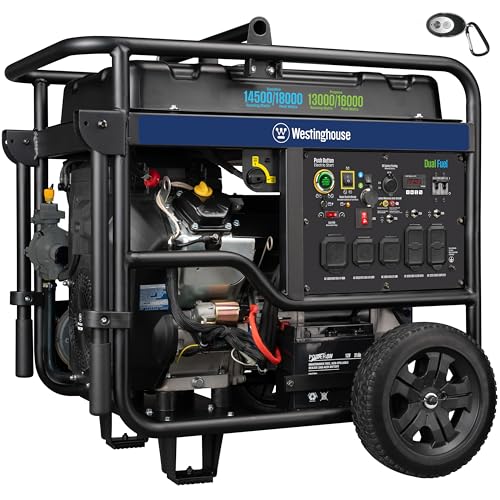
Westinghouse 18000 Peak Watt Dual Fuel Home Backup Portable Generator
More Details On Our Top Picks
Portable battery backup makes the most sense in homes where noise and fumes are a concern, and this Jackery leans hard into that use case. The 2042Wh capacity gives you enough stored energy for a fridge, phones, lights, and a few other essentials, while the 2200W AC output and three outlets keep the setup flexible. The 100W USB-C PD port also helps with laptops and modern tablets without hunting for extra adapters.
The LiFePO4 battery, meaning lithium iron phosphate, matters because it’s built for long service life and steady daily handling. Compared with gas units like the Westinghouse and DuroStar models here, this one is far better suited to indoor backup spaces, apartments, or anyone who wants a quieter routine during outages. The trade-off is simple: you’re buying portability and silence, not whole-home brute force.
Strong Points
- Large battery reserve supports core household devices during short outages.
- Three AC outlets make it easier to spread power across a few essentials.
- USB-C PD output suits newer laptops and phones without extra bricks.
- Silent charging mode keeps noise low for bedrooms or late-night use.
- LiFePO4 chemistry gives you a longer-use battery style than many standard packs.
Things To Consider
- Battery backup still needs recharge planning, especially during longer outages.
- It cannot match the raw output of the larger gas generators in this list.
- The solar panel is separate, so solar use takes extra setup.
Feature Snapshot
Who It Suits Best
You’ll like this most for apartment backup, weekend cabin use, or a house where quiet operation matters more than generator-style output.
A Better Fit Elsewhere
Westinghouse 9500 Peak Watt Home Backup Portable Generator is a stronger match for you when you want a gas unit that can cover heavier household circuits.
This Oxseryn sits in the middle of the lineup, which makes it useful for households that want more muscle than a battery station but less bulk than the biggest home-backup machines. An inverter generator like this one is designed to produce steadier power for sensitive electronics, so it fits better for mixed loads such as a refrigerator, router, and lights. The open-frame layout usually points to a more rugged, utility-first build, though it also means more visible engine hardware.
The ECO mode is worth having because it can trim engine effort during lighter demand, which tends to help with fuel use and noise. Compared with the Jackery, this one gives you fuel-powered endurance instead of stored-battery limits, but it asks more of you in setup, fueling, and storage. For a garage backup plan, that trade is often reasonable.
What We Like
- 4400 watts gives you more household headroom than the compact battery option.
- Inverter design is friendlier to devices that prefer steadier power.
- ECO mode can reduce strain during lighter use around the house.
- Portable frame keeps it more manageable than giant whole-home units.
Worth Noting
- Gas storage and routine upkeep matter more than they do with battery backup.
- Open-frame machines usually take up more visual and physical space in storage.
- It still falls short of the larger Westinghouse and DuroStar models for whole-house jobs.
Core Details
Who Should Grab It
You’re the best fit for this model if you want a portable gas generator for partial home backup, not a battery-only solution.
Another Choice May Suit
Champion Power Equipment 4000-Watt Dual Fuel RV Ready Portable Inverter Generator suits you better if dual-fuel flexibility matters more than a single-fuel setup.
Dual-fuel flexibility is the headline here, and that matters more than it sounds for household backup. You can keep one fuel option in reserve, which is useful during long outages or in places where one fuel source is easier to find than the other. The quieter inverter style also makes this a more civilized option than the roughest open-frame generators.
Compared with the Oxseryn, this Champion reads as a more polished portable pick for camping, RV use, and lighter home essentials. The trade-off is output, because a 4000-watt unit fits a more selective load plan than the bigger Westinghouse and DuroStar machines. For many homes, that’s the sweet spot between flexibility and bulk.
Upsides
- Dual-fuel support gives you more flexibility during supply planning.
- RV-ready design broadens its use beyond emergency household backup.
- Inverter output helps it suit electronics and mixed light loads.
- Smaller footprint suits garages that are already crowded.
Minor Gripes
- It is better for selected circuits than for a full-house load plan.
- Dual-fuel convenience still comes with the upkeep of a combustion machine.
- Longer outages may call for more fuel planning than a battery station needs.
Details At A Glance
Best Suited To
You’ll get the most from this model if you split your time between home backup, RV trips, and light portable power needs.
Where A Sibling Pick Shines
Jackery Explorer 2000 v2 Portable Power Station fits you better when indoor quiet and battery-only simplicity matter more than fuel storage.
Once you move into 13,000-watt territory, you’re looking at a generator meant for serious backup planning, not just a few lights and a charger. The dual-fuel setup gives you gas or propane, which is handy for storage flexibility and emergency planning, while the remote electric start makes the machine easier to bring online from a distance. Transfer switch readiness also matters because it points toward cleaner integration with household circuits.
Compared with the Champion and Oxseryn picks, this DuroStar is built for a much larger load profile. The honest read is that it suits homes with more demanding outage needs, but it also brings the usual trade-offs of a large combustion generator, including noise, fuel handling, and storage space. That’s the sort of compromise that makes sense for bigger houses and longer outages.
Best Bits
- 13,000-watt output supports a broader range of household circuits.
- Dual fuel gives you practical flexibility for emergency fuel planning.
- Remote electric start makes startup easier from a comfortable distance.
- Transfer switch readiness fits a more serious backup setup.
Room For Improvement
- Large output usually means more bulk and more storage planning.
- Fuel and maintenance demands are higher than with battery backup.
- The size makes it less convenient for casual weekend use.
Technical Sheet
Whose Shelf It Belongs On
You’re the right match for this generator if your home needs whole-house style backup and you have the space to store a large machine safely.
Look Elsewhere When
Westinghouse 9500 Peak Watt Home Backup Portable Generator fits you better when your backup plan is smaller and you want a lighter setup to manage.
This Westinghouse sits at the top end of the home-backup spectrum in this list, and that shows in the peak watt figure alone. Remote electric start and auto choke are both practical touches, because they reduce the fiddling that can make a large generator annoying to manage during bad weather. Transfer switch readiness and the 30A and 50A outlets point to a setup aimed at serious household use.
Compared with the DuroStar, this model offers a similarly heavyweight backup idea with a slightly different feature mix for home integration. The trade-off is predictable for a machine this size: you’re gaining serious coverage, but you’ll also need space, fuel planning, and a place for a larger frame. For big homes with dedicated backup planning, that’s a fair exchange.
Positives
- Very high peak watt capacity suits large-home outage plans.
- Remote electric start makes operation easier from a distance.
- Auto choke can simplify startup during routine use.
- Transfer switch readiness supports a more organized home backup setup.
- 30A and 50A outlets broaden connection options.
Softer Spots
- The size makes this a better fit for planned storage than quick moves.
- Large-capacity gas units need regular upkeep and fuel attention.
- It is more machine than many smaller homes really need.
Feature Card
Perfect Match For
You’re the best fit for this model if your household has larger electrical demands and you want a generator that feels prepared for those bigger jobs.
Swap It Out When
Jackery Explorer 2000 v2 Portable Power Station suits you better when you need quiet indoor backup for a small set of essentials.
This Westinghouse lands in the practical middle, which makes it appealing for homes that need more than a small portable unit but don’t want to jump all the way to the biggest machines. Remote electric start and auto choke are useful together because they make the unit easier to handle during storms or late-night outages. Transfer switch readiness gives you a more direct path toward powering key household circuits.
Compared with the 28,000-watt Westinghouse, this one is easier to think about for everyday outage planning, even though it still belongs in the serious backup class. The trade-off is capacity, since a 9500 peak watt unit is better at essentials than at a near-whole-home load. For many households, that balance feels about right.
Highlights
- Useful peak output for a meaningful home backup plan.
- Remote electric start cuts down on startup fuss.
- Auto choke helps simplify regular operation.
- Transfer switch readiness supports cleaner home integration.
Areas To Watch
- It still needs outdoor storage and fuel management.
- Heavy generator upkeep is part of long-term ownership.
- Very large homes may want more output headroom.
Core Details
Made For
You’ll appreciate this most if you want a serious backup generator for essential household circuits without going all the way up to the largest frame size.
A Better Fit Elsewhere
DuroStar DS13000MX 13,000-Watt 500cc Dual Fuel Portable Generator suits you better when you want more output and dual-fuel flexibility.
Dual fuel gives this Westinghouse a useful edge for backup planning, because you can match the fuel choice to what’s available during an outage. The 18,000 peak watt class places it in strong territory for house backup, and the remote electric start helps make a large machine less awkward to use. Transfer switch readiness rounds out the package for homes that want a more direct hookup path.
Compared with the 9500-watt Westinghouse, this model is the bigger, more flexible sibling and a stronger fit for households that expect heavier outage demands. The catch is that its larger frame and fuel needs make it a more deliberate purchase, not something you casually tuck away in a corner. For serious backup planning, that added scale is usually the point.
Reasons To Buy
- Dual fuel gives you practical fuel-choice flexibility.
- High peak wattage supports demanding household backup plans.
- Remote electric start makes operation easier on busy nights.
- Transfer switch readiness helps it fit home wiring plans better.
Small Caveats
- The size asks for more storage room than smaller units.
- Fuel planning and maintenance are part of the ownership routine.
- It makes the most sense for homes with a real backup plan in place.
Quick Facts
Built With In Mind
You’ll get the most value here if your home backup plan needs high output and fuel flexibility in the same machine.
Reach For A Different Pick When
Jackery Explorer 2000 v2 Portable Power Station is the cleaner fit for you if silence and indoor use matter more than fuel-powered output.
How To Choose The Right Backup Generators For House
Match Power To The Loads You Care About
Start with the appliances and systems you actually want running during an outage. A battery station like the Jackery works well for lights, phones, and networking gear, while the Westinghouse and DuroStar gas units are built for heavier household circuits.
Peak wattage tells you the ceiling, but run planning matters just as much. A fridge, sump pump, and modem can create a very different demand profile from a few lamps and chargers.
Pick Fuel Style Around Your Space
Battery backup fits indoor-friendly use and quiet overnight operation. Gas and dual-fuel generators fit garages, driveways, and storage sheds, where fuel handling feels easier to manage.
Dual fuel adds flexibility because propane stores differently than gas, which can help during storm season. That added convenience comes with more moving parts and more planning, so the better choice depends on how prepared your household already is.
Think About Start-Up and Transfer Setup
Remote electric start and transfer switch readiness make a generator easier to live with. Those features matter most for households that want a smoother outage routine instead of dragging extension cords around the yard.
Auto choke can also simplify startup, especially on larger gas units. For many homes, that small comfort makes the difference between a machine that feels practical and one that gets ignored until the next storm.
Quiet Operation Has Real Value Indoors
Noise is easy to overlook until the lights go out at night. Silent battery units are better for bedrooms, apartments, and attached garages, while louder combustion models belong farther from living space.
That’s why the Jackery stands apart from the larger gas picks here. It gives you a calmer outage experience, even though it can’t match the raw coverage of the bigger generators.
What To Weigh Before You Decide
Mistakes Worth Dodging
A common slip is buying for peak wattage alone and forgetting about storage, fuel, and startup routine. Another is picking a machine that sounds strong on paper but feels too heavy or noisy for the place you plan to keep it.
Transfer switch readiness also gets missed more often than it should. That feature matters for people who want a cleaner home hookup, not just a machine sitting in the garage.
The Upgrade Payoff
Higher-tier backup generators cost more because they usually bring larger engines, more output, and better home integration features. Remote start, dual fuel, and larger outlet options all push the experience from basic portability into more serious household coverage.
That extra spend makes sense for larger homes, frequent outages, or anyone who wants fewer compromises during storms. Smaller homes with light backup needs can stay with a battery station or a midrange inverter generator and still feel well covered.
Frequently Asked Questions
What size generator works for a house?
The right size depends on the loads you want to keep running, not just the size of the home. Small backup needs fit the Jackery, while whole-house style planning points toward the larger Westinghouse or DuroStar units.
Is a battery station enough for home backup?
It can be enough for essentials like phones, lights, routers, and small electronics. For refrigerators, pumps, and broader circuit coverage, a gas or dual-fuel generator usually makes more sense.
Why choose dual fuel?
Dual fuel gives you two fuel paths, which can help during supply shortages or long outages. It also makes the generator more flexible across different storage plans.
Do inverter generators matter for home use?
Yes, because inverter models are designed to deliver steadier power for sensitive electronics. That makes them a smart fit for households with routers, laptops, and modern device charging.
What features make a generator easier to live with?
Remote start, transfer switch readiness, and auto choke all reduce hassle. Quiet operation matters too, especially for homes where the unit sits close to sleeping areas.
Closing Thoughts
You’re choosing between convenience, output, and how much routine you want to manage during an outage. The Jackery makes sense for quiet, indoor-friendly backup, while the Westinghouse and DuroStar machines step up for larger homes and heavier loads. The Champion and Oxseryn land in the middle for more flexible portable use. Match the generator to your actual outage plan, and the right choice becomes pretty clear.
