

Your sump pump matters most when the weather turns rough and the basement starts collecting water faster than you’d like. This roundup helps you sort through battery-backed combos, standalone backup pumps, generator-style backup power, and even a water-powered option, so you can match the setup to your home and your maintenance comfort level.
You’ll also see where each pick fits best, from finished basements and older homes to properties that lose power more often than they should. The goal is simple, give you a clear path to the right backup without overcomplicating the job.
Quick Look At The Shortlist

Wayne Preassembled Primary & Battery Backup Sump Pump Combo System 1/2 HP

The Basement Watchdog Maintenance Free AGM Standby Battery BW-27AGM

The Basement Watchdog Emergency Battery Backup Sump Pump System Copper-Wound Motor 2,500 GPH BWE

Oxseryn 4400-Watts Inverter Generator Open Frame Generator RV Ready 30A Outlet

WAYNE ESP25n 12 Volt Battery Back Up Sump Pump Battery Not Included Up to 2,700 Gallons Per Hour

The Basement Watchdog Combo Preassembled Primary & Battery Backup Sump Pump System CITE-33 Copper-Wound PSC Motor
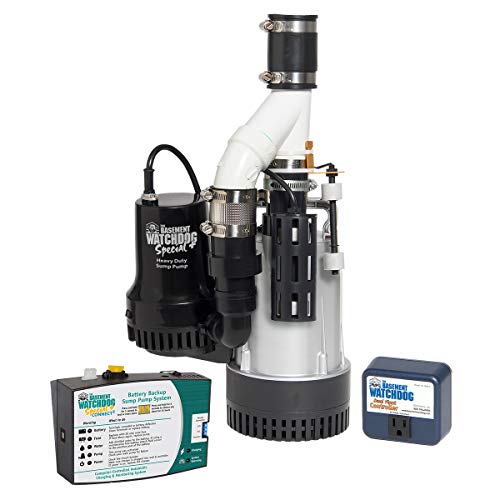
American Fluorescent Bw4000 Basement Watchdog Combination Primary and Back-Up Pump System 1,730 GPH
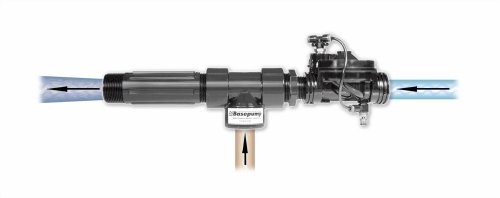
RB750 Water Powered Backup Sump Pump Automatic Sump Pump Backup System with High Water Alarm
More Details On Our Top Picks
Households that want one clean setup instead of piecing together separate parts will appreciate this Wayne combo. The 1/2 HP primary pump gives you a familiar everyday baseline, while the 12-volt backup side adds a second layer for storm season and outage-prone neighborhoods.
The integrated vertical float switch matters because it keeps the mechanism compact inside a sump pit, which helps in basements where space feels tight. The trade-off is that a combo system asks for more planning up front, since battery care and installation both deserve attention, but that’s usually a fair exchange for simpler long-term ownership.
Strong Points
- Primary and backup functions sit in one coordinated system, which simplifies the layout around the pit.
- 1/2 HP capacity gives you a solid fit for ordinary basement drainage needs.
- Vertical float design keeps the footprint tidy in narrower sump wells.
- 12-volt backup support gives you a second layer of protection during power interruptions.
Things To Consider
- You still need to think through battery maintenance, since the backup side depends on that separate power source.
- Combo systems usually ask for more installation planning than a standalone pump.
- Households with very heavy inflow may want to compare pump capacity with the BW4000-style alternatives below.
Feature Snapshot
Who It Suits Best
You get the most from this pick when you want an integrated backup setup for a busy family basement with limited room around the pit.
Where A Sibling Pick Shines
WAYNE ESP25n suits you better when you already have battery plans and want a separate backup pump instead of a full combo system.
Some setups need a replacement battery more than they need another pump body, and that’s the lane this Basement Watchdog unit fills. An AGM battery, short for absorbed glass mat, uses a sealed internal mat to hold electrolyte, which helps keep upkeep simpler for basement owners who want less fuss.
Compared with the full systems in the first and third spots, this is the support piece that keeps your backup pump ready rather than the whole drainage package. That makes it a practical match for anyone refreshing an existing system, although you’ll want to confirm compatibility before pairing it with your current controller.
Positives
- Maintenance-free AGM design keeps routine attention light.
- Sealed construction suits basement storage and backup-duty use.
- Good fit for homeowners replacing a worn standby battery instead of rebuilding the whole system.
- Less day-to-day handling appeals to people who prefer simple upkeep.
Minor Gripes
- You need the right matching system, so compatibility checks matter.
- Battery-based backup still means periodic attention to the broader setup.
- Standalone batteries do not solve pump capacity on their own.
Core Details
Who Will Love This
You are the best match for this battery when your existing sump backup needs a replacement power source with minimal routine attention.
Look Elsewhere When
Wayne Preassembled Primary & Battery Backup Sump Pump Combo System fits better for households that want the pump and backup power in one coordinated package.
This Basement Watchdog emergency system makes sense for homes that want a dedicated backup pump without moving straight into a full combo layout. The copper-wound motor is the detail that stands out, since copper windings are commonly associated with efficient electrical conduction and durable motor construction.
The 2,500 GPH rating, meaning gallons per hour, tells you it’s aimed at moderate backup duties rather than the most demanding water-handling jobs. Compared with the Wayne combo system, this one keeps the footprint narrower and the role more focused, which can be a relief in smaller pits or simpler basements.
Best Bits
- Dedicated emergency design keeps the purpose clear and straightforward.
- Copper-wound motor adds a quality cue for long-term motor durability.
- 2,500 GPH suits moderate basement water removal needs.
- Works well in tighter installations where a full combo could feel bulky.
Worth Noting
- Lower output than some higher-capacity combo systems.
- Backup-only role means it does not replace a primary pump.
- Battery planning still matters, so ongoing upkeep is part of ownership.
Details At A Glance
Best Suited To
You’ll like this most when you want an emergency backup pump for a smaller or more straightforward basement setup.
Skip It When
WAYNE ESP25n makes more sense for you if you want a separate backup pump with a slightly higher stated output.
This Oxseryn unit steps away from pump-only hardware and gives you portable power for a broader backup plan. An inverter generator shapes electrical output more steadily than a basic open-frame model, which helps when you want cleaner power for multiple household needs and an RV-ready 30A outlet in the mix.
That broader reach is useful for outages that affect more than the sump area, though the trade-off is obvious: you’re dealing with fuel, outdoor placement, and more setup than a battery-backed pump. For homes that already manage generator storage, it can be a strong companion to sump protection rather than a replacement for a dedicated pump system.
Highlights
- 4400-watt output covers a wider backup-power range than a pump-only unit.
- Inverter design suits equipment that benefits from steadier power delivery.
- RV-ready 30A outlet adds flexibility for travel or home backup use.
- Useful during multi-room outages, not just basement water events.
Areas To Watch
- Needs fuel and safe outdoor placement, so it asks for more household planning.
- Does not sit directly in the sump system like the Wayne and Basement Watchdog pump options.
- Bulk and noise expectations are part of open-frame generator ownership.
Technical Sheet
Whose Shelf It Belongs On
You’re a strong match for this generator when your outage plan extends beyond the sump pit and into broader home or RV power needs.
A Better Fit Elsewhere
The Basement Watchdog Combo Preassembled Primary & Battery Backup Sump Pump System suits you better when your priority stays centered on basement water management.
This Wayne backup pump is built for homeowners who want a separate battery-powered layer instead of a full combo package. The “battery not included” detail matters, because it gives you control over the battery choice, but it also means the setup takes more planning than a bundled system.
The 2,700 GPH rating gives it enough breathing room for many backup situations, and the heavy-duty label hints at a more workmanlike role in the basement. Compared with the earlier Basement Watchdog emergency model, this one leans a bit more toward capacity while still staying focused on backup duty.
Upsides
- Separate backup design fits households that already know their battery preferences.
- 2,700 GPH offers a useful step up from smaller emergency-only pumps.
- Good match for basements where the backup role matters more than full system bundling.
- Heavy-duty build language suggests a product aimed at regular basement use.
Room For Improvement
- Battery is not included, so you need to plan that extra purchase separately.
- Like most backup pumps, it still depends on regular battery and installation attention.
- Households wanting a single boxed system may prefer the Wayne combo instead.
Core Details
Right Fit For
You’ll get the most from this pump when you want a standalone backup unit and already have a battery plan in mind.
Another Choice May Suit
Wayne Preassembled Primary & Battery Backup Sump Pump Combo System is the cleaner match for you if you want less separate planning around battery selection.
Monitoring is the detail that sets this Basement Watchdog combo apart from the simpler backup-only options above. A monitoring controller gives you a clearer view of system status, which helps when you want fewer surprises in a basement that already asks enough of you.
The copper-wound PSC motor, where PSC means permanent split capacitor, points to a motor style that is often used for efficient, steady operation. Compared with the Wayne combo, this pick leans harder into oversight, so it feels better suited to owners who want more awareness built into the system.
Positives
- Preassembled layout trims some of the guesswork from setup.
- Monitoring controller adds useful status awareness in daily ownership.
- Copper-wound PSC motor gives you a durable-looking motor specification.
- Primary plus backup design makes it a strong fit for homes that want layered protection.
- Good for owners who prefer fewer surprises from their basement equipment.
Points To Note
- More feature depth usually means a more involved installation mindset.
- Monitoring adds usefulness, but it also adds another component to understand.
- Some households may not need this much oversight and could do fine with a simpler pump.
Feature Rundown
The Right Fit
You fit this model best when you want a more informed, hands-on backup system for a home that sees regular storm-season pressure.
Where A Sibling Pick Shines
Wayne Preassembled Primary & Battery Backup Sump Pump Combo System is the simpler match for you if you want a less feature-heavy combo layout.
The BW4000 is the kind of combination system that fits neatly into a basement with less room to spare. At 1,730 GPH, it sits in a more modest capacity range, so the real appeal is balance, not raw output, and that can be exactly what you want in a smaller home.
Compared with the CITE-33 above, this one feels less feature-laden and easier to place in a straightforward backup plan. The honest read is that it suits a modest sump setup very well, while bigger water loads may push you toward the Wayne combo or the higher-output generator route.
Bright Spots
- Combination primary and backup layout helps simplify overall basement protection.
- 1,730 GPH suits smaller or moderate water-moving needs.
- Compact-minded setup works well where space around the pit is limited.
- Less complex than the more monitor-heavy Basement Watchdog combo.
Honest Caveats
- Capacity is modest compared with the larger Wayne systems.
- Homes with heavier inflow may want a stronger-rated option.
- Like any combo pump, installation still deserves careful attention.
At A Glance
Whose Shelf It Belongs On
You’re the best match for this pump if your basement needs a straightforward combo system and your water load stays moderate.
Another Choice May Suit
The Basement Watchdog Combo Preassembled Primary & Battery Backup Sump Pump System CITE-33 suits you better when monitoring and a richer feature set matter more.
This Basepump model takes a different route from the battery-backed picks above, because it runs on water pressure instead of stored electrical power. That makes it an appealing option for homes that want to skip battery charging and backup battery replacement altogether.
The built-in high water alarm is a useful touch, since it gives you a clearer warning when the basement starts getting into trouble. The trade-off is that water-powered backups depend on your plumbing setup, so the fit can vary more from home to home than with a battery system.
Reasons To Buy
- No battery or electricity needed, which simplifies the backup concept.
- Automatic operation helps the unit stay ready without battery charging routines.
- High water alarm adds an extra layer of awareness in the basement.
- Good match for households that want to reduce dependence on stored power.
Softer Spots
- Water-pressure dependence means installation fit can vary by home.
- It solves backup power differently from the Wayne and Basement Watchdog battery systems.
- Plumbing-based setups may feel less familiar than battery-backed pumps.
Feature Card
Made For
You’re in the right place with this pick if you want a backup pump that avoids battery care and fits a water-pressure-based household setup.
Reach For A Different Pick When
Wayne Preassembled Primary & Battery Backup Sump Pump Combo System is the better fit when you want a more familiar battery-backed layout with broader household appeal.
How To Choose The Right Backup Generators For Sump Pump
Capacity, Power Source, And Matching The Home
The first question is not brand, it’s how your basement floods behave. A 2,500 GPH backup pump handles a different workload than a 5,100 GPH combo system, and a 4,400-watt generator plays a different role again because it supports more than the sump alone.
That difference matters in real homes with finished basements, aging drains, or high groundwater. Battery-backed systems fit most sump-specific plans, while a generator becomes more useful when outage coverage needs to stretch across several essentials.
Battery Care Versus Simpler Ownership
Battery-backed backup pumps bring peace of mind, but they also bring upkeep. A maintenance-free AGM battery reduces routine fuss, yet you still need to think about replacement timing and compatibility with your controller or pump body.
Water-powered options remove that battery routine, though they depend on plumbing conditions that vary from house to house. For a homeowner who wants the lowest battery attention, that can be a welcome trade, but it is not a universal fit.
Installation Space And Everyday Access
Sump pits are often cramped, especially in older homes where every inch counts. A preassembled combo with a vertical float can feel easier to place neatly than a bulkier layout, and that matters when you still need room to inspect, clean, and service the pit.
Think about access as much as output. A compact backup that you can reach comfortably usually earns its keep over a more powerful setup that becomes annoying to maintain.
Signals That Point To The Right Tier
Higher-tier models often add monitoring, preassembled layouts, stronger motors, or broader output. Those extras cost more because they save setup effort, improve oversight, or cover heavier water loads.
For a modest basement, a simpler backup pump is often enough. For a house that loses power during storms and has a sump that runs hard, the upgrade makes more sense because the system has more work to do and less room for error.
Things Worth Knowing First
Common Shopping Slip Ups
Many people focus on power output and forget the battery, controller, or plumbing requirements tied to the rest of the setup. That leads to a mismatch that feels small on paper and annoying in a real basement.
Another frequent miss is choosing a system that is too large for the pit or too small for the water load. A clean fit starts with the home, not the headline number.
What The Higher Tier Buys
Extra money often goes toward monitoring, stronger materials, preassembly, or more complete backup coverage. Those details save time and reduce guesswork, which is useful in homes where the sump area already needs regular attention.
Upgrading makes sense when you want fewer manual checks or a more coordinated system. For a low-drama basement, a basic backup can be enough, but for more demanding setups, the added structure pays off in day-to-day ease.
Frequently Asked Questions
What matters most in a sump backup setup?
Power source, output, and fit around the pit matter most. You also want to think about upkeep, because a backup only helps when it stays ready.
Do battery-backed systems need a lot of attention?
They usually need some battery care, even when the battery itself is maintenance-free. That extra step is normal and worth planning for.
Is a generator the same thing as a sump backup pump?
No, a generator powers equipment, while a backup pump moves water directly. A generator can support broader home needs, but it does not replace the pump itself.
What size backup works for a small basement?
A smaller or more moderate GPH rating often fits better in a compact sump area. The more important question is whether the pump matches your water load.
Are water-powered backups a good idea?
They work well in the right plumbing setup and reduce battery dependence. The catch is that they are more dependent on home conditions than a battery-backed pump.
Closing Thoughts
You have a few very different ways to protect a sump pit, and the right one depends on how your basement behaves during storms, outages, and heavy runoff. A combo pump suits many homes, a standalone battery backup fits simpler retrofits, and a generator makes sense when your backup plan has to support more than one job. Match the system to your space, maintenance comfort, and outage pattern, and you’ll end up with something far more useful than a big spec sheet. That’s the quiet win here.
