

Long drives, jobsite errands, and RV weekends all get easier when you can run the right gear from your vehicle. A solid 2000 watt inverter gives you room for laptops, small appliances, chargers, and other essentials without feeling like your trunk has turned into a tangle of adapters. The real challenge is picking the right mix of outlets, waveform, ports, and build style for your routine. That’s where this roundup helps.
Quick Look At The Shortlist

K KRIËGER 2000 Watts Power Inverter

POTEK 2000W Power Inverter

2000W Pure Sine Wave Inverter

400W Car Power Inverter

1000 Watt Power Inverter
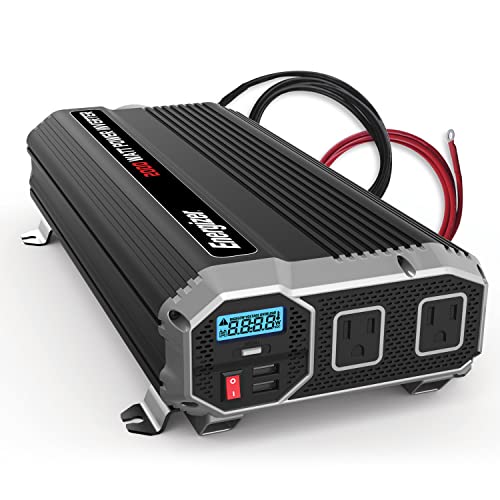
Energizer 2000 Watts Power Inverter

1000Watt Pure Sine Wave Inverter

2000 watt Inverter 12V to 110V/120V
More Details On Our Top Picks
Dual AC outlets make this K KRIËGER unit feel straightforward, especially for everyday vehicle power where you want two plug-in spots without extra clutter. Modified sine wave means the output is less polished than pure sine wave models like BELTTT’s 2000W option, but it keeps the setup simple for many basic charging needs.
The included installation kit matters for a more permanent install in a van, truck, or work rig. You may find the modified output a little less friendly for sensitive gear, so it suits common electronics and utility use better than fussy home-style equipment.
Strong Points
- Two AC outlets let you run a laptop and another device at the same time.
- The installation kit helps when you want a cleaner, more fixed setup.
- ETL approval to UL and CSA standards gives you a more reassuring paperwork trail.
- It fits well in trucks and job vehicles where simple AC access matters.
Things To Consider
- Modified sine wave output can feel less suitable for gear that prefers cleaner power.
- The added wiring means setup takes more planning than a small plug-in inverter.
- Owners usually need to keep cables tidy, since loose runs can make storage messy.
Feature Rundown
Who It Suits Best
Truck drivers, road workers, and weekend travelers who want a practical dual-outlet inverter with fixed-install potential will get the most from it.
A Better Fit Elsewhere
BELTTT’s 2000W Pure Sine Wave Inverter suits you better when your gear is more delicate or your RV setup leans toward cleaner power delivery.
Three AC outlets give this POTEK model a busy, practical feel that suits family road trips or mobile workdays with more than one plug-in device. Compared with the K KRIËGER unit above, you get an extra AC socket right away, plus a small USB port for lighter charging tasks.
The black housing keeps the look low-key, which helps in a cargo area or under-seat install. The trade-off is that more outlet options can tempt you to overfill it, so cable organization and load discipline still matter.
Highlights
- Three AC outlets reduce the need for extra adapters.
- The 2A USB port covers small accessories and phone charging.
- It suits shared use in a truck, van, or campsite setup.
- The plain black finish blends in well with other gear.
Room For Improvement
- The compact USB output feels basic beside newer multi-port chargers.
- More sockets can encourage heavier use than the vehicle system is ready for.
- Cable management matters, since multiple plugs can crowd a tight space.
Core Details
Who Will Love This
You get the most value from this one when several people need charging access in the same vehicle.
Swap It Out When
K KRIËGER’s 2000 Watts Power Inverter fits better when you want a more installation-focused setup instead of a socket-heavy portable unit.
Pure sine wave output is the headline here, and that means the inverter is built to deliver a smoother AC signal, which tends to suit sensitive electronics better than modified sine wave units. For RV life, solar cabins, or a truck setup with more demanding gear, that difference matters more than the badge on the front.
It also brings a dual AC layout, a 20A socket, USB support, a hardwire port, and remote control access. Compared with the K KRIËGER and Energizer picks, this one feels more like a serious power hub than a simple road-trip converter.
What We Like
- Pure sine wave output supports a broader range of sensitive equipment.
- The 20A socket gives you another useful connection point for larger devices.
- Hardwire support suits fixed installs in RVs and off-grid spaces.
- The remote controller adds convenience when the inverter sits out of reach.
- Dual AC outlets and USB support keep day-to-day charging flexible.
Honest Caveats
- The feature set feels more involved, so setup can take more planning.
- Hardwiring means you need to think carefully about placement and cable runs.
- More capability usually means more clutter if you want a very simple dash setup.
Technical Sheet
Built With In Mind
You fit this model best when your setup mixes travel comfort with more demanding electronics or a semi-permanent installation.
A Better Fit Elsewhere
POTEK’s 2000W Power Inverter suits casual multi-device charging more neatly when you want a simpler three-outlet layout and less installation planning.
This vansoet pick sits in a different lane from the larger 2000 watt units, and that’s the point. The smaller 400W output pairs with dual AC outlets, a PD 30W port, USB-C, and USB-A style charging, so it fits laptops and lighter electronics without turning into a heavy-duty box.
For road trips, camping, or short commutes, it’s the kind of inverter you leave in the car and forget about until you need it. The trade-off is simple, though: it’s far less suited to high-demand appliances than the K KRIËGER or Energizer models.
Bright Spots
- Small size makes stowing it in a glove box or console easier.
- PD 30W charging helps with newer phones and smaller tablets.
- Dual AC outlets add flexibility for basic travel gear.
- Its lighter output range suits everyday portable electronics.
Small Caveats
- The 400W ceiling limits use to lighter devices.
- More charging ports can encourage you to spread power across too many gadgets.
- Vehicle storage is easy, yet the small format can still get buried under loose cables.
Details At A Glance
Who Should Grab It
Drivers who mainly charge laptops, tablets, and phones will appreciate the compact size and mixed port layout.
Reach For A Different Pick When
OLTEANP’s 1000 Watt Power Inverter is the better move for you when you need a more serious display, more AC headroom, and room for heavier trip gear.
OLTEANP takes a more balanced route than the smaller vansoet inverter, adding an LCD screen and a stronger charging mix without jumping all the way to a 2000W class unit. For many trucks, campers, and home backup situations, that middle ground is exactly where things start to feel comfortable.
The two AC outlets, 36W Type-C port, and 5V/3A USB port help the unit cover laptops, phones, and small accessories in a single box. The display is useful because you can keep an eye on output status at a glance, which is handy in a moving vehicle where you don’t want to guess.
Positives
- The LCD screen makes status checks easier during travel.
- Two AC outlets and two charging ports create a flexible setup.
- It fits a nice middle ground between travel use and utility use.
- The 1000W size is easier to manage than larger 2000W units.
Areas To Watch
- It sits below the larger 2000W picks for heavier device needs.
- Screen-based units can tempt you to stare at numbers instead of planning your load.
- Like most compact converters, cable placement matters in tight cab areas.
Feature Card
Whose Shelf It Belongs On
This is a good fit for drivers who want a step up from a compact travel inverter without moving into a full heavy-duty rig.
Where A Sibling Pick Shines
Yinleader’s 2000 watt Inverter fits better for you when your cargo area or RV setup needs more headroom and dual USB charging at the 2000W level.
Brand recognition helps this Energizer unit stand out, but the real draw is the familiar 2000W format with two AC outlets and two USB ports built in. It feels close in purpose to K KRIËGER’s inverter, yet the included battery cables make it easier to picture as a ready-to-install vehicle companion.
The modified sine wave output keeps it in the same practical lane as the K KRIËGER model, which is fine for a lot of common vehicle use. The honest read is that it suits everyday charging and utility loads better than delicate electronics that prefer cleaner power.
Upsides
- Two AC outlets and two USB ports keep the layout simple and useful.
- Battery cables are included, which can reduce setup friction.
- The 2000W capacity gives you room for broader vehicle power needs.
- It works well in trucks and work vehicles where rugged utility matters.
Softer Spots
- Modified sine wave output is a step down from cleaner pure sine wave models.
- More power also means more attention to battery and cable planning.
- Owners often end up organizing the included leads for cleaner storage.
Quick Facts
Perfect Match For
You fit this inverter well when you want a recognizable, no-fuss 2000W unit for regular vehicle use.
Another Choice May Suit
BELTTT’s 2000W Pure Sine Wave Inverter is the better route for you when your equipment leans sensitive or your RV setup needs smoother output.
This BELTTT inverter gives you pure sine wave output in a smaller 1000W package, which is useful when you want cleaner power without moving straight to the larger 2000W class. For RVs, trucks, and off-grid trips, that smaller footprint can be easier to tuck into a practical setup.
The dual AC socket, 5V 2.1A USB, intelligent LCD, and 2000W peak figure make it feel useful without being overbuilt. Compared with BELTTT’s 2000W version earlier in the list, this one asks less from your space and battery plan, though that also means less overall capacity.
Best Bits
- Pure sine wave output suits many sensitive devices better.
- The intelligent LCD gives you a clear status readout.
- Dual AC sockets support a simple two-device setup.
- The smaller format works well in mobile and off-grid spaces.
Worth Noting
- 1000W capacity sits well below the larger 2000W options.
- Peak power and continuous use are different, so load planning still matters.
- Compact units like this often live better with neat cable storage.
Spec Overview
The Right Fit
You fit this model best when you want pure sine wave output in a more compact travel-friendly size.
Look Elsewhere When
BELTTT’s 2000W Pure Sine Wave Inverter is the stronger match for bigger RV loads and a more serious off-grid power plan.
Yinleader keeps things direct with a 2000W inverter that adds an intelligent LCD display, dual AC outlets, and dual USB charging ports. For RVs, trucks, and laptop-heavy road days, that mix feels comfortable because you get both household-style sockets and simple charging in one box.
Compared with OLTEANP’s 1000W model, this unit gives you more power room without losing the useful display. The trade-off is the usual one for larger converters, you need to think more carefully about battery support and cable placement so the setup stays tidy and dependable.
Reasons To Buy
- Dual AC outlets and dual USB ports cover a lot of common travel gear.
- The LCD display helps you keep track of basic operating status.
- 2000W output gives you more flexibility than 1000W class models.
- It suits truck and RV use where several devices need power access.
Minor Gripes
- The higher output means you need a more thoughtful installation plan.
- Display-equipped gear can add a little more visual clutter in a cab.
- Storage is easier with organized cables, especially in a crowded vehicle.
Core Details
Made For
You fit this inverter well when you want a straightforward 2000W setup with a screen and dual USB charging for travel.
Where Another Pick Suits Better
OLTEANP’s 1000 Watt Power Inverter is the better fit for lighter use, smaller vehicles, and a simpler power budget.
How To Choose The Right 2000 Watt Car Inverters
Waveform Comes First
Pure sine wave output gives you a smoother electrical signal, which tends to suit sensitive electronics, RV gear, and some chargers better. Modified sine wave units are usually more straightforward and often fine for simpler tools, lights, and common accessories.
The trade-off is fit, not status. A pure sine model like BELTTT’s 2000W inverter makes more sense for delicate equipment, while a modified sine wave pick such as K KRIËGER or Energizer feels more natural for everyday vehicle power.
Ports, Outlets, And Real Use
Outlet count matters more than many people expect because a truck, campsite, or van can turn into a charging station fast. Dual AC sockets suit lighter setups, while three outlets or extra USB ports help when several devices need power at the same time.
Look at the whole mix, not just the watt number. A 2000W inverter with only two outlets may still work better for you than a busier panel on a smaller unit, depending on how many laptops, tablets, and accessories travel with you.
Installation Style And Space
Some inverters are built for quick placement, while others are better for a fixed setup with battery cables, a hardwire port, or a remote controller. That choice changes how neat the install feels and how easy it is to tuck the unit into a trunk, under-seat area, or RV bay.
For a van conversion or work truck, a more install-ready design usually pays off. For occasional road use, a simpler unit with fewer wiring steps keeps the whole process calmer.
Match Capacity To Your Battery Plan
Higher watt output only helps when your battery and vehicle system can support it. A 2000W inverter gives you room, but it also asks for more planning around cable length, charging habits, and how long you expect to run gear.
Smaller devices are easier to live with, yet they leave less room for future upgrades. That’s why many shoppers land on a 1000W option first, then move up to a true 2000W unit once the travel pattern or work setup becomes clearer.
Things Worth Knowing First
Where Shoppers Go Wrong
Plenty of people focus on watt count and ignore waveform, outlet layout, or whether the unit needs a fixed install. That’s how a promising inverter ends up feeling awkward in the vehicle.
Cable management is the other common miss. A tidy setup keeps storage easier and helps the inverter feel like part of the vehicle instead of loose gear rolling around the cab.
Where The Extra Money Goes
Higher-tier models usually spend more on cleaner output, richer port selection, and more complete control features like LCD screens, remote access, or hardwire support. Those extras matter most when the inverter sits at the center of a travel, RV, or off-grid setup.
You also tend to pay for better fit to specialized gear. That’s why pure sine wave models and install-friendly units often sit above basic modified sine wave converters in everyday shopping.
Frequently Asked Questions
What does modified sine wave mean?
Modified sine wave means the inverter produces a simpler AC output shape than pure sine wave models. It works well for many basic devices, though sensitive electronics usually prefer cleaner power.
How many outlets do you really need?
Two AC outlets cover most solo travel needs. Three outlets or added USB ports help when several people use the same vehicle.
Is a 2000W inverter too much for a car?
Not necessarily, but your battery system and wiring need to support the load. For frequent use, a more thoughtful install matters as much as the watt number.
Why do some inverters include USB ports?
USB ports make phone and tablet charging easier without another brick. They also reduce the number of adapters you need to keep in the cab.
Should you choose pure sine wave or modified sine wave?
Pure sine wave suits more sensitive electronics and more polished RV setups. Modified sine wave can be a practical choice for straightforward vehicle power and simpler gear.
Closing Thoughts
Your best 2000 watt inverter depends less on the headline watt number and more on the way you travel. K KRIËGER and Energizer make sense for practical vehicle use, BELTTT leans cleaner and more advanced, and the smaller vansoet, OLTEANP, and Yinleader options cover lighter or more compact needs. Choose the layout that fits your cab, your battery plan, and the gear you actually carry, and the setup will feel far less fussy on the road.
