

Pulling power from a car, RV, or off-grid setup is easier when the inverter matches the job. Some setups only need laptop charging and a phone top-up, while others need steady AC output for tools, small appliances, or a longer road trip. The right choice keeps cords under control and takes strain off your vehicle battery.
Quick Look At The Shortlist

FSATBTNE 400W Power Inverter with 65W USB-C

DrimMek 300W Car Power Inverter with LED Display

BELTTT 2000W Pure Sine Wave Inverter
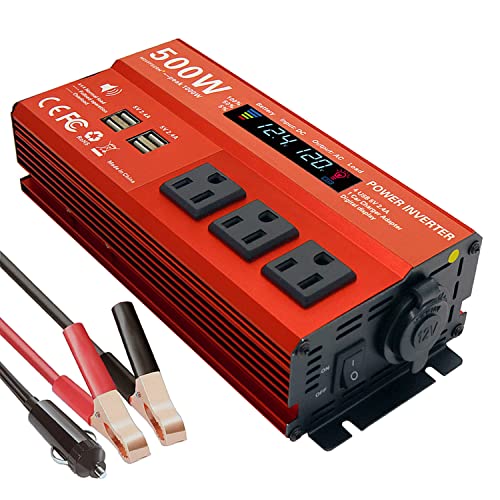
MOVFFGGRM 500W Peak 1000W Power Inverter

BELTTT 3000W Pure Sine Wave Inverter

vansoet 400W Car Power Inverter with Dual AC

HONOURLIGHT 3000W Power Inverter with LCD

Pro Chaser 400W Power Inverters with 65W USB-C
More Details On Our Top Picks
That mix of two AC outlets and modern USB charging makes this FSATBTNE unit feel built for daily car use, not just emergency storage. The 65W USB-C port stands out for laptops and larger tablets, while the 18W USB-A port handles phones and smaller gear without wasting an outlet.
Commuters, rideshare drivers, and families heading out on weekend trips get the most from that layout. The trade-off is simple, this is a compact 400W class inverter, so it suits charging and light electronics rather than anything power-hungry.
Strong Points
- 65W USB-C gives you a strong modern charging path for laptops and fast-drain devices.
- Two AC outlets let you run a pair of small items without juggling adapters.
- 18W USB-A adds a practical second phone-friendly port.
- The 400W size fits everyday vehicle charging without taking much space.
Things To Consider
- That 400W ceiling keeps it away from larger appliances and tools.
- Two AC outlets help, but the unit still rewards careful cable planning in a tight cabin.
Feature Snapshot
Who It Suits Best
You’ll get the most from this in a car, truck, or SUV where laptop charging and phone top-ups matter more than heavy-duty output.
Where A Sibling Pick Shines
Pro Chaser 400W Power Inverters with 65W USB-C suits you better if you want a similar class of inverter but prefer the Pro Chaser label and its clearly stated 800W peak figure.
DrimMek keeps the layout lean, which is useful in smaller cabins where a bulky inverter would crowd the console. The LED display adds a quick status readout, so you’re not guessing as much about what the unit is doing.
The 65W USB-C port matters here because it turns a modest 300W inverter into a more capable travel companion for laptops and tablets. Compared with the FSATBTNE 400W pick, this one is more restrained, but that can suit drivers who want less clutter and a simpler setup.
Positives
- 300W output keeps the footprint practical for everyday vehicle use.
- 65W USB-C supports faster charging for compatible mobile work gear.
- The LED display helps you read the inverter’s status at a glance.
- Its simpler build makes storage and cable management easier in tight spaces.
Room For Improvement
- 300W suits lighter electronics, so it’s not the right call for power-hungry accessories.
- The compact shape is handy, but it also means less room for extra connections than larger units offer.
Core Details
Made For
You’ll appreciate this most in a commuter car or a simple travel rig where a clean, compact inverter matters more than extra output.
Another Choice May Suit
MOVFFGGRM 500W Peak 1000W Power Inverter suits you better if you want more output and a broader port mix for family road trips.
Pure sine wave means the inverter aims to produce AC power that behaves more like household electricity, which matters for sensitive gear and some motor-driven equipment. That makes this BELTTT model a much more serious tool than the lighter vehicle units above, especially in RVs, solar builds, or truck cabins with demanding loads.
The hardwire port, remote controller, and dual AC outlets push it further into long-term setup territory. You’ll like the flexibility, though the trade-off is obvious, this is a more involved install than the plug-in picks, so it makes sense for organized spaces where the inverter can stay put.
Highlights
- 2000W continuous output gives you room for larger jobs than the car-focused models above.
- Pure sine wave output suits electronics that prefer steadier AC power.
- The remote controller makes placement easier in RVs and fixed setups.
- Dual AC outlets, a USB port, and a 20A socket give you a broad connection mix.
- Surge capacity of 4000W helps with short startup demands.
Minor Gripes
- The stronger feature set also means more planning around install space and cable routing.
- This tier makes more sense for mounted use than quick, casual plug-in charging.
Technical Sheet
Right Fit For
You’ll get the most from this in an RV, a truck, or a solar setup where clean output and stronger capacity matter more than easy plug-in portability.
Look Elsewhere When
FSATBTNE 400W Power Inverter with 65W USB-C suits you better for simple car charging and lighter travel use.
Four USB ports and one cigarette-lighter socket make this a practical middle ground for families who travel with several devices at once. The 500W peak rating gives it a bit more breathing room than the smaller 300W class, which helps during everyday use with mixed charging needs.
Compared with DrimMek’s simpler layout, this MOVFFGGRM model is more social in the sense that it can handle more gadgets at once. The honest read is that it still belongs in the lighter-duty lane, but for road trips and weekend runs, that’s often enough.
What We Like
- Four USB ports reduce the need for extra charging hubs in the car.
- One built-in cigarette-lighter outlet adds another useful connection point.
- 500W peak capacity gives you more flexibility than the smallest travel inverters.
- The layout suits families who travel with several phones, tablets, and small accessories.
Areas To Watch
- Peak ratings can sound bigger than the continuous output, so it helps to size your load carefully.
- More ports can also mean more cords to organize across the dash or center console.
Feature Card
Best Suited To
You’ll benefit most in a family car, minivan, or travel setup where multiple charging points matter more than premium power quality.
Swap It Out When
BELTTT 2000W Pure Sine Wave Inverter is the stronger fit for RV owners who need mounted power and cleaner output.
This version steps into heavier-duty territory with 3000W continuous output, so it makes sense for larger off-grid jobs and more ambitious RV installs. Like the 2000W BELTTT model, it uses pure sine wave output, but the extra capacity gives you more room for demanding setups and less need to micromanage what’s plugged in.
The remote controller comes with a 23-foot cable, which helps when the inverter sits far from the dash or living area. That longer reach is handy in a trailer or motorhome, though it also means you’ll want to plan cable routing carefully so the install stays tidy.
Reasons To Buy
- 3000W continuous output gives you a much larger operating window than the smaller picks.
- Pure sine wave output suits a wide range of electronics and fixed-power environments.
- The 23-foot remote cable offers placement flexibility in bigger vehicles and cabins.
- Dual AC outlets, a 20A socket, and USB support make the power layout more versatile.
Small Caveats
- This is a setup-level inverter, so casual travelers may find it more than they need.
- Longer cable runs need a little extra care during installation and storage.
Details At A Glance
Built With In Mind
You’ll get the best fit in a truck, RV, or home-backed off-grid setup where the inverter stays installed and power needs run high.
Reach For A Different Pick When
DrimMek 300W Car Power Inverter with LED Display makes more sense for smaller cars and lighter daily charging.
vansoet aims for balance rather than drama, and the port mix shows that clearly. You get dual AC outlets plus USB-C and USB-A options, including a 30W PD port and 15W USB-C and USB-A/C ports, so it suits a bag full of mixed devices on a long drive.
That makes it a sensible travel companion for campers and road-trippers who don’t want to carry separate adapters. Compared with the FSATBTNE 400W option, this one leans a bit more toward varied USB access, while still staying in the same practical power class.
Bright Spots
- Dual AC outlets let you plug in two standard devices at once.
- The USB-C and USB-A mix supports newer and older charging cables.
- 400W output fits the day-to-day electronics most road trips rely on.
- The layout is friendly for camping kits and packed vehicle consoles.
Worth Noting
- The port spread is useful, but it still sits in the lighter-duty power class.
- More charging options can mean more cable clutter unless you keep a small organizer in the car.
Feature Rundown
Who Should Grab It
You’ll like this most for camping, road trips, and packed family vehicles where several charging formats need to coexist.
Skip It When
BELTTT 3000W Pure Sine Wave Inverter is the better route for fixed off-grid setups with much larger power demands.
The LCD display and remote control make this HONOURLIGHT unit feel built for people who want to keep a close eye on a larger power system. With 3000W continuous output and 6000W peak output, it sits in the same upper tier as the BELTTT 3000W model, but the screen adds a clearer day-to-day monitoring angle.
That matters in RVs, trucks, and backup power setups where the inverter may stay installed for long stretches. The trade-off is the usual one for this class, you’re getting more capability, but you also need more space and a more deliberate install than the compact vehicle inverters above.
Best Bits
- 3000W continuous output supports larger household-style loads in mobile setups.
- 6000W peak output gives extra breathing room for startup surges.
- The LCD display makes status checks easier during regular use.
- Remote control support helps when the inverter sits out of arm’s reach.
- Dual AC outlets and a USB port cover common power needs without extra gear.
Softer Spots
- This class works best in planned installs, not quick plug-and-go use.
- Keeping the unit and cables organized takes a little more attention than it does with the smaller road-trip options.
Core Details
The Right Fit
You’ll get the most from this in an RV, truck, or fixed backup setup where monitoring and higher capacity matter day to day.
A Better Fit Elsewhere
vansoet 400W Car Power Inverter with Dual AC is the easier choice for travelers who want a lighter, more portable road kit.
Pro Chaser gives the 400W car-inverter formula a cleaner, more polished charging layout than many basic plug-in units. The stated 800W peak output, dual AC outlets, USB-A QC 18W, and USB-C PD 65W make it well suited to laptop bags, travel kits, and air-compressor use in a vehicle.
That mix makes sense for commuters who also travel with work gear, because the USB-C port is strong enough to matter without turning the whole unit into a bulky install piece. The catch is the same as with the other 400W models, it stays in the lighter-duty lane, so it shines most when your needs are practical rather than heavy.
Plus Points
- Dual AC outlets give you room for two plug-in devices.
- 65W USB-C helps with laptops and larger tablets.
- USB-A QC 18W handles fast phone charging in a familiar format.
- 400W continuous output fits road-trip and commuter use well.
- The 800W peak figure adds short-burst headroom for certain accessories.
Points To Note
- It’s still a 400W class inverter, so larger appliances are out of scope.
- Owners who carry several cords may want a small pouch or organizer to keep the setup tidy.
Quick Facts
Whose Shelf It Belongs On
You’ll like this most if you want a well-balanced vehicle inverter for a laptop, a phone, and a couple of small accessories.
Another Choice May Suit
HONOURLIGHT 3000W Power Inverter with LCD is the stronger match for RV owners who need a fixed, high-capacity setup with more monitoring.
How To Choose The Right 12v Power Inverters
Match Output To Real Use
Start with the load you plan to run, not the biggest number on the page. A 300W or 400W inverter fits laptops, phones, camera batteries, and small accessories, while 2000W and 3000W units belong in RVs, trucks, and fixed off-grid systems.
Peak output matters too, because startup surges can be higher than steady use. That extra headroom helps with certain tools and compressors, but it does not change the continuous rating you need to respect.
Pick The Right Wave Form
Pure sine wave means the inverter outputs AC in a smoother shape that more closely resembles household electricity. That matters for sensitive electronics and for setups where you want fewer compatibility questions.
Modified-style units can still work well for lighter travel charging, and they often cost less. The trade-off is that they are less universal, so the safer route for complex gear is usually the pure sine wave model.
Look At Ports And Placement
USB-C, USB-A, AC outlets, and 12V sockets each solve a different problem, so the best layout depends on your device mix. A commuter may care most about one strong USB-C port, while a family road trip usually benefits from several ports spread across the unit.
Placement matters just as much. Plug-in inverters suit quick use in a car, while remote-controlled and hardwired models make more sense in RVs or cabins where the inverter stays installed.
Think About Heat, Noise, And Cable Management
High-output inverters need breathing room, which is why mounting space and ventilation matter more as wattage climbs. Cables also get thicker and more awkward as power rises, so a tidy route makes daily use much less annoying.
That’s the quiet part people sometimes skip. A compact inverter can live in a glove box, but a 3000W model asks for planning, patience, and a spot where it can sit undisturbed.
Things Worth Knowing First
Common Shopping Slip Ups
One common mistake is confusing peak output with continuous output. The peak number sounds impressive, but the steady rating is the one that matters for everyday use.
Another easy miss is underestimating the number of ports you actually need. A simple car setup can work with one strong USB-C port, while a family vehicle usually needs several connections to avoid cable fights.
Where The Extra Money Goes
Higher-tier models usually cost more because they add cleaner power output, stronger peak capacity, and more useful controls. Remote handsets, LCD readouts, hardwire options, and longer cables all add convenience that basic plug-in units skip.
The upgrade pays off in RVs, work trucks, and backup setups where the inverter stays in place. For quick charging in a sedan, the added capability may be more than you need.
Frequently Asked Questions
What size 12v inverter works for a laptop?
A 300W or 400W inverter usually handles laptop charging comfortably, especially with a strong USB-C port. A model with AC outlets gives you more flexibility for the laptop brick and other small gear.
Why choose pure sine wave?
Pure sine wave output is a better match for sensitive electronics and more demanding setups. It also gives you a broader compatibility margin than simpler wave forms.
Can you use one in a car all day?
You can use one for long stretches, but vehicle battery health and engine runtime matter a lot. Plug-in inverters are best used with the engine running during extended charging.
Do more USB ports always help?
More ports help when several people share the same vehicle charging setup. They matter less when you only power one laptop and a phone.
Is a 3000W model overkill for travel?
For ordinary road charging, yes, it usually is. That size makes more sense for RVs, off-grid cabins, and other permanent power setups.
Closing Remarks
You get the cleanest result when the inverter fits the way you travel, not just the wattage printed on the page. Small car units make sense for daily charging, midrange models handle family trips and work gear, and high-output pure sine wave units belong in larger systems that stay installed. A calm, practical match usually pays off more than chasing the biggest number. Pick for your routine, and the rest gets easier.
