

In today’s world, the demand for sustainable energy solutions grows stronger, especially in remote work environments. You face unique challenges at these sites, such as limited access to traditional power sources. Solar stations provide a viable solution. They offer a reliable and cost-effective way to harness renewable energy. Using solar energy not only helps you save money but also reduces your environmental impact. With solar stations, you can ensure a continuous power supply while promoting sustainable energy and infrastructure.
Key Takeaways
Solar stations save money by reducing fuel and maintenance costs. Switching from diesel generators can lead to savings of over $17,000 annually.
Using solar energy enhances energy independence. You won’t rely on fuel deliveries, ensuring a steady power supply even in remote locations.
Solar stations promote environmental sustainability. They significantly cut carbon emissions, helping you meet environmental regulations and support a cleaner planet.
Conduct a thorough site assessment before installation. Understanding sunlight exposure and terrain helps optimize solar station performance.
Explore government incentives for solar installations. Programs can ease financial burdens and support your transition to renewable energy.
Benefits of Solar Stations
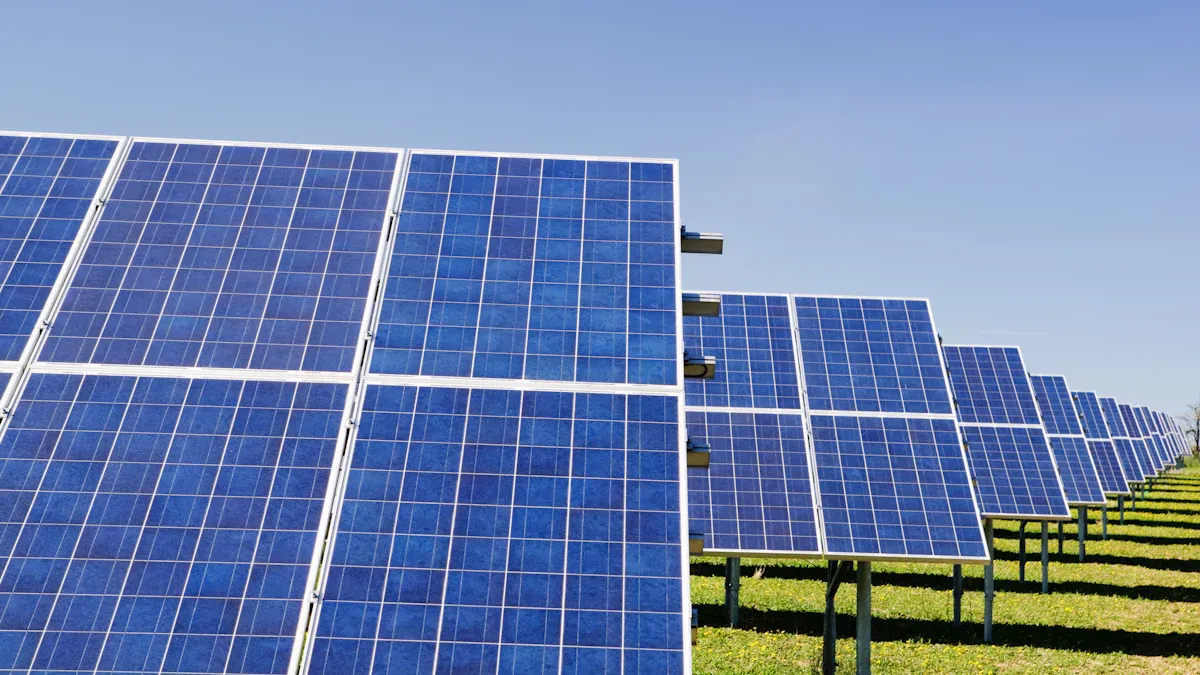
Cost-Effectiveness
Solar stations offer significant cost savings for remote worksites. By switching from diesel generators to solar-powered containers, you can save money on fuel and maintenance. Here are some key figures to consider:
Average cost savings over 6 months: $8,828
Annualized savings: $17,656
Payback period: approximately 5.1 years
These savings come from reduced fuel costs and lower operational expenses. You can invest these savings back into your project, enhancing overall productivity.
Energy Independence
Using solar stations gives you greater energy independence. You no longer rely on fuel deliveries or grid connections, which can be unreliable in remote areas. Solar-powered containers significantly lower ongoing operational costs by eliminating the need for fuel procurement and maintenance associated with traditional generators. Research shows that solar power can compete financially with diesel generators in many remote locations.
Additionally, solar power systems are known for their reliability and low maintenance needs. Many installations include battery storage, ensuring a steady power supply even during adverse weather conditions. This flexibility allows you to operate without interruptions, enhancing your project’s efficiency.
Environmental Sustainability
Solar stations contribute to a cleaner environment. They help reduce carbon emissions and promote sustainability. Here are some measurable benefits:
Over 75% reduction in diesel usage and associated greenhouse gas emissions, saving approximately 10,000 liters (2,600 gallons) of diesel per year per unit.
Over 80% reduction in diesel usage and associated costs and emissions, saving approximately 9,000 liters (2,400 gallons) of diesel per year per unit.
Solar PV power generation produces zero CO2 emissions during electricity production. This is essential for achieving carbon neutrality and meeting environmental regulations. Developers conduct thorough environmental impact assessments to protect sensitive habitats, ensuring responsible stewardship. Many projects utilize previously disturbed lands to minimize ecological disruption, aligning with sustainability practices.
Types of Off-Grid Solar Solutions
Portable Solar Panels
Portable solar panels are lightweight and easy to transport. They are perfect for flexibility in remote workspaces. You can set them up quickly and move them as needed. These panels are ideal for temporary projects or locations where you need power for short periods. However, keep in mind that portable panels may not produce as much energy as fixed installations. They can be less durable and have a shorter lifespan.
Fixed Solar Installations
Fixed solar installations provide a more permanent solution for off-grid solar solutions. They offer several advantages:
Advantages | Disadvantages |
|---|---|
Durability and efficiency | Higher initial costs |
Long-term energy production | Challenges with installation and mobility |
Steady power supply, even in emergencies | Heavy and difficult to move |
Ideal for long-term stationary setups | Requires careful planning for installation |
These installations outperform portable panels in energy production and durability. They maintain better sunlight alignment and operate more efficiently in cooler temperatures. For instance, rigid panels can last over 25 years, making them a solid investment for long-term projects.
Hybrid Systems
Hybrid systems combine solar power with other energy sources. This integration ensures a continuous power supply in remote locations. Here’s how they work:
Component | Role in Hybrid System |
|---|---|
Solar PV | Converts sunlight into electrical energy |
Battery Storage | Stores excess energy for use during low generation times |
Grid Connection | Provides backup power when solar and battery resources are depleted |
Backup Generator | Ensures power supply continuity when solar and battery are insufficient |
Energy Management System | Optimizes energy use and manages transitions between sources |
These systems transition to generator or grid mode when solar energy or battery capacity is low. They are designed for reliability in harsh outdoor conditions, making them an excellent choice for remote worksites.
Implementing Solar Stations in Remote Workspaces
Site Assessment
Before you install solar stations, conduct a thorough site assessment. This step helps you understand the specific conditions of your remote workspace. Here are some key factors to consider:
Location: Identify areas with maximum sunlight exposure. Avoid shaded spots from trees or buildings.
Terrain: Assess the land’s slope and stability. Flat areas are ideal for fixed installations.
Accessibility: Ensure that the site is accessible for installation and maintenance. Consider how equipment will reach the location.
Environmental Impact: Evaluate any potential effects on local wildlife and ecosystems. Responsible planning helps minimize disruption.
Energy Needs Analysis
Next, perform an energy needs analysis. This analysis determines how much power your solar stations must generate. Follow these steps:
Identify Power Requirements: List all equipment and tools you plan to use. Calculate their total energy consumption in kilowatt-hours (kWh).
Estimate Usage Patterns: Consider when and how often you will use each piece of equipment. This helps in understanding peak energy demands.
Account for Future Growth: If you anticipate expanding your operations, factor in additional energy needs. This foresight ensures your solar generators can accommodate future demands.
Maintenance Requirements
Maintaining solar stations is crucial for their efficiency and longevity. Fortunately, solar energy systems require less maintenance than diesel generators. Here are common maintenance tasks for solar stations:
Tightening cable connections that have loosened.
Replacing blown fuses.
Repairing lightning damage.
Addressing equipment damaged by intruders or during module cleaning.
Rectifying SCADA faults.
Cleaning panels to ensure optimal sunlight absorption.
Managing vegetation around the solar installation to prevent shading.
In contrast, diesel generators need frequent and costly maintenance due to their mechanical components. They typically have a shorter lifespan, ranging from 10,000 to 30,000 operating hours, compared to solar systems.
When planning your solar station, consider potential barriers to implementation. These may include high costs, reluctance from authorities, and concerns about vandalism. You can overcome these challenges through innovative financing schemes and education on the benefits of solar technology.
Government incentives also support the adoption of solar stations in remote areas. Programs like the Energy-Efficient New Homes Tax Credit and the Self-Generation Incentive Program can ease financial burdens.
By carefully assessing your site, analyzing energy needs, and planning for maintenance, you can successfully implement solar stations in your remote workspace. This approach not only enhances energy independence but also promotes sustainability.
Real-World Applications of Solar Stations

Construction Sites
Solar stations play a vital role in construction sites, especially those located in remote areas. They provide a reliable power source for tools and equipment. You can reduce fuel costs and minimize noise pollution by using solar energy instead of diesel generators. This shift not only saves money but also creates a safer work environment. Many construction companies have reported significant savings and increased productivity after switching to solar stations.
Research Stations
Research stations in isolated locations have successfully utilized solar stations to support their operations. For example, in Antarctica, researchers implemented photovoltaic (PV) panels to generate energy in extreme conditions. These panels demonstrated impressive performance, with monocrystalline panels achieving a maximum power generation of 21.2 W. The energy efficiency of these panels ranged from 13% to 20%, making them a viable alternative to traditional diesel generators.
Challenge | Solar Energy Solution |
|---|---|
Extreme cold and harsh weather conditions | Provides a reliable power source that reduces reliance on fossil fuels. |
Limited sunlight during polar nights | Solar panels generate energy during continuous daylight in summer. |
Need for reliable energy for critical operations | Solar arrays ensure uninterrupted power for communication and scientific equipment. |
Environmental impact of fuel transport | Reduces fuel transport needs, minimizing risks and costs associated with spills. |
Operating expenses related to diesel consumption | Cuts down on diesel use and maintenance costs through advanced battery storage. |
Disaster Relief Efforts
Solar stations also prove invaluable during disaster relief efforts. After Hurricane Maria in 2017, solar-powered microgrids were deployed in Puerto Rico. These systems restored electricity in remote areas where traditional infrastructure was damaged. The modular nature of solar technology allows for rapid installation, making it ideal for emergency power in challenging terrains. This flexibility ensures that you can provide essential services quickly in times of crisis.
Solar stations offer numerous advantages for remote worksites. They provide reliable power, reduce costs, and promote environmental sustainability. You can operate tools in areas without grid access, making them essential for infrastructure projects and disaster recovery. For instance, after Hurricane Maria, solar tools facilitated immediate rebuilding efforts in Puerto Rico.
As you consider solar energy solutions for your projects, remember that trends show increasing self-consumption from solar systems. This shift highlights the growing importance of renewable energy. Embrace solar stations to ensure a sustainable future for your remote operations. 🌞


