

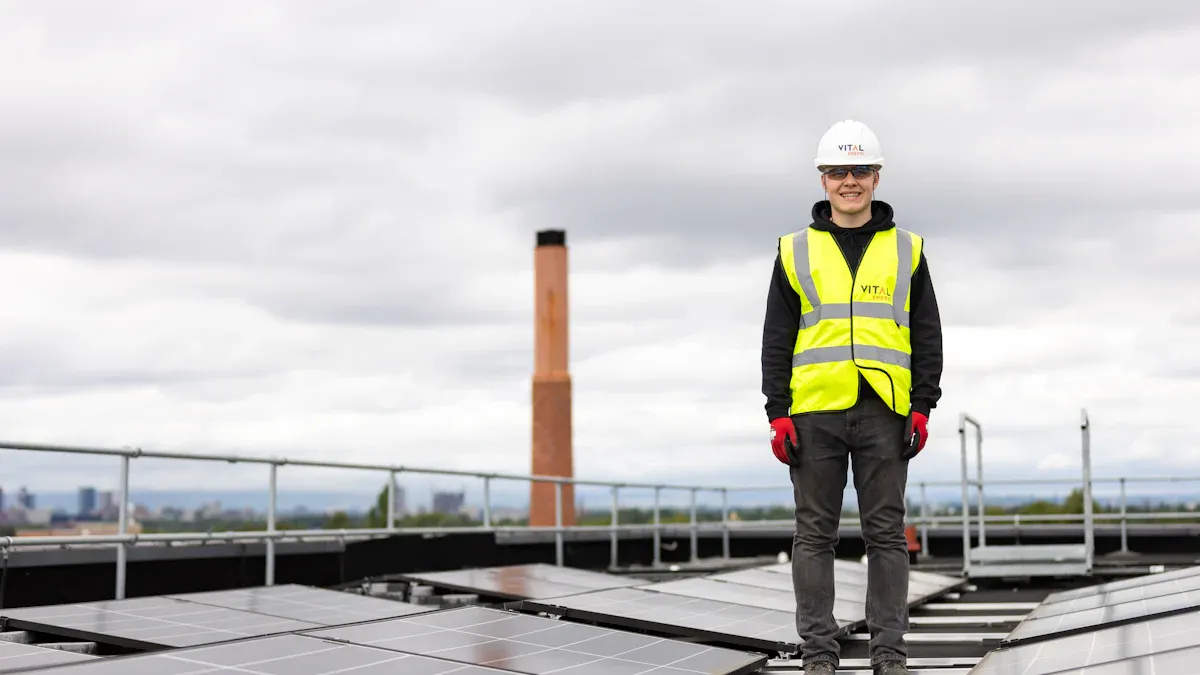
Regular maintenance and troubleshooting are crucial to maintain your solar station in optimal condition. Many solar station owners worry about issues like reduced power output, cracks on panels, or inverter problems. You might also wonder if solar panels require constant upkeep or if they can still function on cloudy days. Proactive care can enhance energy production and extend the life of your system. By addressing these concerns early, you can enjoy the full benefits of your solar investment while ensuring you maintain your solar station effectively.
Key Takeaways
Regularly monitor your solar station’s energy production to catch issues early. A drop in output can signal problems that need attention.
Inspect your solar panels at least once a year. Clean them more often in dusty or coastal areas to maintain optimal energy production.
Check electrical connections regularly. Loose or damaged connections can lead to energy loss and safety hazards.
Be aware of environmental factors that affect performance. Shading, dust, and extreme weather can significantly impact your solar station’s efficiency.
Seek professional help for major issues like broken panels or inverter failures. Experts can ensure your system operates safely and efficiently.
Signs of Issues

Energy Production Checks
You should regularly monitor your solar station’s energy production. A significant drop in production can indicate a problem. Common signs include:
Underproduction of energy
Physical damage to solar panels
Issues with wiring connections and inverters
If you notice a drop in production, it may stem from various factors. For example, long dry seasons can cause a 5% loss in energy production due to dust accumulation. Frequent dust deposits can lead to an additional 1-2% loss. If your solar panels are near major traffic, you might see a 1% decrease.
Condition | Typical Soiling Loss (%) |
|---|---|
Long dry seasons | 5% |
Frequent dust deposits | +1-2% |
Near major traffic | +1% |
Utility Bill Analysis
Another way to identify issues is by analyzing your utility bills. If you notice a sudden increase in your bills, it may signal that your solar system is not functioning efficiently. Regularly compare your bills to previous months. If you see a consistent rise, it could mean your solar station is underperforming.
Regularly inspect solar panels for physical damage, check wiring connections for looseness or damage, and verify that the solar inverter is operating properly. Keeping an eye on these factors can help you catch problems early and maintain optimal energy production.
By staying vigilant about energy production and utility bills, you can ensure your solar station operates effectively. This proactive approach will help you maximize your investment and enjoy the benefits of solar energy.
Maintain Solar Station Effectively
Inspecting Solar Panels
Regularly inspecting your solar panels is essential for maintaining solar station performance. You should conduct a thorough visual inspection during dry, clear daylight hours. If your panels are roof-mounted, consider using binoculars for a closer look. Schedule professional servicing based on your system’s environment and manufacturer guidelines. Recommendations typically range from every 4 to 5 years to annual inspections in high dust or coastal areas.
Cleaning your solar panels is also crucial. Dust and debris can block sunlight, reducing energy production. Aim to clean your panels at least once a year. In dusty, coastal, or high-pollen environments, you may need to clean them more frequently. Here’s a quick reference for cleaning frequency based on your environment:
Environment Type | Recommended Cleaning Frequency |
|---|---|
Dry or dusty areas | Every 6 months |
Areas with high dust, pollen, etc. | Quarterly |
Rainy areas | Less frequent, as rain cleans |
Desert climates | More regular cleanings |
Areas near highways or factories | More frequent cleanings |
Heavily wooded areas | Frequent cleanings |
Checking Connections
Checking electrical connections is another vital maintenance task. Loose or damaged connections can lead to energy loss and safety hazards. Follow these best practices to ensure your connections remain secure:
Best Practice | Description |
|---|---|
Effective Insulation | Use UV-resistant insulation like PV wire to prevent short circuits and protect against weather. |
Secure Connection Methods | Employ soldering, crimping, or terminal blocks to ensure low-resistance connections. |
Overcurrent Protection | Install fuses or circuit breakers to prevent excessive current flow and potential fires. |
Grounding Techniques | Connect all metal parts to the earth to reduce electric shock risks. |
By regularly checking your connections, you can prevent issues that may affect your solar panel performance.
Monitoring Battery Health
Monitoring battery health is crucial for systems that rely on battery storage. Regularly check the battery’s state of charge and overall condition. Look for signs of wear, such as swelling or corrosion. Replace worn-out components before they fail to ensure your solar system operates efficiently.
In addition, consider these essential maintenance tasks to maximize the lifespan of your solar station components:
Preventive maintenance to identify issues early
Regular panel cleaning to remove dust and debris
Inspection of electrical connections to prevent energy loss
Inverter servicing to ensure optimal performance
Performance optimization through monitoring and adjustments
By following these maintenance practices, you can effectively maintain your solar station and ensure it operates at peak efficiency.
Troubleshooting Steps
Evaluating Inverters
Inverters play a crucial role in your solar station. They convert the direct current (DC) generated by your solar panels into alternating current (AC) for your home. If you encounter issues, start by evaluating the inverter. Here are some common inverter problems you might face:
No Power Output: Check for disconnected cables, blown fuses, or grid disconnection.
Inverter Not Responding or Shutting Down Randomly: This may happen due to overheating, poor ventilation, or internal component failure.
Error Codes and Fault Messages: Your inverter may display error codes for issues like over/under voltage or ground faults.
Low Efficiency or Inconsistent Output: This can result from panel mismatch, degradation, or loose connections.
Distorted Waveform or Grid Synchronization Issues: Symptoms include flickering lights and erratic appliance behavior.
To troubleshoot inverter issues effectively, follow these steps:
Check Your Energy Production: Monitor your solar system’s energy output and compare it with historical data.
Inspect for Obstructions: Ensure no shading from trees or buildings affects panel performance.
Examine the Panels and Connections: Look for visible damage and clean the panels if necessary.
Check the Inverter: Look for warning lights or error messages on the inverter.
Monitor Temperature Effects: Ensure proper ventilation to manage temperature fluctuations.
Review System Design and Load: Ensure the system is appropriately sized for your energy needs.
Seek Professional Help: Contact a professional if issues persist.
Addressing Environmental Factors
Environmental factors can significantly impact your solar station’s efficiency. Here are some key aspects to consider:
Shading: Even partial shading on individual solar cells can reduce overall system output. Ensure that trees, buildings, or other obstructions do not cast shadows on your panels.
Weather Conditions: Solar panels are designed to withstand inclement weather. However, high temperatures can decrease efficiency by 0.4–0.5% for each degree Celsius increase. Dust accumulation can lead to a reduction in output by as much as 60%, especially in arid regions.
Terrain Factors: The albedo effect can enhance output through increased reflection. Snow can obstruct panels, while rain can help clean them, improving performance.
Extreme Weather Events: Events like wildfires and hailstorms can cause significant damage to solar installations. Be prepared to assess any damage after such occurrences.
By understanding these environmental factors, you can take proactive steps to maintain your solar station’s performance. Regular monitoring and adjustments will help you maximize energy production and ensure your system operates efficiently.
When to Seek Professional Help
Signs of Major Issues
You should be aware of several warning signs that indicate your solar station may require professional maintenance. Here are some key indicators:
Warning Sign | Description | Recommended Action |
|---|---|---|
Broken Glass | Damage to solar panel glass can severely impact performance. | Replace the broken glass with professional help for safety and proper installation. |
Inverter Failure | The inverter converts solar energy into usable electricity and is prone to failure. | Regular inspections are necessary; call a professional for replacement if it fails. |
Corrosion and Wear | Exposure to elements can lead to corrosion, especially in humid or coastal areas. | Regular cleaning and inspections; severe corrosion may require panel replacement. |
Loose Mounting and Wiring | Over time, mounting systems can become loose, and wiring can fray. | Regular checks are essential; contact a professional for any loose parts or wiring issues. |
If you notice any of these issues, it’s time to seek help from a qualified technician.
Benefits of Professional Maintenance
Hiring professionals for solar station maintenance offers several advantages. Here are some key benefits:
Expertise: Professionals have the training and experience to identify and fix problems quickly. They understand the complexities of solar systems.
Safety: Working with electrical connections can be dangerous. Professionals follow safety protocols to protect themselves and your property.
Efficiency: Regular professional maintenance can enhance the efficiency of your solar system. They can spot issues that you might miss, ensuring optimal performance.
Cost-Effective: Investing in professional maintenance can save you money in the long run. It helps prevent costly repairs and extends the life of your system.
Experts recommend scheduling an annual inspection for both residential and commercial systems. After extreme weather events, a professional inspection is essential to assess potential damage. Additionally, inverters should be checked in detail every five years to ensure efficiency.
By recognizing the signs of major issues and understanding the benefits of professional maintenance, you can keep your solar station running smoothly and efficiently.
Maintaining your solar station is vital for optimal performance and longevity. Regular inspections, cleaning, and monitoring can enhance energy production and reduce maintenance costs by up to 21.4%. You should adopt proactive strategies, such as real-time performance reporting and consistent feedback loops, to ensure your system runs efficiently.
Neglecting maintenance can lead to serious risks, including safety hazards and decreased energy output. Always be vigilant for signs of trouble and know when to seek professional assistance. By taking these steps, you can maximize your investment and enjoy the full benefits of solar energy.
FAQ
What maintenance tasks should I perform on my solar power systems?
You should regularly inspect solar panels, clean them, check electrical connections, and monitor battery health. Schedule professional inspections annually or more frequently based on your environment.
How can I tell if my solar power systems are underperforming?
Monitor energy production and analyze your utility bills. A significant drop in energy output or a sudden increase in bills may indicate issues with your solar system.
What should I do if my inverter shows an error code?
First, consult the inverter’s manual to understand the error code. Then, check for loose connections or overheating. If issues persist, contact a professional for assistance.
How often should I clean my solar panels?
Clean your solar panels at least once a year. In dusty or coastal areas, consider cleaning them every six months or quarterly to maintain optimal performance.
When is it necessary to hire a professional for my solar power systems?
Seek professional help if you notice broken panels, inverter failures, or significant corrosion. Professionals can safely address complex issues and ensure your system operates efficiently.


