

Imagine using tools powered by the sun! Solar power is changing how you think about energy for your power tools. This renewable energy source not only boosts efficiency but also supports a sustainable future. With increasing interest in solar solutions, more everyday tools are now harnessing the sun’s energy. You can enjoy the benefits of cleaner energy while tackling your projects, knowing you’re contributing to a greener planet.
Key Takeaways
Solar-powered tools can save you money on fuel and maintenance, leading to significant cost savings over time.
Using solar tools helps reduce your carbon footprint, promoting sustainability and supporting a greener planet.
These tools operate efficiently in various conditions, making them reliable for both indoor and outdoor projects.
Advancements in solar technology are improving the performance and usability of solar-powered tools, making them more accessible.
The growing market for solar-powered tools reflects a shift towards renewable energy solutions in everyday applications.
Solar-Powered Tools
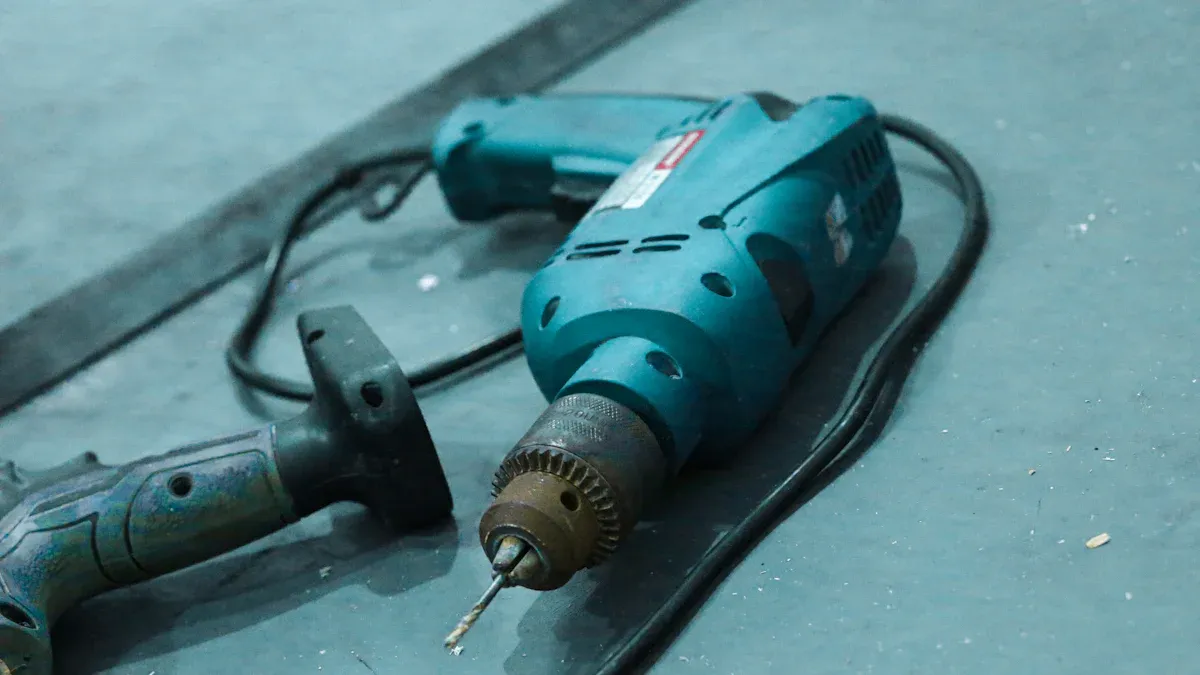
When it comes to solar-powered tools, you have a variety of options that can make your projects easier and more sustainable. Here’s a quick look at some of the most popular types of solar-powered tools you might consider:
Solar-Powered Drills: These tools are perfect for both professionals and DIY enthusiasts. They harness solar energy to power their operations, making them ideal for outdoor projects.
Solar-Powered Saws: Whether you need to cut wood or metal, solar-powered saws can handle the job without relying on traditional electricity.
Solar-Powered Lawn Equipment: From mowers to trimmers, these tools help you maintain your yard while reducing your carbon footprint.
Solar-Powered Generators: These versatile devices can power multiple tools at once, making them a great addition to any job site.
So, how do these solar-powered tools actually work? They utilize photovoltaic (PV) cells to convert sunlight into usable electricity. When sunlight hits a PV cell, it excites electrons in the semiconductor material, creating an electrical charge. This process generates a voltage that powers the tool. It’s a smart way to use renewable energy for your everyday tasks.
In addition to PV cells, solar-powered tools often include energy storage systems. Here are some common methods used to store solar energy:
Battery Storage: Lithium-ion batteries are the most popular choice. They store solar electricity chemically, allowing you to use the power even when the sun isn’t shining.
Thermal Storage: Some tools use materials like molten salts to store energy as heat, which can be converted back into electricity when needed.
Mechanical Storage: This method involves converting excess electricity into mechanical energy, using systems like flywheels.
With these advancements, solar-powered tools are not just a trend; they represent a significant shift towards more sustainable practices in the power tool industry. You can enjoy the benefits of solar power while completing your projects efficiently and responsibly.
Advantages of Solar Power
When you think about solar power, you might picture large panels on rooftops or solar farms. But did you know that solar energy can also transform the power tool industry? Let’s dive into the advantages of using solar-powered tools, focusing on efficiency, cost savings, and their positive environmental impact.
Efficiency and Cost Savings
One of the biggest benefits of solar power is its efficiency. Solar-powered tools can operate without the need for traditional electricity, which means you can use them almost anywhere. Imagine working on a remote job site without worrying about finding an outlet or running extension cords. With solar energy, you can power your tools directly from the sun!
In terms of cost savings, solar-powered tools can significantly reduce your operational expenses. Over a five-year period, the total costs of using solar tools can be much lower than traditional electric or gas-powered tools. Check out this comparison:
Tool Type | Total Cost After 5 Years | Total Operating Cost After 5 Years | Total Hours Labor in 5 Years | Cost of Labor at $10/hr |
|---|---|---|---|---|
Solar Pumps | $2,118 | $0 | 15 | $150 |
Windmill Pumps | $5,175 | $2,425 | 15 | $150 |
Generator | $10,350 | $0 | 75 | $750 |
Grid | $10,400 | $3,650 | 530 | $5,300 |
As you can see, solar pumps not only have a lower total cost but also eliminate operating costs entirely. This means more money stays in your pocket!
Switching to solar-powered tools can save you money annually. Homeowners can save an average of $1,530 per year on their energy bills after installing a solar system. Over 25 years, that adds up to around $61,000 in savings. Imagine what you could do with that extra cash!
Environmental Impact
The environmental impact of solar power is another compelling reason to consider these tools. By using solar energy, you reduce your reliance on fossil fuels, which helps decrease greenhouse gas emissions. This shift contributes to a cleaner environment and supports sustainable building practices.
Solar-powered tools also promote sustainability by minimizing waste. Traditional tools often require batteries that can harm the environment when disposed of improperly. In contrast, solar tools typically use rechargeable batteries that last longer and can be recycled more easily.
Applications in Construction
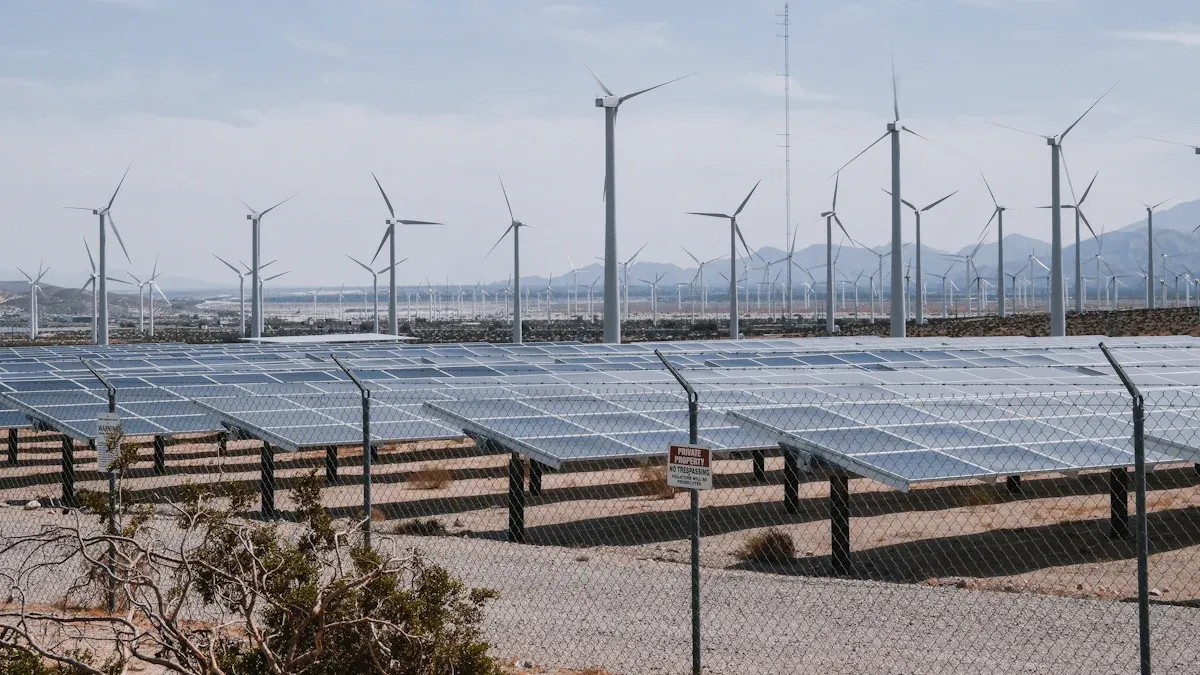
When it comes to the construction industry, solar-powered construction tools are making a significant impact. These tools are not just a trend; they are becoming essential for modern construction practices. Let’s explore how these tools are applied in various settings.
Construction Sites
On construction sites, solar power is revolutionizing how you approach energy needs. You can power everything from heavy equipment to small tools without relying on traditional electricity sources. Here are some common applications of solar-powered tools on construction sites:
Powering homes and shop lights
Heating and cooling systems
Heavy equipment like front end loaders and excavators
Charging small equipment such as lawnmowers and handheld tools
Overnight storage and recharging for ATVs and golf carts
Keeping diesel-powered equipment ready in cold climates
Using solar-powered construction tools allows you to work efficiently, especially in remote areas where grid connection is expensive or impossible. These tools operate independently, utilizing solar panels and batteries to provide a sustainable alternative to diesel generators. They reduce operational costs and environmental impact, making them a smart choice for any project.
Landscaping and Gardening
Solar-powered tools are also transforming landscaping and gardening tasks. Imagine maintaining your garden with tools that harness the sun’s energy! Here are some benefits of using solar-powered tools for these tasks:
Benefit | Description |
|---|---|
Cost Savings | Energy from the sun is free, significantly lowering operational costs over time. |
Portability | Designed for easy transport, allowing use in various locations around the garden. |
Silent Operation | Operates quietly, preserving the natural ambiance and not disturbing wildlife. |
Reliable Power | Provides a steady power supply, even during cloudy weather or at night. |
Using solar-powered gardening tools can also impact maintenance costs for large-scale landscaping projects. Electric tools eliminate costs associated with gas, oil, and tune-ups, leading to lower overall maintenance expenses. While batteries for electric tools can be pricey, proper care can extend their lifespan to 3-7 years, reducing replacement frequency. Research shows that over five years, electric lawn mowers can save money compared to gas-powered mowers, highlighting their cost-effectiveness.
Advancements in Solar Power Technology
As solar power technology evolves, you can expect exciting advancements that enhance the performance and usability of solar-powered tools. Let’s explore some of the latest innovations in battery and panel technology, as well as how these systems integrate with existing tools.
Battery and Panel Improvements
Recent innovations in solar panel technology have led to significant improvements in efficiency and cost-effectiveness. For instance, perovskite panels are gaining attention for their higher efficiency at lower costs compared to traditional silicon panels. Oxford PV has even achieved a record efficiency with their perovskite-on-silicon tandem solar cells, boasting a theoretical maximum efficiency exceeding 43%. This is a remarkable leap from the less than 30% efficiency of conventional silicon solar cells.
When it comes to batteries, advancements are also impressive. Here’s a quick look at some of the latest battery technologies that extend the runtime of solar-powered tools:
Battery Technology | Key Benefits |
|---|---|
Solid-State Batteries | 2-3 times the energy density of current lithium-ion technology, leading to longer runtimes and lighter packs. |
Silicon-Anode Batteries | 40% higher capacity, enhancing the operational time of premium tools. |
Thermal Management Systems | Extends battery performance across wider temperature ranges, improving efficiency. |
Modular Battery Architectures | Allows selective replacement of degraded cells, enhancing longevity and usability. |
These advancements in battery storage mean you can work longer without interruptions, making your solar-powered tools even more reliable.
Integration with Existing Tools
Integrating solar technology with existing power tools presents some challenges. Here are a few key hurdles:
Challenge Type | Description |
|---|---|
Technical Complexity | Involves barriers related to the electrical design of solar systems, requiring additional contractors for design and installation, thus increasing costs and complexity. |
Expertise Shortage | There is a lack of trained professionals in solar technology, making it difficult for architects and installers to adopt these systems effectively. |
Certification Issues | Customized solar products require new certifications, complicating the installation process and limiting design flexibility for architects. |
Permitting Challenges | Inconsistent standards for permitting create confusion and hinder the integration of solar systems into existing designs. |
Performance | Lower efficiencies and reduced energy yields due to tool orientation can lead to higher costs and longer payback periods, discouraging end users from adopting solar systems. |
Despite these challenges, the push for solar technology integration continues. As innovations unfold, you can expect more seamless solutions that enhance the usability of solar-powered tools.
Trends in Sustainability
As you explore the world of solar-powered tools, you’ll notice a significant shift towards sustainability. This trend is not just a passing phase; it’s reshaping the market and influencing consumer choices. Let’s dive into the current trends in sustainability within the solar power tool industry.
Market Growth
The market for solar-powered tools is booming! Experts project that the solar power meter market will grow at a compound annual growth rate (CAGR) of 10.7% from 2025 to 2030. This growth reflects a broader acceptance of renewable energy solutions in everyday applications.
Here’s a quick look at regions leading the charge in adopting solar-powered tools:
Region | Market Share | Key Drivers |
|---|---|---|
North America | 31.4% | Consumer inclination towards sustainable technologies, government support, high spending on smart home devices. |
Europe | 27.6% | Environmental regulations, strong sustainability culture, increasing electricity costs. |
Asia-Pacific | 29.8% | Large-scale manufacturing, rising disposable incomes, government-led solar programs. |
Consumer Preferences
You might wonder what’s driving consumers to choose solar-powered tools. Several factors are at play:
Government support and incentives, like tax credits and grants, encourage the adoption of solar energy.
Significant cost reductions in solar technology have made it more accessible. Prices of photovoltaic systems have dropped nearly 90% over the past decade!
Growing environmental concerns push people to seek cleaner energy sources. Solar power is recognized as a key solution to reduce carbon footprints.
However, some barriers still exist. The initial investment for solar equipment can be higher, with costs for solar-compatible tools being 30-40% more than standard models. Additionally, performance can vary based on weather conditions, which may deter some consumers.
As you can see, the trends in sustainability are shaping the future of the power tool industry. With increasing market growth and evolving consumer preferences, solar-powered tools are becoming a viable option for many.
Solar power is changing the game for the power tool industry. With benefits like lower operational costs, reduced environmental impact, and improved efficiency, solar-powered tools are becoming a smart choice for many. Here are some key takeaways:
Cost Savings: You can save money on fuel and maintenance over time.
Sustainability: These tools help lower your carbon footprint and support green building practices.
Performance: Solar-powered tools often outperform traditional options in various conditions.
As technology advances, the future looks bright for solar-powered tools. Consider making the switch to enjoy these benefits and contribute to a more sustainable world!
