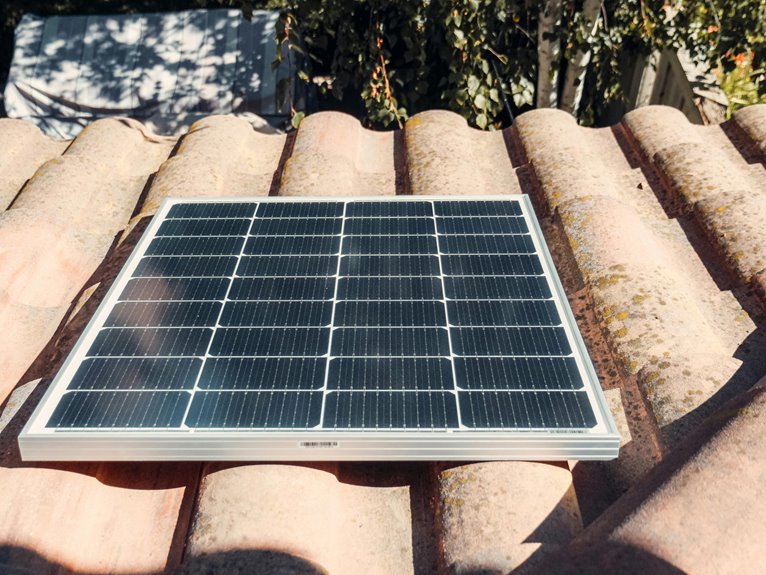
Living off the grid means you need a reliable power source, and that’s where solar batteries shine. They store energy from the sun, giving you the freedom to live independently. With an estimated 7 billion people worldwide exploring off-grid living, the demand for sustainable solutions is on the rise.
Consider the benefits of solar energy storage:
Achieve energy independence
Cut costs significantly
Lower your carbon footprint
By choosing solar batteries, you can enjoy a more sustainable and cost-effective lifestyle while keeping your home powered during outages.
Key Takeaways
Select the right type of solar battery to match your energy needs for optimal performance.
Regular maintenance of solar batteries extends their lifespan and ensures reliable energy supply.
Investing in solar energy storage can lead to significant savings on energy bills and enhance your independence.
Understanding your energy consumption helps in sizing your solar battery system effectively.
Using solar batteries contributes to a cleaner environment by reducing reliance on fossil fuels.
Solar Battery Types

When it comes to off-grid living, choosing the right solar battery is crucial. Let’s explore three popular types: lithium-ion batteries, lead-acid batteries, and portable solar batteries. Each has its unique advantages and fits different needs.
Lithium-Ion Batteries
Lithium-ion batteries, particularly lithium iron phosphate (LiFePO4), are leading the market for off-grid living. They offer impressive efficiency and longevity, making them a top choice for many. These batteries can last between 15 to 20 years and have a round-trip efficiency of over 95%. This means you get more usable energy from them compared to other types.
Battery Chemistry | Lifespan (Years) | Typical Round Trip Efficiency |
|---|---|---|
Lithium Iron Phosphate (LiFePO4) | 15–20 | 95%+ |
You’ll find that lithium-ion batteries perform well even in extreme weather conditions. For instance, they can handle temperatures above 0°C without significant capacity loss. However, as temperatures drop, their performance can decline. Here’s a quick look at how they fare in various temperature ranges:
Temperature Range | Charging Rate Limit | Capacity Loss |
|---|---|---|
Above 0°C | Up to 1C | Minimal loss |
0°C to -10°C | Max 1C | Reduced capacity |
-10°C to -20°C | Max 0.05C | Significant loss |
Below -30°C | Not recommended | 50% capacity |
Below freezing | 5-10% of capacity | 20% capacity loss |
Lead-Acid Batteries
Lead-acid batteries have been around for a long time and are still a common choice for solar energy systems. They are generally less expensive upfront but come with some drawbacks. Their lifespan is shorter, typically around 2,000 cycles, and they have a round-trip efficiency of about 80-85%.
Battery Type | Average Cost/kWh | Lifespan (Cycles) | Efficiency | Maintenance | Typical Use |
|---|---|---|---|---|---|
Lead-Acid | $400–$600 | 2,000 | 75% | High | Off-grid or backup |
While lead-acid batteries can be reliable, they require more maintenance than lithium-ion options. They also contain toxic materials like lead, which can pose environmental risks if not disposed of properly. In contrast, lithium-ion batteries are less hazardous and have a lower overall environmental footprint.
Portable Solar Batteries
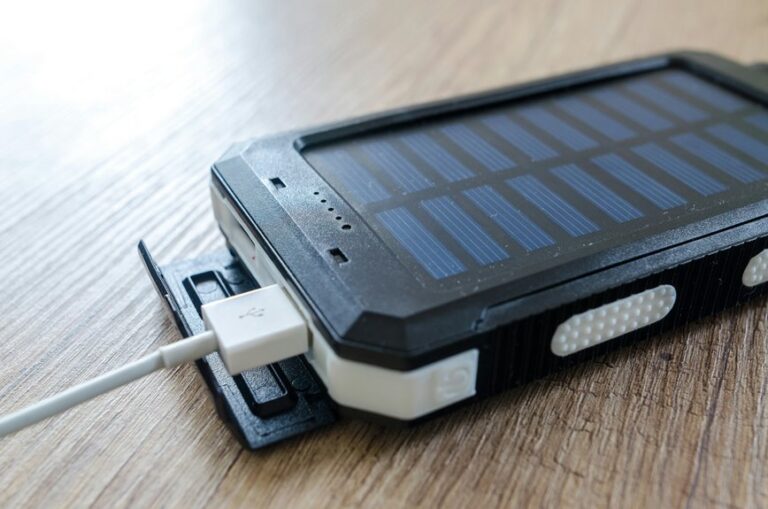
If you’re looking for flexibility, portable solar batteries might be your best bet. These batteries are designed for easy transport and can power your devices during camping trips or emergencies. Brands like Jackery, Bluetti, and EcoFlow offer various models with energy capacities ranging from 45W to 420W.
Brand | Energy Capacity Range | Portability Features | Additional Notes |
|---|---|---|---|
Jackery | N/A | High-efficiency solar panels, user-friendly design, durable construction | Focus on outdoor adventurers and emergency power backup. |
Bluetti | 120W to 420W | Foldable solar panels, robust ETFE coating, IP65/IP67 durability | Modular designs for off-grid and emergency energy access. |
EcoFlow | 45W to 400W | Bifacial solar panels, weather resistant, plug and play compatibility | Ideal for camping and off-grid charging. |
User reviews highlight their effectiveness in emergency situations. For example, the Jackery Explorer 2000 Plus kept a router running for hours during a power outage. This reliability makes portable solar batteries a great option for temporary off-grid living.
Benefits of Solar Energy Storage
When you think about off-grid living, the benefits of solar energy storage become clear. Let’s dive into some key advantages that make solar batteries a smart choice for your energy needs.
Cost-Effectiveness
One of the biggest draws of solar energy storage is its cost-effectiveness. By investing in solar batteries, you can save significantly on your energy bills. Households using solar batteries for off-grid energy storage report savings between $20 and $30 per kWh of storage capacity annually. This means that over time, your initial investment pays off, allowing you to enjoy lower energy costs.
You can reduce your reliance on expensive grid electricity.
Solar batteries help you maximize your self-consumption of solar power, which means you use more of the energy you generate.
The savings add up, making solar battery storage a financially sound solution for your home.
Energy Independence
Imagine having the freedom to generate and store your own energy. Solar batteries provide just that. They allow you to store excess energy generated during sunny days, giving you power when you need it most. This leads to greater energy independence, as you rely less on external power sources.
With solar batteries, you can operate your home without depending on fossil fuels.
You gain a reliable energy supply, especially during periods without sunlight.
This independence enhances your overall energy security, making your off-grid living experience more sustainable.
Solar batteries address this timing problem directly. By shifting solar energy into the evening peak, they reduce fossil ramping and lower the carbon intensity of electricity at the hours that matter most.
Environmental Impact
Using solar batteries not only benefits your wallet but also the planet. By reducing reliance on fossil fuels, you contribute to a cleaner environment. Here are some environmental benefits of solar battery storage:
Solar batteries significantly lower pollution levels and greenhouse gas emissions.
They provide a sustainable energy source by storing excess solar energy for use during non-sunny periods.
By enhancing the reliability of renewable energy, solar batteries encourage broader adoption and reduce dependence on traditional energy sources.
They alleviate strain on the power grid during peak demand, contributing to energy security and reducing the likelihood of outages.
Many solar batteries are designed with recyclable materials, minimizing their ecological footprint compared to traditional batteries.
How to Store Energy Efficiently
When it comes to off-grid living, storing energy efficiently is key to maximizing your solar energy storage system. You want to ensure that your batteries meet your energy needs without wasting resources. Let’s break down how to assess your energy needs and the best practices for battery placement.
Assessing Energy Needs
Before you choose a solar battery system, you need to understand your energy consumption. Here are some steps to help you assess your energy needs:
Review your electricity bills to determine average daily energy consumption.
Consider seasonal variations in energy use.
Identify peak usage times for appliances.
Plan for battery autonomy, aiming for at least three days of stored energy.
Account for future energy needs, such as new appliances or electric vehicles.
Use online tools and calculators to estimate energy requirements.
By following these steps, you can get a clearer picture of how much energy you need to store. Understanding your energy consumption patterns is crucial for accurately sizing your solar battery bank. For example, if you have a refrigerator that uses 200 watts and runs for about 8 hours a day, that’s 1,600 watt-hours (Wh) of energy. Here’s a quick look at how different appliances contribute to your daily energy needs:
Appliance | Average Power (Watts) | Estimated Daily Use (Hours) | Daily Energy (Wh) |
|---|---|---|---|
Refrigerator | 200 W | 8 hours (cycling) | 1600 Wh |
LED Lights (5 bulbs) | 50 W | 6 hours | 300 Wh |
Wi-Fi Router | 10 W | 24 hours | 240 Wh |
Laptop Charging | 65 W | 4 hours | 260 Wh |
Total Critical Load | – | – | 2400 Wh or 2.4 kWh |

This total helps you determine the capacity of the battery storage you’ll need.
Battery Placement Tips
Proper battery placement is essential for maximizing efficiency and safety. Here are some best practices to consider:
Ventilation: Ensure adequate airflow to regulate battery temperature and prevent overheating.
Ambient Temperature: Avoid extreme temperatures that can affect battery performance.
Sunlight Exposure: Keep batteries shaded to prevent excessive heat gain.
Distance to Inverter: Minimize cable length to reduce voltage drop and enhance efficiency.
Fire Safety Compliance: Adhere to local fire safety regulations regarding placement.
Moisture Risks: Be cautious of moisture, especially in basements or outdoor installations.
Maintenance Access: Provide sufficient space for servicing and monitoring.
Structural Suitability: Ensure the installation area can support the battery’s weight.
Batteries perform best in a controlled environment. Extreme temperatures can negatively affect performance and shorten lifespan. Here’s a quick checklist for battery placement:
Indoor installation in climate-controlled spaces (ideal)
Garage installation with adequate ventilation (good)
Outdoor installation with thermal management systems (acceptable)
Avoid: Direct sunlight, unventilated spaces, extreme temperature locations
By assessing your energy needs and placing your batteries correctly, you can ensure that your solar energy storage system operates efficiently. This will help you enjoy a reliable power supply while living off the grid.
Maintenance for Solar Batteries
Maintaining your solar batteries is crucial for ensuring they perform well and last long. Regular checks and cleaning can prevent issues and keep your energy storage system running smoothly. Here’s what you need to know about maintaining your batteries.
Regular Maintenance Checks
To keep your solar energy storage system in top shape, perform these essential maintenance tasks:
Maintenance Task | Description |
|---|---|
Monitor Battery Health | Essential for ensuring batteries are functioning properly and not causing energy shortages. |
Use Distilled Water | Important for topping off batteries; tap water can cause damage. |
Avoid Deep Discharges | Discharging below 50% frequently can reduce battery lifespan. |
Clean Batteries | Wiping with a dry cloth prevents leakage currents caused by dirt and moisture. |
Maintain Optimal Conditions | Keeping batteries in a cool, dry, and ventilated area enhances performance and lifespan. |
Regular Inspections | Routine checks help in identifying issues early and maintaining battery health. |
Monitor Voltage Levels | Ensures batteries are charged properly and functioning at optimal levels. |
Maintain Electrolyte Levels | Particularly for lead-acid batteries, this is crucial for their longevity. |
Set Reminders for Maintenance Checks | Helps you stay on track with routine maintenance to ensure optimal performance. |
By following these steps, you can significantly extend the life of your batteries and ensure they provide reliable energy for your off-grid living needs.
Troubleshooting Common Issues
Even with regular maintenance, you might encounter some issues with your solar batteries. Here are some common problems and how to troubleshoot them:
Performance Decline: If you notice a drop in performance, it could be due to battery deterioration. Regular maintenance can help prevent this.
Voltage Drops: Rapid voltage drops or shorter runtimes may indicate potential battery issues. Check your connections and battery health.
State of Charge (SOC) Inaccuracies: If SOC readings seem unreliable, fully charge the battery bank to recalibrate the Battery Management System (BMS).
Poor Performance at Night: Analyze your loads to identify undersized battery banks, degraded capacity, or phantom loads that may be draining energy.
By keeping an eye on these common issues, you can address problems early and maintain the efficiency of your solar energy storage system.
Remember, taking care of your batteries not only ensures they last longer but also helps you enjoy uninterrupted energy supply while living off the grid.
In summary, solar batteries play a vital role in off-grid living. They provide energy storage, enhance independence, and contribute to a sustainable lifestyle. Here are some key takeaways:
Choose the right battery type for your needs.
Regular maintenance ensures longevity and efficiency.
Investing in solar technology can significantly improve your quality of life.
As John Smith from Sustainable Energy Solutions says, “Investing in the right battery can make or break your off-grid experience.” So, consider your options and embrace the benefits of solar energy storage for a brighter, more sustainable future.