

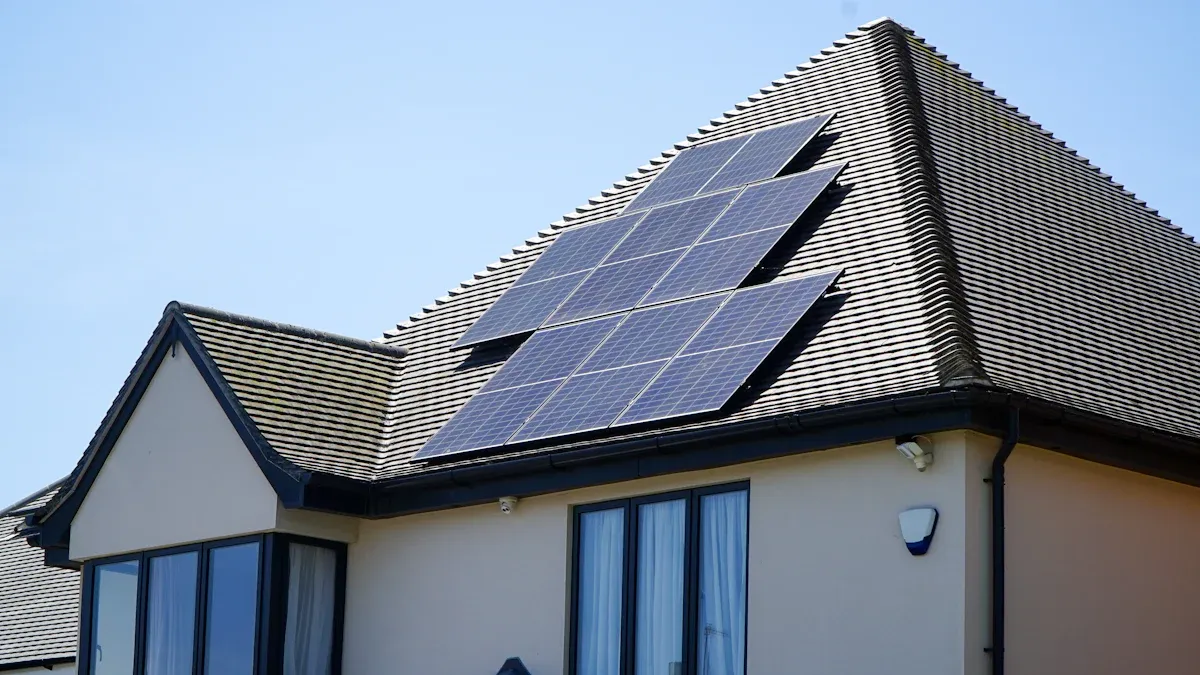
Properly sizing a solar generator is crucial for meeting your energy needs. A well-sized solar generator can provide reliable power during outages and reduce your reliance on traditional energy sources. Solar energy offers numerous benefits, including lower greenhouse gas emissions and improved air quality. However, many homeowners make mistakes when trying to properly size a solar generator. Common errors include:
Underestimating power requirements.
Ignoring battery specifications.
Overlooking charging flexibility.
Neglecting expandability options.
Prioritizing price over value.
Avoiding these pitfalls can help you enjoy the full advantages of solar energy for your home.
What is a Solar Generator?
Definition
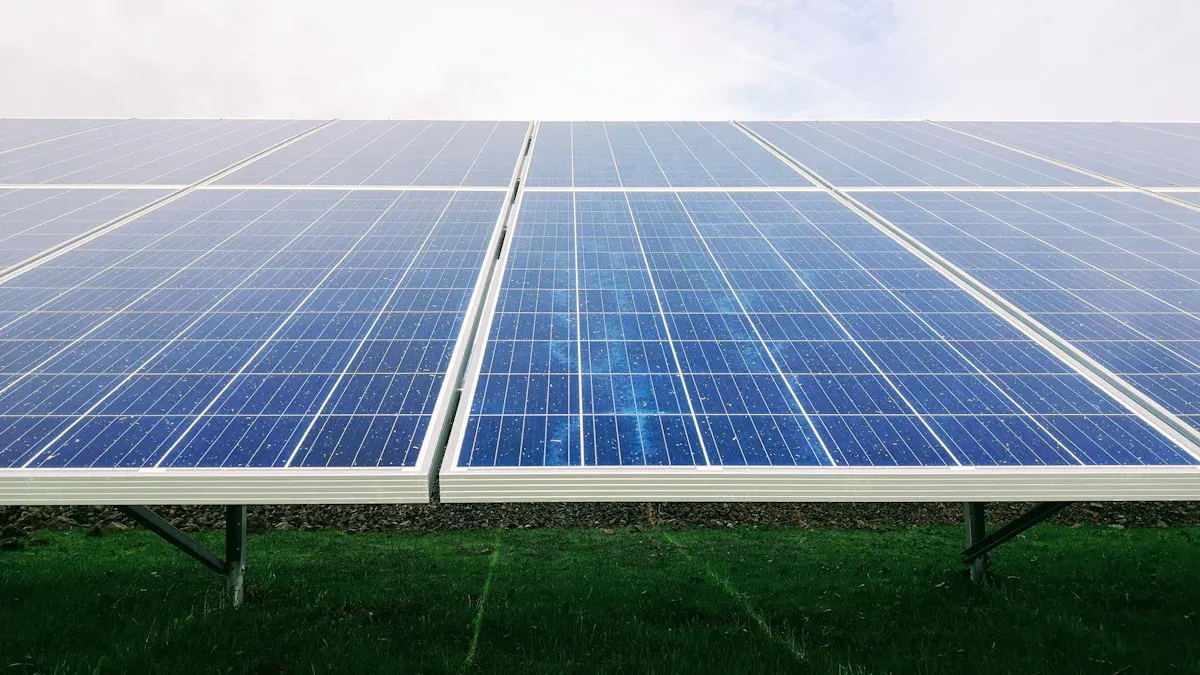
A solar generator is a device that converts sunlight into electricity. It typically includes solar panels, a battery, and an inverter. The solar panels capture sunlight and convert it into direct current (DC) electricity. The inverter then changes this DC electricity into alternating current (AC) electricity, which you can use to power your home appliances. Solar generators are an excellent choice for providing backup power during outages or for off-grid living.
Types of Solar Generators
You can find various types of solar generators on the market, each designed for different needs. Here’s a comparison of some popular models:
Model | Battery Capacity (Wh) | Inverter Output (W) | Battery Type / Life Cycles | Max Solar Input (W) | Charging Speed (AC/Solar) | Expandability | Ports (AC/DC/USB) | Weight (lbs) | Safety Features | Best For |
|---|---|---|---|---|---|---|---|---|---|---|
Jackery Explorer 2000 Plus | 2042.8 | 3000 (6000 surge) | LiFePO4 / 4000+ | 1400 | 2 hrs / 2 hrs | Yes | 3/3/4 | 61.5 | App, ChargeShield, BMS | Essentials, RV, backup |
EcoFlow DELTA Pro 3 | 3600 | 3600 (7200 surge) | LiFePO4 / 6500+ | 1600 | 1.1 hrs / 1.7 hrs | Yes | 5/2/6 | 99 | BMS, smart home integration | Whole-home backup |
Bluetti Elite 200 V2 | 2048 | 2200 (4800 surge) | LiFePO4 / 6000+ | 1200 | 1.5 hrs / 2.5 hrs | Limited | 4/2/4 | 61 | BMS, shock resistance | Essentials, small homes |
BSLBATT Energipak 3840 | 3840 | 3600 (USA/EU) | LiFePO4 / 4000+ | 2000 | 2 hrs / 2.5 hrs | Yes | 4/3/4+ | 88 | 21-sensor BMS, UPS <10ms | High-demand, versatile |
Anker SOLIX C300 | 288 | 300 (600 surge) | LiFePO4 / 3000+ | 200 | 1.1 hrs / 2 hrs | No | 1/2/4 | 6.17 | BMS, built-in lantern | Emergency, travel |
These models vary in battery capacity, inverter output, and features. Choosing the right solar generator depends on your specific energy needs and how you plan to use it.
By understanding what a solar generator is and the types available, you can make an informed decision that best suits your home energy requirements.
Key Factors to Properly Size a Solar Generator
Average Energy Consumption
Understanding your average energy consumption is essential when sizing a solar generator. Energy consumption varies based on several factors, including climate, home size, and occupancy. For example, homes in southern states often consume more energy due to longer cooling seasons and larger sizes. In contrast, homes in northeastern states typically use less energy because of milder summers and smaller average sizes.
To estimate your average energy consumption, consider the following:
Energy consumption varies by region:
Southern states may require more energy for air conditioning.
Northeastern states often rely on natural gas for heating, reducing electricity needs.
Average monthly consumption:
A 1,000 sq ft home uses about 490 kWh.
A 1,500 sq ft home consumes around 735 kWh.
A 2,500 sq ft home may use approximately 1,225 kWh.
By calculating your average energy consumption, you can better determine the appropriate solar generator size to meet your energy needs.
Appliance Wattage
Next, you need to assess the wattage of the appliances you plan to power. Each appliance has a specific wattage requirement, which contributes to your overall power needs. Here’s a quick reference for common household appliances:
Appliance Type | Wattage Range |
|---|---|
Space Heaters | 1500 – 2500 watts |
Larger Heaters | 5000 watts or more |
When sizing your solar generator, add up the wattage of all appliances you intend to use simultaneously. This total will help you understand the power requirements necessary to run your home efficiently.
Peak vs. Continuous Power
Understanding the difference between peak and continuous power is crucial for selecting the right solar generator.
Power Type | Description | Importance in Selection |
|---|---|---|
Continuous Power | The amount of energy a solar generator can provide consistently. | Determines how long devices can run on a single charge. |
Peak Power | The maximum energy a generator can deliver in a short burst. | Essential for starting devices that require a surge of power, often much higher than continuous power. |
You must consider both power types when sizing your solar generator. Continuous power ensures that your devices run smoothly, while peak power is vital for starting appliances like refrigerators or air conditioners.
By evaluating your average energy consumption, appliance wattage, and understanding peak versus continuous power, you can accurately size a solar generator that meets your home’s energy needs. This careful assessment will help you avoid the pitfalls of undersizing or oversizing your solar generator, ensuring efficiency and reliability.
Step-by-Step Guide to Sizing
Calculating Total Wattage Needs
To size your solar generator accurately, you must first calculate your total wattage needs. Follow these steps:
Check Appliance Ratings: Look at the nameplates or rating plates of your appliances. Find their running and starting wattage. This information is crucial for understanding how much power you need.
Calculate Missing Ratings: If you cannot find the power rating, use the formula:
Power (W) = Voltage (V) x Current (A)This calculation helps you determine the wattage for appliances without clear labels.
Sum Running Wattage: Add up the running wattage of all appliances you plan to use simultaneously. This total gives you the continuous power requirement.
Identify Peak Wattage: Find the appliance with the highest starting wattage. Add this value to your total running wattage. This step ensures that your solar generator can handle the initial surge of power when appliances start.
By following these steps, you can determine the total wattage needed for your home. Remember, understanding your total wattage needs is essential for selecting the right solar-powered generator.
Daily Watt-Hours Calculation
Next, you need to calculate your daily watt-hours to understand how much energy you consume. Here’s how to do it:
Estimate Usage Hours: Estimate how many hours per day each appliance runs. You can keep a log of actual usage or make a rough estimate based on your habits.
Find Appliance Wattage: Check the wattage of each appliance. You can find this on the appliance label, calculate it from amperes and voltage, or use online resources.
Calculate Daily Energy Consumption: Use the formula:
(Wattage × Hours Used Per Day) ÷ 1000 = Daily Kilowatt-hour (kWh) consumptionThis calculation gives you the daily energy consumption for each appliance.
Calculate Annual Energy Consumption: Multiply your daily kWh consumption by the number of days you use the appliance each year. This step helps you understand your yearly energy needs.
Estimate Annual Cost: To find out how much it costs to run an appliance annually, use the formula:
Annual energy consumption × utility rate per kWh = annual cost to run appliance
By calculating your daily watt-hours, you gain insight into your energy consumption patterns. This information is vital for sizing your solar generator capacity effectively.
Common Calculation Errors
While sizing your solar generator, be aware of common calculation errors:
Overlooking Phantom Loads: These are idle draws from inverters and plugged-in chargers that can drain your battery.
Overestimating Sunlight Hours: Actual output can be lower than predicted due to weather conditions and seasonal variations.
Ignoring Temperature Effects: Extreme temperatures can reduce battery capacity significantly.
By avoiding these pitfalls, you can ensure that your solar generator meets your energy needs effectively.
Practical Considerations for Solar Generators
Battery Capacity
Battery capacity plays a vital role in determining how long your solar generator can provide power during a power outage. You should consider the following recommendations based on different household energy usage profiles:
System Type | Recommended Battery Capacity (kWh) |
|---|---|
Off-grid | ~30 kWh for one-day emergency backup |
Hybrid | ~10 kWh (e.g., Tesla Powerwall) |
Grid-tied | Requires separate backup solutions |
Off-grid systems need significant storage due to their reliance on batteries for energy. Hybrid systems can function with less storage since they connect to the grid. Understanding your battery capacity helps you manage electricity usage effectively, maximizing backup duration.
Recharge Time
Recharge time is another critical factor to consider. It depends on several factors, including:
Factor | Description |
|---|---|
Solar Panel Wattage | Higher wattage panels produce more electricity, speeding up charging times. |
Conversion Efficiency | The percentage of sunlight converted into usable electricity affects overall energy capture. |
Battery Storage Capacity | Different battery types (e.g., lithium-ion vs. lead-acid) impact charging times and efficiency. |
Sunlight Exposure | Direct sunlight enhances panel efficiency; weather conditions can reduce energy production. |
You should evaluate these factors to ensure your solar generator recharges efficiently. This knowledge helps you plan for energy needs during cloudy days or winter months.
Portability and Installation
When choosing a solar generator, consider its portability and installation requirements. Here are some key points:
Household Electrical Needs: Assess your home’s electricity consumption to determine the number of solar panels required.
Sunlight Exposure and Climate: Evaluate how much sunlight your location receives and how climate affects solar panel efficiency.
Panel Location: Choose an optimal location for solar panels to maximize sunlight exposure, typically on rooftops.
System Type: Decide between grid-connected and standalone systems based on your energy needs and preferences.
Attempting to install solar panels yourself can lead to safety hazards and compliance issues. Professional installation often includes warranties that cover both equipment and labor, ensuring peace of mind regarding your system’s performance.
By considering battery capacity, recharge time, and installation factors, you can make informed decisions about your solar generator. This knowledge will help you create a reliable home backup power solution.
Understanding your energy needs is vital when sizing a solar generator for your home. By calculating your average energy consumption and appliance wattage, you can make informed decisions. Here are some key takeaways:
Assess your power requirements by calculating peak and continuous wattage demands.
Consider the types of appliances you plan to power and their energy consumption.
Properly sized solar generators can lead to significant long-term savings compared to traditional backup sources.
Aspect | Solar Generator | Diesel Generator |
|---|---|---|
Initial Cost | $4,000 | Varies |
Annual Fuel Cost | $0 | $1,500 |
Break-even Point | < 3 years | N/A |
10-Year Savings | $15,000 | Subject to market volatility |
Efficiency | High (depends on sunlight) | Lower (fuel dependent) |
Take the next steps in your solar journey. Explore options, calculate your needs, and enjoy the benefits of renewable energy!
FAQ
What size solar generator do I need for my home?
To determine the size, calculate your total wattage needs and daily watt-hours. Consider the appliances you plan to power and their energy consumption.
How long will a solar generator last during a power outage?
The duration depends on your battery capacity and energy consumption. A larger battery can provide power for longer periods, especially if you manage usage wisely.
Can I use a solar generator for my entire home?
Yes, but it depends on the generator’s capacity and your home’s energy needs. Ensure your generator can handle peak and continuous power requirements.
How do I maintain my solar generator?
Regularly check battery health, clean solar panels, and ensure connections are secure. Follow the manufacturer’s guidelines for optimal performance.
Are solar generators worth the investment?
Yes, they can save you money on energy bills and provide reliable backup power. They also reduce your carbon footprint, making them an eco-friendly choice.
