


Living off the grid can be a thrilling adventure, but it comes with its own set of challenges. Having the right gear is crucial for successful homesteading. The right tools and equipment can make daily tasks easier and ensure you stay self-sufficient. When you invest in quality Off-Grid Gear, you empower yourself to tackle everything from food production to water management. Embracing off-grid living means you’ll need to be prepared, so gear up and get ready for an enriching experience!
Key Takeaways
Invest in quality gardening tools like shovels and wheelbarrows to enhance your gardening efficiency and productivity.
Implement effective irrigation methods, such as drip irrigation and rainwater harvesting, to conserve water and support healthy plant growth.
Equip yourself with essential maintenance tools, including a pry bar and hydraulic jack, to handle repairs and upkeep on your homestead.
Prioritize water filtration systems to ensure access to clean drinking water, protecting your health while living off the grid.
Learn food preservation techniques like canning and drying to store food safely and maintain its nutritional value without electricity.
Gardening Gear

Gardening is at the heart of homesteading. With the right gardening gear, you can grow your own food and become more self-sufficient. Let’s dive into the essential tools and irrigation solutions that will help you cultivate a thriving garden.
Hand Tools
When it comes to gardening, having the right hand tools makes all the difference. Here’s a list of essential tools you should consider:
Axe
Double-Wheel Steel Wheelbarrow
San Angelo Bar
5-Gallon Buckets
Scythe
Non-Clogging Leaf Rake
Machete
Pulaski
Pickaxe
Shovel
Come-Along
Heavy-Duty Tow Straps
Extendable Pole Saw
These tools help you tackle various tasks, from clearing land to planting seeds. Each tool serves a unique purpose, enhancing your gardening efficiency. For example, a wheelbarrow allows you to transport soil and plants easily, while a shovel is essential for digging and planting.
Using quality hand tools can significantly impact your gardening experience. They improve productivity and reduce wear on your body. While mechanized tools can save time, hand tools provide a more intimate connection with your garden. You’ll find that careful cultivation and weeding can lead to better crop yields.
Irrigation Solutions
Water is vital for your garden’s success. Implementing effective irrigation solutions can conserve water and ensure your plants thrive. Here are some methods to consider:
Method | Description | Benefits |
|---|---|---|
Rainwater Harvesting | Capturing and storing precipitation for later use. | Eco-friendly, reduces dependence on external sources, cost-effective. |
Greywater Recycling | Reusing water from sinks, showers, and washing machines. | Reduces demand on freshwater sources, sustainable. |
Drip Irrigation | Delivers water directly to plant roots, minimizing evaporation. | Efficient water usage, reduces waste. |
Mulching | Covering soil with organic materials to retain moisture. | Reduces need for frequent watering, conserves soil moisture. |
Water Storage Solutions | Systems to store collected water for future use. | Ensures availability during dry periods, supports sustainable practices. |
Drip irrigation, in particular, is a game-changer. It can improve water efficiency by up to 90%, compared to traditional methods like overhead sprinklers, which only achieve 50% to 70% efficiency. This method allows water to seep slowly into the soil, promoting deeper root systems and healthier plants.
In addition to these methods, consider using organic soil amendments. Creating homemade fertilizers and compost can enhance soil health, improve drainage, and retain moisture. Healthy soil is crucial for sustainable gardening, especially during droughts or heavy rains.
By investing in the right gardening gear and irrigation solutions, you set yourself up for success in your off-grid homesteading journey.
Maintenance Tools
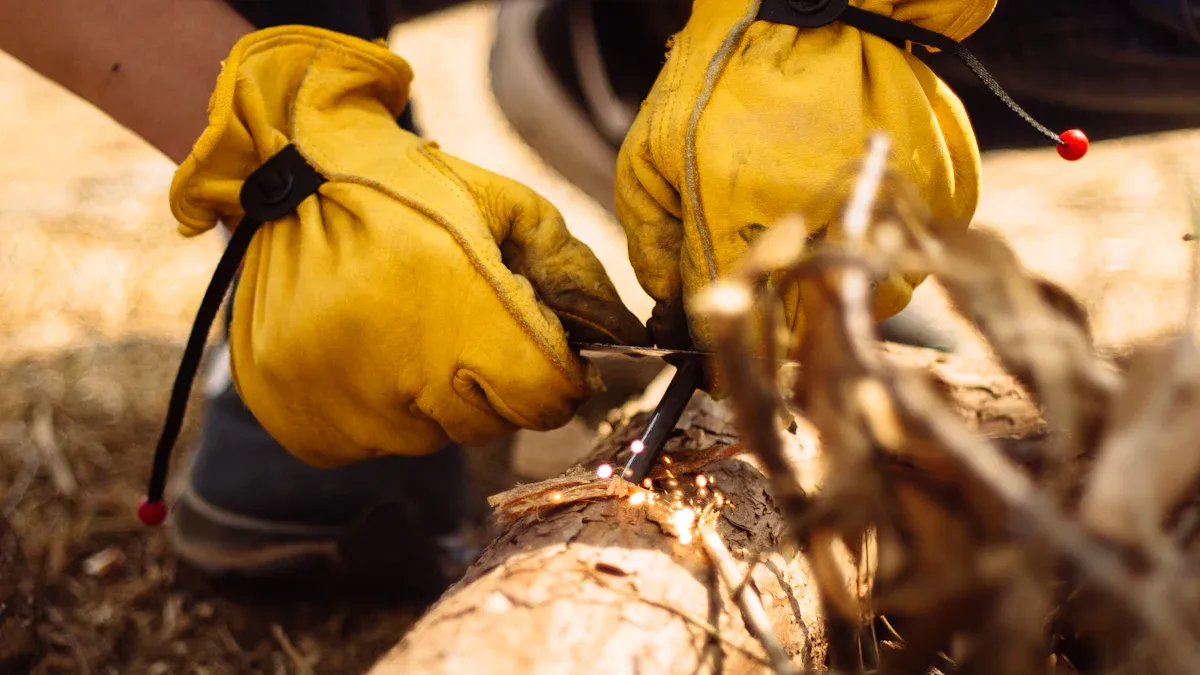
When you live off the grid, having the right maintenance tools is essential for keeping your homestead in top shape. You’ll want to be prepared for repairs and upkeep, so let’s explore the must-have tools and systems that will help you maintain your off-grid lifestyle.
Repair Equipment
Every homesteader needs a solid set of repair tools. Here’s a list of essential tools that can help you tackle various maintenance tasks:
Pry Bar: Great for moving heavy objects and breaking up hardpan clay.
Hydraulic Jack: Useful for lifting heavy items and supporting construction projects.
Mattock: Ideal for clearing brush and leveling ground.
Brush Hook: Perfect for cutting weeds and brush by hand.
These tools will empower you to handle repairs efficiently. Whether you’re fixing a fence or clearing land, having the right equipment makes all the difference.
Water Filtration Systems
Water is crucial for your health and safety, especially when living off the grid. You need to ensure that your water supply is clean and safe to drink. Here are some common water filtration methods and their purposes:
Filtration Method | Purpose |
|---|---|
Filtration | Removes particles from water |
Sedimentation | Allows solids to settle before use |
Disinfection | Ensures safe drinking water through UV purification or chlorine |
Always treat any open body of water as potentially contaminated. You should filter all water to avoid health risks. Failing to do so can lead to serious consequences, especially in remote areas.
Consider using a gravity-fed water filter. This type removes metals, chemicals, and toxins without needing electricity. It’s a reliable solution for off-grid living.
By investing in quality repair tools and effective water filtration systems, you enhance your homesteading experience. You’ll feel more secure knowing you can handle repairs and access clean water whenever you need it.
Survival Gear
When you live off the grid, survival gear becomes your lifeline. It helps you source food, stay warm, and prepare for emergencies. Let’s explore the essential tools you need to ensure your safety and self-sufficiency.
Fire-Making Tools
Fire is crucial for warmth, cooking, and signaling for help. You want reliable fire-making tools that work in any condition. Here are some must-have items:
Magnesium Flint Striker: This tool is durable and reliable, perfect for starting fires in both wet and dry conditions.
Waterproof Matches: Brands like UCO offer stormproof matches that withstand wind and rain, ensuring you can always light a fire.
Tinder: Products like TinderQuick fire-starting tabs or WetFire cubes ignite quickly and burn hot, even in damp conditions.
Lighter: A simple butane lighter, such as a Bic or Zippo, should always be on hand for quick fire starting.
Firestarter Logs: Compact fire starter logs like Coghlan’s Fire Disc can burn for long periods, making them ideal for challenging environments.
These tools not only help you start fires but also enhance your safety during emergencies. For instance, in backcountry emergencies, having reliable fire-starting tools can protect you from hypothermia. You can create signal fires visible to rescue teams, increasing your chances of being found.
Scenario | Impact on Safety and Survival Outcomes |
|---|---|
Backcountry emergencies | Provides reliable fire-starting under adverse weather, critical for warmth and survival against hypothermia. |
Search and rescue operations | Enables creation of signal fires visible to rescue teams, enhancing chances of being located. |
Remote work site emergencies | Ensures consistent fire-starting for worker safety during equipment failures or weather emergencies. |
Hunting and fishing expeditions | Compact and effective fire-starting capability for unexpected survival situations. |
Long-term emergency sheltering | Offers sustainable fire-starting solutions for extended power outages, crucial for resource conservation. |
Hunting and Fishing Equipment
Hunting and fishing are vital skills for off-grid living. They provide a reliable food source and reduce your reliance on grocery stores. Here’s a list of essential equipment you should consider:
Fishing Equipment: Rods, reels, nets, spears, small boats, canoes, traps, and pots.
Fishing Methods: Hook & tackle, purse seining, gill nets, longline, dredging, traps & pots, land fishing (spearfishing).
Hunting Techniques: Baiting, battue, blind hunting, calling, driving, flushing, persistence hunting, stalking & tracking, trapping.
Using these tools not only helps you gather food but also teaches you valuable survival skills. For example, hunting various game like rabbit and moose ensures you have a steady food supply. Many homesteaders fill their freezers with meat, preparing for shortages. Fishing in local lakes adds another layer of food security, especially during winter months.
Moreover, wild game often offers more nutrients than store-bought meat. Venison, for instance, is high in iron and lower in fat than beef, contributing to a healthier diet. By mastering these skills and using the right equipment, you enhance your self-sufficiency and resilience in off-grid living.
Food Preservation Gear
When it comes to preserving food without electricity, you have several effective methods at your disposal. These techniques not only help you store food for longer but also maintain its nutritional value. Here are some popular methods you can use:
Canning: This method works well for acidic fruits like sour cherries, peaches, and blueberries. You can also can pickles, chutneys, and low-acid foods such as corn and beans.
Drying: Drying or dehydrating foods is one of the oldest preservation techniques. It removes moisture, making it harder for bacteria to grow. To successfully dry produce, temperatures should be above 85°F with humidity below 60%. A solar dehydrator can be a great tool for this.
Root Cellaring: This traditional method uses cool, humid conditions to store crops effectively. It helps maintain the quality and nutritional value of your food.
Canning Supplies
To get started with canning, you’ll need some essential supplies. Here’s a list of what you should have:
Water bath canner for high-acid foods (like jams and pickles)
Pressure canner for low-acid foods (like vegetables and meats)
Canning jars, new lids, and rings
Jar lifter and funnel
Using high-quality canning supplies is crucial. They provide reliable seals to prevent spoilage and ensure your preserved foods remain safe for consumption.
Non-Electric Cooking Gear
Cooking off-grid requires some handy tools that don’t rely on electricity. Here are some effective options:
Appliance | Description |
|---|---|
Wood cookstove | Provides a sustainable cooking method independent of gas or power. |
Solar oven | Uses sunlight for cooking, perfect for warm days. |
Manual meat grinder | Grinds meat for sausages and hamburgers, requiring muscle to turn the crank. |
Food mill | Strains soft foods like apples and tomatoes, removing skins and seeds. |
Using these non-electric cooking tools not only fosters energy independence but also enhances your resilience. You can prepare satisfying meals without relying on the electric grid.
By investing in the right food preservation gear, you ensure that your homesteading efforts yield delicious and nutritious results all year round.
Being well-equipped for homesteading is vital for your success and peace of mind. The right gear not only helps you cultivate food and manage resources but also boosts your self-reliance. For instance, after Hurricane Ian, off-grid residents showcased their self-sufficiency by maintaining power and access to food and water. This highlights how essential gear can make a difference during emergencies.
Moreover, tools like solar power arrays and satellite dishes improve your daily living conditions. They enable you to operate appliances and stay connected, enhancing your overall experience. With the right equipment, you can enjoy a healthier lifestyle, save money, and strengthen your bond with the community and environment. So gear up, and embrace the rewarding journey of off-grid living!
FAQ
What is off-grid living?
Off-grid living means being self-sufficient and not relying on public utilities. You generate your own power, collect water, and grow food on your homestead.
How do I choose the right manual pump?
Select a manual pump based on your water source and needs. Consider factors like depth, flow rate, and ease of use to ensure it fits your homestead requirements.
What are the benefits of homesteading?
Homesteading offers self-sufficiency, reduced living costs, and a closer connection to nature. You gain skills in gardening, food preservation, and resource management.
Can I start homesteading on a small property?
Absolutely! You can start homesteading on any size property. Focus on maximizing your space for gardening, livestock, and water collection to make the most of your homestead.
What tools do I need for food preservation?
Essential tools include canning supplies, dehydrators, and vacuum sealers. These help you store food safely and extend its shelf life without electricity.

