

Power backup looks different once you move past a small gadget or a camping setup. You need enough output for the loads that matter, a fuel source that fits your home, and controls that make sense during a long outage.
This roundup focuses on whole-home-capable picks alongside a few portable power stations that fit lighter backup needs. You’ll see clear trade-offs between installation, output, fuel flexibility, and everyday handling, so you can match the pick to your house rather than chasing raw wattage alone.
Quick Look At Our Top Picks

Jackery Explorer 2000 v2 Portable Power Station 2042Wh 2200W AC Output

AIVOLT 1600W Super Quiet Inverter Generator 28lbs Portable for Camping
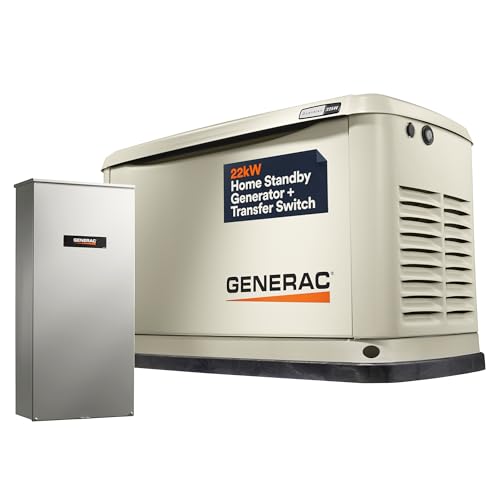
Generac Guardian 22kW Home Generator Transfer Switch WiFi Monitoring

DuroStar DS13000MX 13000-Watt 500cc Dual Fuel Portable Generator

Westinghouse 18000 Peak Watt Tri-Fuel Home Backup Portable Generator

Jackery HomePower 3600 Plus Portable Power Station 3600W AC Output

Westinghouse 28000 Peak Watt Tri-Fuel Home Backup Portable Generator

Westinghouse 13500 Peak Watt Tri-Fuel Home Backup Portable Generator
More Details On Our Top Picks
Portable power like this makes sense for homes that need backup without a permanent install. The 2042Wh capacity, which is the size of the battery reserve, gives you a practical bridge for phones, routers, lights, and other modest loads during a short outage.
The 2200W AC output matters because AC output is the alternating-current power that standard household devices use, so the load matching is easier to picture. You also get LiFePO4 battery chemistry, which is a lithium iron phosphate cell type known for stable long-cycle use, though the trade-off is that this style still has a finite battery life over years of use.
Strong Points
- Strong enough output for everyday backup gear, including several common low-draw household items.
- USB-C PD 100W fast charging helps modern laptops and tablets get back in shape quickly.
- Solar-generator positioning gives you a cleaner fit for apartments, cabins, and storm prep without fumes.
- LiFePO4 battery design usually suits anyone who plans to cycle the unit often rather than leave it idle.
Small Caveats
- It stays in portable-power-station territory, so it won’t replace a hardwired standby unit for a full house.
- The battery size is useful, though heavier household loads will drain it faster than many shoppers expect.
- You’ll want a clear storage spot indoors, since this format is still a sizeable box to move around.
Feature Snapshot
Who It Suits Best
Homeowners who want quiet backup for electronics, light appliance duty, or a condo-friendly emergency plan will get the most from it.
A Better Fit Elsewhere
Generac Guardian 22kW Home Generator Transfer Switch WiFi Monitoring suits households that want automatic whole-home coverage instead of a portable battery setup.
This is the kind of generator that fits lighter backup jobs, not a whole-house load. At 28 pounds, it’s far easier to move than the standby-style picks above, and the inverter design helps deliver cleaner power for sensitive electronics.
The 57dBA noise figure is worth noting because dBA is the decibel scale used for sound levels, and lower numbers generally suit tight neighborhoods or campsite use better. The trade-off is capacity, since the 1260W running figure is fine for small essentials but far from a full-home solution.
What We Like
- Light weight makes it much easier to store, load, and reposition than the larger home-backup units here.
- Pure sine wave output helps electronics see smoother power, which matters for laptops and similar devices.
- CO auto-shutoff adds a useful layer of operating awareness for enclosed spaces, though it does not remove the need for safe placement.
- ECO mode can stretch runtime during lighter use, which suits camp weekends and modest outage coverage.
Points To Note
- It only works as a small-load option, so serious home backup needs a much larger unit.
- The gasoline format means fuel handling and storage need regular attention.
- Noise is low for the class, though not silent, so placement still matters near bedrooms or patios.
Core Details
Who It Suits Best
Campers, tailgaters, and households that only need to keep a few essentials alive during a short outage will appreciate this size.
Another Choice May Suit
Jackery Explorer 2000 v2 Portable Power Station 2042Wh 2200W AC Output is the better fit for shoppers who want a battery-based backup path with more reserve.
For a household that wants automatic backup instead of a move-it-when-needed machine, this is the most complete setup in the group. The 22kW class gives you serious whole-home reach, and the transfer switch means the generator can hand power over to selected circuits during an outage.
WiFi monitoring adds remote visibility, which is handy for travel days or storm season, though it also introduces another layer of setup and app dependence. The honest read is that this pick suits homeowners who want a more permanent answer and are comfortable with installed equipment.
Upsides
- Automatic transfer is the major convenience here, since it reduces the scramble during a power cut.
- Natural gas or propane compatibility gives you fuel planning options that portable gasoline units can’t match as easily.
- WiFi monitoring helps you check status without walking outside in bad weather.
- The whole-house intent makes it a strong fit for families that want broader circuit coverage, not just outlet-level backup.
Room For Improvement
- It’s an installed generator, so setup complexity is higher than the portable units in this roundup.
- The permanent format asks for more space planning around the home exterior.
- Remote monitoring is useful, though it depends on a networked setup that not every household wants.
Details At A Glance
Who Will Love This
Households that want installed whole-home backup with remote status awareness will get the clearest payoff here.
Where A Sibling Pick Shines
Westinghouse 13500 Peak Watt Tri-Fuel Home Backup Portable Generator is a better fit for homeowners who want a smaller footprint and less installation commitment.
Portable whole-home backup starts to make more sense here than with the smaller inverter unit above. The 500cc engine and dual-fuel setup give you a tougher, more flexible path for outage coverage, RV use, or a worksite that needs serious output.
Remote electric start is a practical touch, especially when weather is poor and you’d rather avoid extra steps. You still have the maintenance realities of a large fuel-burning generator, so this is best for someone who wants capacity and can handle a bigger machine.
Reasons To Buy
- Dual-fuel support gives you a choice between gasoline and propane.
- Remote electric start cuts down on fuss during stressful outage conditions.
- Transfer-switch readiness makes it easier to connect into a home backup plan.
- RV and emergency positioning makes it more versatile than a plain standby-style backup machine.
Trade Offs
- The larger engine brings more weight and more storage pressure than compact backup gear.
- Fuel and oil care are part of the routine, which adds ownership work.
- It is still a portable generator, so whole-home use depends on the rest of your backup setup.
Spec Overview
Built With In Mind
Homeowners who want a rugged portable backup unit for bigger loads and varied fuel options will fit this one well.
Swap It Out When
Generac Guardian 22kW Home Generator Transfer Switch WiFi Monitoring suits households that want a fixed automatic system instead of a portable machine.
Tri-fuel support gives this model real flexibility, which matters during longer outage seasons or for households that prefer more than one fuel path. Compared with the DuroStar DS13000MX, this Westinghouse option leans harder into versatility and a slightly more polished backup experience.
The remote electric start keeps the setup friendly, and the transfer-switch-ready design helps it slot into a home plan with less friction. The CO sensor is a useful extra layer, though no generator should be treated casually in enclosed or poorly ventilated spaces.
Bright Spots
- Three fuel options make it easier to adapt to changing supply conditions.
- Remote start improves day-to-day convenience during storm prep and outages.
- Transfer-switch readiness helps the unit fit a more serious home-backup setup.
- The CO sensor adds a thoughtful safety-minded feature for routine ownership.
Honest Caveats
- Tri-fuel flexibility still comes with the footprint and upkeep of a large generator.
- Fuel switching is useful, though it also asks you to stay organized with supplies.
- It makes more sense for backup planning than for casual outdoor use.
Feature Card
Whose Shelf It Belongs On
Households that want high-output backup with flexible fuel choices and a little extra convenience will find a strong fit here.
Look Elsewhere When
Jackery HomePower 3600 Plus Portable Power Station 3600W AC Output is the better fit for shoppers who want a battery-first setup with expandable storage.
This one sits in a sweet spot between portable convenience and more serious home backup capability. The 3584Wh battery reserve and 3600W AC output give you noticeably more room than the smaller Jackery model, especially for circuits that need more breathing space during an outage.
Expandable storage up to 21kWh is the headline feature, and kWh means kilowatt-hours, the same energy unit utility bills use for total power over time. That matters because you are not locked into the base pack, though the trade-off is a higher-commitment setup than a simple all-in-one box.
Highlights
- Large built-in battery capacity supports longer backup windows than the smaller portable option here.
- Expandable design gives you room to scale as your home needs grow.
- LFP battery chemistry suits frequent backup use and repeated charging cycles.
- Solar-generator positioning is useful for households that want a quieter backup path.
Areas To Watch
- Higher-capacity battery systems ask for more planning around space and charging.
- Solar panels are optional, so the full setup may take extra planning.
- It still serves as portable power, not a permanently wired standby generator.
Quick Facts
Right Fit For
Shoppers who want a battery-based backup setup with more reach and future expansion room will appreciate this model most.
A Better Fit Elsewhere
Generac Guardian 22kW Home Generator Transfer Switch WiFi Monitoring suits households that want an installed automatic system instead of a portable power station.
When a home needs more power headroom, this Westinghouse jumps to the front of the portable field. The 28,000 peak watt figure is aimed at bigger backup demands, which makes it a strong fit for larger homes or load-heavy outage plans.
Tri-fuel flexibility, remote electric start, and transfer-switch readiness all line up in a very practical way. The trade-off is obvious: more capacity also means more bulk, more storage planning, and more attention to fuel logistics.
Best Bits
- Very high peak output gives you a wider margin for larger home loads.
- Three fuel choices help you plan around supply and runtime needs.
- Remote start reduces the hassle of getting it going in poor weather.
- Transfer-switch readiness makes it easier to fold into a serious backup setup.
Worth Noting
- The extra capacity brings a larger physical footprint and heavier handling.
- It is still a portable generator, so installation planning remains part of the picture.
- Routine fuel care matters more with a machine built around this much output.
Technical Sheet
The Right Fit
This suits larger households that want a portable generator with the strongest capacity and tri-fuel flexibility in the group.
Reach For A Different Pick When
Westinghouse 18000 Peak Watt Tri-Fuel Home Backup Portable Generator is the better fit for a household that wants high output with a bit less bulk.
Among the larger portable units, this one feels like the most approachable middle ground. You still get tri-fuel support, remote electric start, and transfer-switch readiness, but the 13,500 peak watt class keeps it a little more manageable than the bigger Westinghouse model above.
That balance makes sense for smaller homes, light-to-moderate backup plans, and shoppers who want serious capability without jumping to the heaviest option here. The 4.8-star source rating also suggests strong satisfaction, though the honest read is that the right fit still depends on your fuel plan and storage space.
Positives
- Tri-fuel support gives you useful flexibility in how the generator is fueled.
- Remote electric start keeps operation more comfortable during rough weather.
- Transfer-switch readiness helps it slot into a home backup plan.
- The size feels more approachable than the 28,000-watt model above.
- It can suit households that want a serious backup step without overcommitting to the largest frame in the group.
Minor Gripes
- It still needs space, fuel care, and routine maintenance like any large gas generator.
- Peak watt output is substantial, though smaller homes may not need this much.
- Portable backup always asks for more hands-on planning than a fixed standby unit.
Core Details
Whose Shelf It Belongs On
Homeowners who want a tri-fuel portable generator with strong backup capacity and a more manageable size than the largest units should look here first.
Not Your Match When
Generac Guardian 22kW Home Generator Transfer Switch WiFi Monitoring is the better fit for households that want automatic whole-home backup with less hands-on setup.
How To Choose The Right Whole House Generators
Start With The Loads That Matter
Whole-home backup starts with the circuits that truly need to stay on. A fridge, router, lights, sump pump, and furnace blower add up fast, and that total tells you more than a vague wattage goal ever will.
Portable power stations are handy for lighter backup, but they usually fit a smaller slice of the house. Standby and high-output portable generators make more sense once you want the kitchen, heating gear, and multiple rooms covered at the same time.
Choose The Fuel Path You Can Maintain
Gasoline, propane, and natural gas each bring a different ownership rhythm. Gasoline is easy to source in many areas, propane stores well, and natural gas works neatly for installed systems that already have a line in place.
The catch is that the best fuel on paper means little if storage, refilling, or line access becomes a headache. For long outage seasons, the fuel plan can matter as much as the watt number.
Think About Installation And Mobility
Installed standby units ask for more setup, but they also hand you a smoother experience during outages. Portable units are easier to move and often simpler to own, though you handle more of the routine yourself.
That difference shapes maintenance, placement, and storage. A fixed unit suits a household that wants a more automatic response, while a portable generator or power station suits homes that need flexibility first.
Don’t Ignore Power Quality And Noise
Inverter generators and battery stations usually run cleaner and quieter than basic open-frame machines. That matters for laptops, TVs, and close neighbors, especially during long evenings on backup power.
Sound level and waveform quality are not glamorous specs, but they shape everyday comfort. In a tight neighborhood, those details can matter more than one extra line of peak watt output.
Things Worth Knowing First
Mistakes Worth Dodging
Shoppers often chase the biggest watt figure and skip the practical load plan. That leads to a machine that looks impressive but doesn’t match the way the house actually uses power.
Another common miss is underestimating storage and upkeep. Large generators need room, fuel care, and regular attention, while battery units need a clear charging plan and a place to live indoors.
What The Higher Tier Buys
Higher-tier models usually buy you more output, broader fuel choices, and easier startup. In the standby segment, that can also mean transfer switches, WiFi monitoring, and smoother whole-home coverage.
The upgrade makes sense once the household depends on longer runtimes or heavier loads. Paying more only feels justified when the added capacity matches a real outage need, not a wish list.
Frequently Asked Questions
Do whole house generators run an entire home at once?
Some do, especially installed standby units with enough capacity. Smaller portable models usually cover selected circuits or essential loads instead of every device in the house.
Is a portable generator enough for home backup?
A portable generator can be enough for essentials like refrigeration, lighting, and a few electronics. It usually falls short of full-house coverage unless your load needs are modest.
Why does tri-fuel matter?
Tri-fuel support gives you more options during supply disruptions or long outages. That flexibility can make planning easier, especially for households that store more than one fuel type.
What is a transfer switch?
A transfer switch moves generator power to selected home circuits safely and cleanly. It’s a major convenience for installed backup and a useful bridge for portable whole-home setups.
Are battery power stations a good alternative?
Battery stations work well for quiet, indoor-friendly backup of lighter loads. They are less suited to long, high-demand household coverage than the larger fuel-powered units in this roundup.
Closing Thoughts
You get the best result here by matching the machine to the outage you actually face. For a full house and automatic response, the Generac route stands out, while the Westinghouse and DuroStar options give you serious portable capacity with different fuel and size trade-offs. Jackery’s power stations make sense for lighter, quieter backup, especially where storage or noise matters. The right choice is the one that fits your space, your fuel plan, and the loads you need most.
