

Power outages feel a lot less manageable once the fridge, internet, lights, and well pump all depend on the same system. This roundup focuses on Whole House Generator Systems that fit different homes, from portable units that cover a few essentials to fixed standby setups built for full-home backup. You get a plain-English look at capacity, fuel type, transfer readiness, and monitoring so you can match the machine to your house instead of guessing from wattage alone.
That matters most for busy homes, storm-prone areas, and anyone who wants backup power to feel orderly instead of improvised. Some picks are better for apartment-safe portability and emergency charging, while others belong beside a panel and stay ready year-round.
Quick Look At Our Shortlist

Jackery Explorer 2000 v2 Portable Power Station 2042Wh

Westinghouse 12000 Peak Watt Dual Fuel Portable Inverter Generator

Champion Power Equipment 4000-Watt Dual Fuel RV Ready Portable Inverter Generator
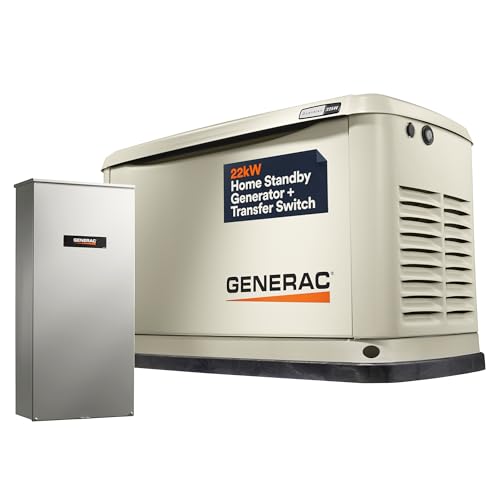
Generac Guardian 22kW Home Generator

DuroStar DS13000MX 13,000-Watt 500cc Dual Fuel Portable Generator

Westinghouse 18000 Peak Watt Tri-Fuel Home Backup Portable Generator

Westinghouse 28000 Peak Watt Tri-Fuel Home Backup Portable Generator

Westinghouse 13500 Peak Watt Tri-Fuel Home Backup Portable Generator
The Jackery sits on the quieter end of this roundup, which makes sense for apartments, garages, and homes that only need a calm backup for essentials. With 2042Wh of stored energy and 2200W AC output, it’s the kind of power station that covers phones, routers, lights, and small appliances without the fuel smell or engine noise.
Its LiFePO4 battery, a lithium iron phosphate pack known for long cycle life, should appeal to people who want a steadier long-term setup. The trade-off is simple, it’s a portable power station, not a full-house standby unit like the Generac Guardian, so you’re shopping for clean convenience rather than whole-panel coverage.
Strong Points
- Large battery capacity for a portable unit, so you can keep key devices running through an outage.
- 2200W AC output supports small appliances without jumping to a gas engine.
- USB-C PD 100W charging fits modern laptops and fast top-ups for compatible gear.
- LiFePO4 chemistry usually suits shoppers who want a battery-focused backup that feels less fussy than fuel storage.
Things To Consider
- It does not replace a transfer-switch standby system for the whole house.
- Solar panel support is optional, so the charging setup depends on what you already own.
- Heavier power stations can be less convenient to move around a tight home.
Feature Snapshot
Who It Suits Best
You’re the right match for this Jackery if you want indoor-safe backup power for essentials, remote work, or car camping with a serious battery pack.
Where A Sibling Pick Shines
Westinghouse 12000 Peak Watt Dual Fuel Portable Inverter Generator suits households that need fuel-powered output and transfer-switch readiness rather than a battery station.
This Westinghouse lands in a useful middle ground, with enough output for home backup jobs and a spec sheet that still feels manageable. Dual fuel means you can use gas or propane, and that flexibility matters during long outages, especially when one fuel source is easier to store than the other.
Remote electric start and transfer-switch readiness make it far more practical than a barebones contractor unit. Compared with the Jackery, this one belongs in the outdoor backup camp, and the low total harmonic distortion, or THD, is the detail that makes it friendlier to electronics than a rougher generator.
What We Like
- Dual fuel operation gives you more fuel-planning flexibility during storm season.
- Remote start saves a walk outside, which feels especially useful in bad weather.
- Transfer-switch readiness helps it fit a more formal home backup setup.
- Low THD is a useful comfort point for electronics-heavy households.
- Parallel capability leaves room for a bigger setup later.
Worth Noting
- Portable inverter generators still need outdoor placement and routine fuel management.
- The broader feature set can make setup feel more involved than a battery station.
- More capability usually means more weight and storage space to plan for.
- Parallel use adds another layer of gear to keep track of.
Core Details
Who Should Grab It
You’ll appreciate this model most if you want a fuel-powered backup for a home office, kitchen appliances, and a panel-connected setup.
Another Choice May Suit
Jackery Explorer 2000 v2 Portable Power Station 2042Wh suits indoor-focused backup and quieter everyday charging for smaller needs.
The Champion is the small-footprint option in this list, and that’s exactly why it earns a place here. For RV trips, tailgates, or a modest home backup plan, 4000 watts sits in a friendlier range than the bigger Westinghouse units above it.
Dual fuel support gives you propane or gas flexibility, while the quiet-tech branding points to a calmer experience than many open-frame generators. The honest read is that it won’t cover a big house the way a standby system will, but for a garage, camper, or essentials-only setup, that restraint can be the point.
Highlights
- 4000-watt class output keeps it practical for lighter backup jobs.
- Dual fuel operation helps you choose between stored propane and gasoline.
- RV-ready design fits travel setups without extra guessing.
- Quiet-tech positioning suits campsites and neighborhoods better than louder open-frame styles.
- Smaller size usually makes storage and transport easier than with the larger units in this roundup.
Softer Spots
- It’s aimed at lighter loads, so whole-home coverage is off the table.
- Portable generator upkeep still means fuel care and outdoor storage planning.
- The narrower capacity makes it less suited to homes with multiple heavy appliances.
At A Glance
Built With In Mind
You’re looking at the right fit for camper owners, weekend travelers, and households that only need a light backup layer.
Look Elsewhere When
Westinghouse 12000 Peak Watt Dual Fuel Portable Inverter Generator makes more sense for home backup jobs that need transfer-switch readiness and stronger output.
This is the most clearly whole-house-focused option in the roundup. A 22kW standby generator sits in a different class from the portable models above it, and the automatic transfer setup matters because it can switch over without you hauling a unit outside in bad weather.
WiFi monitoring adds a convenience layer for households that want status checks without walking to the utility side of the home. Natural gas or propane gives you planning flexibility, though the trade-off is the installation commitment, since this category belongs to homeowners who want a fixed system rather than something they move around.
Reasons To Buy
- 22kW capacity is built for full-home backup rather than just a few circuits.
- Automatic transfer support brings a hands-off feel during outages.
- WiFi monitoring lets you check status without standing beside the generator.
- Natural gas or propane compatibility broadens fuel planning options.
- Best suited to homeowners who want a permanent, set-and-ready backup system.
Areas To Watch
- Standby systems involve installation planning, so they’re not casual plug-and-play purchases.
- It’s much less portable than the unit-based models in the rest of the list.
- Higher-capacity standby ownership usually means more attention to placement and maintenance access.
Technical Sheet
Right Fit For
You’re in the sweet spot for this Generac if you own a house and want a fixed standby system for regular outage protection.
A Better Fit Elsewhere
Westinghouse 13500 Peak Watt Tri-Fuel Home Backup Portable Generator suits households that want strong backup power without stepping into a permanent standby install.
The DuroStar sits closer to the heavy-duty side of portable backup, with a 500cc engine and 13,000-watt output that push it beyond the lighter travel class. That makes it useful for households that want serious outage support without moving all the way to a fixed standby machine.
Remote electric start and transfer-switch readiness help it feel more home-oriented than a basic jobsite generator. Compared with the Champion 4000-watt unit, this model is built for larger loads and a more serious backup role, though you’ll still need outdoor storage space and routine fuel care.
Upsides
- 13,000-watt output gives you room for larger home backup needs.
- 500cc engine size suggests the kind of muscle many portable units don’t offer.
- Gas and propane flexibility helps with fuel planning during storm prep.
- Remote start keeps operation less cumbersome in bad weather.
- Transfer-switch readiness makes it easier to connect into a home backup layout.
Small Caveats
- Large portable generators need storage space, fuel planning, and outdoor operation.
- The bigger engine can mean more upkeep attention than a battery station.
- It still isn’t a permanent whole-home standby unit.
Details At A Glance
Perfect Match For
You’re the right fit for this DuroStar if you want strong portable backup for a family home and don’t mind a larger machine.
Swap It Out When
Champion Power Equipment 4000-Watt Dual Fuel RV Ready Portable Inverter Generator suits lighter travel needs and smaller backup loads more comfortably.
This Westinghouse is where tri-fuel flexibility starts to matter in a big way, because you can plan around gas, propane, or natural gas. That kind of choice is useful for households that want a stronger backup path but don’t want to lock themselves into one fuel source.
Remote electric start and transfer-switch readiness make it feel built for serious outage work, not just occasional portable use. Compared with the DuroStar, it adds another fuel option, which helps if your home setup already supports natural gas or you want more flexibility in storage planning.
Best Bits
- Three fuel choices give you real flexibility during long outage planning.
- 18,000 peak watts push it into a more capable backup tier.
- Remote electric start makes operation easier from a distance.
- Transfer-switch readiness supports a cleaner home hookup.
- CO sensor adds an extra safety-oriented feature for outdoor operation awareness.
Room For Improvement
- Tri-fuel versatility can add setup decisions that simpler models avoid.
- Like other large portables, it needs outdoor placement and thoughtful storage space.
- The bigger format is less convenient than the smaller Champion unit for travel or casual use.
Feature Rundown
Whose Shelf It Belongs On
You’re a strong match for this model if your home already has access to natural gas and you want a flexible portable backup system.
Where Shoppers Go Wrong
Jackery Explorer 2000 v2 Portable Power Station 2042Wh is the cleaner fit for quiet indoor essentials, especially in smaller spaces.
The 28000-watt class is the brute-force end of this roundup, and it’s meant for bigger homes or properties with heavier electrical loads. Like a sturdy bridge over rough weather, it gives you more room to power important circuits without trimming the list too aggressively.
Remote electric start and transfer-switch readiness keep it aligned with house-level backup planning, while tri-fuel support adds useful flexibility. The trade-off is scale, because this kind of output comes with more space to store it and more attention to manage during setup and upkeep.
Positives
- 28000 peak watts place it at the far end of the portable backup range here.
- Tri-fuel support gives you gas, propane, and natural gas options.
- Transfer-switch readiness suits a more serious home backup setup.
- Remote electric start reduces the friction of starting a large machine.
- Well suited to larger properties that need heavier electrical coverage.
Honest Caveats
- Size and output point to more storage and placement planning than smaller units need.
- It’s more generator than casual household backup, so the commitment is higher.
- Portable still does not mean small, and moving this class of machine takes planning.
Quick Facts
The Right Fit
You’re the kind of homeowner who benefits most from this Westinghouse if you need a large portable backup source for a bigger property.
Skip It When
Westinghouse 13500 Peak Watt Tri-Fuel Home Backup Portable Generator suits many homes better when you want strong output with a less demanding footprint.
This is the most balanced portable backup choice in the group for many homes, because 13,500 peak watts sits in a practical middle zone. It offers tri-fuel flexibility, remote electric start, and transfer-switch readiness, which makes it feel more complete than the smaller portable units without becoming as demanding as the larger Westinghouse models.
For storm prep, that balance matters more than a flashy headline number. You still need outdoor space and fuel planning, but the footprint feels easier to live with than the 18,000 or 28,000 peak watt units.
Bright Spots
- 13,500 peak watts provide a strong middle ground for home backup.
- Tri-fuel support gives you practical fuel flexibility.
- Remote electric start keeps operation straightforward.
- Transfer-switch readiness helps it fit into a more organized backup setup.
- Better balance than the biggest units for many suburban homes.
Points To Note
- It still needs outdoor operation and storage space, like other fuel-based generators.
- Portable backup always involves more hands-on planning than a fixed standby unit.
- Homeowners with very heavy loads may still want the larger 18,000 or 28,000 peak watt options.
Feature Card
Made For
You’re the right fit for this Westinghouse if you want a practical backup generator for a house that needs serious support without moving to a standby install.
Reach For A Different Pick When
Generac Guardian 22kW Home Generator makes more sense for homeowners who want automatic whole-house standby coverage.
How To Choose The Right Whole House Generator Systems
Start With The Home You Actually Need To Power
Backup power should match the way your house runs on a normal day. A small apartment setup needs different coverage than a family home with a fridge, sump pump, and several work devices, so the first move is thinking in circuits and essentials instead of headline wattage.
Portable power stations suit a few devices and indoor-friendly charging, while inverter generators handle a broader set of appliances outdoors. Standby systems step in for a house that needs automatic coverage, so they belong to homeowners who want the generator to behave more like a permanent utility asset.
Fuel Type Changes The Whole Experience
Gas-only units are straightforward, but dual-fuel and tri-fuel models give you more room to plan around storage and supply. Propane stores neatly for many households, while natural gas can feel convenient where the home already has the line in place.
The trade-off is that more fuel options usually bring more setup decisions. You get flexibility, but you also need to think through hose fittings, storage, and which source you’d actually use during a long outage.
Noise, Monitoring, And Convenience Matter More Than They Seem
Quiet operation matters most in close neighborhoods, campsites, and homes with sleeping kids nearby. A power station like the Jackery feels very different from an open-frame portable generator, and a WiFi-monitoring standby unit changes the whole ownership routine by letting you check status without walking outside.
Remote electric start is worth more than it sounds, especially in wet weather or at night. Small convenience features don’t replace capacity, but they make the machine easier to live with, which matters after the novelty wears off.
Think About Installation And Storage Before You Commit
Some systems are truly portable, while others need a fixed place beside the house and a planned transfer setup. The larger the generator, the more you should think about access, ventilation, and where fuel or charging gear will live between outages.
That’s where many shoppers get caught off guard. A strong generator can still be the wrong fit for a tight garage, a narrow side yard, or a home that isn’t ready for a permanent hookup.
A Quick Reality Check
Common Shopping Slip Ups
Many people start with wattage and stop there, which misses the bigger question of whether the unit fits the home’s wiring and storage space. A big portable generator can still be awkward for daily life, and a standby unit can be more system than some houses need.
Another common miss is buying for the outage you wish you had rather than the one you usually get. A few essentials during a short outage call for a different setup than a full-home backup during storm season.
What The Higher Tier Buys
More expensive models usually bring more output, more fuel flexibility, or automation such as transfer switching and monitoring. In this category, you’re paying for easier ownership as much as raw power, which is why the Generac Guardian sits in its own lane.
That upgrade makes sense for homes where outage coverage has to feel seamless. For smaller spaces or lighter backup needs, the extra expense can be more machine than you really need.
Frequently Asked Questions
What size generator fits a whole house?
The right size depends on how many circuits you want to keep active during an outage. A standby unit covers much more than a portable backup generator, while smaller power stations usually cover essentials only.
Is a portable generator enough for home backup?
It can be enough for targeted backup, especially for fridges, lights, and device charging. A full-house setup usually calls for a standby system with transfer support.
Why choose tri-fuel over dual fuel?
Tri-fuel gives you gas, propane, and natural gas options, which can help in homes with existing gas service. Dual fuel still gives useful flexibility, just with one fewer source.
What does transfer-switch ready mean?
It means the generator is designed to work with a home transfer setup rather than improvised extension cords. That matters for a cleaner, more organized backup plan.
Do battery power stations fit into this category?
They fit the backup conversation, especially for essentials and indoor-friendly use. They do not replace a full-home standby system, but they can be very practical for lighter needs.
Closing Thoughts
The right backup setup comes down to how much of the house you want to keep moving and how hands-on you want the system to feel. The Jackery suits quiet essentials, the Champion works well for lighter travel and small-home needs, and the Westinghouse and Generac models cover progressively bigger backup jobs. For many homes, the best choice is the one that fits your space, your fuel plan, and your outage routine without turning setup into a second job.
