

Power outages, RV weekends, and jobsite needs all ask different things from a generator, and the wrong match turns into noise, fuel waste, or missing outlets. This roundup focuses on 6000 watt generators and close-capacity options that make sense for home backup, travel, and lighter whole-home planning. You’ll see where inverter models protect sensitive electronics, where dual-fuel flexibility helps, and where a simpler portable unit keeps things straightforward.
Quick Look At The Shortlist

PowerSmart 7000W Surge/6000W Rated Inverter Generator

WEN 6800-Watt Dual Fuel RV-Ready Electric Start Portable Inverter Generator DF680iX
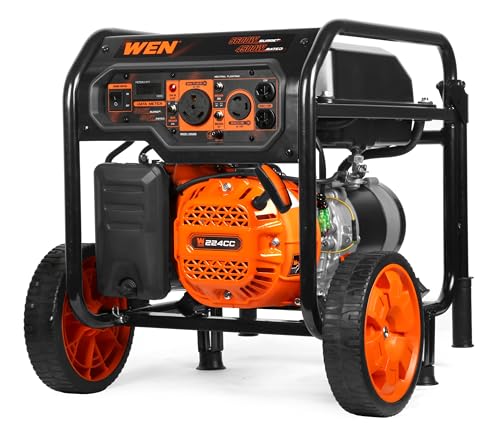
WEN 5600-Watt Portable Generator GN5600

Westinghouse 6600 Watt Home Backup Portable Generator

Westinghouse 8200 Peak Watt Tri-Fuel Portable Inverter Generator

Westinghouse 6600 Peak Watt Home Backup Portable Generator

Oxseryn 5000-Watts Portable Inverter Generator
More Details On Our Top Picks
The PowerSmart leans toward households that want inverter-style power with a wider voltage setup, since it offers 120V and 240V output in the same portable frame. That dual-voltage layout matters for homes that juggle mixed loads, while electric start keeps the routine simpler than recoil-heavy setups.
Compared with the WEN GN5600, this one is the more adaptable fit for electronics and larger home circuits. The trade-off is that inverter convenience usually comes with a more involved price and feature set, so you may prefer it most when backup power needs to cover more than a few basics.
Strong Points
- Inverter output suits sensitive gear better than basic open-frame units.
- 120V and 240V support gives you more room for home backup planning.
- Electric start cuts down the usual setup friction.
- Portable gas format keeps it practical for RV stops and outdoor use.
Small Caveats
- The feature set is richer, so storage and setup deserve a little more attention.
- Dual-voltage convenience helps most when your appliances actually need it.
- Like many portable generators, upkeep around fuel storage and periodic run checks still matters.
Feature Snapshot
Who It Suits Best
Households that want one portable unit for backup power, RV travel, and electronics protection fit this model well.
Where A Sibling Pick Shines
WEN GN5600 suits you better when you want a simpler gasoline unit for transfer-switch basics without the inverter emphasis.
The WEN DF680iX is built for people who want more fuel flexibility without giving up inverter-style output. Dual fuel means it can run on more than one fuel type, which is useful during supply juggling or for a long weekend where planning ahead matters more than simplicity.
Compared with the PowerSmart, this one leans into broader operating flexibility, and the CO Watchdog adds another layer of shutdown awareness for carbon monoxide buildup. You may find the extra systems reassuring in an RV or home-backup setup, though the added complexity means it suits careful owners better than casual, grab-and-go users.
What We Like
- Dual-fuel operation gives you more setup options.
- Electric start keeps day-to-day use easier.
- RV-ready design lines up well with travel use.
- Fuel shutoff helps reduce stale-fuel hassle during storage.
- CO Watchdog adds a practical layer of awareness for enclosed or semi-enclosed spaces.
Points To Note
- Dual-fuel versatility brings more parts and routines to keep track of.
- It makes the most sense for shoppers who plan around both gas and propane.
- Regular storage care still matters, especially after seasonal use.
Details At A Glance
Who Will Love This
Travelers, backup-power planners, and anyone who wants fuel flexibility in one portable inverter unit will get the most from it.
Look Elsewhere When
WEN GN5600 is the easier fit for someone who wants a simpler single-fuel generator with fewer moving parts.
The GN5600 keeps things straightforward, which is part of the appeal for homeowners who want backup power without chasing extra features. Its 224cc engine gives it a more utility-first profile, and the transfer-switch and RV-ready framing makes it easy to picture in a garage beside a panel connection or packed for a trip.
Against the WEN DF680iX, this pick is less about fuel flexibility and more about a simple, direct setup. That plain approach can be a relief for occasional outage use, though electronics-heavy households may prefer an inverter model like the PowerSmart instead.
Upsides
- Transfer-switch readiness fits home-backup wiring plans.
- RV-ready output broadens its practical use.
- 224cc engine size gives it solid utility-focused character.
- Simple gasoline operation stays easy to understand.
Room For Improvement
- It does not lean into inverter-style electronics protection.
- Owners who want fuel variety will want a different category.
- Seasonal storage and fuel care still need attention.
Core Details
Built With In Mind
Homeowners who want a no-frills backup unit for transfer-switch use will feel at home with this model.
Another Choice May Suit
PowerSmart 7000W Surge/6000W Rated Inverter Generator fits better for shoppers who want cleaner output for electronics.
This Westinghouse model feels aimed at homeowners who want backup power without wrestling with a complicated startup routine. Remote electric start and auto choke make it easier to live with during an outage, especially when you’re trying to get power running before the fridge and a few rooms become a concern.
Compared with the WEN GN5600, this one pushes convenience a bit harder, while still staying in the same general backup-power lane. The trade-off is that you’re paying for comfort features instead of the simplest possible layout, which is usually worth it for everyday household use.
Highlights
- Remote electric start saves time during stressful outage moments.
- Auto choke helps reduce the usual startup fuss.
- Transfer-switch ready design suits home backup plans.
- RV-ready framing gives it two solid use cases.
Honest Caveats
- Remote start is convenient, but it still needs battery and upkeep attention.
- It stays more home-focused than travel-light.
- Storage space matters more than it does for smaller portable units.
Technical Sheet
The Right Fit
Homeowners who want a dependable backup unit with easier starting will get the most value from it.
Reach For A Different Pick When
Oxseryn 5000-Watts Portable Inverter Generator makes more sense for smaller storage areas and a lighter portable footprint.
This is the most flexible pick in the group, especially for homes that want inverter output plus multiple fuel paths. Gas, propane, and natural gas support make planning easier around what you already have on hand, and the parallel-capable design gives you room to expand later.
Compared with the PowerSmart, this Westinghouse model gives you a wider fuel menu and a stronger upgrade path, which is why it suits long-haul backup planning. The honest read is that more flexibility usually means more to think about, so it fits organized setups better than casual use.
Bright Spots
- Tri-fuel support gives you unusually broad fuel flexibility.
- Inverter design helps it suit electronics and mixed household loads.
- Remote electric start keeps the routine convenient.
- Parallel capability leaves room for future expansion.
- Transfer-switch readiness makes it easier to fold into home backup plans.
Areas To Watch
- More fuel options usually mean more planning and storage steps.
- It makes the most sense when you expect regular backup use.
- Space and weight planning matter more than they do with smaller units.
Feature Rundown
Whose Shelf It Belongs On
Prepared homeowners and RV owners who want maximum fuel flexibility in one portable inverter package will benefit most.
Swap It Out When
WEN GN5600 is the simpler path for someone who wants fewer fuel choices and a more basic backup routine.
This Westinghouse lands in a useful middle ground, with transfer-switch readiness and two 30A outlets that make it easier to think about home circuits and RV hookups in the same conversation. That kind of layout suits a garage setup especially well, where you want one machine to cover a few different needs without much drama.
Compared with the remote-start model in the previous slot, this one appears more outlet-focused than convenience-focused. You may like that lean if you care more about connection options than startup extras, though the simpler feature mix means it’s less polished than the premium-tier Westinghouse inverter above.
Reasons To Buy
- Two 30A outlets support flexible hookup planning.
- Transfer-switch readiness makes home integration easier.
- RV-ready framing helps it pull double duty.
- Gas-powered design keeps fuel access straightforward.
Softer Spots
- It focuses on utility rather than inverter refinement.
- More outlet utility can mean more planning around cords and connections.
- Seasonal maintenance still matters for storage and reliability.
Core Details
Best Suited To
Homeowners who want outlet flexibility and a straightforward backup generator will appreciate this one most.
Where Shoppers Go Wrong
PowerSmart 7000W Surge/6000W Rated Inverter Generator is the better fit for anyone who puts cleaner inverter output ahead of outlet count.
Oxseryn is the lightest-feeling fit in this group on paper, and that matters for anyone who needs backup power without dedicating half the garage to storage. ECO mode and inverter output make it feel more efficient-minded than the open-frame options above, while the 30A outlet and RV-ready design keep it useful beyond the house.
Against the Westinghouse home-backup models, this one looks easier to store and move, though it also gives up the bigger capacity that some households want. The trade-off is sensible: you get portability and a cleaner output style, but not the roomiest power budget in the roundup.
Best Bits
- Inverter design fits electronics better than plain portable frames.
- ECO mode supports more measured fuel use in lighter loads.
- 60-pound weight keeps storage and movement more manageable.
- 30A outlet and RV readiness widen its use cases.
Minor Gripes
- It is the lower-capacity option in this lineup.
- Portable convenience comes with a smaller backup ceiling.
- Like any gas unit, it still needs routine fuel care and storage habits.
At A Glance
Who Should Grab It
Space-conscious homeowners and RV users who want a lighter inverter option with basic backup reach will fit it well.
A Better Fit Elsewhere
Westinghouse 6600 Peak Watt Home Backup Portable Generator suits households that need a fuller backup setup and more outlet flexibility.
How To Choose The Right 6000 Watt Generators
Match Output Style To Your Load
Inverter units make more sense for electronics, laptops, routers, and mixed household gear because they deliver cleaner power than a basic open-frame generator. A plain portable generator is still a solid fit for refrigerators, sump pumps, tools, and other straightforward loads, especially where convenience matters more than polished output.
Surge wattage matters for startup demand, while rated wattage tells you what the unit can sustain for longer stretches. That gap matters in real homes, because motors often need extra push at startup before settling into a smaller running draw.
Think About Fuel And Starting Routine
Single-fuel gas models keep refueling simple, while dual-fuel and tri-fuel designs add flexibility for outages and longer backup planning. That extra choice helps when one fuel source is easier to store or easier to source in your area, but it also adds more maintenance steps and more to track.
Electric start and remote electric start matter more than they sound. After a storm or a long travel day, fewer manual steps can feel like a small mercy, and that convenience is worth paying attention to.
Check The Connection Setup
Transfer-switch readiness is useful for homeowners who want to feed selected circuits without running extension cords all over the place. RV-ready outlets are just as practical for campers, and a 30A outlet often marks the difference between simple porch power and a setup that feels organized.
Outlet variety also deserves a look, because two 30A outlets or a 120V and 240V layout can change how the generator fits your actual appliances. The right connection pattern keeps you from buying more wattage than you can comfortably use.
Plan For Storage And Movement
Weight, wheel setup, and footprint matter once the unit is living in a garage, shed, or trailer. A lighter inverter model can be easier to store and shift around, while a bigger backup generator may justify the space only when your outage plan truly needs it.
Maintenance habits matter too. Fresh fuel, periodic exercise, and sensible storage go a long way with portable generators, and the easier those routines feel, the more likely you are to keep up with them.
Things Worth Knowing First
Wrong Turns To Avoid
Many shoppers focus on wattage alone and forget about outlet type, voltage, or starting method. That leads to a generator that looks strong on paper but feels awkward in a home-backup or RV setup.
Another common miss is buying more fuel flexibility than you’ll actually use. Dual-fuel and tri-fuel options are useful, but the simpler unit is often the cleaner fit for occasional outage duty.
What The Higher Tier Buys
Higher-tier units usually add inverter output, remote start, dual-voltage or tri-fuel flexibility, and more thoughtful connection layouts. Those features cost more because they make the generator easier to live with, especially during outages when you want less fuss and fewer workarounds.
The upgrade makes sense for households that rely on backup power more than once in a blue moon. For lighter, occasional use, a simpler model can leave more money available for fuel, cords, and proper storage gear.
Frequently Asked Questions
Are 6000 watt generators enough for home backup?
They can cover a useful slice of home needs, such as a refrigerator, lighting, and a few essentials. Whole-home use depends on the appliances you want to run together.
Does inverter design matter for electronics?
Yes, inverter output is the better fit for sensitive gear like computers and routers. Basic open-frame units are more about raw utility than clean power quality.
What is the benefit of dual fuel?
Dual fuel gives you more flexibility during outages and refueling challenges. It also adds more planning around storage and routine upkeep.
Is RV-ready important?
It matters a lot for travel and campsite use because the outlet setup matches that purpose more naturally. For home-only use, it is helpful but not essential.
Should you choose remote start?
Remote start is a comfort feature that becomes more valuable during bad weather or repeated outage use. It is less important if you only roll the generator out occasionally.
Final Thoughts
For home backup, RV travel, and everyday outage planning, the strongest match is the one that fits your outlet needs, fuel comfort level, and storage space. PowerSmart and the Westinghouse inverter options make the most sense when cleaner power and flexibility matter, while WEN and the simpler Westinghouse models keep the job more straightforward. Oxseryn rounds out the group for smaller storage needs and lighter use. Choose the generator that fits the way you actually live, not just the biggest number on the listing.
