

Power cuts, RV trips, and jobsite demands all put different pressure on a generator, so the right pick depends on how you actually use power at home or away. This roundup focuses on models with enough output, the right outlets, and the start-up features that make a rough evening feel a little less messy. You’ll also see where a lighter inverter style makes sense, and where a sturdier open-frame unit fits better. The result is a clearer way to match capacity to real life, not just a spec sheet.
The Shortlist At A Glance

PowerSmart 7000W Surge/6000W Rated Inverter Generator

WEN 6800-Watt Dual Fuel RV-Ready Electric Start Inverter Generator (DF680iX)

DuroMax XP5500HX 5,500-Watt Dual Fuel Portable Generator

Champion Power Equipment 4000-Watt Dual Fuel RV Ready Portable Inverter Generator
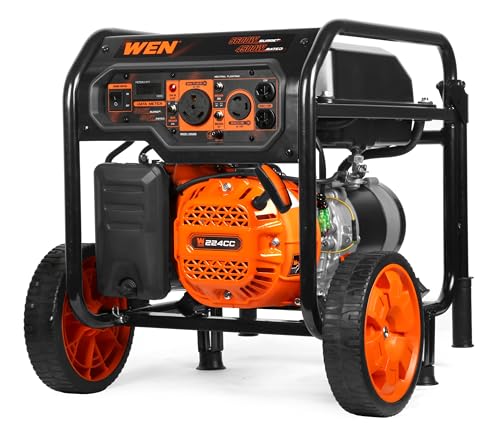
WEN 5600-Watt Portable Generator 224cc (GN5600)

Westinghouse 6600 Watt Home Backup Portable Generator

GENMAX 6250w Tri-Fuel Silent Inverter Generator 2026 Model

Westinghouse 1500 Peak Watt Portable Inverter Generator, Blue
More Details On Our Top Picks
PowerSmart’s dual-voltage setup gives this pick a useful lane right away, especially for homes that want backup support without giving up RV compatibility. Inverter design means steadier output for sensitive electronics, so laptops, routers, and similar gear fit better here than on a basic open-frame unit. The trade-off is that this class usually asks you to pay more attention to load planning.
For storm prep or a campground setup with mixed appliances, that balance makes sense. The electric start also reduces the usual fuss at the moment you need power most, and the 120V/240V output broadens what you can run. It feels built for households that want one machine to cover more than one job.
Strong Points
- Dual-voltage output covers a wider range of home and RV use.
- Inverter architecture suits electronics that prefer steadier power.
- Electric start trims the usual pull-start routine.
- Useful fit for backup plans that span several rooms or devices.
Things To Consider
- Inverter units usually cost more than simpler frame-style generators.
- The larger feature set can feel like overkill for basic yard tools.
- Storage and transport take more planning than with a smaller travel unit.
Feature Snapshot
Who It Suits Best
Homeowners and RV campers who want one generator for mixed-duty backup will get the most from this setup.
A Better Fit Elsewhere
WEN 5600-Watt Portable Generator GN5600 suits you better for straightforward household backup, especially when you want a simpler, less feature-heavy machine.
Dual fuel gives this WEN more breathing room than the PowerSmart above, since you can choose between two fuel types instead of relying on one. That matters during outages or long weekends away from town, where convenience can matter as much as output. The inverter format also keeps it in the more refined side of the category.
Fuel shutoff is a practical detail, because it helps the carburetor area stay less fussy during storage. The CO watchdog adds another layer of sensor-based awareness, which is the kind of detail many home backup shoppers appreciate even before they roll it into the garage. The honest read is that it suits people who want flexibility without stepping all the way into a larger, heavier machine.
What We Like
- Runs on gas or propane, which adds useful flexibility.
- Electric start keeps setup easier in real backup use.
- RV-ready design supports travel and campsite hookup needs.
- Fuel shutoff is helpful for cleaner storage habits.
- Inverter output fits electronics better than a plain frame unit.
Worth Noting
- Dual-fuel convenience adds parts and controls that need more attention.
- Inverter models of this size can feel less simple than basic generators.
- Propane storage and hose handling take a bit of extra planning.
Core Details
Who Should Grab It
Campers and backup-power planners who want fuel flexibility in a mid-size inverter package fit this model well.
Swap It Out When
PowerSmart 7000W Surge/6000W Rated Inverter Generator makes more sense for you when dual-voltage output matters more than dual-fuel choice.
The DuroMax sits closer to the classic portable-generator lane than the inverter models above, and that makes it feel straightforward for backup-minded homes. Dual fuel gives you a practical fallback, which is handy during outages or for an RV stop where propane is easier to manage. The electric start keeps it from feeling old-school in the wrong ways.
For emergency readiness, the format makes sense, though you give up some of the quieter, electronics-focused character that inverter units usually bring. That trade-off is fair for shoppers who care more about rugged utility than refined power conditioning. It’s the kind of pick that suits a garage corner, a trailer hitch plan, or a storm kit that stays ready.
Upsides
- Dual-fuel operation gives you a useful backup path.
- Electric start simplifies startup during rough weather.
- RV and emergency readiness make the use case clear.
- Traditional portable form is easy to understand and maintain.
Small Caveats
- Plain portable design is less refined for delicate electronics than an inverter unit.
- The bulkier style can ask for more storage space.
- Routine fuel management still matters, especially after longer idle periods.
Technical Sheet
Right Fit For
You’ll like this best for emergency prep and RV use where straightforward output matters more than inverter refinement.
Where A Sibling Pick Shines
Champion Power Equipment 4000-Watt Dual Fuel RV Ready Portable Inverter Generator suits you better for lighter travel use and a quieter-feeling compact package.
Champion takes a smaller, travel-friendly shape than the DuroMax, and that makes the whole setup feel easier to live with in a campsite or tailgate spot. Dual fuel keeps it flexible, while inverter output is the part that helps it feel more suitable for electronics and quieter surroundings. That’s a nice combination for people who want backup power without hauling a larger frame generator around.
The quieter technology claim matters most in places where noise becomes part of the compromise, like RV parks or shared outdoor spaces. Free 3-year warranty wording may sound like a simple line item, but the real value is peace of mind around a more involved purchase. The catch is that a smaller inverter unit like this gives up some raw capacity compared with the bigger backup-focused picks.
Bright Spots
- Compact inverter format is easier to move and store.
- Dual fuel adds flexibility for trips and emergencies.
- Quiet technology suits shared outdoor settings.
- RV-ready design lines up well with travel use.
Areas To Watch
- Smaller output fits lighter loads better than whole-home backup.
- Inverter construction can raise the purchase cost compared with simpler models.
- Travel-focused users may still want a second fuel container on hand.
Details At A Glance
Best Suited To
This suits campers, tailgaters, and weekend travelers who want a smaller inverter package with fuel flexibility.
Look Elsewhere When
Westinghouse 6600 Watt Home Backup Portable Generator fits you better for heavier home backup duties and a more house-focused layout.
This WEN keeps the appeal simple, and that can be exactly right for a home backup setup that doesn’t need extra electronics or fuel choices. The 224cc engine size signals a more traditional portable generator layout, while transfer-switch and RV-ready wording points to practical hookup use. For many garages and patios, that straightforward shape is easier to live with than a feature-packed inverter.
The trade-off is that you’re choosing plain utility over the softer refinements found in the PowerSmart and WEN inverter picks above. Maintenance also tends to feel more direct with this style, because there’s less technology in the way of basic ownership. It’s a sensible middle ground for households that want backup power without overcomplicating the plan.
Best Bits
- Transfer-switch readiness supports home backup planning.
- RV-ready setup widens its usefulness beyond the house.
- 224cc engine gives it a familiar portable-generator profile.
- Good fit for people who want fewer moving parts.
Minor Gripes
- Lacks the inverter refinement that sensitive electronics prefer.
- Plain portable design can feel less polished than the dual-fuel inverter options.
- Storing fuel properly matters more with a basic generator layout.
Quick Facts
Whose Shelf It Belongs On
This fits homeowners who want a direct, no-frills generator for backup support and occasional RV use.
Not Your Match When
GENMAX 6250w Tri-Fuel Silent Inverter Generator 2026 Model makes more sense for tech-heavy shoppers who want app control and a tri-fuel setup.
Westinghouse leans hard into home-backup convenience, and the remote electric start is the detail that stands out first. Auto choke takes a bit of the awkwardness out of startup, especially during cold mornings or a stressed-out outage evening. Compared with the simpler WEN GN5600, this one feels more oriented toward households that want the generator to behave like part of the house plan.
The CO sensor adds another layer of awareness, and the transfer-switch ready and RV-ready notes make the use case broad without making it complicated. That combination gives you a generator that sits comfortably between travel flexibility and home backup discipline. It’s a strong fit for people who want fewer steps between a power cut and a working home.
Reasons To Buy
- Remote electric start reduces the hassle of startup.
- Auto choke helps simplify cold-start behavior.
- Transfer-switch readiness fits structured home backup plans.
- RV-ready support adds a second use case.
- CO sensor offers an added layer of awareness.
Points To Note
- More convenience features can mean a more involved setup.
- Home-backup focus may be more than some casual campers need.
- Regular fuel and storage care still matters with any portable generator.
At A Glance
Built With In Mind
You’ll get the most from this model in a home backup setup where convenience and ready-to-go controls matter.
Another Choice May Suit
Champion Power Equipment 4000-Watt Dual Fuel RV Ready Portable Inverter Generator suits you better for a smaller RV-first setup.
GENMAX packs more control features than the rest of the list, and that’s where its appeal really sits. Tri-fuel operation, 2-wire auto start and stop, Bluetooth app control, and a digital display all point toward a generator built for people who want more monitoring and less guesswork. For a garage-based backup plan or a more hands-on RV setup, that can feel very useful.
The 50A outlet also broadens connection options, which helps this model look more serious than the travel-focused compact pick above. The trade-off is obvious: more features usually mean more to learn, more to maintain, and more to pay attention to during setup. The honest read is that this suits tech-comfortable homeowners who like control at their fingertips.
Highlights
- Tri-fuel support adds meaningful flexibility.
- App control can make monitoring easier from a phone.
- Auto start and stop reduce manual involvement.
- Digital display gives quick status visibility.
- 50A outlet supports heavier hookup scenarios.
Room For Improvement
- Feature-rich design brings a learning curve.
- More electronics can mean more upkeep attention over time.
- The setup may feel like overkill for simple weekend use.
Feature Rundown
Perfect Match For
This fits homeowners and RV users who want more control features, more fuel options, and a more connected setup.
Reach For A Different Pick When
WEN 6800-Watt Dual Fuel RV-Ready Electric Start Portable Inverter Generator works better for you if you want similar flexibility with a simpler control profile.
This Westinghouse sits at the opposite end of the scale from the larger backup units, and that’s exactly why it earns a place here. Lightweight inverter design, parallel capability, and long-run-time wording make it better suited to camping, small appliance support, and short errands away from the house. For weekend travel, that smaller footprint can feel like a suitcase you don’t mind carrying.
The CO sensor adds another practical detail, while the gas-powered design keeps the setup familiar. It won’t replace the heavier generators above for outage duty, and that limitation is clear, but it does a much better job for mobile use and lighter electrical needs. You’ll appreciate it most when portability matters more than output.
Positives
- Lightweight form makes it easier to carry and store.
- Parallel capability gives you room to expand later.
- Long-run-time positioning suits short trips and campsite use.
- Inverter design is a better fit for smaller electronics and quiet settings.
Softer Spots
- Output is far below the larger backup-focused models.
- It suits travel loads better than household outage coverage.
- Fuel handling still needs the same careful storage habits as any gas unit.
Core Details
Who Will Love This
This is the better fit for campers, tailgaters, and anyone who needs a compact inverter for lighter loads.
Where Another Pick Suits Better
Westinghouse 6600 Watt Home Backup Portable Generator suits you better for outage duty around the house.
How To Choose The Right 5500 Watt Generators
Match Output To Real Loads
Start with the appliances you actually expect to run, not the number printed on the housing. A 5500-watt class generator can cover a practical mix of fridge, lighting, fans, and chargers, but it still has limits once motors and startup surges enter the picture. That’s why the distinction between running watts and surge watts matters, because surge is the brief burst used to start a device, while running power is what it needs to keep going.
Homes with a transfer switch usually benefit from a steadier, more orderly setup, while RV users often care more about outlet layout and portability. The right fit depends on whether you’re backing up a room, a trailer, or a larger portion of the house. For busy households, that difference is the line between a generator that feels helpful and one that feels undersized.
Choose Fuel And Start Style With Your Routine In Mind
Dual fuel gives you flexibility, especially during outages or long stretches away from town, since you can choose between gas and propane. Gas usually wins on convenience for many homeowners, while propane can be easier to store cleanly for some setups. The catch is that more fuel options bring more parts, more hoses, and more storage planning.
Start style matters too. Electric start and remote electric start are more comfortable when you’re dealing with bad weather or an early-morning outage, while recoil start keeps the machine simpler and lighter in some cases. For older users, busy parents, or anyone who wants less fuss, the push-button route is usually worth the extra complexity.
Think About Noise, Size, And Storage
Inverter generators usually run with steadier output and a calmer noise profile than plain portable units, which helps around campsites, neighborhoods, and sensitive electronics. They also tend to cost more and ask for a little more care, so the upgrade only makes sense when those traits matter in daily life. Open-frame generators are often the more straightforward path for raw backup duty.
Size affects more than transport. A compact unit is easier to store in a garage or trailer bay, while a larger model can feel like a stubborn appliance all by itself. The best choice is the one you can actually roll out, connect, and put away without dreading the process.
Look At The Outlets Before You Commit
Outlet support tells you a lot about the generator’s real job. RV-ready plugs, 120V/240V dual voltage, 50A outlets, and transfer-switch compatibility each point to different kinds of use, so the label should match your setup at home or on the road. A feature-heavy generator makes sense only when your cords, appliances, and panels can use it.
That’s where a careful spec read pays off. You’re not shopping for the most features, you’re matching the right ones to the way you live. A generator that plugs in cleanly and powers the right gear will feel better than a bigger model that sits awkwardly outside your actual needs.
What To Weigh Before You Click
Common Shopping Slip Ups
Many people look only at wattage and skip the rest of the details. That leads to mismatches, especially when an RV setup needs different outlets than a house backup plan.
Another common miss is underestimating storage and fuel care. A larger generator can be technically suitable and still awkward to keep in a garage, shed, or trailer compartment.
Where The Extra Money Goes
Higher-tier models usually cost more because of inverter hardware, dual-fuel or tri-fuel flexibility, and extras like remote start, app control, or a digital display. Those features are not just bells and whistles, they change how smoothly the machine fits into real-life use.
That upgrade often makes sense for homes that want easier startup, steadier output, or better monitoring. For occasional yard backup, a simpler unit can still be the smarter match.
Frequently Asked Questions
What Size Loads Can A 5500-Watt Generator Handle?
That class can cover a practical mix of household essentials, small tools, and select RV needs. Exact capacity depends on startup surge, so the appliance list matters more than the headline number.
Is Dual Fuel Worth It For Home Backup?
Dual fuel adds flexibility, which helps during outages or long storage periods. It also adds some complexity, so the value depends on how often you want the second fuel option.
Are Inverter Models Better For Electronics?
Inverter generators are usually the better match for electronics because they provide steadier output. They also tend to be a nicer fit for campsites and quieter residential use.
Do Transfer-Switch Ready Generators Need Special Setup?
Yes, they are designed for a more structured connection to home circuits. That makes them easier to integrate into a backup plan, though the wiring approach still needs to match your house.
What Makes A Portable Generator Easier To Live With?
Start method, weight, outlet layout, and fuel handling all affect day-to-day use. A generator that rolls out easily and starts without much fuss tends to feel better in real life than a more complicated unit.
Final Thoughts
The right generator here depends less on a single wattage number and more on how you plan to use it. For home backup, the Westinghouse and WEN models make a strong case with practical hookups and easier startup. For RV trips, quieter inverter picks from Champion, GENMAX, and the compact Westinghouse travel unit feel more comfortable to live with. Match the machine to your routine, and it tends to feel like a useful tool instead of a chore.
