

Vehicle power inverters keep your phone, laptop, camera, or small appliance powered while you’re on the road, camping, or parked away from a wall outlet. The right one depends on how much AC output you need, which USB ports matter, and whether you want a compact travel unit or a heavier setup for RV use. This roundup keeps those trade-offs plain, so you can match the inverter to your drive, not the other way around.
The Shortlist At A Glance

FSATBTNE 400W Power Inverter Car Plug Adapter

DrimMek 300W Car Power Inverter 12V to 110V Adapter

BELTTT 2000W Pure Sine Wave Inverter 12V DC to 120V AC
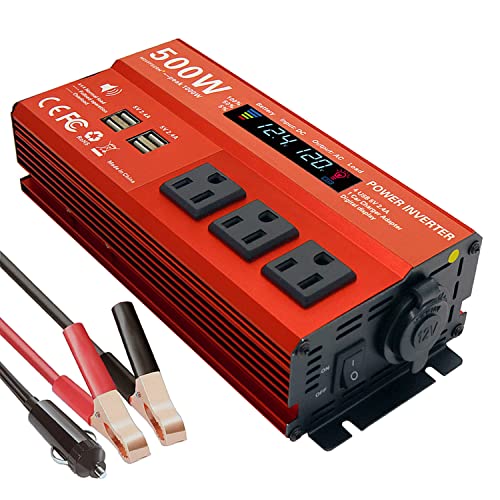
MOVFFGGRM 500W Peak 1000W Power Inverter for Vehicles

BESTEK Power Inverter DC 12-17V to AC 110V 300W Car Plug Adapter

BELTTT 3000W Pure Sine Wave Inverter 12V DC to 120V AC

vansoet 400W Car Power Inverter for Vehicles DC 12V to AC 110V

vansoet 400W Power Inverter DC 12V to AC 110V Car Adapter
More Details On Our Top Picks
FSATBTNE lands in the sweet spot for everyday driving, because it gives you two AC outlets plus both USB-C and USB-A fast charging in a compact 400W format. That mix suits commuters, parents shuttling devices between stops, and anyone who wants one adapter to handle a phone, tablet, and a light laptop without building a bulky setup.
The honest read is that its strength is convenience, not brute output. For a road kit that lives in the glovebox or center console, the port variety matters more than sheer wattage, and this one keeps the layout straightforward.
Strong Points
- Two AC outlets give you room for a charger and a small device at the same time.
- The 65W USB-C port helps with modern laptops and fast top-ups.
- 18W USB-A support keeps older cables useful, which is handy on family trips.
- 400W output fits light road use without turning the unit into a bulky box.
Things To Consider
- Compact inverters like this are better for electronics than for heavier appliances.
- With several ports in one body, cable management matters in a cramped cabin.
Feature Snapshot
Who It Suits Best
You fit this one best if you want a travel-friendly inverter for daily commutes, short road trips, or light hotel-room backup use in the car.
A Better Fit Elsewhere
BELTTT 2000W Pure Sine Wave Inverter makes more sense for RV owners and off-grid setups that need far more output than this compact model can offer.
DrimMek takes a simpler path than the FSATBTNE unit, with a 300W ceiling and a 65W USB-C port that keeps it tuned for lighter loads. The LED display is the practical touch here, since it gives you a quick readout without making the body feel fussy or overcomplicated.
For most small cars, that restraint is a plus. You’ll appreciate it most on a work commute, where you mainly need one laptop lead and a phone charger instead of a crowded cluster of plugs.
Upsides
- The lower wattage keeps the unit centered on everyday electronics.
- 65W USB-C support helps cover modern portable computers.
- The LED display adds a simple status check at a glance.
- Its smaller footprint works well in tight cabins and cluttered consoles.
Minor Gripes
- Three hundred watts is a modest ceiling, so it suits lighter gear best.
- The lean feature set may feel too basic for multi-device family travel.
Details At A Glance
Who Will Love This
You fit this model best if you want a small, straightforward inverter for a laptop, phone, and a few accessories during routine driving.
Another Choice May Suit
vansoet 400W Power Inverter DC 12V to AC 110V Car Adapter suits you better if you want more port headroom and a more flexible charging mix.
This BELTTT model moves into a different class from the smaller car units, because 2000W pure sine wave output is built for larger loads and more demanding setups. Pure sine wave means the AC power is shaped more like household electricity, which matters for sensitive electronics and mixed-use systems in RVs, trucks, or solar builds.
The trade-off is obvious: you give up pocket-sized convenience for serious capability. That’s the right direction for someone wiring a more permanent setup, not someone just topping up a phone on the way home.
Highlights
- Pure sine wave output is a strong fit for sensitive electronics and broader appliance compatibility.
- The dual AC layout gives you room for more than one mains-powered device.
- A hardwire port supports more permanent installs in RV or off-grid systems.
- The remote controller adds convenience when the unit sits out of reach.
- The 20A socket and USB port round out the power options for mixed gear.
Areas To Watch
- This level of output belongs in a planned setup, not a casual glovebox kit.
- Installation takes more thought, especially around cabling and mounting space.
- The larger housing is less convenient for quick swaps between vehicles.
Quick Facts
Built With In Mind
You fit this inverter best if you’re setting up an RV, truck, or off-grid power system and need a serious AC source rather than a travel accessory.
Where A Sibling Pick Shines
FSATBTNE 400W Power Inverter Car Plug Adapter makes more sense for drivers who want a lighter, plug-in solution without a large install.
MOVFFGGRM stands out for its dense port layout, especially the four 2.4A USB ports and one cigarette lighter socket. That setup suits family travel better than the smaller DrimMek unit, because you can keep several phones or accessories moving without juggling one charger at a time.
The 500W peak rating gives you a bit more breathing room than the 300W models, though the real value here is socket count and convenience. For a minivan or packed back seat, that’s often the part that matters most.
What We Like
- Four USB ports are useful for shared charging in busy cars.
- The extra cigarette lighter socket adds another way to power vehicle accessories.
- 500W peak capacity offers more headroom than the smaller everyday units.
- Its multi-port layout helps reduce cable swapping on longer drives.
Room For Improvement
- Peak numbers can sound large, but the continuous load still deserves attention.
- More ports also mean more cable clutter in a small cabin.
- The broader feature set makes it a little less minimalist than the compact picks.
Technical Sheet
Right Fit For
You fit this model best if your car carries several devices and you want a practical hub for charging during family trips.
Look Elsewhere When
DrimMek 300W Car Power Inverter 12V to 110V Adapter suits solo commuters more neatly when a smaller, simpler footprint matters.
BESTEK takes a slightly wider input range than the smaller 12V-only units, which can matter in vehicles that sit at a higher operating voltage. The aluminum housing also gives it a more finished feel than bare-bones plastic-bodied options, so it suits someone who wants the gear to look and feel tidy on a road trip.
The modified sine wave design is the main trade-off, because it’s less refined than the pure sine wave BELTTT models above. For phones, chargers, and many laptops, though, the setup still makes sense and keeps the package compact.
Bright Spots
- 12 to 17V input range gives it a bit more vehicle flexibility.
- 65W USB-C and 18W USB-A ports cover modern and older cables.
- Aluminum housing adds a sturdier feel and can help with everyday wear.
- 300W output keeps it focused on road-trip electronics.
Small Caveats
- Modified sine wave output is not the same as a pure sine design.
- Its lighter-duty output is better for chargers than for power-hungry appliances.
- The compact body still asks for sensible cable placement in tighter consoles.
Feature Card
The Right Fit
You fit this choice best if you want a tidy road-trip inverter with a more polished shell and a practical mix of USB ports.
Swap It Out When
BELTTT 2000W Pure Sine Wave Inverter suits you better once your setup moves beyond portable charging into larger power needs.
Jumping from 2000W to 3000W changes the conversation, because this BELTTT unit is aimed at larger systems that need serious overhead. The 23-foot remote cable is especially useful in RV or home-style installations, where the inverter may sit far from the point you want to control.
That distance can be a quiet quality-of-life win, but the bigger story is still capacity. This is the sort of inverter that makes sense in a planned build, not a weekend grab-and-go kit.
Reasons To Buy
- 3000W output gives you substantial room for demanding use.
- Pure sine wave output suits sensitive electronics and mixed appliance setups.
- The 23-foot remote cable makes remote placement far more practical.
- Dual AC outlets, a 20A socket, and USB support cover several device types.
Honest Caveats
- This size is better suited to fixed or semi-fixed installations.
- The larger format asks for more planning around space and wiring.
- The feature set makes sense for big systems, not casual vehicle charging.
Core Details
Whose Shelf It Belongs On
You fit this inverter best if your RV, truck, or home backup setup needs large-capacity AC output with remote control convenience.
Where Another Pick Fits Better
FSATBTNE 400W Power Inverter Car Plug Adapter is the more sensible choice for drivers who only need light daily charging.
The vansoet 400W version feels built for road life, with PD 30W USB-C plus multiple 15W USB connections and two AC outlets. That kind of mix helps on camping weekends or long drives, where you may want to keep a phone, speaker, and laptop moving without trading ports back and forth.
It looks a lot like the FSATBTNE unit on paper, but the charging balance is different enough to matter. Here, the USB spread makes it easier to keep several smaller devices happy at once, which is often the real headache in a packed cabin.
Positives
- Two AC outlets give you room for a pair of plug-in accessories.
- PD 30W USB-C works well for fast phone and tablet charging.
- Multiple 15W USB connections make shared use easier on the road.
- 400W capacity stays practical for light travel electronics.
Points To Note
- The output class still fits lighter-duty gear better than larger appliances.
- With several charging paths, a tidy cable layout helps keep the console usable.
Core Details
Made For
You fit this one best if your trips involve a mix of phones, tablets, and a laptop that needs a practical charging hub.
Where Shoppers Go Wrong
MOVFFGGRM 500W Peak 1000W Power Inverter for Vehicles fits you better when multiple USB devices matter more than compact simplicity.
This vansoet model keeps the formula familiar, but it adds a more balanced mix of PD 30W USB-C, QC 18W USB-A, and two AC outlets. QC, or quick charge, refers to a faster USB charging standard, which helps explain why this version feels better suited to mixed device duty than a bare-bones adapter.
For phone-heavy trips and laptop top-offs, that balance is the real appeal. It doesn’t try to do everything, and that restraint makes it easier to live with in a daily driver.
Best Bits
- PD 30W and QC 18W give you useful speed for common mobile devices.
- Two AC outlets keep the layout flexible for travel gear.
- The 400W class fits everyday road charging without feeling oversized.
- The mix of ports makes it easier to support both newer and older cables.
Softer Spots
- The body still belongs in the light-duty category, not the heavy RV class.
- Multiple ports help a lot, but they also deserve neat cable routing.
At A Glance
Who Should Grab It
You fit this choice best if you want a balanced car inverter for phones, tablets, and the occasional laptop on regular drives.
Reach For A Different Pick When
BELTTT 3000W Pure Sine Wave Inverter suits you better once your power needs move into RV or home-scale territory.
How To Choose The Right Vehicle Power Inverters
Match Output To The Gear You Carry
Start with the load, not the label. A 300W or 400W inverter fits phones, tablets, cameras, and many laptops, while a 2000W or 3000W model belongs in RVs, trucks, or fixed backup setups with much heavier demands.
Peak ratings can look impressive, but continuous output is the number that shapes daily use. That’s the figure to respect when your coffee maker, mini-fridge, or power tool enters the picture.
Choose The Right Power Shape
Pure sine wave output creates a smoother AC signal, which matters for sensitive electronics and mixed household-style loads. Modified sine wave designs are usually simpler and fine for many chargers, but they don’t offer the same compatibility across every device.
The trade-off is cost versus flexibility. For light car use, modified sine wave can make sense, while pure sine wave becomes easier to justify once the inverter is part of a larger system.
Think About Ports And Placement
USB-C matters more than it used to, and PD or fast-charge support can save you from carrying extra adapters. USB-A still matters too, especially for older cables and passengers who haven’t moved to newer plugs.
Placement matters just as much as port count. A compact body works well in a console, while a larger hardwire unit needs room, ventilation, and a sensible route for cables.
Look Past The Spec Sheet
Feature balance usually matters more than a single headline number. Two AC outlets, a clear display, and a remote controller can make daily use smoother than a model with a bigger wattage label and little else.
Also think about how you actually travel. A solo commuter needs a different setup than a family on a long road trip, and a parked RV asks for a very different inverter than a cupholder-sized plug-in unit.
What To Weigh Before You Commit
Mistakes Worth Dodging
Plenty of shoppers focus only on wattage and miss the port layout. That usually leads to a unit that looks powerful on paper but feels awkward once you plug in a phone, laptop, and charger at the same time.
Another common miss is ignoring fit. A compact travel inverter, a hardwire model, and a high-output RV unit all solve different problems, so the right size starts with your vehicle and your routine.
Where The Extra Money Goes
Higher-tier models often spend more on waveform quality, larger output capacity, remote control hardware, and sturdier housings. You also tend to get more installation flexibility, which matters once the inverter becomes part of a larger power plan.
That upgrade makes sense for off-grid systems, RV living, and heavier electronics. For basic charging in a daily driver, the extra spending can be more than you need.
Frequently Asked Questions
What does a vehicle power inverter do?
It turns your vehicle’s DC power into AC power so you can run or charge items that normally use a wall outlet. In practice, that means you can keep laptops, small appliances, and other gear working on the road.
How much wattage do you need?
Light charging usually works well with 300W to 400W units. Larger appliances, RV systems, and more demanding gear call for much higher output.
Is pure sine wave worth it?
Pure sine wave is the safer bet for sensitive electronics and more complex setups. For simple charging, modified sine wave can still be a practical choice.
Can you leave an inverter plugged in all the time?
That depends on the vehicle, the unit, and how you use power accessories. Many drivers prefer to unplug small plug-in models after use so the cabin stays tidier and the battery isn’t asked to do more than needed.
Do USB ports replace the AC outlets?
No, USB ports handle phones, tablets, and some smaller devices, while AC outlets cover gear that still expects wall-style power. The best units give you both, so you don’t have to choose one path only.
Closing Thoughts
The right vehicle power inverter feels less like an accessory and more like a small power plan for your day. Compact 300W and 400W models suit commuting and road trips, while 2000W and 3000W units belong in RVs, trucks, and more permanent installs. Focus on the device mix you carry, the outlet style you need, and the amount of setup you’re willing to manage. That’s the path to a choice that feels useful every time you plug in.
