

Your dash cam, USB gadget, Raspberry Pi, or wired accessory usually needs a steady 5V source, not the jumpy output a vehicle line can deliver. That’s where a good 12V-to-5V step-down module earns its place, especially in daily driving, workshop builds, and roadside DIY installs. The right pick depends on current draw, connector style, and how much heat or moisture your setup will face.
Quick Look At Our Top Picks

DORHEA 12V to 5V DC Converter Waterproof Step-Down Module

Weewooday 3 Pieces Direct Current Converter 12v to 5v 3a 15w Buck Converter Module

DROK 12V to 5V Converter Waterproof DC to DC Buck Converter

HOMELYLIFE DC 12V 24V to 5V 10A 50W Power Converter Step Down Reducer
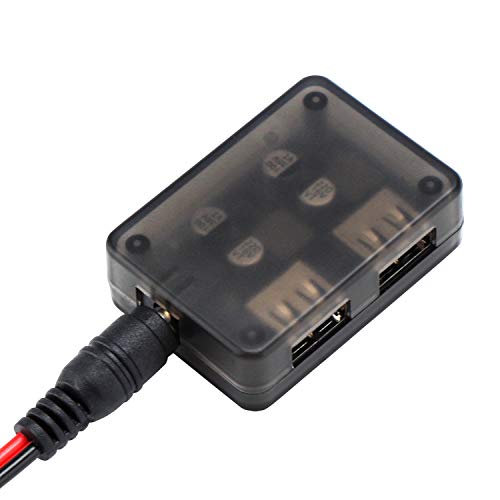
DROK DC to 5V USB Buck Converter Dual USB Port Fast Charger Board

Acridine 2-Pack 12V 24V DC to 5V 3A USB Female DC Converter Adapter

PlusRoc Waterproof DC 12V 24V to 5V 3A Buck Converter USB-C Output

Klnuoxj DC 12V 24V to 5V USB C Step Down Converter Type-C Interface
More Details On Our Top Picks
DORHEA’s module fits the kind of car or truck install that needs steady 5V without taking up much room. The aluminum case helps with heat control, while the silicone-sealed body gives it a tougher feel than a bare board.
Its 6.3V to 22V input window leaves some breathing room for vehicle systems that don’t stay perfectly flat. The trade-off is that the 3A, 15W ceiling keeps it in the lane of modest accessories, not heavier charging jobs.
Strong Points
- Sealed housing suits damp engine-bay or utility installs better than open-frame modules.
- 5V output at up to 3A covers common dash cams, trackers, and small USB gear.
- Aluminum construction helps shed heat during longer use in parked or running vehicles.
- Its broad input range makes it easier to match with 12V systems that fluctuate a bit.
Things To Consider
- The power ceiling is modest, so larger tablet-style charging setups need a stronger option.
- Water resistance helps in rougher environments, but installation still needs clean wiring and secure mounting.
Feature Snapshot
Who It Suits Best
Drivers adding a small powered accessory to a 12V vehicle usually get the most from this one, especially in a daily commuter setup.
A Better Fit Elsewhere
HOMELYLIFE B01M03288J suits users who need more current headroom for multiple 5V devices or a busier work van layout.
That three-piece pack makes sense for hobby benches, spare bins, and small repeat jobs where you like having backup parts ready. Unlike DORHEA’s sealed unit, this one leans more toward simple module use than rugged outdoor duty.
The listed 96 percent conversion rate points to efficient power transfer, and that matters in setups where wasted energy turns into heat. The trade-off is that the source data keeps the details lean, so you’re choosing on core function rather than a long list of extras.
Upsides
- Three modules in one pack help you outfit several small builds without starting over.
- 3A output fits common 5V devices like basic controllers and compact accessories.
- The low no-load current helps keep idle draw modest in parked systems.
- The thin regulator layout suits tight project boxes where space is at a premium.
Room For Improvement
- The open-module style is less reassuring in damp or dusty places than a sealed housing.
- Wire-interface setups need a little more care during installation and strain relief.
- It’s a better bench part than a polished finished accessory, so some users will want cleaner mounting hardware.
Details At A Glance
Whose Shelf It Belongs On
DIY tinkerers who build several small 5V circuits at once will get the most mileage from this pack.
A Better Fit Elsewhere
PlusRoc B09DGDQ48H makes more sense for outdoor or vehicle installs where a sealed enclosure matters more than having three loose modules.
This DROK unit stands out for a wider input span than the first DORHEA pick, so it suits mixed-voltage projects a little more comfortably. In a garage, camper, or custom panel, that extra headroom can make the wiring plan less fussy.
The 5V, 3A, 15W output profile keeps it in the same general class as the simpler modules here, so the appeal comes from flexibility rather than raw muscle. The honest read is that it looks like a sensible middle-ground choice for people who want one converter for several kinds of builds.
Bright Spots
- The 8V to 35V input range gives you more room to work with different supply sources.
- Waterproof construction makes it a better match for exposed installs than bare boards.
- The 3A output works for small USB electronics, sensors, and compact accessories.
- Its plain DC-to-DC format keeps integration straightforward in custom wiring.
Small Caveats
- The listing keeps some details sparse, so you’ll want to confirm fit before a narrow enclosure install.
- Like most sealed modules, it’s less convenient to reposition once the wiring is set.
- Output limits still matter, so this is not the right stop for high-draw charging banks.
Core Details
Built With In Mind
Custom installers and hobbyists who work across several input voltages will appreciate the flexibility here.
Where A Sibling Pick Shines
HOMELYLIFE B01M03288J is the stronger route for higher-draw 5V gear, especially in setups that need more current reserve.
HOMELYLIFE moves into a much higher-output lane than the smaller 3A modules above. That matters in vans, bench rigs, or permanent installs where several 5V devices may draw power at the same time.
Its job is to turn unstable 12V or 24V DC into a steadier 5V, 10A output, and that stronger ceiling gives you more room before the converter feels stretched. The trade-off is simple, the added power capacity makes sense for demanding setups, but it’s more converter than a single lightweight gadget needs.
Reasons To Buy
- 10A output gives you far more breathing room than the 3A units in this roundup.
- It accepts both 12V and 24V inputs, which helps in mixed vehicle or equipment setups.
- Stable 5V output suits multi-device wiring, work lights, or busier accessory panels.
- The stronger power envelope makes it easier to plan future additions without starting over.
Areas To Watch
- The larger capacity comes with a bigger footprint than compact USB-style modules.
- Basic installs may not need this much output, so the extra capability can sit unused.
- Neat cable management matters more here because higher-output setups tend to grow quickly.
Feature Card
The Right Fit
People powering several accessories from a single vehicle supply, or building a more serious 5V distribution point, fit this converter best.
Swap It Out When
DORHEA B07Y2V1F8V is the simpler choice for a single low-draw accessory where sealed compactness matters more than extra output.
This DROK board is shaped for people who want an easy USB-facing setup instead of bare terminals and loose adapter logic. The dual-port layout makes it friendlier in a workshop, a console box, or any place where two devices may share the same source.
Its broader 10V to 32V input range also makes it more adaptable than the basic 12V-only modules here. The catch is that dual USB convenience can bring extra cable clutter, so tidy mounting matters more than it does with a simpler sealed converter.
Highlights
- Two USB ports make shared charging or dual-device power a lot easier to manage.
- The 10V to 32V input range gives it room to fit more vehicle and equipment systems.
- USB-style output is handy for phone charging, dash accessories, and bench-top use.
- The board format works well in custom enclosures where you want direct front-end access.
Worth Noting
- The open board approach needs more care during installation than a sealed module.
- Two ports are convenient, but they also make cable management a little busier.
- It suits USB loads best, so it’s less interesting for non-USB wiring projects.
Quick Facts
Who Should Grab It
People who want a tidy USB charging point in a vehicle, workbench, or project box will feel at home with this board.
Another Choice May Suit
PlusRoc B09DGDQ48H is a better match for outdoor or semi-exposed installs where the sealed enclosure matters more than the second port.
Acridine takes a small, practical route with a two-pack and a USB-female output that suits quick adaptation jobs. That makes it useful for tidy retrofits, especially when you already have cables or accessories ending in a standard USB plug.
The 13.77-inch cable length gives you some placement freedom, which helps in cramped dashboards or compact DIY enclosures. The trade-off is that the format feels more utilitarian than polished, so it works best where function matters more than finish.
Best Bits
- The two-pack gives you an immediate spare or a second project ready to go.
- USB-female output makes it easy to plug in common 5V accessories.
- The cable length helps with routing in tighter installations.
- 3A output covers many small consumer devices and hobby electronics.
Honest Caveats
- The utilitarian build suits practical installs more than showpiece dashboards.
- USB-female output is handy, but it may not match every wiring plan.
- As with many small adapters, careful strain relief helps it stay tidy over time.
Technical Sheet
Made For
Shoppers who want a simple, low-fuss adapter for compact vehicle or bench projects should find this one easy to work with.
Look Elsewhere When
HOMELYLIFE B01M03288J is the better route for heavier multi-device setups that need substantially more current reserve.
PlusRoc feels especially relevant now that more small devices use USB-C instead of older plug styles. The sealed enclosure and built-in multi-protection design make it a cleaner fit for vehicle and outdoor-minded installs than the simpler board-style picks.
Its 5V, 3A output is still firmly in the small-device category, so the appeal comes from the connector type and enclosure rather than huge power capacity. In a Raspberry Pi 4 setup or a weather-exposed accessory box, that combination can save you from extra adapters and a mess of add-ons.
Plus Points
- USB-C output makes it friendlier for newer accessories and charging cables.
- The sealed body suits rougher environments better than open converter boards.
- Built-in multi-protection adds a reassuring layer for everyday installations.
- It works well for automotive and DIY setups where a tidy enclosure matters.
Minor Gripes
- The 3A ceiling keeps it in the small-to-medium device range.
- USB-C is a strong plus, though your setup still needs proper cable matching.
- Sealed hardware can be less forgiving during quick bench changes.
Spec Overview
Best Suited To
Raspberry Pi 4 users and DIY installers who want a sealed USB-C power path should find this one especially sensible.
A Better Fit Elsewhere
Klnuoxj B0CRVVWL4Y is the better route for a higher 5A ceiling, especially for USB-C gear that needs more headroom.
Klnuoxj is the most power-forward USB-C option in this roundup, with a 5A, 25W ceiling that suits more demanding small-device setups. That extra room helps in modern USB-C projects where the load can be a little less predictable than older 5V accessories.
The input range from 8V to 32V gives it a broad fit across 12V and 24V systems, and the waterproof build adds confidence for vehicle or outdoor work. The trade-off is that this level of capability is probably more than a simple phone charger needs, so the value shows up most clearly in busier projects.
Best Bits
- 5A output gives it the strongest current ceiling among the USB-C options here.
- USB-C output matches newer devices and cleaner cable runs.
- The 8V to 32V input range helps it fit more systems.
- Waterproof construction makes it a stronger fit for exposed mounting points.
Areas To Watch
- The extra headroom only matters when your device stack can actually use it.
- Two-pack packaging makes more sense for multi-point installs than one-off jobs.
- As with other sealed modules, planning the mount before final wiring saves hassle later.
Feature Rundown
Who Will Love This
People building a stronger USB-C power path for a car, camper, or bench setup will get the most out of this converter.
Consider Something Else When
Weewooday B08VJ2ZF46 makes more sense for simple low-load projects where a three-piece pack matters more than a higher output ceiling.
How To Choose The Right 12v To 5v Converter
Match The Output To The Load
Start with the device you plan to power, not the converter itself. A dash cam, tracker, or single sensor usually sits comfortably in the 3A class, while busier USB banks, displays, and multiple accessories push you toward 10A or a 5A USB-C design.
Output power matters because too little headroom turns into heat and instability. A converter that sounds “big enough” on paper can still feel cramped in a real vehicle once cable losses and startup draw enter the picture.
Choose The Right Input Window
Input range tells you how much electrical variation the module can accept before things get awkward. A 12V-only pick is fine for many car installs, while an 8V to 35V unit gives you more freedom in mixed battery or custom DC projects.
That flexibility matters in campers, vans, and hobby builds where supply voltage doesn’t always sit still. The broader the range, the easier it is to avoid overthinking a standard installation.
Think About Connector Style And Mounting
Open boards are handy in a control box, but they ask for better insulation and cleaner mounting. Sealed modules take up the tidy route, especially in areas that see dust, splash, or vibration.
USB-A, USB female, and USB-C outputs each solve a different problem. USB-C feels more current in 2026, while USB-female parts make sense when you already have matching cables and want a quick retrofit.
Do Not Ignore Heat And Build Quality
Buck converters turn higher voltage into lower voltage by shedding the extra energy as heat, so the case material matters. Aluminum bodies and sealed housings often suit vehicle use better than open, bare components.
For long drives, hot dashboards, or equipment bays, a tougher enclosure can mean less worry about dust, moisture, and vibration. That’s the quiet detail that often separates a neat install from a frustrating one.
A Quick Reality Check Before You Choose
Common Shopping Slip Ups
Many people focus on voltage and forget current. That leads to a converter that powers on fine, then feels strained the moment the load grows.
Connector mismatch is another easy miss, especially with USB-C and USB-female layouts. A cleaner habit is to map the device plug first, then choose the converter around it.
The Upgrade Payoff
Higher-tier models usually cost more because they add output headroom, stronger enclosures, and more flexible input ranges. Those extras matter in vehicles, camper builds, and setups that run longer or face more vibration.
That upgrade makes sense once you need a sealed housing, a bigger current reserve, or a connector that saves you an extra adapter. For a simple single-device job, the extra capacity can be overkill.
Frequently Asked Questions
Can A 12V To 5V Converter Run A Raspberry Pi?
Yes, a suitable converter can power a Raspberry Pi setup when the current rating fits the board and any attached devices. USB-C and sealed 5V modules are the most convenient starting points.
What Does Buck Converter Mean?
A buck converter steps higher DC voltage down to a lower DC voltage. In this category, it usually means turning 12V or 24V into a stable 5V supply.
Is A Waterproof Housing Important?
It matters most in vehicles, outdoor cabinets, and dusty workshop spaces. A sealed body adds a little peace of mind where vibration and moisture are part of the setting.
How Much Current Do You Need?
Small accessories often fit the 3A range, while more demanding USB-C or multi-device setups benefit from 5A or 10A. Matching current to the load keeps the converter from running at the edge of its limit.
Should You Pick USB-C Or USB-A Style Output?
USB-C suits newer devices and cleaner charging cables. USB-A or USB-female styles still make sense when your gear already uses those plugs or your wiring plan is built around them.
Final Verdict
The right 12v to 5v converter feels less like a generic add-on and more like a small piece of wiring discipline. For a single low-draw accessory, DORHEA or DROK keep things simple, while HOMELYLIFE makes more sense for busier power needs. USB-C users should look hardest at PlusRoc or Klnuoxj, and hands-on tinkerers will probably like the Weewooday pack. Choose the one that matches your device, your mount, and your environment, and the rest of the install tends to fall into place.
