

Power interruptions rarely happen on a clean schedule, and that’s where the right tri-fuel setup earns its keep. You may need a compact inverter for camping, a mid-size unit for RV trips, or a larger home-backup model that can keep key circuits running through a long outage. The eight picks below cover that spread without blurring the differences that matter, like remote start, transfer-switch readiness, low THD, and CO sensing. You get a clearer way to match output, fuel flexibility, and portability to your own space.
Quick Look At The Shortlist
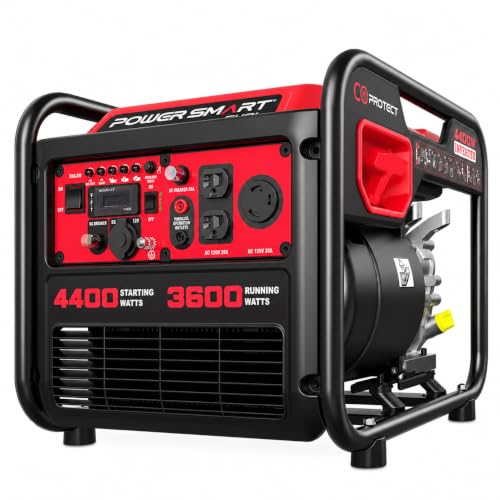
PowerSmart 4500W Open Frame Inverter Generator

DuroMax XP13000HXT 13,000-Watt 500cc Tri Fuel Portable Generator

Champion Power Equipment 4000-Watt Dual Fuel RV Ready Portable Inverter Generator

Westinghouse 8200 Peak Watt Tri-Fuel Portable Inverter Generator

Westinghouse 18000 Peak Watt Tri-Fuel Home Backup Portable Generator

Westinghouse 12000 Peak Watt Tri-Fuel Portable Inverter Generator

Westinghouse 28000 Peak Watt Tri-Fuel Home Backup Portable Generator

Westinghouse 12500 Peak Watt EFI Tri-Fuel Home Backup Portable Generator
More Details On Our Top Picks
PowerSmart’s open-frame layout keeps the footprint simpler than the heavier whole-home units later in this list, and that matters in a garage or on a campsite where storage space is tight. The 223cc engine, Eco Mode, low-oil protection, RV-ready output, and parallel capability make it a practical step up for lighter backup jobs without asking you to live with a bulky cabinet.
You may find it a sensible match for weekend outages, trailer trips, or a small work area that needs steady, not oversized, power. The CO alert adds another useful layer of awareness, though the trade-off is obvious: this is a more modest-capacity pick than the DuroMax and the larger Westinghouse units.
What We Like
- Open-frame design keeps the unit more manageable for storage and transport.
- Eco Mode can trim fuel use during lighter loads, which helps during longer outages.
- RV-ready output suits campers who want a clean path to trailer power.
- Parallel readiness gives you room to scale later without starting over.
Small Caveats
- Open-frame builds are less enclosed than cabinet-style models, so they feel more utility-first.
- The output level fits lighter backup work better than heavy whole-home demands.
- Like most portable generators, routine oil checks and safe storage habits still matter.
Feature Snapshot
Who It Suits Best
Weekend campers, RV owners, and homeowners who want a manageable backup unit will get the most from this one.
A Better Fit Elsewhere
DuroMax XP13000HXT suits you better for larger outage coverage and a stronger reserve for household circuits.
This DuroMax lands at the heavy end of the portable spectrum, so it’s the kind of unit you look at for serious outage coverage rather than casual tailgating. The tri-fuel setup gives you fuel flexibility, and the 500cc engine signals a sturdier power class than the smaller PowerSmart above.
For a household that wants more breathing room for refrigerators, lights, and other essential loads, that bigger footprint starts to make sense. The honest read is that it asks for more storage space and more handling effort, but the trade-off is a broader reserve for longer disruptions.
Highlights
- Tri-fuel operation gives you useful fuel-choice flexibility during emergencies.
- 500cc engine size places it in a stronger backup class.
- CO alert adds a safety-minded feature that many households want in a portable unit.
- The capacity range suits larger homes better than travel-only generators.
Points To Note
- The larger build needs more room in storage and usually more effort to move around.
- It makes more sense for household backup than for campsite convenience.
- Fuel flexibility helps, but setup still deserves a careful home-space plan.
Core Details
Who Should Grab It
Homeowners who want a high-output portable backup unit with fuel flexibility will benefit most from this one.
Swap It Out When
PowerSmart 4500W Open Frame Inverter Generator fits you better for lighter, more portable use around camping or short weekend backup needs.
Champion takes a more travel-friendly path than the DuroMax, and that shows up in its inverter design and RV-ready setup. Quiet Technology suggests a calmer operating profile, which matters more on a campsite or beside an RV than in a detached workshop.
The dual-fuel format adds flexibility without pushing the unit into the size bracket of the larger home-backup picks. You may prefer this one for tailgates or trips where noise, portability, and simpler load demands matter more than sheer output.
Reasons To Buy
- Dual-fuel design gives you two common fuel choices.
- Inverter construction is a better fit for gear that prefers steadier power.
- RV-ready setup suits travel use without extra fuss.
- Quiet Technology makes it easier to live with around campsites and shared spaces.
Room For Improvement
- Its 4000-watt class suits smaller loads than the larger home-backup models.
- Travel-friendly size means it won’t replace a big household backup unit.
- Quiet operation is helpful, but placement still matters around tents and trailers.
Details At A Glance
Made For
RV owners, tailgaters, and campers who want a quieter portable inverter with fuel flexibility will feel at home here.
Look Elsewhere When
Westinghouse 12000 Peak Watt Tri-Fuel Portable Inverter Generator suits you better once your backup needs move beyond travel-scale power.
This Westinghouse moves into more serious home-backup territory while keeping inverter-friendly features in the mix. Remote electric start, transfer-switch readiness, low THD, and parallel capability create a useful middle ground between portable convenience and home-use seriousness.
Low THD, or low total harmonic distortion, matters because it helps keep output cleaner for sensitive electronics. For a family that wants a generator that can sit closer to everyday home life without feeling oversized, this one makes a convincing case.
Bright Spots
- Remote electric start makes startup easier from a practical distance.
- Transfer-switch readiness fits cleaner home integration than basic campsite units.
- Low THD is a helpful detail for electronics-heavy setups.
- Parallel capability leaves room to increase output later.
Worth Noting
- The feature set adds value, but it also pushes the unit beyond casual portability.
- Transfer-switch setup still needs proper planning at home.
- Its sweet spot is mid-size backup, not tiny jobs.
Feature Card
The Right Fit
Homeowners who want a mid-size inverter with home-integration features will get the most out of this pick.
Where A Sibling Pick Shines
Champion Power Equipment 4000-Watt Dual Fuel RV Ready Portable Inverter Generator suits travel use better when noise and compact size matter more than backup scale.
The jump from the 8200-watt inverter above to this 18000-peak model is easy to feel on paper, and that matters for bigger homes with more connected loads. Remote electric start, transfer-switch readiness, and CO sensing point toward a unit built for more serious backup planning.
It’s the kind of machine that makes sense in a garage where long outages are a real concern and storage room is available. The trade-off is size and handling, so this is less about casual portability and more about keeping a larger household steadier.
Upsides
- Large peak output supports broader home-backup needs.
- Remote electric start improves day-to-day convenience.
- Transfer-switch readiness helps it fit a more structured home setup.
- CO sensor adds a sensible safeguard for household use.
Areas To Watch
- The size makes it better suited to dedicated storage than to casual moving around.
- It’s a stronger fit for households than for travel or campsite use.
- Higher-capacity gear usually benefits from careful maintenance habits and a stable storage spot.
Core Details
Who Will Love This
Homeowners who want a large-capacity backup unit with modern convenience features will get the most from this model.
Skip It When
Westinghouse 8200 Peak Watt Tri-Fuel Portable Inverter Generator fits you better for a more portable mid-size approach with fewer storage demands.
Compared with the larger Westinghouse backup units, this 12000-peak inverter aims for a more balanced middle lane. You still get remote start, transfer-switch readiness, parallel capability, and low THD, so the package feels more flexible than a bare-bones portable generator.
That combination makes sense for households that want cleaner output for electronics without stepping all the way up to the biggest frame sizes. In most homes, this is the point where convenience and backup capacity start to feel well matched.
Standout Traits
- Inverter design is a smart fit for electronics-heavy households.
- Remote start reduces friction during stressful outage moments.
- Parallel capability leaves a path to more output later.
- Transfer-switch readiness fits a more organized home setup.
Honest Caveats
- It still asks for storage room and planned placement.
- The price of more features is a larger footprint than compact travel models.
- Remote start is convenient, but routine upkeep still matters for long-term reliability.
Quick Facts
Best Suited To
Households that want inverter-style output and enough reserve for important circuits will find a strong match here.
Another Choice May Suit
Westinghouse 18000 Peak Watt Tri-Fuel Home Backup Portable Generator makes more sense once your backup plan needs a larger reserve.
This is the largest-output model in the lineup, and it looks the part of a house-first backup machine. Remote electric start and transfer-switch readiness make it easier to fold into a more serious outage plan, especially for larger properties with more circuits to think about.
The upside is obvious, but so is the practical trade-off: you’re committing to a big frame that belongs in a dedicated space. For homeowners who care more about keeping a large home steady than about easy lifting, that’s often the right bargain.
Best Bits
- Very high peak output suits large-home backup planning.
- Remote electric start improves convenience during outage conditions.
- Transfer-switch readiness supports a cleaner home integration path.
- Tri-fuel operation gives you flexibility in how you feed the unit.
Softer Spots
- The frame is better suited to a fixed storage spot than to frequent movement.
- It makes more sense for full-house backup than for travel use.
- Higher-output equipment often benefits from regular upkeep and careful placement.
Technical Sheet
Who Should Grab It
Large-property owners who want a serious home-backup reserve with modern convenience features will benefit most here.
Reach For A Different Pick When
Westinghouse 12000 Peak Watt Tri-Fuel Portable Inverter Generator fits you better for a smaller frame with more electronics-friendly output.
EFI, or electronic fuel injection, is the detail that separates this Westinghouse from the others here, and it often appeals to shoppers who want smoother fuel delivery in a home-backup machine. Remote electric start, transfer-switch readiness, and CO compliance round out a spec sheet that feels tuned for dependable household use.
Compared with the 12000-peak inverter, this pick leans more toward home-backup practicality than electronics-first portability. You may find it especially appealing if you want a tri-fuel unit with a modern fuel-system approach and a cleaner path into household integration.
Positives
- EFI adds a modern fuel-management layer that many households value.
- Remote electric start keeps operation simple from a distance.
- Transfer-switch readiness makes home integration more straightforward.
- CO compliance aligns well with a backup unit meant for residential use.
Trade Offs
- It sits in the home-backup class, so portability takes a back seat.
- EFI brings sophistication, but it also places more importance on proper upkeep.
- Its strengths matter most in planned household backup, not casual weekend use.
Core Details
Built With In Mind
Homeowners who want EFI and a strong tri-fuel backup platform will get the best fit from this model.
Where Shoppers Go Wrong
Westinghouse 8200 Peak Watt Tri-Fuel Portable Inverter Generator suits you better if your priority is a more portable inverter with a smaller footprint.
How To Choose The Right Tri-Fuel Generators
Match Output To The Job
Start with the load you actually need to cover. A 4000-watt inverter like the Champion can handle travel use and lighter backup, while the 18000 and 28000 peak watt Westinghouse units make more sense for bigger homes with more essential circuits.
Peak wattage matters because starting appliances often pulls harder than steady running. That’s why a unit with a comfortable reserve feels less strained during refrigerator starts or pump cycles.
Choose The Fuel Setup That Fits Your Routine
Tri-fuel generators run on gasoline, propane, and natural gas, so the real question is which fuel you can store or connect easily. Gasoline works for mobility, propane stores well, and natural gas suits homes with a fixed line and a more permanent backup plan.
Fuel flexibility matters most during outages that disrupt normal errands. It gives you more options when one fuel source is hard to source or awkward to manage.
Look Closely At Convenience Features
Remote electric start, transfer-switch readiness, and parallel capability change day-to-day ownership more than many shoppers expect. Remote start helps during bad weather, transfer-switch readiness simplifies home hookup, and parallel support leaves room to grow later.
Inverter models with low THD are also worth attention around laptops, routers, and other sensitive electronics. That cleaner output is one reason the Westinghouse inverter picks stand apart from the more utility-first open-frame style.
Think About Storage, Noise, And Maintenance
Larger frames usually bring more output, but they also ask for more floor space and more planning. Open-frame units are easier to place in a garage or utility area, while enclosed inverter designs tend to feel more refined in close quarters.
Routine oil checks, safe fuel storage, and keeping the unit dry matter across the category. A generator that fits your space and your habits is more useful than one that simply looks powerful on paper.
Things Worth Knowing First
Traps First Timers Fall Into
Many shoppers focus only on peak wattage and miss the real fit question. A massive unit can be awkward for camping, while a compact inverter can be too small for a whole-house backup plan.
Another common miss is forgetting about placement. Remote start and CO sensing help, but the unit still needs proper spacing, ventilation, and storage room.
Where The Extra Money Goes
Higher-tier models usually pay for larger engines, more stable output, and convenience features like transfer-switch readiness or remote electric start. EFI also adds a more advanced fuel system, which is part of why the Westinghouse 12500 EFI stands apart from simpler designs.
You tend to feel the upgrade most during repeated use, longer outages, or homes with electronics that dislike rough output. For light weekend backup, that extra spend can be more than you need.
Frequently Asked Questions
What Makes A Generator Tri-Fuel?
A tri-fuel generator can run on gasoline, propane, or natural gas. That flexibility helps you choose the fuel that best fits your storage space and backup plan.
Is An Inverter Generator Better For Electronics?
Inverter models usually produce cleaner output, and low THD is part of that story. That makes them a smarter fit for routers, laptops, and similar home devices.
Do You Need A Transfer Switch?
A transfer switch simplifies connecting a generator to selected home circuits. It’s especially useful for larger backup setups, though it requires proper installation planning.
Which Size Works Best For Camping?
The smaller inverter options, like the Champion 4000-Watt model, fit camping and RV use more naturally. Large home-backup units are usually too heavy and bulky for that role.
What Should You Check Before Buying?
Check wattage, fuel options, start type, and storage space first. Then match the unit to how you actually plan to use it, not just how much power sounds impressive.
Closing Thoughts
The right tri-fuel generator feels less like a gadget and more like a plan you can live with. Smaller inverter picks suit travel and lighter backup, while the larger Westinghouse models make more sense when your home needs broader coverage and easier restart features. The best match is the one that fits your space, your fuel access, and the way you handle outages. Pick the size you can store and use comfortably, and you’ll be in a far better spot when the power cuts out.
