

Travel trailer power gets tricky fast, because you need enough output for campsite basics without lugging around more machine than your setup can handle. These six picks focus on RV-ready outlets, quieter inverter designs, and practical sizes for travel days, weekend stays, and backup use at home. The mix ranges from lighter 3600-watt units to sturdier 4650-peak and 4400-watt options, so you can match the generator to your trailer, your parking space, and your tolerance for extra bulk.
Quick Look At Our Shortlist
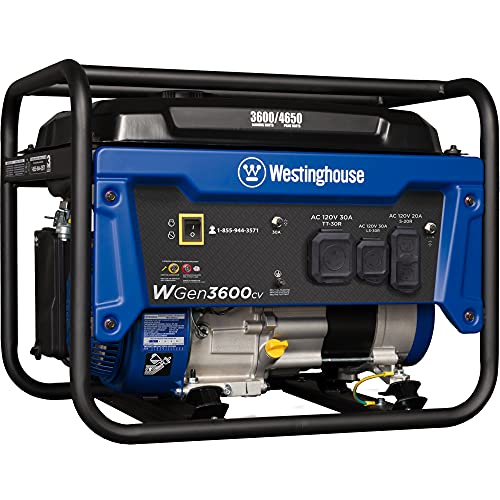
Westinghouse 4650 Peak Watt Portable Generator

Oxseryn Power Equipment 4400 Watts Inverter Generator

WEN 3600-Watt Portable Inverter Generator (56360i)

Pulsar PGD40ISCO Ultra Light Quiet 4000W Portable Gas Inverter Generator

Champion Power Equipment 4000-Watt RV Ready Portable Inverter Generator

Oxseryn 4400-Watts Inverter Generator
More Details On Our Top Picks
This Westinghouse leans toward trailer owners who want a little more headroom for startup loads, especially in camps where you’re running more than just lights and a charger. The RV-ready 30A outlet makes the hookup story simpler, and the gas-powered design keeps it in the familiar portable-generator lane rather than the ultra-light category.
The trade-off is size and carry effort, so it makes more sense for base-camp travel than for frequent hand-carry moving. Compared with the WEN 56360i, it reads like the stronger utility pick, while the Pulsar and Champion options lean more toward portable inverter convenience.
What We Like
- 4650 peak watts give you useful starting-room for harder loads.
- The 30A RV outlet fits common trailer hookup needs.
- Gas power keeps refueling straightforward on longer stays.
- Good for campsite power and home backup use in one unit.
Things To Consider
- It sounds more like a full portable generator than a compact travel companion.
- Gas engines ask for the usual fuel care and storage attention.
- For tight storage bays, the lighter WEN may be easier to live with.
Feature Snapshot
Who It Suits Best
Travel trailer owners who want stronger surge capacity for a more demanding campsite setup will get the most from this one.
A Better Fit Elsewhere
The WEN 3600-Watt Portable Inverter Generator (56360i) suits lighter travelers who value easier handling over extra headroom.
This Oxseryn sits in an interesting middle ground, because the open-frame layout points more toward utility than trim portability, yet the inverter setup keeps it relevant for travel trailer use. ECO Mode usually matters most during lighter electrical demand, where the engine can settle down instead of sounding busy all the time.
Compared with the Westinghouse, it feels a bit more general-purpose than purely RV-focused, and that can suit you well if the same unit has to serve campsite duty and backup power at home. The honest read is that it looks built for owners who want versatility first, not the smallest possible footprint.
Strong Points
- 4400 watts gives you a solid step up from smaller travel units.
- The inverter design is a better match for sensitive electronics than a plain construction-style set.
- ECO Mode can help the engine settle into lighter-demand moments.
- Works for both trailer trips and home backup planning.
Small Caveats
- The open-frame format usually takes up more visual and storage space.
- It’s not the lightest style for people who move a generator often.
- Multi-use designs can feel less specialized than an RV-first model.
Core Details
Who Will Love This
Trailer owners who want one generator for travel weekends and occasional backup use will find the fit most natural here.
Where A Sibling Pick Shines
The Champion Power Equipment 4000-Watt RV Ready Portable Inverter Generator makes more sense for campers who want a quieter-feeling, RV-centered setup.
The WEN 56360i is the kind of generator that makes sense for lighter trailer travel, where every pound and every square inch in storage matters. Quiet inverter construction and the fuel shut off feature give it a practical edge for people who store gear between trips and want a cleaner shutdown routine.
It does not chase the bigger output numbers of the Westinghouse or the Oxseryn 4400-watt units, and that restraint is part of the appeal. For couples, solo travelers, or weekend campers with modest electrical needs, the trade-off feels sensible rather than limiting.
Highlights
- 3600 watts keeps it in a useful sweet spot for modest trailer power needs.
- The lighter build should be easier to move around a campsite.
- RV-ready design simplifies connection planning.
- Fuel shut off helps with storage routines after trips.
Areas To Watch
- Lower output means less cushion for heavier appliance starts.
- It suits smaller power plans better than full family rigs.
- Like most portable gas units, upkeep around fuel and storage still matters.
Details At A Glance
Built With In Mind
Weekend trailer travelers who want a manageable, quieter-feeling unit for modest loads will appreciate this one most.
Look Elsewhere When
The Westinghouse 4650 Peak Watt Portable Generator suits longer stays and higher startup loads better than this smaller WEN.
Compared with the WEN, this Pulsar keeps the travel-friendly idea but stretches output into the 4000-watt class, which gives it a broader campground role. The ultra-light framing matters most for solo handling, loading into storage, and all the small moves around a site that get annoying with heavier gear.
The white finish and compact inverter format also make it feel a bit cleaner and less industrial than open-frame picks like the Oxseryn models. One thing worth considering is that lighter builds can still mean more care during transport, so a padded storage plan is smart.
Bright Spots
- 4000 watts offers more breathing room than smaller travel units.
- The ultra-light build should ease loading and repositioning.
- Quiet inverter styling suits campgrounds where noise matters.
- Works well as a middle-ground option between small and heavy-duty picks.
Points To Note
- Lightweight gear still needs careful storage and transport.
- The white finish may show grime sooner than darker housings.
- It lacks the RV-specific focus of the Westinghouse and Champion units.
Technical Sheet
Right Fit For
Travel trailer owners who move gear often and want a lighter 4000-watt inverter option will feel at home here.
Skip It When
The Oxseryn Power Equipment 4400 Watts Inverter Generator makes more sense for anyone who wants a bit more output and an open-frame utility style.
The Champion sits near the center of the group, with an RV-ready format that makes campsite hookup feel straightforward and a 4000-watt output level that suits a broad range of trailer needs. Quiet technology matters here because a calmer sound profile can make a long evening at camp feel less like equipment management and more like downtime.
Compared with the Pulsar, it feels more polished and a bit more purpose-built for the RV lane. The free 3-year warranty mention adds reassurance at a glance, though the bigger practical question is still whether you want this kind of mid-size inverter balance or a lighter model like the WEN.
Reasons To Buy
- RV-ready setup suits trailer hookups without extra fuss.
- 4000 watts gives useful flexibility for common campsite needs.
- Quiet technology supports a calmer campground experience.
- The warranty term adds some peace of mind on paper.
Worth Noting
- It still sits above the lightest carry-friendly options in size.
- The added quiet focus doesn’t remove routine gas-engine upkeep.
- For very small power needs, the WEN may be the easier match.
Feature Card
Whose Shelf It Belongs On
Trailer campers who want a quiet-leaning, RV-friendly inverter with steady midrange output will appreciate this one.
A Better Fit Elsewhere
The Pulsar PGD40ISCO fits better for someone who wants a lighter carry and a more compact feel at the campsite.
This Oxseryn lands closest to a utility-minded trailer generator, with an RV-ready 30A outlet and 4400-watt inverter setup that can pull double duty for camping and backup use. The EPA note points to a compliance-minded listing, though the real draw is the blend of open-frame practicality and RV compatibility.
Compared with the Champion, it leans less polished and more workmanlike, which may suit you well if appearance is secondary to function. For owners who want a single gas unit that can sit in the trailer plan and the home-backup plan, that flexibility carries real weight.
Plus Points
- 4400 watts gives solid working room for trailer loads.
- RV-ready 30A outlet simplifies hookup planning.
- The inverter design is friendlier to electronics than a basic open-frame generator.
- Good fit for shared use between trailer trips and backup duty.
Honest Caveats
- Open-frame styling usually takes more room than enclosed inverter units.
- Gas-powered upkeep still comes with the usual fuel-handling chores.
- It makes more sense for utility-first setups than compact travel packing.
Core Details
The Right Fit
Trailer owners who want a practical, RV-ready generator that can also cover home backup needs should focus here.
Another Choice May Suit
The WEN 3600-Watt Portable Inverter Generator (56360i) is the better call for travelers who value lighter carrying and smaller storage demands.
How To Choose The Right Travel Trailer Generators
Start With Output And Startup Room
Travel trailer power looks simple until a microwave, converter, or air conditioner asks for more at startup than it needs to keep running. That’s why peak wattage matters, since it gives you the short burst of power that appliances often need at the beginning. A 3600-watt unit fits lighter setups, while 4000 to 4650 peak watts gives more breathing room for a busier rig.
You also want to think about the 30A RV outlet, which is the plug style many trailers use for a direct connection. That detail saves hassle during setup and reduces the need for extra adapters. The Westinghouse and Oxseryn 4400-watt picks make that easier to picture than a generic portable unit.
Quiet Inverter Design Versus Open-Frame Utility
Inverter generators change raw engine output into steadier power, which matters for electronics and for a calmer campsite feel. They usually run in a more refined way than open-frame generators, though the trade-off can be higher cost or more compact output numbers. The WEN, Pulsar, and Champion all sit in that quieter, more trailer-friendly lane.
Open-frame models, like both Oxseryn options, often lean toward utility and flexibility rather than the smallest footprint. That can suit owners who want a generator for trailer use and backup power at home. The honest read is that there’s no single right answer, only a better fit for your storage space and noise tolerance.
Portability, Storage, And Real Ownership Fit
Generator weight changes how much you’ll use it, because a machine that’s awkward to move tends to stay parked more often than planned. Lighter units make sense for frequent travelers, especially when you’re loading gear into a truck bed or a small pass-through compartment. The Pulsar and WEN stand out here for easier handling, while the heavier-duty Westinghouse makes more sense for semi-stationary use.
You should also think about storage after the trip ends, including fuel shutoff routines and space inside the trailer or garage. A generator that matches your storage habits usually ages better in day-to-day ownership because you’re more likely to keep up with the basics.
Match The Unit To Your Trip Style
Weekend campers, solo travelers, and couples often do well with 3600 to 4000 watts, especially when the trailer load stays modest. Families or owners running more appliances may prefer the extra cushion from 4400-plus peak output. That gap is small on paper and noticeable in real use, which is why the right choice depends on the trailer, not just the brand.
What To Weigh Before You Click
Mistakes Worth Dodging
Plenty of shoppers focus only on wattage and forget the outlet type, which can turn a good-sounding generator into a poor hookup match. Another common miss is underestimating storage, because a unit that fits the power need but not the bay space becomes annoying fast. You also want to keep an eye on fuel handling, since gas units need routine care.
The safer approach is to check the trailer’s connection, the loads you actually run, and the space you have to store the machine after each trip. That keeps the purchase grounded in your own setup instead of a spec sheet alone.
Where The Extra Money Goes
Higher-tier models usually spend more on inverter electronics, quieter operation, better RV-friendly packaging, and more polished build details. That matters most for frequent travelers who want less noise and smoother power around sensitive gear. It also helps when the generator needs to serve more than one role, such as campsite use and home backup.
Paying more makes sense when the added refinement saves effort every time you load, connect, and store the unit. For occasional trips with light demand, a simpler pick can be enough and easier to live with.
Frequently Asked Questions
What size generator works for a travel trailer?
Many travel trailer setups land in the 3600 to 4400-watt range, depending on what you plan to run. Bigger rigs and heavier appliance loads usually benefit from more headroom.
Do you need an inverter generator for a trailer?
An inverter generator is a strong fit for many trailers because it tends to suit electronics and campground use well. Open-frame units can still work, especially when flexibility and utility matter more than compactness.
Why does a 30A outlet matter?
A 30A outlet matches a common travel trailer connection, so hookup is simpler and cleaner. It reduces the need for extra workarounds during setup.
Is quieter operation really worth it?
Yes, especially for campgrounds where you’ll be sitting near the unit for hours. A quieter generator can make the whole stay feel less mechanical.
Should you choose lighter or stronger output?
Lighter makes life easier for frequent moves and smaller storage spaces. Stronger output helps when your trailer carries more electrical demand or you want extra cushion for startup loads.
Closing Thoughts
Your best travel trailer generator comes down to the balance between output, noise, storage, and how often you move it. The Westinghouse makes sense for stronger RV needs, the WEN keeps things light, and the Champion offers a tidy middle path. Open-frame Oxseryn models suit utility-first setups, while the Pulsar helps when portability matters more than extra bulk. Match the machine to the way you camp, and you’ll be happier every time you set up.
