

I spent years running speaker wire through crawl spaces, behind baseboards, and across garage workshops, and the gap between a so-so run and a clean one usually comes down to gauge, conductor material, and how the jacket behaves in your hands. If you’re wiring a home theater, a car audio build, or just upgrading the bookshelf pair that’s been buzzing since college, the right cable makes the install easier and keeps the signal honest.
I’ve sorted through ten solid options covering everything from short terminated patch cables to long in-wall spools, plus a couple of marine-rated choices for outdoor speakers. Below, you’ll find a quick-glance table, then a closer look at each pick with the real strengths, real trade-offs, and a clear sense of who each one suits best.
The Shortlist At A Glance
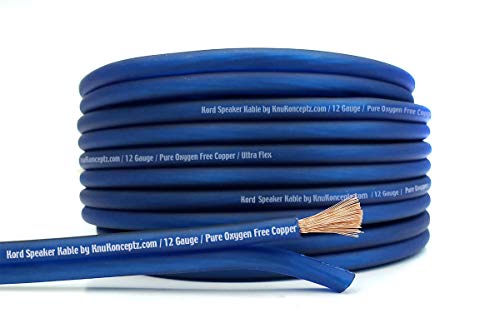
KnuKonceptz Kord Speaker Cable 12 Gauge OFC (50 ft, Blue)

Pig Hog PHSC5 Tour Grade Speaker Cable, 5 ft, 2-Pack

GEARit 14 Gauge Speaker Wire, 100 ft CCA (Black)
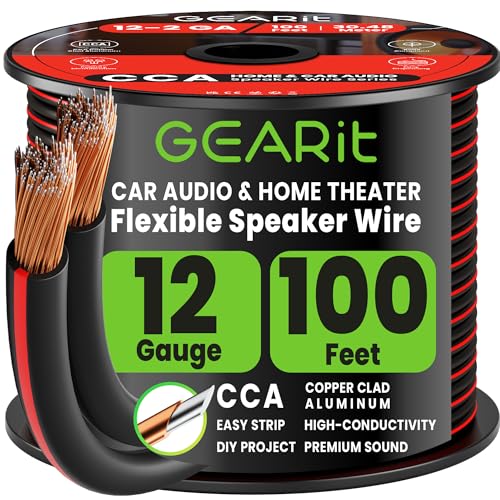
GEARit 12 Gauge Speaker Wire, 100 ft 12/2 CCA

InstallGear 14 Gauge Speaker Wire 100 ft (Red/Black)

GEARit 12 Gauge CL2 In-Wall OFC Speaker Wire, 100 ft
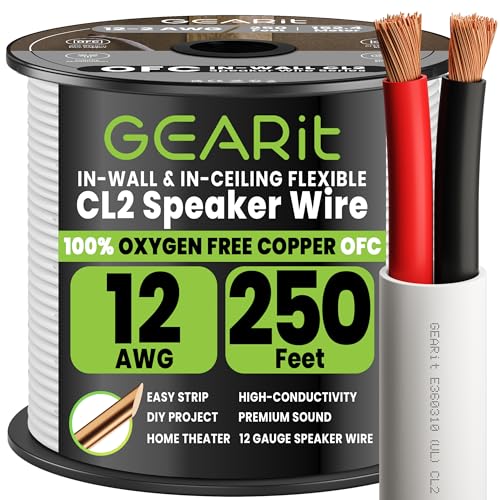
GEARit 12 Gauge CL2 In-Wall OFC Speaker Wire, 250 ft

KeyLine 12 Gauge CL3/CL2 OFC Speaker Wire 100 ft (Black)

Rockville RCC14-500 14 AWG CCA Speaker Wire, 500 ft

Rockford Fosgate RFWP12-15 12 AWG Speaker Wire, 15 ft
A Deeper Look At The Lineup
If you’re wiring a pair of bookshelf speakers or a modest home theater and want a cable that feels substantial in the hand without turning your living room into a job site, this KnuKonceptz cable hits a comfortable middle ground. The 12 AWG rating puts it in the thicker, lower-resistance class, while the 50-foot length suits most small-to-mid room layouts without leaving yards of slack coiled behind the rack.
The build centers on oxygen-free copper, a conductor spec where the copper purity is at least 99.99%, which generally means less resistance over a run than copper-clad aluminum. Lower resistance helps your amp deliver cleaner dynamics, especially on longer pulls where thinner wire starts to choke the signal.
What Helps Most
- True oxygen-free copper conductors hold signal cleanly across mid-length runs.
- Foot-by-foot spec markings printed on the jacket take the guesswork out of trimming.
- Ultra Flex PVC jacket lays flat after uncoiling, no memory coils fighting you under carpet.
- Thick 12 AWG profile gives headroom for higher-power bookshelf or tower setups.
Worth Noting
- 50 feet can run short on whole-home or large-room layouts that need extra slack.
- The thicker jacket is harder to hide inside tight, finished-baseboard channels.
Key Advantages
Who It Suits Best
Music-first listeners running a stereo pair or a 5.1 setup in a normal-sized room who want a clean copper run without overspending on audiophile-tier bulk.
Where Another Pick Suits Better
For a long, concealed run between rooms, the GEARit 12 Gauge CL2 In-Wall OFC Speaker Wire (250 ft) gives you the same copper chemistry plus a safety-rated jacket.
Most of the cables on this list are bare spools you cut and terminate yourself. This Pig Hog pair is the opposite: pre-cut, pre-terminated, and built for people who plug in, haul gear, and plug in again. The 5-foot length is short by design, perfect for connecting a powered monitor or a guitar amp head to a cabinet without leaving a tripping-hazard pile onstage.
The thick 8mm rubber jacket is what really separates it from typical consumer wire. Rubber handles flex better than PVC over the long haul, and the heat-shrink-protected connectors give the solder joints a fighting chance against yanks, drops, and the back of a touring van.
Advantages To Know
- 8mm rubber jacket resists kinks, scuffs, and cold-stage handling better than PVC.
- Heat-shrink strain relief at the connectors adds real durability at the failure point.
- Two-pack covers a stereo pair or a backup cable for the gig bag.
- Pre-terminated ends save a soldering iron and a few choice words.
Trade Offs
- 5-foot length is too short for home theater rear-surround placement.
- Bulkier 8mm jacket won’t tuck neatly into a flat-panel TV wire channel.
Made For
Working musicians, mobile DJs, and small-studio owners who treat their cables like workhorses, not decorations.
Consider Something Else When
A home installer running wire behind drywall should reach for the GEARit 12 Gauge CL2 In-Wall OFC Speaker Wire instead, since in-wall work calls for a CL safety rating that Pig Hog doesn’t list.
GEARit’s 14-gauge, 100-foot spool is the workhorse cable most people reach for when they just need to get sound from point A to point B without making a project out of it. CCA stands for copper-clad aluminum, an aluminum core wrapped in a copper shell, and the trade-off is real: it’s lighter and easier on the wallet than pure copper, with somewhat higher resistance.
For typical home setups under 50 feet per run, especially with bookshelf speakers and modest amps, that resistance difference is barely audible. You also get enough length to wire a small multi-room setup with leftovers for the next project.
The Upside
- 14 AWG gauge handles standard home and car audio loads comfortably.
- 100-foot spool covers a full room plus extras for future moves.
- Lighter CCA construction reduces fatigue when pulling long runs overhead.
- Black jacket blends with most baseboards, racks, and AV furniture.
Points To Note
- CCA conductors aren’t ideal for runs beyond about 50 feet at high power.
- No in-wall safety rating printed on the listing, so check local code before hiding it.
Right Fit For
Budget-conscious DIYers wiring a stereo pair, a small office, or a garage workshop where the run length stays moderate.
Look Elsewhere When
Anyone planning an in-ceiling or behind-drywall installation should swap to the GEARit 12 Gauge CL2 In-Wall OFC Speaker Wire, since building code typically calls for a CL-rated jacket.
If you want a thicker cable for a real surround setup but you’d rather not pay the copper premium, this GEARit 12-gauge CCA spool lands in a sensible spot. The “12/2” designation simply means two 12 AWG conductors inside the jacket, which is the standard count for a single speaker run from amp to speaker.
Compared with the 14-gauge GEARit above, the heavier gauge lowers resistance on lengthier pulls, helpful when the rear surrounds live 30 or 40 feet from the receiver. The jacket stays flexible enough to route around door frames without fighting you.
Everyday Advantages
- 12 AWG gauge gives lower resistance for surround and tower speaker runs.
- 100-foot length covers a 5.1 or 7.1 room with room to spare.
- Soft PVC jacket routes cleanly around corners and through wall plates.
A Few Limitations
- CCA conductors carry slightly more resistance than pure copper of the same gauge.
- Not rated for in-wall use, so it’s best for surface-mounted or carpet-under runs.
Best Suited To
Home theater builders running rear and side surrounds at moderate distances from the receiver on a sensible budget.
Skip It When
The cable needs to hide inside a wall, in which case the GEARit 12 Gauge CL2 In-Wall OFC Speaker Wire, 100 ft, is the safer match thanks to its safety-rated jacket.
InstallGear’s red-and-black 14 AWG spool is purpose-built for the polarity-conscious install. The two conductors carry distinct jacket colors so positive and negative stay unmistakable, even when you’re hunched under a dashboard or working behind a head unit at 10 p.m. on a Sunday.
The 14-gauge thickness is the sweet spot for most factory and aftermarket car audio speakers, and 100 feet covers a four-door install with leftover for the next upgrade. The flexible jacket handles tight bends through door boots and trunk lids without cracking.
Everyday Wins
- Red/black jacket colors make polarity mistakes nearly impossible during install.
- Flexible copper-clad aluminum lays flat through door channels and trunk paths.
- 14 AWG suits most door, dash, and rear-deck speaker loads comfortably.
Practical Considerations
- CCA composition runs warmer than OFC at sustained high volume.
- Not designed for marine environments where moisture and salt are constant.
Who Will Love This
First-time car audio installers and weekend hobbyists who want a forgiving, color-coded cable that won’t punish a polarity slip.
Reach For A Different Pick When
A boat, UTV, or any open-cockpit powersports rig is the install environment, because the Rockford Fosgate RFWP12-15 carries marine-grade BC-5W2 compliance.
When speaker wire has to live inside a wall, code and common sense both ask for a CL rating. CL2 is a safety classification for cables run behind drywall in residential low-voltage audio circuits, designed to limit flame spread. This GEARit cable carries that rating, so inspectors and insurance adjusters stay happy.
The build is solid elsewhere too: oxygen-free copper conductors, a flexible white jacket that disappears against most interior walls, and 100 feet that covers a single room or a small multi-zone install without splicing. It’s the in-wall sibling of the GEARit 12-gauge CCA spool above, and worth the upgrade for any run you can’t easily access later.
Strengths Worth Knowing
- CL2 rating meets residential code for concealed low-voltage wiring.
- Oxygen-free copper minimizes signal loss across in-wall distances.
- White, flexible jacket pulls around studs and through drilled holes without kinking.
Honest Caveats
- 100 feet can run short on a full whole-home retrofit across multiple rooms.
- OFC at this gauge is heavier than CCA, so pulling through long conduit takes more effort.
Quick Facts
Built With In Mind
Homeowners and custom installers running rear surrounds or in-ceiling speakers through standard wood-frame walls where code-compliant cable is a must.
Not Your Match When
The project spans more than 100 feet or covers multiple zones, since the GEARit 12 Gauge CL2 In-Wall OFC Speaker Wire, 250 ft spool saves you from splicing.
The 250-foot sibling to the cable above is the spool you reach for when you’re not running one room but four. Whole-home audio, multi-zone retrofits, and basement finishing projects all chew through cable faster than expected, and a 250-foot reel means fewer mid-project supply runs.
Same OFC conductor spec, same CL2 in-wall rating, plus sequential foot markers printed along the jacket so you can measure, plan, and cut without a separate tape. Red and black inner conductors inside the white outer jacket keep polarity obvious at the speaker end.
Key Advantages
- 250-foot length handles multi-room or whole-home projects in a single spool.
- CL2 rating keeps inspectors comfortable with concealed runs.
- Foot markers printed on the jacket simplify measuring and cut planning.
- Inner conductor colors speed up consistent polarity across many speakers.
Small Caveats
- Bulk spool adds storage demands and a heavier pull through conduit.
- More cable than most single-room setups will ever need.
The Right Fit
Contractors and ambitious DIYers wiring multi-zone audio systems, finished basements, or new-construction prewires where one trip to the supply store matters.
A Better Fit Elsewhere
A single-room surround job is overserved here, so the GEARit 12 Gauge CL2 In-Wall OFC Speaker Wire, 100 ft is the leaner, less wasteful choice.
Most indoor speaker wire fails the moment it meets soil, sunlight, or saltwater. This KeyLine cable is rated for direct burial and in-wall use, with both CL3 and CL2 ratings covering low-voltage audio runs above and below ground. CL3 is the higher of the two, approved for higher-voltage circuits where applicable, so this cable handles tougher code environments than a CL2-only spool.
The conductor is oxygen-free copper, which matters more in outdoor runs where corrosion is the long-term enemy. Bury it in conduit or directly in the soil, run it under a deck, or feed it to a pair of patio rock speakers; the jacket and conductor spec are built for the abuse.
What Pays Off
- Direct-burial rating handles underground outdoor speaker runs.
- CL3 and CL2 listings cover both residential and light-commercial code requirements.
- Oxygen-free copper resists corrosion better than CCA in damp environments.
- 180-strand construction stays flexible enough to route around landscaping features.
Where It Is Less Suited
- Heavier jacket and burial-rated build are overkill for a simple indoor stereo pair.
- Black jacket shows dust and dirt visibly in clean indoor AV racks.
Whose Shelf It Belongs On
Homeowners wiring backyard patio speakers, garden audio, or outdoor subwoofers where the cable will sit in soil or weather.
Swap It Out When
A purely indoor surround job is on the bench, since the GEARit 12 Gauge CL2 In-Wall OFC Speaker Wire, 100 ft, is the lighter, white-jacketed match.
Half a thousand feet of cable sounds excessive until you’re the contractor prewiring a restaurant, a house of worship, or a four-unit office suite. The Rockville RCC14-500 is built for exactly that scale: 500 feet of 14 AWG CCA on a single spool, with a CL2 rating that satisfies in-wall and in-ceiling code.
CCA at this gauge and length is the practical choice for commercial 70-volt speaker runs, where the amplifier topology is designed for higher-voltage, lower-current signal. The longer spool also means fewer mid-job splices and connection points, which is usually where commercial audio systems fail first.
A Few Highlights
- 500-foot spool covers large commercial or multi-room residential projects without splicing.
- CL2 rating allows in-wall and in-ceiling routing under most building codes.
- 14 AWG handles standard 70-volt and conventional speaker loads.
Where It May Fall Short
- Spool is bulky to store and heavier to transport than a 100-foot box.
- CCA composition may not match audiophile expectations at long, high-power runs.
Perfect Match For
Contractors, integrators, and serious whole-building audio projects where one continuous run out of a single spool is the difference between a clean install and a service call.
Another Choice May Suit
A homeowner doing a single-room theater is better served by the GEARit 12 Gauge CL2 In-Wall OFC Speaker Wire, 250 ft, which trades length for copper chemistry.
Most of the cables in this roundup are spools for cutting and terminating yourself. The Rockford Fosgate RFWP12-15 is the rare factory-made patch cable, sold as a single 15-foot length with the connectors ready to bolt onto an amplifier and sub. The marine-grade BC-5W2 compliance is the headline spec: BC-5W2 is the boat industry’s flammability, voltage, and durability standard for wire run in engine compartments and bilge areas.
That compliance also makes it a sensible choice for powersports, side-by-sides, and any environment where heat, moisture, and vibration punish ordinary wire. The frosted outer jacket stays flexible in cold weather, and the 12 AWG copper gives sub amps the current headroom they want.
What Stands Out
- BC-5W2 marine compliance covers boats, UTVs, and harsh outdoor installs.
- Factory-terminated ends skip the soldering step for sub and amp hookups.
- 12 AWG oxygen-free copper handles subwoofer current demands cleanly.
- Frosted jacket stays pliable in cold weather and on early-morning launches.
Possible Compromises
- 15-foot length limits placement flexibility on larger boats or vehicle runs.
- Premium marine construction costs more per foot than a basic spool.
Who Should Grab It
Boat owners, powersports enthusiasts, and car subwoofer installers who need a short, code-compliant patch cable that’s already terminated.
Where A Sibling Pick Shines
For a longer marine or outdoor run between source and speaker, the KeyLine 12 Gauge CL3/CL2 OFC Speaker Wire, 100 ft, lets you cut custom lengths with direct-burial toughness.
What Matters Most Before Choosing Speaker Wires
Match Gauge To Run Length And Power
Speaker wire gauge, the thickness of the conductor, directly affects how much signal loss happens between the amp and the speaker. For runs under about 50 feet at typical home power levels, 16 AWG handles most bookshelf and surround speakers comfortably. Once you push past 50 feet, or feed a low-impedance subwoofer, step up to 14 AWG or 12 AWG to keep resistance from dulling the dynamics. The Rockville spool and the GEARit 12-gauge options both sit in that comfortable 12 to 14 AWG zone for longer runs.
Pick The Right Conductor Material
Oxygen-free copper (OFC) is the lower-resistance, more corrosion-resistant choice. Copper-clad aluminum (CCA) is lighter and friendlier on the wallet, with somewhat higher resistance that becomes audible on long, high-current runs. For outdoor, marine, or in-wall installations, OFC pays back its price in reliability. For indoor bookshelf setups on a budget, CCA gets the job done without obvious compromise. The KnuKonceptz cable and the KeyLine outdoor option are both OFC; the GEARit 12/2 and Rockville bulk spool are CCA.
Check The Jacket Rating For Where It Will Live
Indoor wire can use a basic PVC jacket. The moment you run wire through a wall, above a ceiling, or underground, code steps in. CL2 covers most residential in-wall and in-ceiling low-voltage audio runs. CL3 adds headroom for higher-voltage circuits and is often required in commercial spaces. Direct-burial ratings matter for cable that sits in soil without conduit. Match the rating to the route, and skip the splice wherever you can.
Key Considerations Across These Picks
Where Shoppers Go Wrong
Most speaker wire mistakes come from underestimating run length or ignoring the environment. People buy a 50-foot spool and then discover their rear surrounds sit 60 feet from the receiver. Others tuck non-rated cable behind drywall and fail an inspection, or run CCA through a damp crawl space and wonder why the connection corrodes in a year. Measure twice, account for routing up and around obstacles, and match the jacket rating to the route before you cut.
What Separates Premium From Basic
The jump from a budget spool to a premium cable usually shows up in three places: conductor material (OFC over CCA), jacket quality (thicker, more flexible, often CL-rated), and build consistency (cleaner stranding, printed foot markers, better strain relief). For a small bookshelf setup in a bedroom, that upgrade is hard to hear. For a 7.1 in-wall theater or a marine audio rig, the upgrade shows up as fewer service calls and cleaner dynamics over the long haul.
Frequently Asked Questions
What Gauge Speaker Wire Do I Need?
For most home setups with runs under 50 feet, 16 AWG works for bookshelf speakers and 14 AWG gives extra headroom. For longer runs, subwoofers, or higher-power amps, step up to 12 AWG to keep resistance low.
Is Oxygen-Free Copper Worth It Over CCA?
For outdoor, marine, or in-wall runs, yes. OFC resists corrosion better and keeps resistance lower over distance. For short indoor runs at modest power, CCA performs close enough that most listeners won’t notice the difference.
Can I Run Speaker Wire Through A Wall?
Only if the cable is rated for it. CL2 covers most residential in-wall low-voltage audio runs, while CL3 covers slightly higher-voltage circuits and many commercial installations. Building inspectors generally look for that marking on the jacket.
Do I Need Special Wire For Outdoor Or Marine Speakers?
Yes. Outdoor and marine environments punish ordinary PVC jackets and CCA conductors. Look for direct-burial ratings for underground patio runs and BC-5W2 marine compliance for boats and powersports vehicles.
How Long Should My Speaker Wire Run Be?
Measure the route from amp to speaker, accounting for vertical drops, around corners, and any service loops at the ends. Add 10 to 15 percent slack so you have room to move components later without re-pulling the run.
Wrap Up
For most living room setups, a 14 or 12 AWG OFC cable like the KnuKonceptz Kord hits the right balance of clean signal and easy handling. In-wall and outdoor projects ask for the rated GEARit CL2 or KeyLine burial cables, while boats and powersports rigs call for marine-grade builds like the Rockford Fosgate RFWP12-15. Match the cable to the run, the environment, and your gear, and the rest of the install tends to fall into place.
